Pumice Stone Landscaping Guide for Garden Borders and Plant Health

Published on: December 12, 2025

Get an estimate for your project in 60 seconds

This field is hidden when viewing the form
Security lock iconYour information is secure


pumice-stone-garden-border-white-volcanic-rock-landscaping

Pumice stone landscaping offers a lightweight, porous solution for creating stunning garden borders while improving plant health. This volcanic rock provides excellent drainage, moisture retention, and long-lasting beauty that transforms ordinary garden edges into professional-looking landscapes.

Whether you’re designing decorative borders around flower beds or improving soil conditions for better plant growth, pumice landscaping rock delivers both form and function. You’ll discover how this versatile material can solve common gardening challenges like poor drainage, heavy soil, and maintenance-heavy borders while creating the clean, modern look you want.

Quick Fact: Pumice stone weighs 50% less than traditional gravel while providing superior water management for plant roots.

This guide covers everything you need to know about using pumice stone for landscaping, from installation techniques and design ideas to cost considerations and where to source quality materials.

What makes pumice stone perfect for landscaping

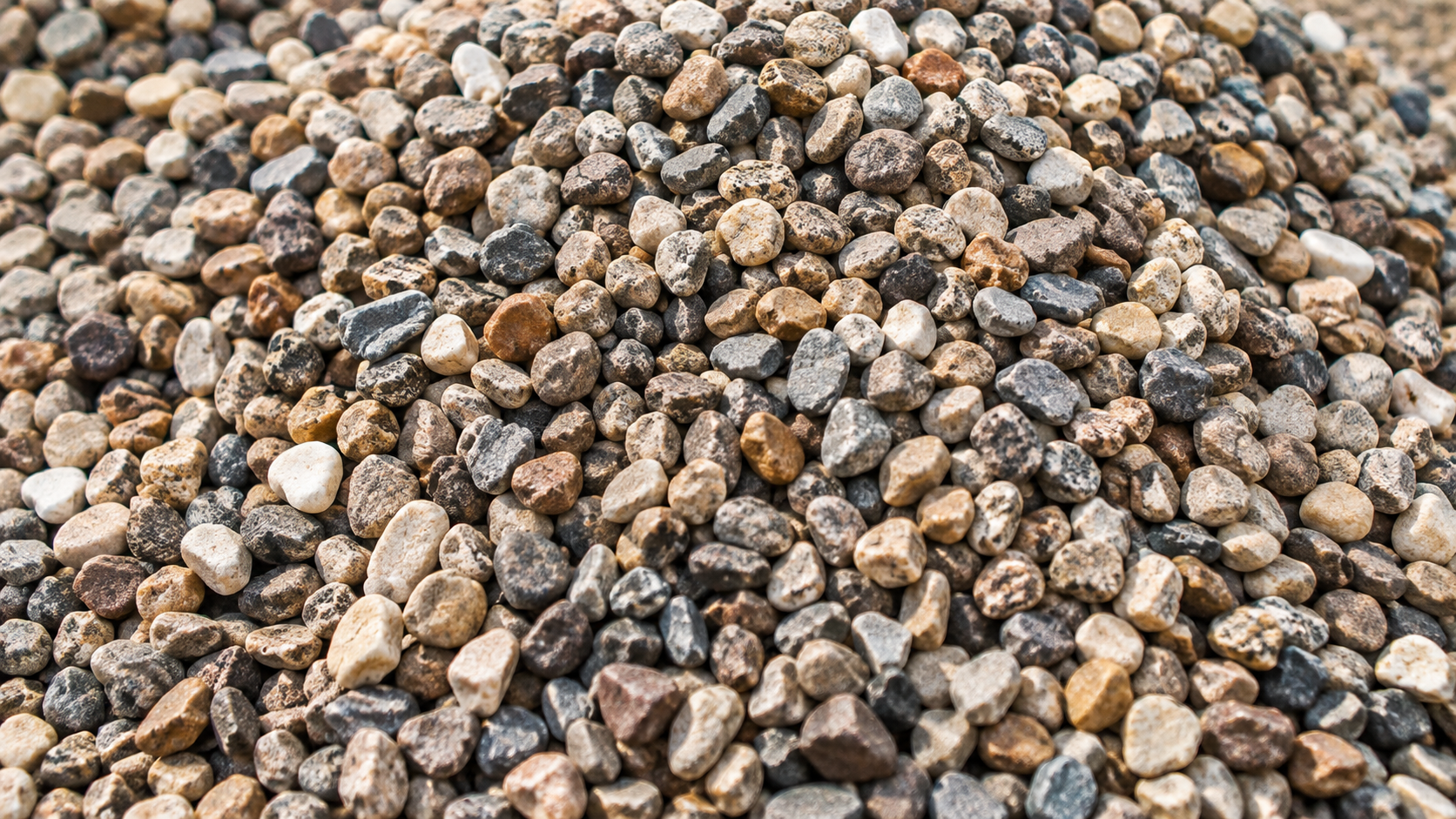
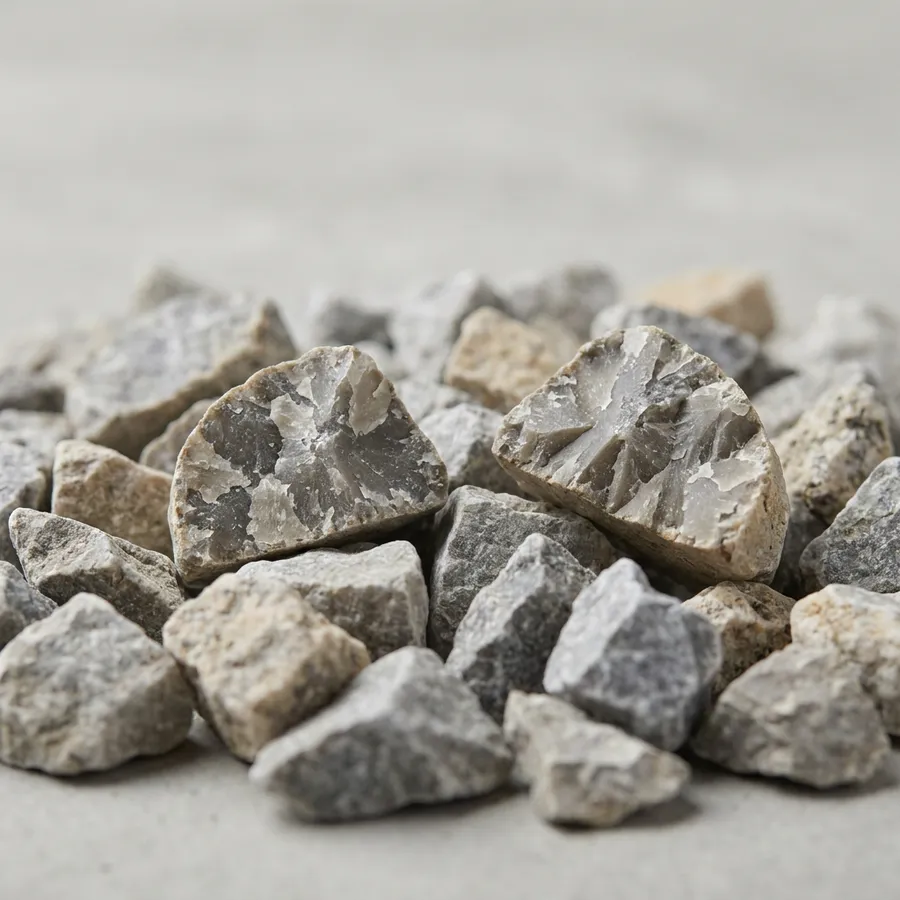
Pumice forms when gas-rich volcanic lava cools rapidly, creating a lightweight rock filled with tiny air pockets. These pockets give pumice its unique ability to both drain excess water and hold moisture when plants need it.

The porous structure prevents waterlogging that kills plant roots while storing water during dry periods. This dual action makes pumice especially valuable around sensitive plants like succulents, vegetables, and newly planted trees.

Unlike solid rocks that just sit on the surface, pumice actively improves your garden’s health. The neutral pH won’t alter soil chemistry, and the stable structure means it won’t break down or need frequent replacement like organic mulches.

close-up-pumice-stone-texture-porous-volcanic-rock-garden

Benefits of pumice landscaping rock for your garden

Pumice stone delivers multiple advantages that make it superior to traditional border materials. The lightweight nature means easier installation and lower shipping costs, while the porous structure provides ongoing benefits for your plants.

Drainage and root health: The air pockets in pumice prevent water from pooling around plant roots, reducing the risk of root rot. This is particularly important in clay soils or areas with poor natural drainage.

Moisture management: While draining excess water, pumice holds onto moisture during dry spells. This reduces your watering needs and helps plants survive drought conditions better than with solid rock borders.

Weed suppression: A 2-3 inch layer of pumice creates an effective barrier against weeds while allowing air and water to reach plant roots. Unlike fabric barriers, pumice won’t tear or degrade over time.

Pro Tip: Pumice works exceptionally well around heat-sensitive plants because its light color reflects sunlight and keeps root zones cooler than dark mulches.

Long-term value: Pumice doesn’t decompose, fade, or wash away like organic materials. Once installed, it maintains its appearance and function for years with minimal maintenance.

Design ideas for pumice stone landscaping

Pumice stone’s clean, modern appearance works beautifully in various garden styles. The light gray to white color creates striking contrast against dark foliage and complements both contemporary and traditional landscapes.

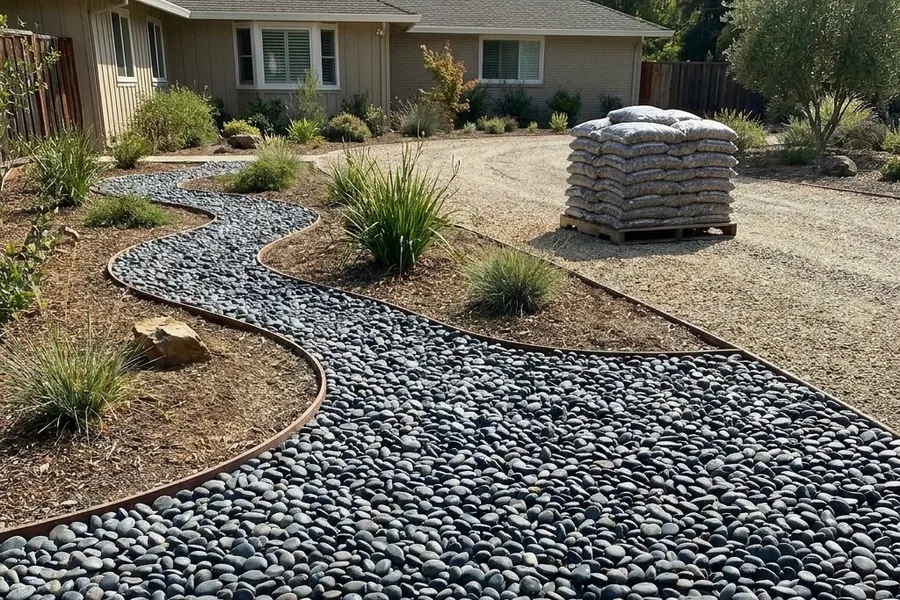
Garden borders and bed edges: Use pumice to create crisp lines around flower beds, vegetable gardens, and lawn edges. The consistent size and color provide a professional finish that defines spaces without overwhelming plantings. For those interested in other edging options, using pea gravel as edging for flower bed projects offers a complementary approach.

Pathways and stepping stones: Fill gaps between flagstones or pavers with pumice for a cohesive look. The material stays in place better than sand while providing the drainage benefits plants need. If you’re planning a complete pathway project, consider exploring pumice for walkway foundations for comprehensive guidance.

Rock gardens and zen spaces: Combine pumice with larger boulders or decorative stones to create textural interest. The light color brightens shaded areas and makes small spaces appear larger. Using volcanic rock for backyard pond edging can complement your pumice-based rock garden design.

Container and raised bed applications: Mix pumice into potting soil for improved drainage, or use it as a decorative top dressing for containers. This is especially effective for succulent gardens and bonsai displays. Learn more about using pumice for raised garden beds to maximize plant health.

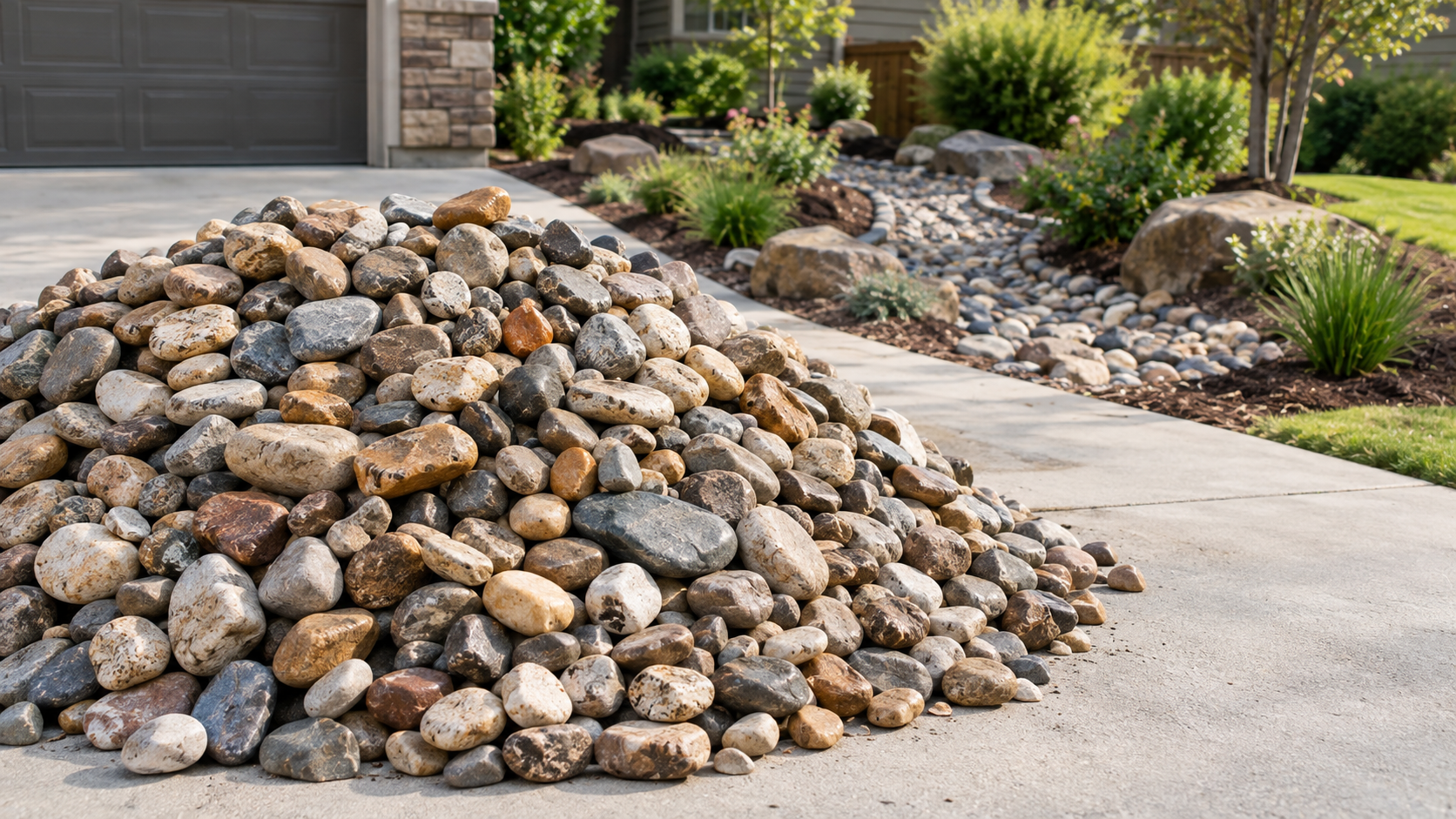
modern-garden-design-white-pumice-stone-borders-plants

How to install pumice garden borders step by step

Installing pumice borders requires minimal tools and can be completed in a weekend. Proper preparation ensures your borders look professional and last for years.

Planning and layout: Mark your border lines with spray paint or rope. Plan for borders 6-12 inches wide for visual impact, keeping them at least 3 inches from lawn edges to accommodate mower wheels.

Ground preparation: Remove grass and weeds from the marked area. Dig down 2-3 inches for decorative borders or 4-5 inches for high-traffic areas. Level the bottom and compact lightly with a hand tamper.

Optional fabric installation: Landscape fabric can help with weed control but isn’t necessary with pumice. If you choose to use it, secure with landscape pins and cut X-shaped slits around existing plants.

Adding the pumice: Pour pumice into the prepared area and spread evenly with a rake. For decorative borders, aim for 2-3 inches deep. For pathways, use 3-4 inches for better stability.

Installation Tip: Wet the pumice lightly after installation to help it settle and reduce dust. The material will naturally compact slightly over the first few weeks.

Finishing touches: Create clean edges with a spade or edging tool. Add any final plants or decorative elements, then water the area to settle everything in place.

Choosing the right pumice and calculating coverage

Pumice comes in different sizes and grades, each suited for specific applications. Understanding these options helps you select the right material and order the correct amount.

Size options: Fine pumice (1/8 to 1/4 inch) works well for container gardens and detailed work. Medium grade (1/4 to 1/2 inch) is ideal for most border applications. Larger pieces (1/2 to 1 inch) suit pathways and areas with foot traffic.

Coverage calculations: One cubic yard of pumice typically covers 100 square feet at 3 inches deep. For a border 8 inches wide and 50 feet long, you’ll need approximately 1 cubic yard of material.

Border Dimensions Depth Coverage Needed
6″ wide x 25 feet 2 inches 0.4 cubic yards
8″ wide x 50 feet 3 inches 1.0 cubic yards
12″ wide x 100 feet 3 inches 3.0 cubic yards

Quality considerations: Look for suppliers who offer clean, consistent-sized pumice without excessive dust or debris. Quality pumice should have a uniform light color and feel lightweight when handled.

Hello Gravel provides premium pumice stone in various grades, delivered directly to your project site. Our material undergoes quality screening to ensure consistency and performance in your landscape applications.

Ready to transform your garden with professional-looking pumice borders? The combination of practical benefits and lasting beauty makes pumice stone an excellent investment for any landscape project. Start with a small area to see how the material works in your specific conditions, then expand your design as you gain confidence with this versatile landscaping rock. If you’re considering pumice for other outdoor projects, explore options like pumice for fire pit areas or pumice for dog run areas to maximize the versatility of this exceptional volcanic material.

Frequently Asked Questions About Pumice Stone Landscaping

Is pumice stone good for garden borders?

Yes, pumice stone is excellent for garden borders. Its lightweight, porous structure provides superior drainage while retaining moisture for plants. The neutral color creates clean, professional-looking edges that complement both modern and traditional landscapes while improving soil health around your plants.

How long do pumice landscaping borders last?

Pumice landscaping borders can last for many years with minimal maintenance. Unlike organic mulches that decompose, pumice is a stable volcanic rock that doesn’t break down or fade. Once properly installed, pumice borders maintain their appearance and function indefinitely, requiring only occasional leveling or topping up.

What size pumice rock is best for landscaping borders?

For landscaping borders, medium-grade pumice (1/4 to 1/2 inch) works best for most applications. Larger pieces (1/2 to 1 inch) are ideal for pathways and high-traffic areas, while fine pumice (1/8 to 1/4 inch) is better suited for container gardens and detailed work around delicate plants.

Does pumice stone help prevent weeds in garden borders?

Yes, a 2-3 inch layer of pumice stone creates an effective barrier against weeds while allowing air and water to reach plant roots. Unlike fabric barriers that can tear or degrade, pumice provides long-lasting weed suppression without blocking essential drainage or soil aeration.

Author: igor