
Mulch and Sand for a Healthier Garden
Free local estimate
See delivered prices for your ZIP in 60 seconds
Tell us where the project is and we'll price this material — delivered — for your exact ZIP.
- Real delivered pricing for your ZIP — not a generic range.
- Works for any quantity — driveways, pads, drains, or full projects.
- Prefer to talk? We follow up with local availability and delivery windows.
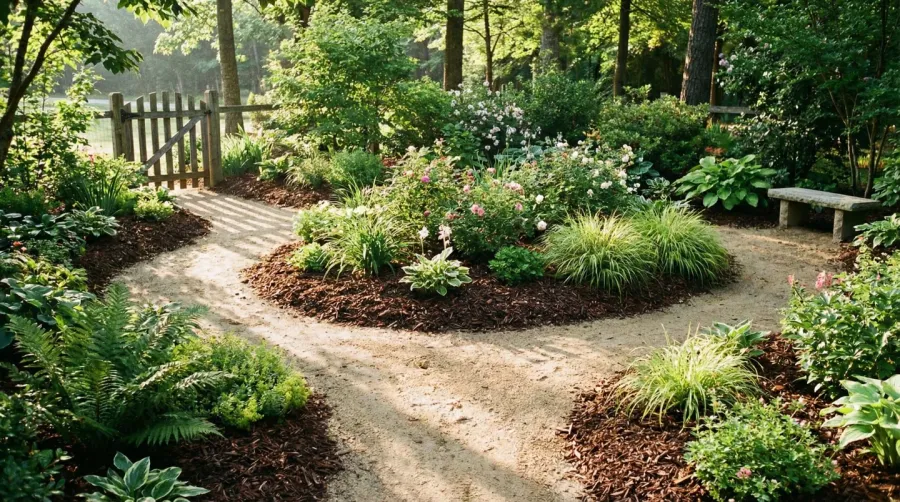
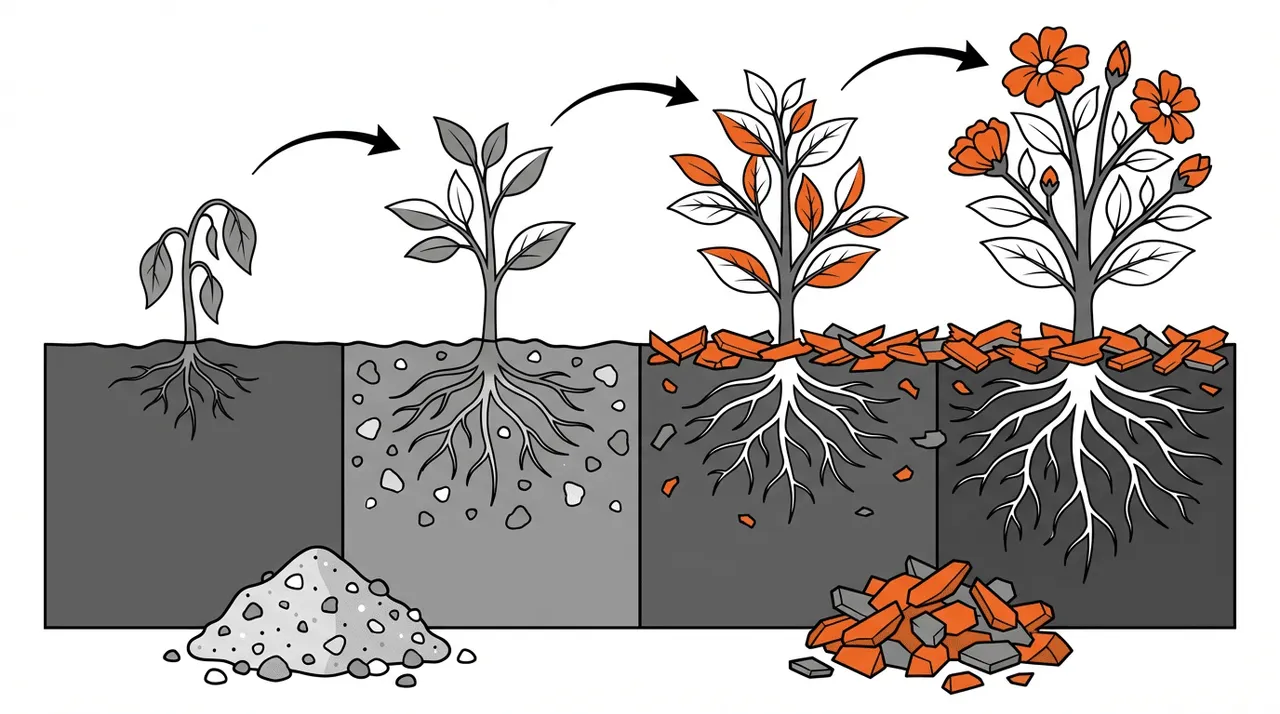
Creating a thriving garden goes beyond regular watering and pruning. The secret lies in understanding how sand and mulch work together to transform your soil into a plant paradise. These two natural materials address the most common gardening challenges: poor drainage, persistent weeds, and inconsistent moisture levels.
Quick Answer: Sand improves drainage and soil structure while mulch retains moisture and suppresses weeds. Together, they create optimal growing conditions that reduce maintenance and boost plant health.
Whether you’re dealing with clay soil that holds too much water or sandy soil that drains too quickly, the strategic combination of sand and mulch can solve these problems. You’ll discover how these materials work individually and why combining them creates the perfect balance for healthy plant growth.
About Hello Gravel
Hello Gravel delivers bulk gravel, rock, dirt, and sand by the ton. Enter your ZIP code to see prices with delivery included. A local dump-truck driver places the load where access is safe; spreading is not included.
Understanding sand’s role in garden transformation
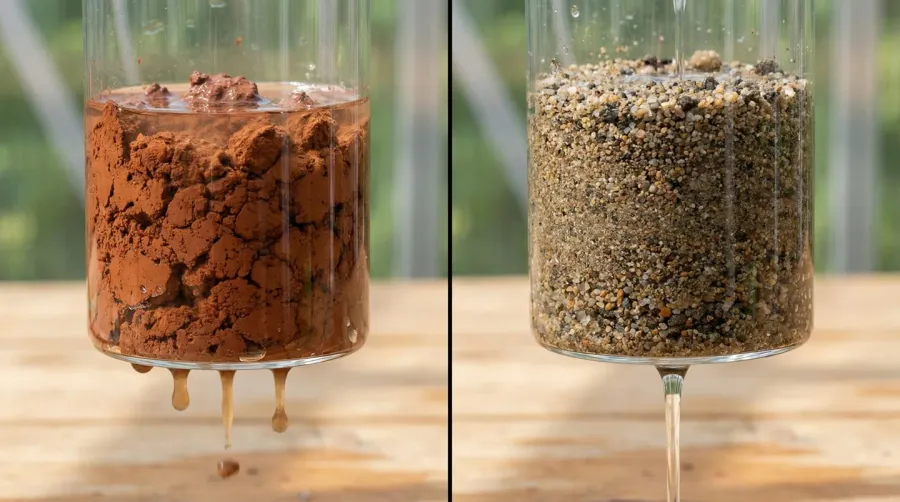
Sand transforms problematic soil by creating spaces for water and air movement. When you add coarse sand to heavy clay soil, it breaks up compacted layers and creates drainage channels that prevent waterlogging. This improved drainage helps plant roots access oxygen while preventing root rot and fungal diseases.
The key lies in choosing the right type of sand. Coarse sand with particles ranging from 1/4 to 1/8 inch works best for soil amendment. Fine sand can actually worsen drainage by creating a concrete-like mixture when combined with clay. At Hello Gravel, we offer high-quality sand options that are perfect for soil amendment projects, with delivery available nationwide as soon as the next business day.
Sand also provides long-term stability for garden structures. Its compaction properties make it ideal for creating level bases under pavers, stepping stones, and garden borders. Unlike organic materials that decompose over time, sand maintains its structural integrity, providing a permanent foundation for your landscape features. When planning decorative garden borders, understanding proper base materials is essential for long-lasting results.
How mulch creates the perfect growing environment
Mulch acts as nature’s protective blanket, regulating soil temperature and moisture levels throughout the growing season.
Different mulch types serve specific purposes in your garden. Organic options like wood chips and shredded bark break down slowly, enriching soil with nutrients while improving its structure. These materials work particularly well around trees and shrubs where long-term soil improvement is the goal.
Pro Tip: Apply mulch 2-3 inches thick around plants, but keep it 6 inches away from tree trunks to prevent pest issues and moisture buildup.
Inorganic mulches like gravel or rubber provide excellent weed suppression without adding nutrients to the soil. These work well in decorative areas or around plants that prefer lean soil conditions. The choice between organic and inorganic mulch depends on your specific garden goals and maintenance preferences. For more insights on combining these materials effectively, explore the benefits of gravel and bark for your outdoor spaces.
Combining sand and mulch for maximum benefits
The magic happens when you use sand and mulch together strategically. Sand addresses soil structure issues at the root level, while mulch protects and enhances the soil surface. This combination creates a complete growing environment that supports healthy plant development from roots to leaves.
Start by amending your soil with sand to improve drainage, then apply mulch on top to retain the right amount of moisture. This layered approach prevents the common problem of either too much or too little water reaching plant roots. The sand ensures excess water drains away quickly, while the mulch prevents the remaining moisture from evaporating too rapidly.
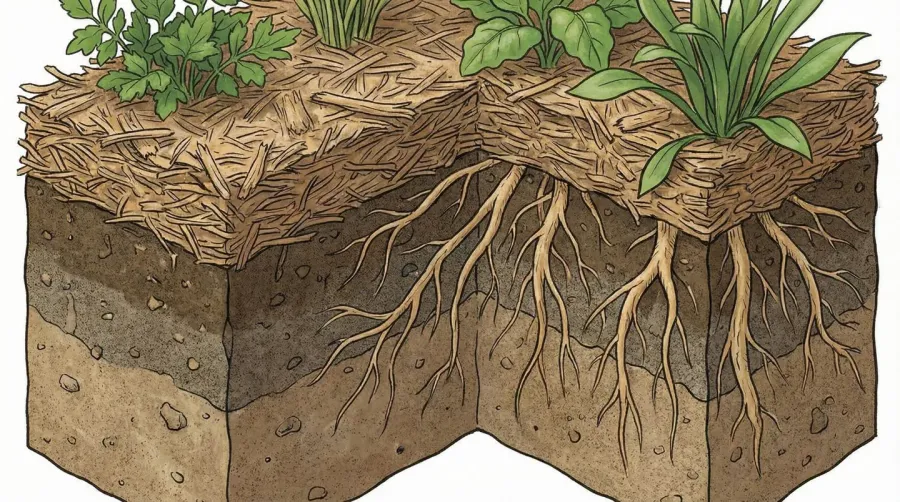
The timing of application matters significantly. Add sand to your soil during the dormant season when you can work the ground without damaging active root systems. Apply fresh mulch in early spring before weeds begin germinating, and refresh it annually to maintain its effectiveness. Whether you’re working on garden paths or other landscaping projects, proper material layering ensures optimal results.
Cost-effective and sustainable landscaping solutions
Using sand and mulch together creates long-term savings in your garden maintenance budget. The improved drainage from sand reduces the risk of plant loss from waterlogged conditions, while mulch’s weed suppression capabilities cut down on herbicide costs and manual weeding time.
| Material | Initial Cost | Annual Maintenance | Long-term Benefits |
|---|---|---|---|
| Sand Amendment | Moderate | None | Permanent drainage improvement |
| Organic Mulch | Low | Replacement needed | Soil enrichment, moisture retention |
| Combined Approach | Moderate | Minimal | Maximum plant health, reduced maintenance |
Both materials support environmental sustainability in different ways. Sand helps manage stormwater runoff by improving soil infiltration rates, reducing erosion and protecting local water sources. Organic mulches sequester carbon as they decompose and provide habitat for beneficial soil organisms that support plant health naturally. For comprehensive guidance on implementing these techniques, check out the ultimate guide to sand and gravel landscaping.
The investment in quality sand and mulch pays dividends through reduced plant replacement costs, lower water bills, and decreased need for fertilizers and pesticides. Your garden becomes more self-sustaining, requiring less intervention while producing better results. Hello Gravel’s nationwide delivery network ensures you can source quality materials wherever your project is located, with our online material calculator helping you determine exactly how much sand you need for your soil amendment project. If you’re considering professional help, understanding how to find the right construction contractor for your project can ensure quality installation.
When you combine sand and mulch thoughtfully, you create a garden ecosystem that works with nature rather than against it. The result is healthier plants, reduced maintenance, and a more beautiful outdoor space that enhances your property value while supporting environmental sustainability. Start with a small area to see the dramatic difference these materials can make, then expand the approach throughout your landscape for comprehensive improvement. For ongoing success, learn how to maintain a gravel garden to keep your outdoor spaces looking their best year-round.
FAQ
What type of sand is best for improving garden drainage?
Coarse sand with particles ranging from 1/4 to 1/8 inch works best for soil amendment. River sand and masonry sand are excellent choices because they contain angular particles that maintain soil structure over time. Avoid fine sand as it can create a concrete-like mixture when combined with clay soil, actually worsening drainage.
How thick should mulch be applied around plants?
Apply mulch 2-3 inches thick around plants for optimal benefits. However, keep it 6 inches away from tree trunks to prevent pest issues and moisture buildup. This thickness provides effective weed suppression and moisture retention while allowing proper air circulation.
Can sand and mulch be used together in the same garden area?
Yes, sand and mulch work excellently together when applied in layers. First, amend your soil with sand to improve drainage and soil structure, then apply mulch on top to retain moisture and suppress weeds. This combination creates optimal growing conditions by preventing both waterlogging and excessive moisture loss.
How often should organic mulch be replaced in the garden?
Organic mulch should be refreshed annually to maintain its effectiveness. Apply fresh mulch in early spring before weeds begin germinating. As organic materials like wood chips and shredded bark decompose, they enrich the soil with nutrients, but need replacement to continue providing weed suppression and moisture retention benefits.
Materials for this project
Get it delivered — dumped where you need it
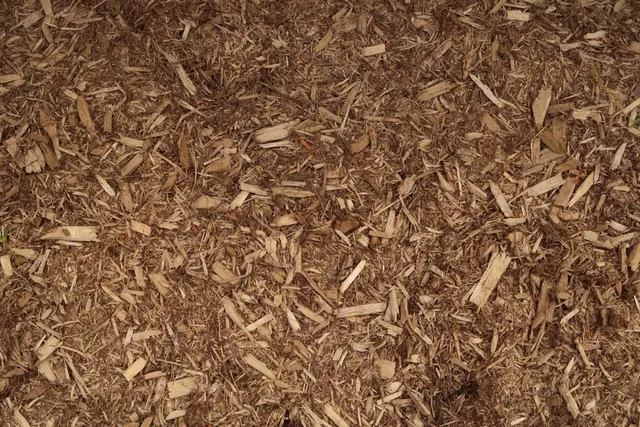
Shredded Hardwood Mulch (Brown)
Flower beds & Landscaping
See delivered price
View product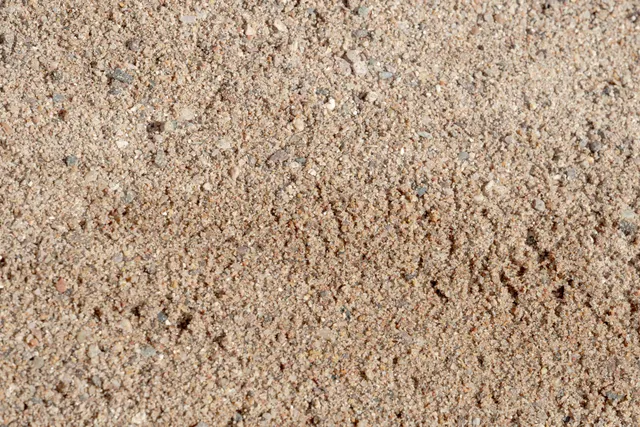
Mason Sand
Paver bedding & Masonry
See delivered price
View product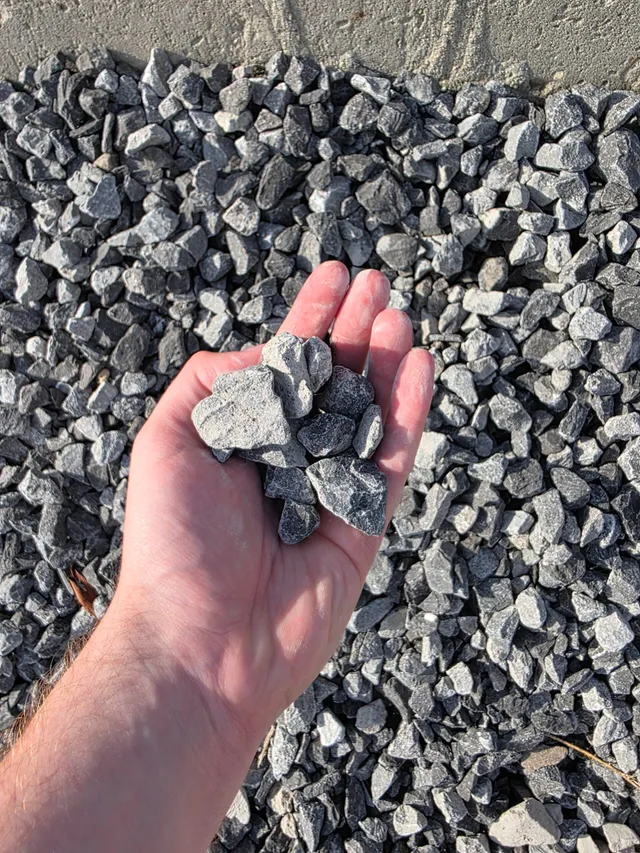
Driveway Gravel
Driveways & Parking areas
See delivered price
View product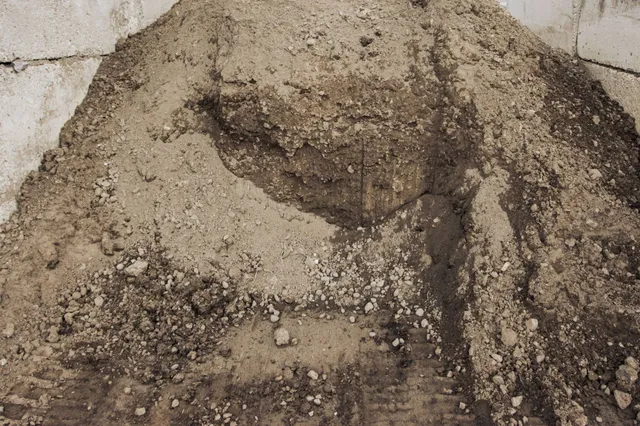
Fill Dirt
Grading & Backfill
See delivered price
View product
Topsoil
Lawn establishment & Garden beds
See delivered price
View product