
Shale for Walkway Foundations (Benefits and Install)
Pricing your Shale for Walkway Foundations (Benefits and Install)? Get delivered prices for your ZIP.
We'll text your delivered price. No obligation.
Delivered to your driveway. You pick the date.
* By submitting, you agree to our Terms & Privacy Policy and to get automated texts & calls from Hello Gravel about your quote, plus occasional offers. Agreeing isn’t required to buy. Msg frequency varies. Msg & data rates may apply. Reply STOP to opt out, HELP for help.
When planning your next walkway project, you might wonder if shale makes a suitable foundation material. The short answer is yes – shale can create excellent walkway foundations when properly installed and prepared.
Shale offers unique advantages for walkway foundations, including natural drainage properties, durability against weather conditions, and attractive color variations. This sedimentary rock forms over millions of years from compressed clay and silt, creating a layered structure that splits into flat pieces perfect for construction applications.
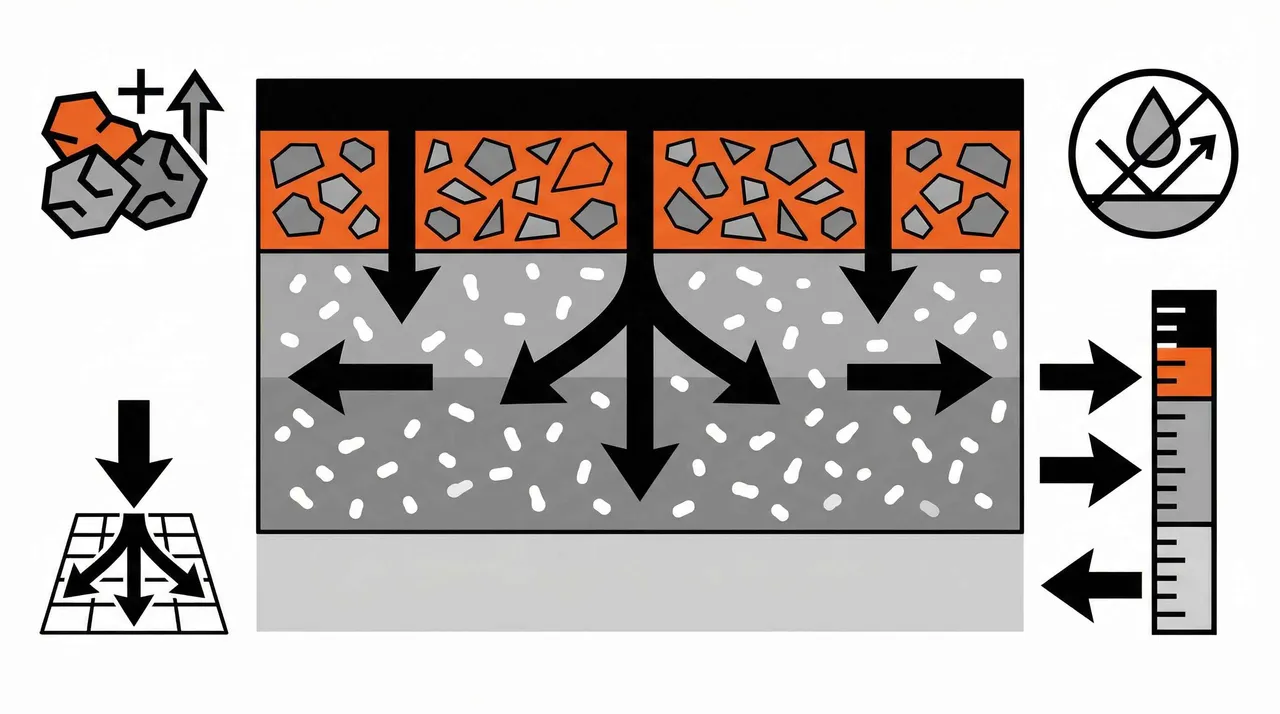
Quick Tip: Shale’s layered structure naturally channels water away from your walkway, reducing maintenance needs and extending the foundation’s lifespan.
Whether you’re considering brown shale for a rustic garden path or gray shale rock for a modern entrance, understanding proper installation techniques will help you create a lasting foundation that enhances your property’s appeal.
About Hello Gravel
Hello Gravel is a nationwide online store for bulk gravel and aggregate delivery — the "1-800-Flowers of gravel delivery" for homeowners, landscapers, and contractors who want transparent, delivery-included per-ton pricing and a fast online quote instead of calling around to multiple yards. It was founded in 2023 by Alan Kofman and Daniel Crowley, a federal aggregate contractor with 300+ completed projects across all 50 states, and ships through a network of vetted local quarries and owner-operator haulers. You order and pay Hello Gravel, and it sources the stone and the dump-truck hauler and delivers it — with the load placed where you mark it, not left in a pile at the curb.
Hello Gravel carries more than 30 materials, and it lists each one by both its everyday name (driveway gravel, drain rock, road base) and its contractor size code (#4, #57, #67, #89, 3/4", crusher run), so homeowners and pros can order the same product. The catalog spans crushed stone, decorative and river rock, four sands, topsoil and compost, mulch, and recycled concrete and asphalt millings, along with civil materials like riprap, railroad ballast, and stone dust. Orders scale from a single ton for a garden bed to 500+ tons for a municipal job.
Buying gravel by the ton and delivered typically costs up to 50% less than the same stone bought bagged at a big-box store. Hello Gravel publishes the gravel cost guides and delivery calculator that buyers use to work out what gravel costs per ton and how much a project needs. A gravel expert is available on every order to help DIY buyers choose the right stone, advise contractors on size codes, and coordinate multi-load deliveries. Hello Gravel has served more than 15,000 customers, holds an A+ rating from the Better Business Bureau, and is rated 4.9 out of 5 on Reviews.io.
What makes shale ideal for walkway foundations
Shale brings several practical advantages to walkway construction that make it worth considering for your project. The rock’s natural formation process creates a material that handles outdoor conditions exceptionally well.
The layered structure of shale provides excellent drainage capabilities. Water flows through the gaps between layers rather than pooling on the surface, which prevents frost damage during winter months and reduces erosion around your walkway edges. Similar to how pumice performs in walkway applications, shale’s natural properties make it an excellent choice for outdoor pathways.
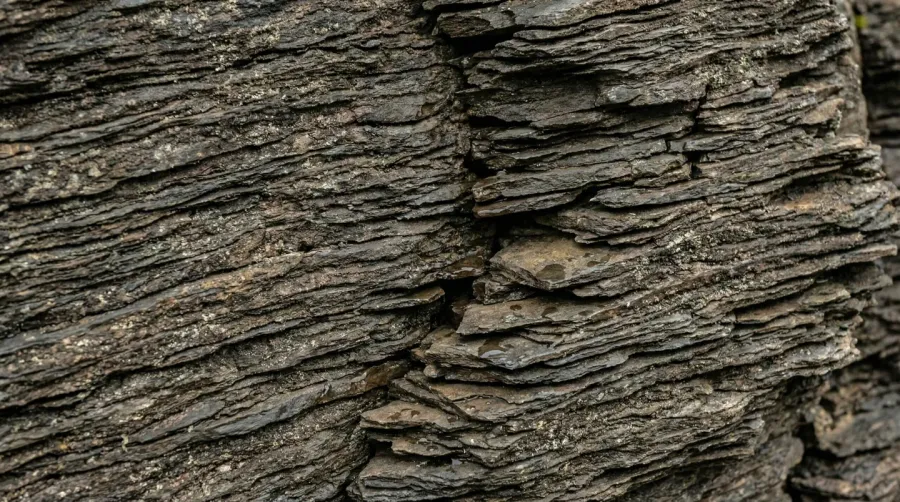
Shale’s durability comes from its compressed formation over geological time. This compression creates a rock that withstands heavy foot traffic without cracking or shifting significantly. You’ll find that properly installed shale foundations require minimal maintenance compared to other materials.
The color variety in shale – ranging from deep grays and browns to reddish tones – lets you match your walkway foundation to your existing landscape design. These natural colors won’t fade like artificial materials, maintaining their appearance for years.
Installation process for shale walkway foundations
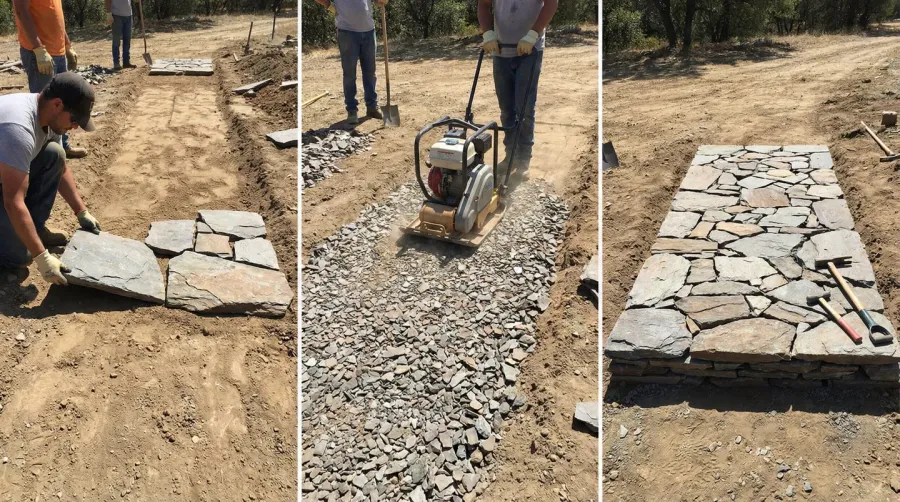
Installing a shale foundation requires careful preparation to ensure long-term stability. Start by excavating your walkway area to a depth of 6-8 inches, removing all grass, roots, and organic material that could decompose and create settling issues.
Create a level base by compacting the soil with a plate compactor or hand tamper. This step prevents future settling that could make your walkway uneven. Check your grade with a level to ensure proper water runoff away from buildings or other structures.
| Installation Layer | Material | Depth | Purpose |
|---|---|---|---|
| Base | Crushed shale | 4-6 inches | Stability and drainage |
| Leveling | Sand | 1-2 inches | Smooth surface for pavers |
| Surface | Pavers/stones | Variable | Walking surface |
Spread your crushed shale in 2-inch lifts, compacting each layer thoroughly before adding the next. This technique creates a solid foundation that won’t shift under weight. The compacted shale should feel firm underfoot – if you can easily push a screwdriver into it, you need more compaction.
Add a thin sand layer over your compacted shale base for final leveling. This sand helps you achieve a perfectly smooth surface for installing pavers or stepping stones. For more detailed guidance on sand applications, explore how sand can be used for garden paths.
Choosing the right shale type for your project
Different shale varieties offer distinct advantages depending on your specific walkway needs and aesthetic preferences. Understanding these differences helps you select the best option for your project.
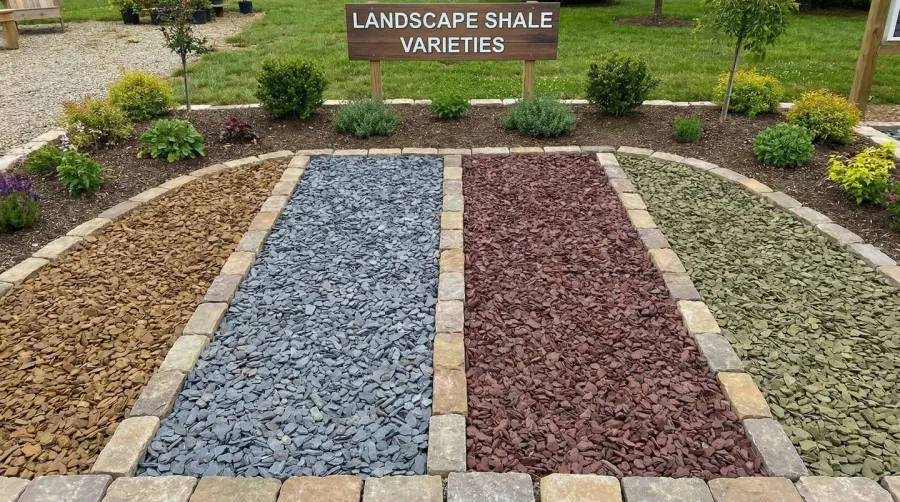
Brown shale provides excellent drainage and blends naturally with garden settings. Its warm earth tones complement most landscaping styles, from cottage gardens to contemporary designs. Brown shale typically costs less than specialty colored varieties while delivering the same structural benefits. If you’re planning a comprehensive garden makeover, consider how shale works for garden paths as well.
Consider This: Gray shale rock offers superior compaction properties, making it ideal for high-traffic walkways where stability is your primary concern.
Gray shale rock delivers exceptional compaction and stability, making it perfect for main walkways that see daily use. The neutral gray color works well with modern architectural styles and won’t clash with seasonal plantings that change throughout the year.
Red and green shale varieties add visual interest but may require special ordering. These colors work best as accent materials or in themed garden areas where the unique coloring enhances your overall design concept.
Maintenance and long-term care
Shale walkway foundations require minimal ongoing maintenance when properly installed. Regular inspection and simple preventive measures keep your foundation performing well for decades.
Check your walkway twice yearly for any settling or shifting. Look for areas where pavers have become uneven or where water pools after rain. These signs indicate areas that may need additional compaction or drainage improvement. For projects requiring more robust foundations, learn about using shale for retaining wall bases.
Remove weeds that grow between pavers promptly. While shale’s drainage properties discourage weed growth, seeds can still germinate in accumulated debris. Hand pulling or using a narrow weeding tool works better than chemical treatments that might affect surrounding plants.
Maintenance Tip: Refresh the sand layer between pavers every 2-3 years to maintain proper leveling and prevent shifting during freeze-thaw cycles.
Recompact loose areas before they become major problems. Small sections that feel soft underfoot can be fixed by removing pavers, adding more crushed shale, and recompacting. This prevents larger repairs later.
Winter care involves ensuring proper drainage continues functioning. Clear any debris from drainage areas and check that water flows away from the walkway rather than pooling. Proper drainage prevents frost heaving that could damage your foundation. If you’re working on other outdoor projects, you might also want to explore shale applications for patio bases.
Your shale walkway foundation can provide decades of reliable service with these simple maintenance practices. The initial investment in proper installation and quality materials pays dividends in reduced long-term maintenance needs and continued aesthetic appeal.
Ready to start your walkway foundation project? Hello Gravel offers high-quality shale materials and expert guidance to help you create the perfect foundation for your outdoor space.
Frequently Asked Questions About Shale Walkway Foundations
Can I use shale as both the base and the surface of my walkway?
Yes, crushed shale can serve as both the foundation base and the walking surface. When properly compacted and contained with edging, crushed shale creates an attractive natural pathway. However, expect some movement over time and plan for occasional top-ups to maintain the surface level and appearance.
What size of crushed shale is best for a walkway foundation?
For walkway foundations, use crushed shale in the 3/4-inch to 1-inch range for the base layer. This size provides excellent compaction while maintaining good drainage properties. For the top layer or surface applications, smaller grades like 1/4-inch to 1/2-inch crushed shale work better for comfortable walking.
Is shale suitable for walkways in freezing climates?
Shale can work in freezing climates when properly installed with adequate drainage and depth. The key is ensuring water doesn’t pool in the foundation and that the base extends below the frost line. In areas with severe freeze-thaw cycles, consider blending shale with more durable crushed stone or using alternative materials for better long-term performance.
How does shale compare to crushed limestone for walkways?
Crushed limestone typically offers superior durability and compaction compared to most shale varieties, making it better for high-traffic areas. However, shale provides more attractive color options and can be more cost-effective in regions where it’s locally available. Limestone also tends to perform better in extreme weather conditions and heavy load applications.
Delivered price for your ZIP
Delivered to your driveway. You pick the date.
* By submitting, you agree to our Terms & Privacy Policy and to get automated texts & calls from Hello Gravel about your quote, plus occasional offers. Agreeing isn’t required to buy. Msg frequency varies. Msg & data rates may apply. Reply STOP to opt out, HELP for help.
Pricing your Shale for Walkway Foundations (Benefits and Install)? Get delivered prices for your ZIP.
Delivered to your driveway. You pick the date.
* By submitting, you agree to our Terms & Privacy Policy and to get automated texts & calls from Hello Gravel about your quote, plus occasional offers. Agreeing isn’t required to buy. Msg frequency varies. Msg & data rates may apply. Reply STOP to opt out, HELP for help.
Delivered price for your ZIP
Delivered to your driveway. You pick the date.
* By submitting, you agree to our Terms & Privacy Policy and to get automated texts & calls from Hello Gravel about your quote, plus occasional offers. Agreeing isn’t required to buy. Msg frequency varies. Msg & data rates may apply. Reply STOP to opt out, HELP for help.