Pumice vs Gravel for Walkway Foundations – Which Base Material Works Best
Published on: December 12, 2025
Get an estimate for your project in 60 seconds

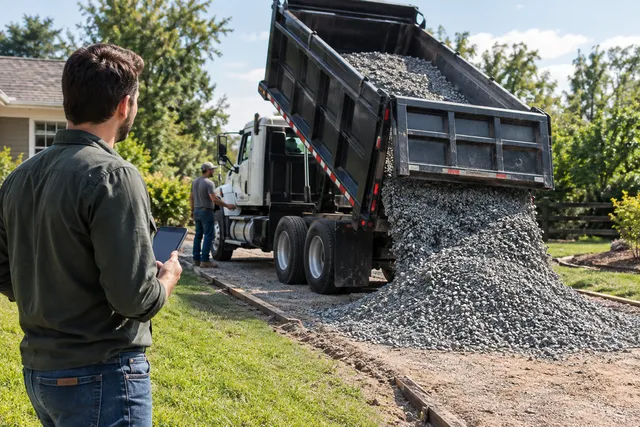
When planning a walkway project, choosing the right foundation material can make or break your results. You’re probably weighing options like traditional gravel against newer alternatives like pumice stone. The short answer is that pumice works excellently for light-duty pedestrian walkways, especially in areas with drainage challenges or soft soils, but it’s not suitable for heavy traffic or structural foundations.
Quick Fact: Pumice weighs about 40-60% less than traditional gravel, making it easier to handle and reducing load on weak subsoils, but it also has lower compressive strength than standard aggregates.
Understanding the differences between these materials will help you make the right choice for your specific project needs, soil conditions, and budget.
What makes pumice different from traditional gravel
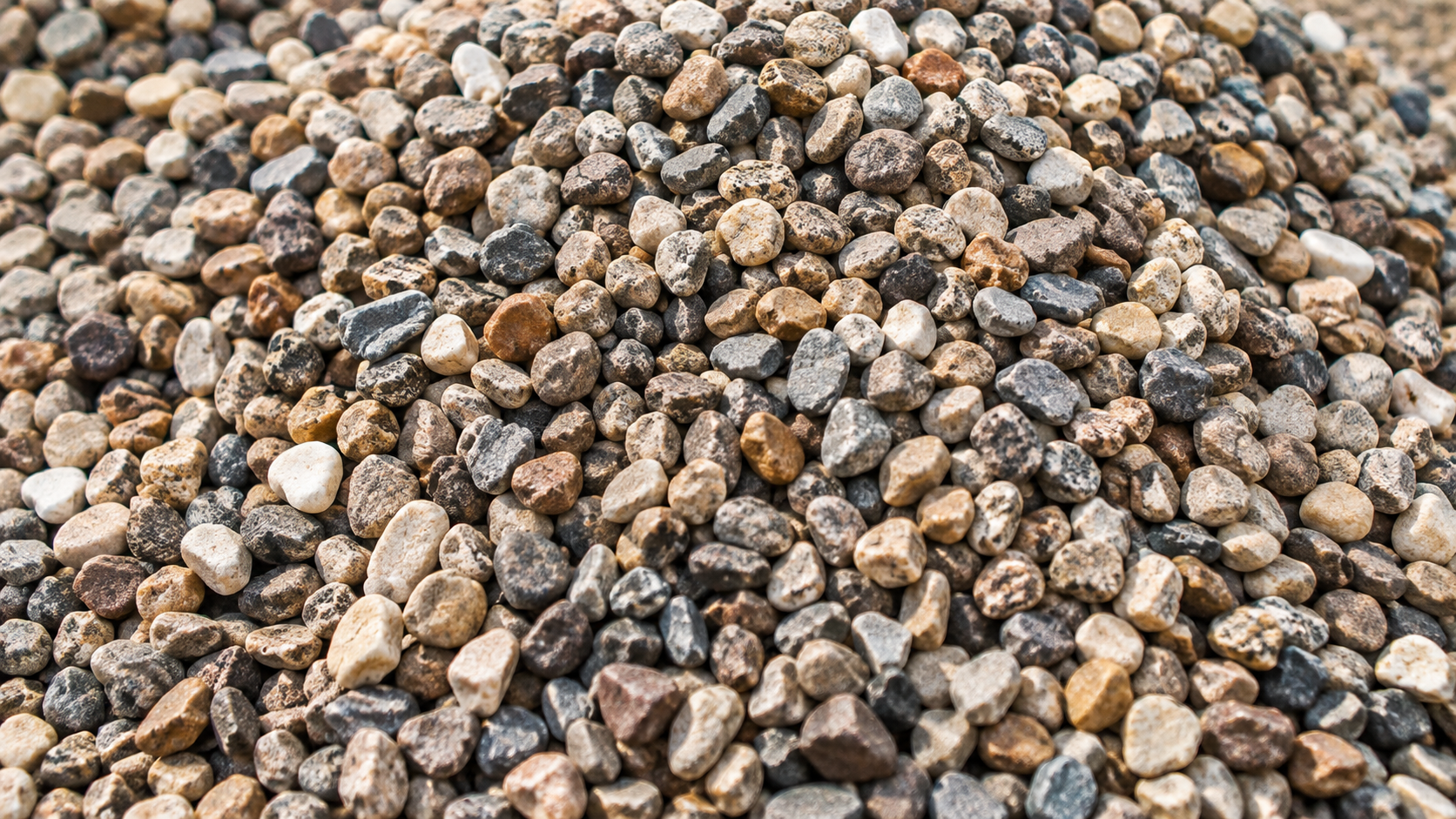
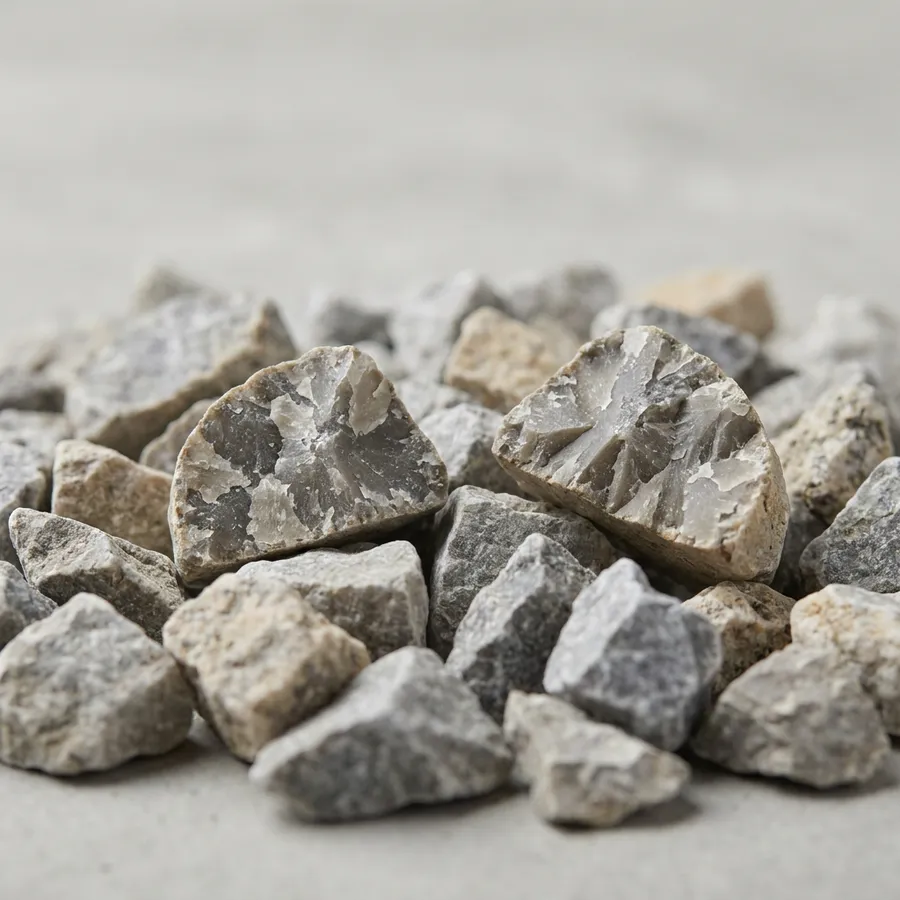
Pumice is a lightweight volcanic rock formed when gas-filled lava cools rapidly, creating a porous structure filled with tiny air pockets. This unique formation gives pumice its characteristic light weight and excellent drainage properties. When crushed for construction use, pumice becomes an aggregate that looks similar to regular gravel but feels noticeably lighter.
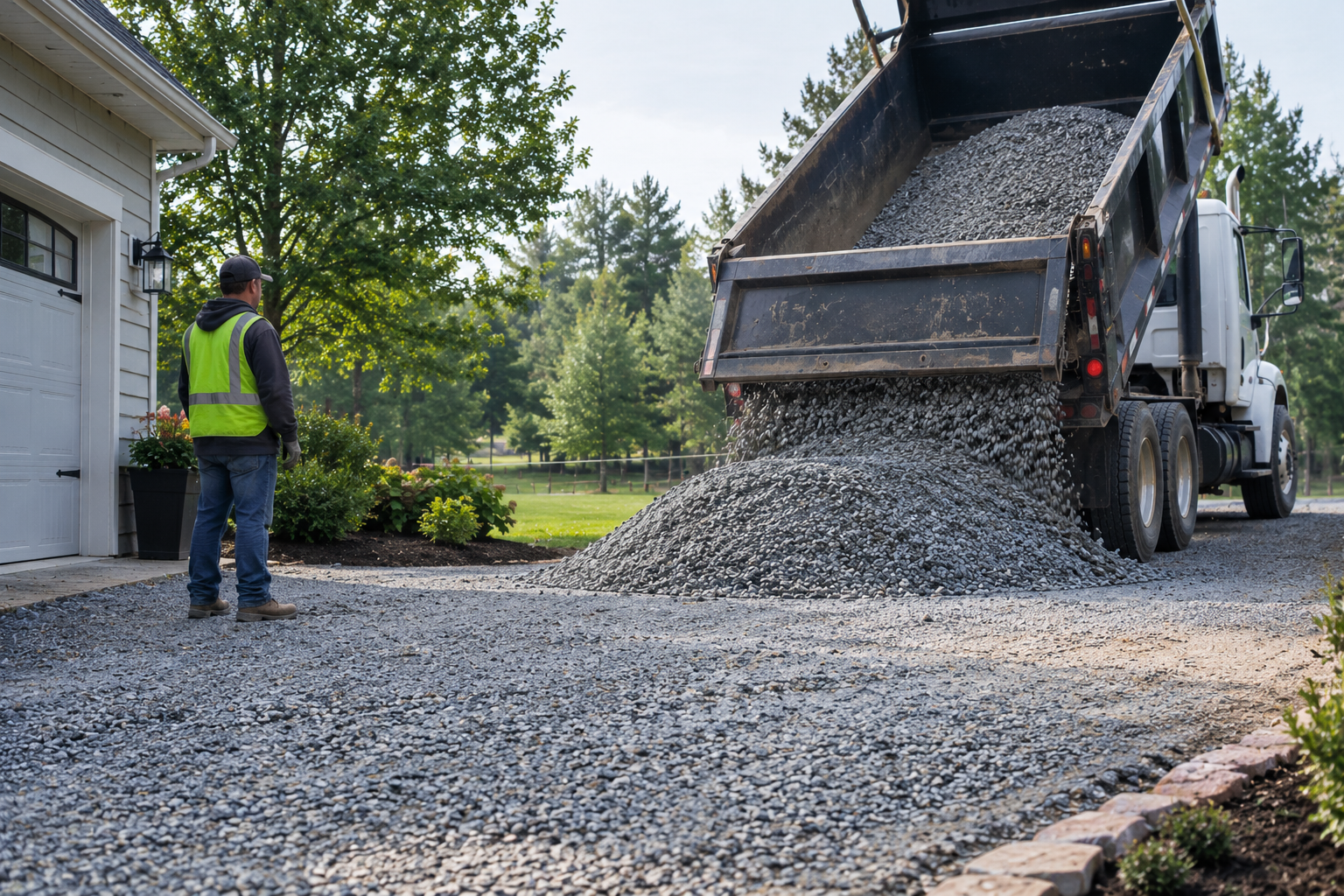
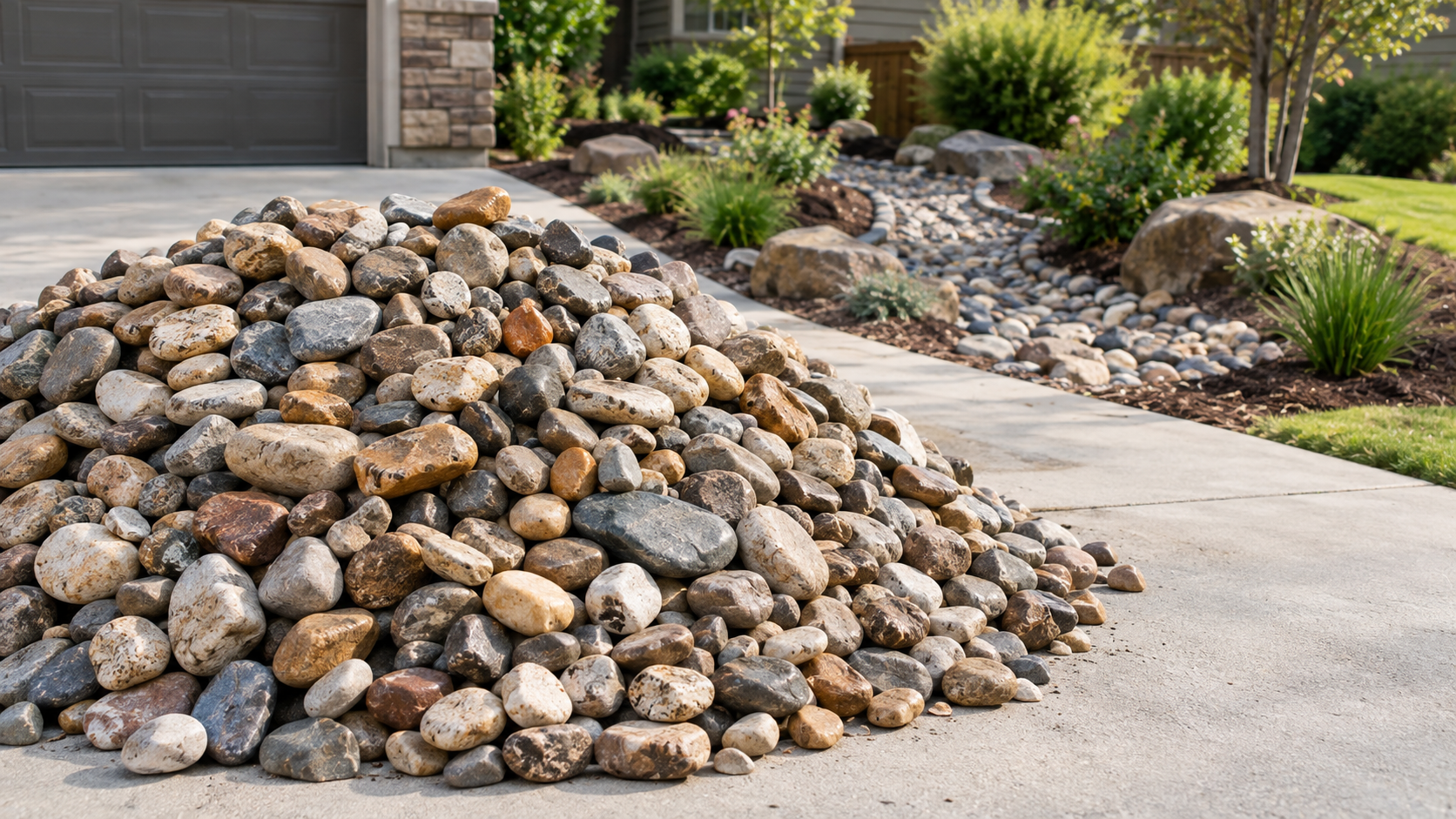
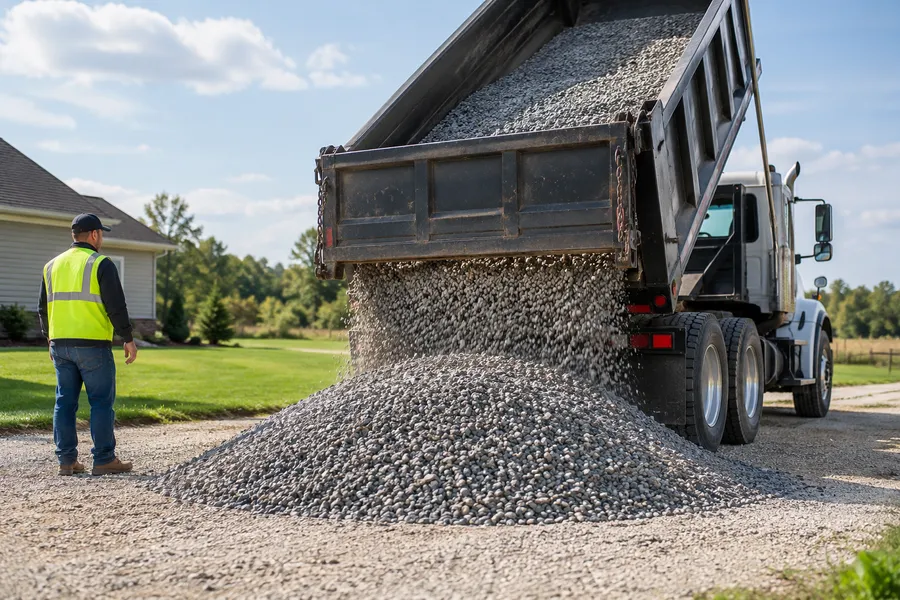
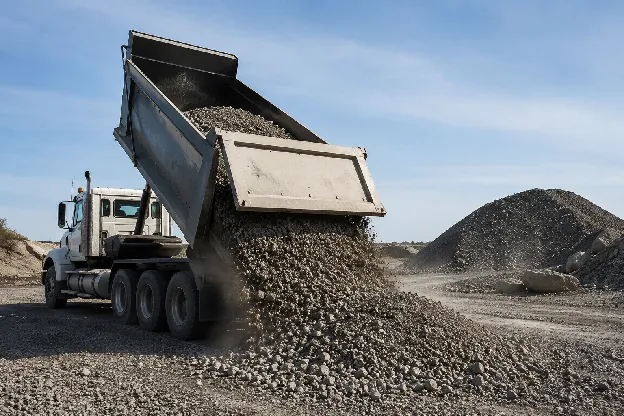
Traditional gravel, whether crushed stone or river rock, is much denser and provides higher compressive strength. The key difference lies in their internal structure – while gravel is solid throughout, pumice contains countless microscopic pores that affect both its weight and performance characteristics.
For walkway foundations, this means pumice excels in specific situations where drainage and reduced weight matter most, while gravel remains the go-to choice for applications requiring maximum strength and load-bearing capacity.

When pumice works best for walkway bases
Pumice shines in several specific scenarios that make it worth considering over traditional materials. If you’re dealing with soft or expansive soils, pumice’s lightweight nature reduces the overall load on your foundation, helping prevent settling and shifting that can crack pavers or create uneven surfaces.
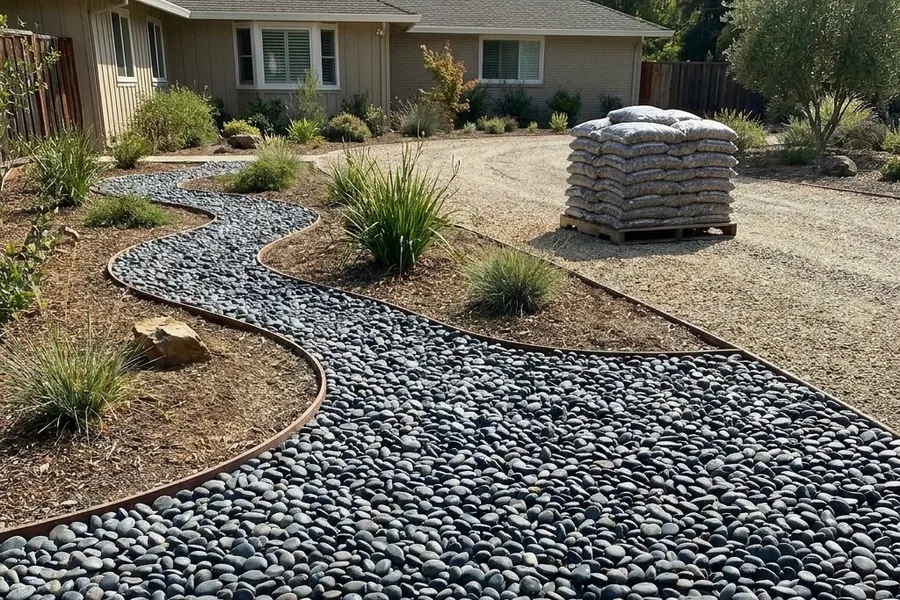
Areas with drainage challenges benefit tremendously from pumice’s porous structure. The material allows water to flow through easily, reducing pudding and frost heave risks that commonly plague walkways in wet climates. This makes pumice particularly valuable for garden paths, stepping stone walkways, and areas where traditional drainage solutions are difficult to implement.
Pro Tip: Pumice works exceptionally well for DIY projects because it’s easier to transport and spread by hand compared to heavy gravel loads.
The material also provides natural insulation properties, which can help reduce freeze-thaw cycles that damage walkway surfaces over time. For homeowners planning decorative garden paths or light-use walkways, pumice offers these benefits while remaining stable under normal foot traffic.
Understanding pumice limitations and when to choose gravel instead
While pumice offers unique advantages, it’s important to understand where it falls short. Pumice has significantly lower compressive strength than traditional gravel, making it unsuitable for driveways, heavy equipment access, or any application involving vehicle traffic.
The material’s performance also degrades when constantly saturated. Unlike well-draining conditions where pumice excels, areas with poor drainage or standing water can cause pumice to lose structural integrity over time. This makes traditional gravel the better choice for walkways in consistently wet environments or areas without proper slope for water runoff.
| Material | Weight | Drainage | Strength | Best Use |
|---|---|---|---|---|
| Pumice | Light | Excellent | Moderate | Garden paths, light traffic |
| Gravel | Heavy | Good | High | Driveways, heavy use areas |
| Blended | Medium | Very Good | Good | Versatile applications |
Structural applications like foundation footings, retaining wall bases, or any load-bearing construction should always use traditional aggregates. Pumice simply cannot provide the compressive strength required for these applications.
Installation tips and cost considerations
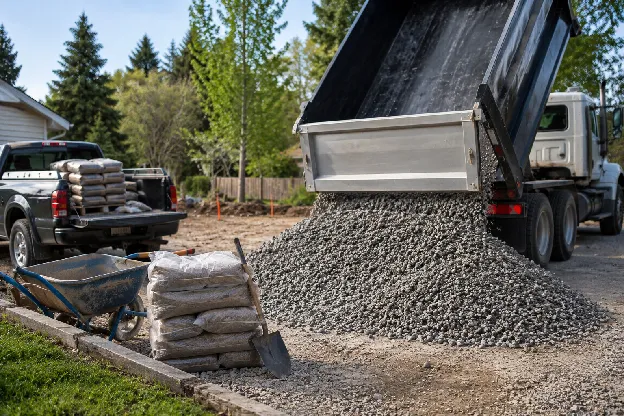
Installing a pumice walkway base follows similar principles to gravel installation but with some important adjustments. Plan for a base depth of 4-6 inches for pedestrian walkways, which is slightly thicker than you might use with heavier aggregates due to pumice’s lower density.
Compaction requires a gentler approach since pumice particles can crush under excessive pressure. Use a plate compactor on lower settings or hand tamping for smaller projects. The goal is to achieve stability without destroying the beneficial porous structure that makes pumice valuable.
Cost Reality: Pumice typically costs 20-30% more per ton than standard gravel, but you’ll need less material by weight and save on transportation costs for DIY projects.

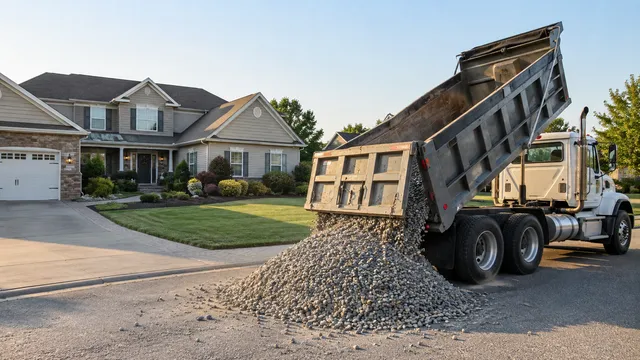
Cost-wise, pumice’s higher per-ton price is often offset by reduced transportation costs and easier handling. For projects where you’re paying for delivery, the weight savings can be significant. However, availability varies by region, with areas closer to volcanic sources having better access and pricing.
Consider blending pumice with traditional aggregates if you need a middle-ground solution. A 50-50 mix can provide better strength than pure pumice while maintaining improved drainage and reduced weight compared to standard gravel for parking areas.
Choosing between pumice and gravel for your walkway foundation ultimately depends on your specific project requirements, soil conditions, and intended use. Pumice excels for light-duty applications where drainage and ease of installation matter most, while traditional gravel remains the reliable choice for strength and versatility. If you’re also considering other lightweight volcanic materials, you might want to explore using volcanic rock for patio base projects as an alternative option. At Hello Gravel, we can help you evaluate your specific situation and recommend the right aggregate mix for your project’s success.
FAQ
Is pumice strong enough to support pavers and walkway traffic?
How does pumice compare to gravel for walkway drainage?
Will pumice break down or shift over time in my walkway?
Can I mix pumice with other aggregates for better performance?
Author: igor