
Can You Use Lava Rock for a Patio Base
Pricing your Can You Use Lava Rock for a Patio Base? Get delivered prices for your ZIP.
We'll text your delivered price. No obligation.
Delivered to your driveway. You pick the date.
* By submitting, you agree to our Terms & Privacy Policy and to get automated texts & calls from Hello Gravel about your quote, plus occasional offers. Agreeing isn’t required to buy. Msg frequency varies. Msg & data rates may apply. Reply STOP to opt out, HELP for help.
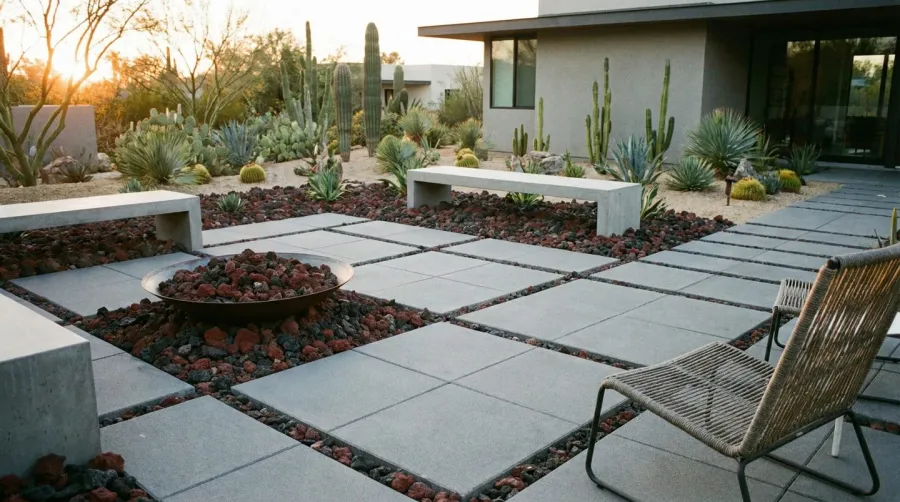
You can use lava rock as part of a patio base system, but it rarely works well as the only base material. Lava rock excels at drainage and adds visual appeal, but its porous nature prevents proper compaction, making it unsuitable as a standalone structural foundation for most patios.
The key is understanding where lava rock fits best in your patio construction. While it won’t replace traditional compacted base materials like crushed stone, it can serve as an excellent drainage layer or decorative element when used correctly. This guide will help you decide if lava rock makes sense for your specific project and show you how to use it effectively.
Quick tip: If drainage is your main concern, consider using lava rock as a supplementary layer above a compacted crushed stone base rather than as your primary foundation material.
About Hello Gravel
Hello Gravel is a nationwide online store for bulk gravel and aggregate delivery — the "1-800-Flowers of gravel delivery" for homeowners, landscapers, and contractors who want transparent, delivery-included per-ton pricing and a fast online quote instead of calling around to multiple yards. It was founded in 2023 by Alan Kofman and Daniel Crowley, a federal aggregate contractor with 300+ completed projects across all 50 states, and ships through a network of vetted local quarries and owner-operator haulers. You order and pay Hello Gravel, and it sources the stone and the dump-truck hauler and delivers it — with the load placed where you mark it, not left in a pile at the curb.
Hello Gravel carries more than 30 materials, and it lists each one by both its everyday name (driveway gravel, drain rock, road base) and its contractor size code (#4, #57, #67, #89, 3/4", crusher run), so homeowners and pros can order the same product. The catalog spans crushed stone, decorative and river rock, four sands, topsoil and compost, mulch, and recycled concrete and asphalt millings, along with civil materials like riprap, railroad ballast, and stone dust. Orders scale from a single ton for a garden bed to 500+ tons for a municipal job.
Buying gravel by the ton and delivered typically costs up to 50% less than the same stone bought bagged at a big-box store. Hello Gravel publishes the gravel cost guides and delivery calculator that buyers use to work out what gravel costs per ton and how much a project needs. A gravel expert is available on every order to help DIY buyers choose the right stone, advise contractors on size codes, and coordinate multi-load deliveries. Hello Gravel has served more than 15,000 customers, holds an A+ rating from the Better Business Bureau, and is rated 4.9 out of 5 on Reviews.io.
What makes lava rock different from traditional base materials
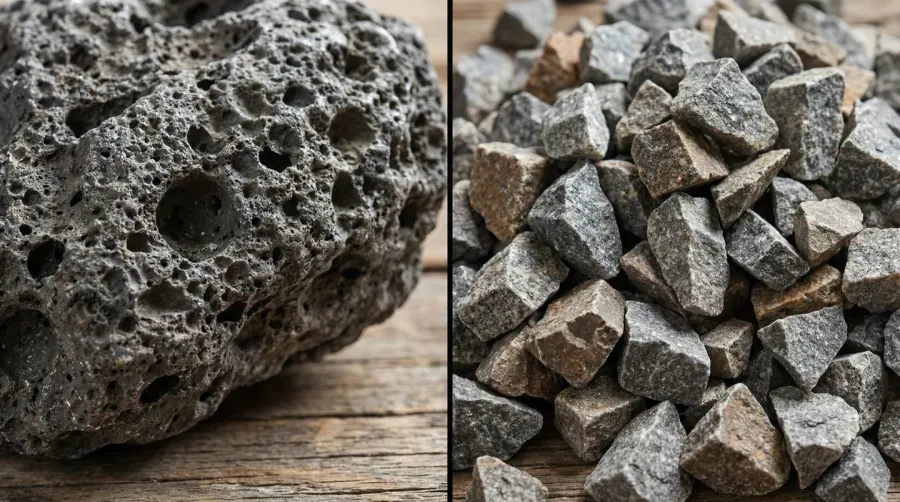
Lava rock forms when molten lava cools and solidifies, creating a lightweight, porous material that comes in striking red and black colors. The most common types for landscaping include basalt, pumice, and scoria, each with distinct characteristics that affect their performance under patios.
The porous structure that makes lava rock excellent for drainage also creates its biggest limitation as a base material. Those air pockets prevent the tight compaction you need for a stable patio foundation. Traditional base materials like crushed stone have angular edges that lock together when compacted, creating a solid platform that won’t shift under weight.
Lava rock also retains heat more than lighter-colored materials. Dark volcanic rock can absorb and radiate heat throughout the day, potentially making your patio surface warmer than you’d prefer in hot climates. This thermal property works well for fire pit areas but might be uncomfortable for barefoot walking or outdoor dining spaces.
The real pros and cons of using lava rock under patios
Let’s be honest about what lava rock does well and where it falls short as a patio base material. Understanding these trade-offs helps you make the right choice for your specific situation.
Advantages that make lava rock appealing:
Lava rock provides exceptional drainage, which can be crucial if you’re dealing with clay soil or areas prone to water pooling. Its porous structure allows water to flow through quickly, reducing the risk of frost damage in cold climates. The material also doesn’t decompose like organic mulches, giving you a long-lasting solution that won’t need frequent replacement.
From an aesthetic standpoint, lava rock offers unique color options that complement modern and desert-style landscapes. Red volcanic rock creates warm, earthy tones, while black lava rock provides sleek contrast against lighter pavers or concrete.
Disadvantages you need to consider:
The same porosity that aids drainage creates stability problems. Lava rock doesn’t compact into a firm, level surface, which can lead to uneven pavers and potential tripping hazards over time. The irregular shapes and air pockets also provide perfect hiding spots for weed seeds and debris, potentially creating more maintenance headaches than traditional base materials.
Important consideration: Walking directly on lava rock can be uncomfortable due to its rough, irregular texture. Plan accordingly if you’re considering it for walkways or areas where people might step off the main patio surface.
The cost factor varies significantly by location. While some sources claim lava rock is budget-friendly, it often costs more than standard gravel or crushed stone in many markets, especially when you factor in the additional base materials you’ll likely need.
How to properly use lava rock in patio construction
If you decide lava rock fits your project, the key is using it as part of a layered system rather than your sole base material. This approach gives you the drainage benefits while maintaining structural integrity.
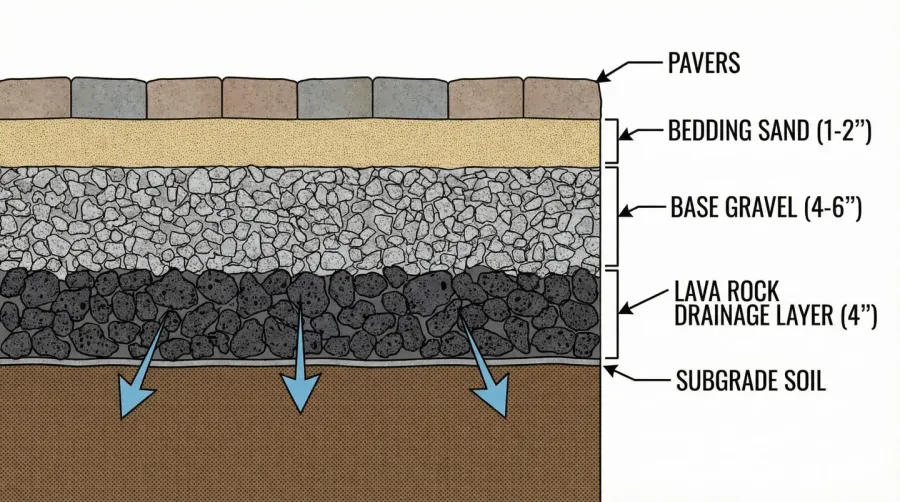
Start with proper excavation, removing soil to accommodate your full base system. For most patios, you’ll want 6-8 inches of total base depth. Begin with 4-6 inches of compacted crushed stone or gravel as your structural foundation. This layer provides the stability and load-bearing capacity your patio needs.
Add your lava rock layer next, typically 1-2 inches thick. This serves as your drainage layer, allowing water to move freely while the compacted base below handles structural support. Top everything with a thin layer of bedding sand before installing your pavers or stones.
Essential installation steps:
Always install landscape fabric between your soil and base layers to prevent weeds from growing up through the system. Compact each layer thoroughly using a plate compactor, though remember that lava rock won’t compact as tightly as traditional materials. Focus on creating an even surface rather than maximum compaction for the lava rock layer.
Pay special attention to edge restraints when using lava rock. The loose nature of the material means your patio edges need solid support to prevent spreading and maintain clean lines over time.
When to choose different base materials instead
Lava rock isn’t the right choice for every patio project. Certain soil conditions, climate factors, and usage requirements make traditional base materials a smarter option.
Skip lava rock if you’re building on soft or unstable soil that needs maximum compaction for support. Clay soils that expand and contract with moisture changes also benefit more from well-compacted angular stone that can resist movement. In freeze-thaw climates, the superior compaction of crushed stone provides better protection against frost heaving.
For high-traffic patios or areas supporting heavy furniture like outdoor kitchens, stick with proven base materials like crushed limestone or granite. These provide the solid foundation needed for long-term stability without settling or shifting.
Better alternatives for most situations:
Crushed stone remains the gold standard for patio bases due to its excellent compaction and stability. Decomposed granite offers good compaction with a more natural appearance, while pea gravel provides decent drainage at a lower cost than lava rock in most markets.
Consider your maintenance preferences too. Traditional base materials typically require less ongoing care than lava rock systems, which may need periodic weed control and releveling as the material settles over time.
Getting the right materials for your patio base project doesn’t have to be complicated. Hello Gravel offers a complete range of base materials, from traditional crushed stone to specialty volcanic rock products, all delivered directly to your project site. Whether you’re building a small garden patio or a large entertainment area, you can get a custom quote that includes exactly what you need for your specific soil conditions and design goals.
FAQ
Can lava rock be used as the only base material for a patio?
Lava rock should not be used as the only base material for most patios. While it provides excellent drainage, its porous structure prevents proper compaction, which can lead to uneven pavers and instability over time. It works best as a drainage layer above a compacted crushed stone base or as a decorative element around the patio edges.
How deep should a lava rock patio base be?
For most patios, you’ll want 6-8 inches of total base depth. This typically includes 4-6 inches of compacted crushed stone as your structural foundation, followed by 1-2 inches of lava rock as a drainage layer, and topped with bedding sand before installing pavers. Softer soils or colder climates may require additional depth for stability.
Is lava rock comfortable to walk on barefoot?
No, lava rock is generally not comfortable for barefoot walking due to its rough, irregular texture and sharp edges. It’s better suited for decorative borders, drainage layers beneath pavers, or areas between stepping stones rather than as a primary walking surface. For comfort, use smooth pavers or concrete as your main patio surface.
Does lava rock prevent weeds better than other base materials?
Lava rock doesn’t inherently prevent weeds better than other materials. In fact, its porous structure and air gaps can provide ideal spots for weed seeds and debris to collect. To prevent weed growth, always install landscape fabric between your soil and lava rock layers, and maintain proper drainage to avoid soil buildup over time.
Delivered price for your ZIP
Delivered to your driveway. You pick the date.
* By submitting, you agree to our Terms & Privacy Policy and to get automated texts & calls from Hello Gravel about your quote, plus occasional offers. Agreeing isn’t required to buy. Msg frequency varies. Msg & data rates may apply. Reply STOP to opt out, HELP for help.
Pricing your Can You Use Lava Rock for a Patio Base? Get delivered prices for your ZIP.
Delivered to your driveway. You pick the date.
* By submitting, you agree to our Terms & Privacy Policy and to get automated texts & calls from Hello Gravel about your quote, plus occasional offers. Agreeing isn’t required to buy. Msg frequency varies. Msg & data rates may apply. Reply STOP to opt out, HELP for help.
Delivered price for your ZIP
Delivered to your driveway. You pick the date.
* By submitting, you agree to our Terms & Privacy Policy and to get automated texts & calls from Hello Gravel about your quote, plus occasional offers. Agreeing isn’t required to buy. Msg frequency varies. Msg & data rates may apply. Reply STOP to opt out, HELP for help.