Granite Shed Foundations: When, Why, and How to Use Crushed Granite for Your Shed Base
Published on: December 12, 2025
Get an estimate for your project in 60 seconds

Yes, granite can absolutely be used for a shed foundation, and in many cases, it’s one of the best options for typical storage sheds. Crushed granite creates a stable, well-draining base that prevents moisture problems, costs less than concrete, and installs much faster.
A proper shed foundation prevents your investment from sinking, shifting, or developing moisture-related damage like wood rot. Granite foundations excel because they naturally drain water away from your shed while providing excellent load distribution across the ground.
Key insight: Granite foundations typically cost 40-60% less than concrete slabs and can be installed in a single weekend, making them the preferred choice for most homeowners building standard storage sheds.
Here’s what makes granite foundations particularly effective: excellent drainage prevents water pooling, the material compacts into a rock-solid base, installation requires basic tools most homeowners already own, and the foundation remains flexible enough to handle minor ground movement without cracking.
Can you use granite for a shed foundation
Absolutely. Crushed granite is essentially a premium type of gravel that works exceptionally well for shed foundations. The angular particles lock together when compacted, creating a stable platform that distributes weight evenly.
Unlike solid granite slabs, crushed granite allows water to drain through while maintaining structural integrity. This drainage capability makes it superior to concrete for most shed applications, where moisture control is critical for preventing floor rot and structural damage.
The key is understanding that “granite” in foundation contexts refers to crushed granite aggregate, not solid stone blocks. This crushed material ranges from fine particles to larger stones that compact together into a dense, stable base.
Granite vs other shed foundation options

What is a granite gravel shed base
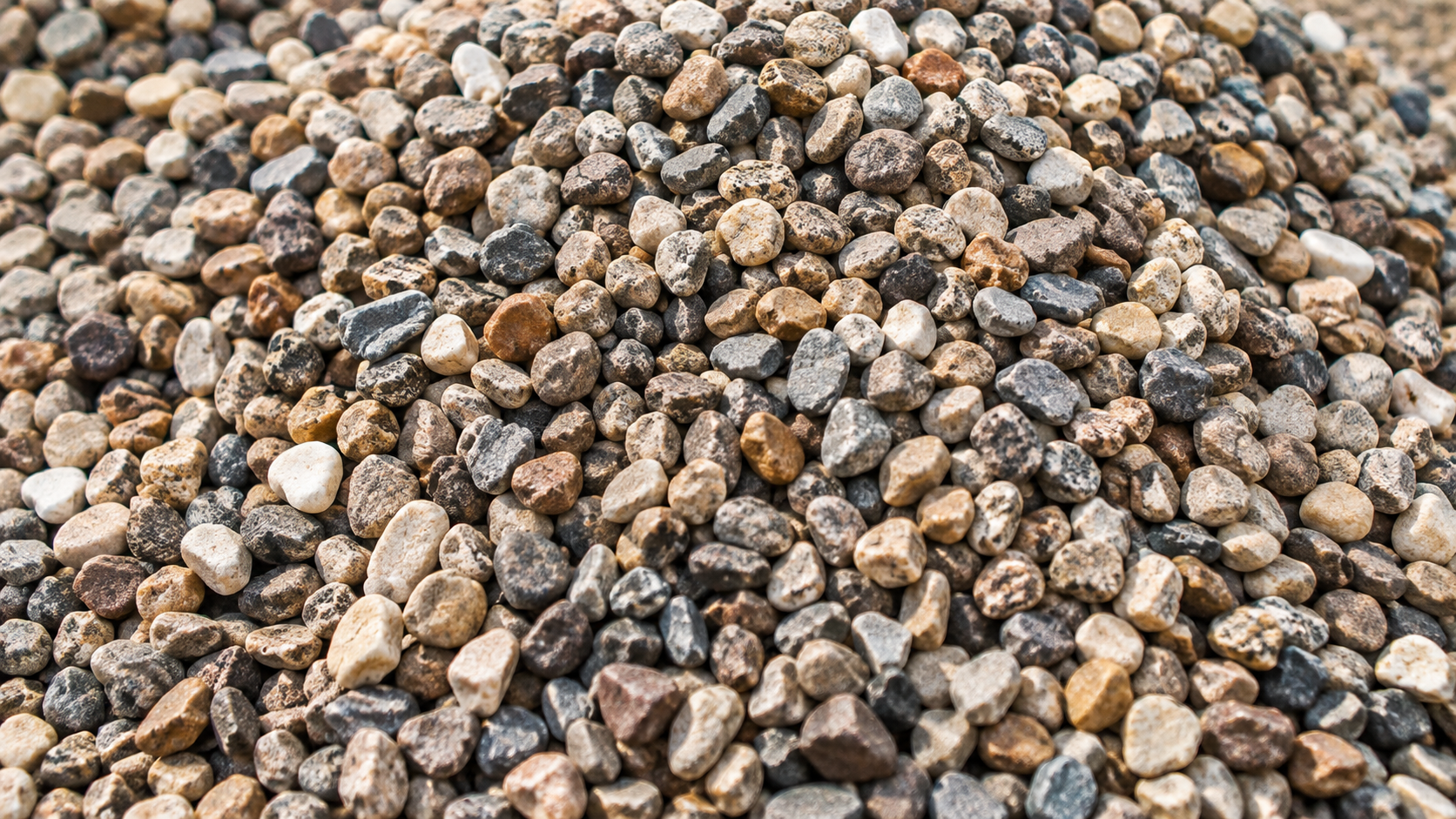
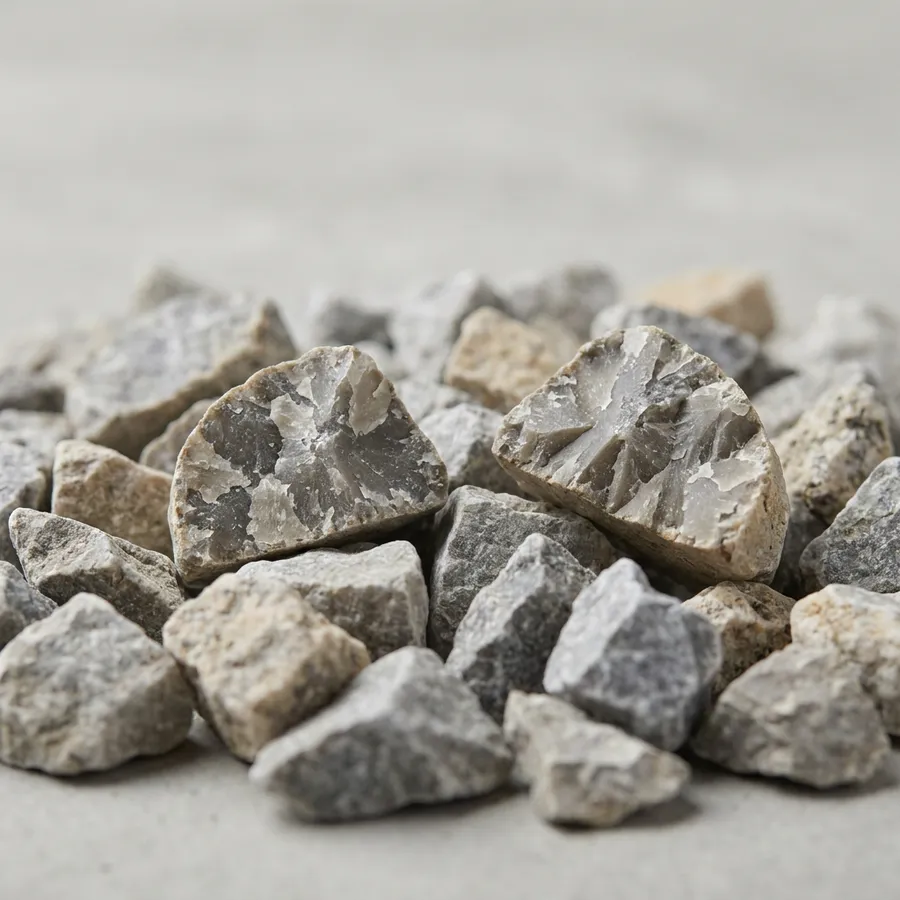
A granite gravel base consists of crushed granite particles ranging from fine dust to stones about 3/4 inch in diameter. When properly installed and compacted, these particles interlock to form a solid foundation that’s actually more stable than many concrete installations.
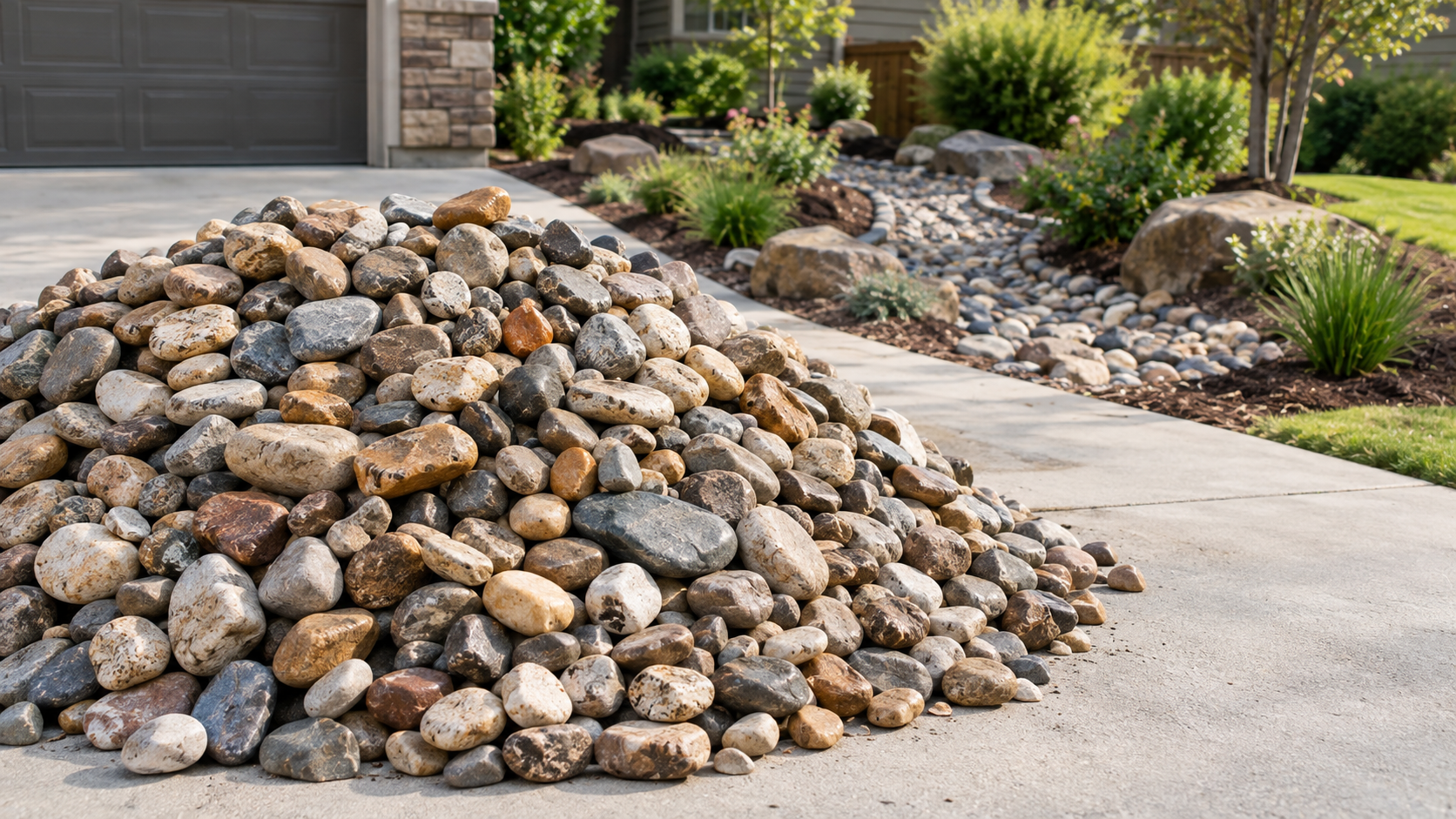
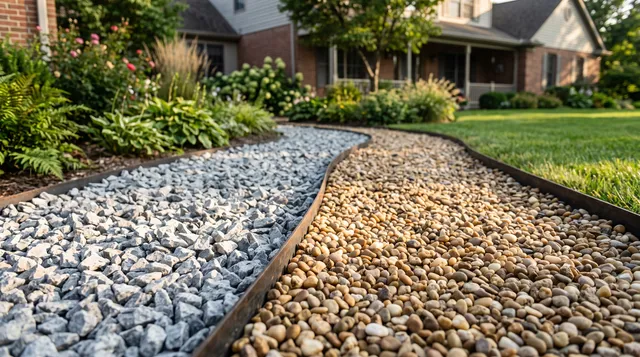
The angular shape of crushed granite particles is crucial. Unlike rounded river rock or pea gravel for shed foundations, angular granite pieces grab onto each other when compacted, preventing shifting and settling over time.
Granite vs concrete shed foundations
Concrete foundations cost significantly more and require professional installation for best results. While concrete handles heavy loads better, most storage sheds don’t need that level of support. Granite foundations also allow easier shed relocation if needed.
Concrete can crack from ground movement or freeze-thaw cycles, requiring expensive repairs. Granite foundations simply settle slightly and can be easily re-leveled by adding more material and re-compacting.
The drainage advantage of granite cannot be overstated. Concrete creates a moisture barrier that can trap water around your shed’s perimeter, while granite allows water to drain through naturally.
Granite vs pavers and skids
Pavers look attractive but cost more than granite and require precise leveling. They can also shift individually over time, creating an uneven surface. Skids work for temporary installations but don’t provide the stability needed for permanent sheds.
Granite offers the best balance of cost, performance, and longevity for most shed applications.
Benefits of a granite gravel shed foundation
Drainage and moisture control
Granite foundations excel at moving water away from your shed. The spaces between compacted particles allow water to drain through rather than pooling on the surface. This prevents the moisture problems that destroy wooden shed floors and cause metal sheds to rust from the bottom up.
Proper drainage also prevents frost heaving in cold climates, where trapped water can freeze and lift your entire shed. If you’re looking for similar drainage solutions for other outdoor projects, consider using gravel for greenhouse foundations.
Cost and installation speed
A granite foundation typically costs $3-5 per square foot for materials, compared to $8-12 per square foot for concrete. Installation takes 1-2 days for most DIY projects, while concrete requires forms, mixing, pouring, and several days of curing time.
You can install a granite foundation with basic tools: a shovel, rake, tamper, and level. No special equipment or professional skills required.
Pro tip: Order 10% more granite than calculated to account for compaction and future maintenance. The extra material costs little but saves time and delivery fees later.
Flexibility on sloped or moving soil
Granite foundations handle ground movement much better than rigid concrete. If your soil shifts seasonally or you’re building on a slight slope, granite adjusts without cracking or failing.
This flexibility makes granite ideal for areas with clay soil, which expands and contracts with moisture changes.
When granite is the best choice and when it isn’t
Best for prefab sheds with wooden floors
Granite foundations work perfectly for standard storage sheds, garden sheds, and workshops under 200 square feet. The combination of stability and drainage protects wooden floors while providing adequate support for typical loads.
Most shed manufacturers actually recommend gravel-type foundations over concrete for their standard models. Similar principles apply when using limestone for shed foundations or dolomite as a shed base.
When to choose concrete instead
Heavy vehicles, large workshops, or sheds that will house heavy machinery need concrete foundations. If you’re planning to drive a riding mower, ATV, or car into your shed regularly, concrete provides better load distribution.
Concrete also works better for permanent structures where you’ll never want to relocate the building.
Climate and soil considerations
Granite works in all climates but performs especially well in areas with significant rainfall or freeze-thaw cycles. The drainage prevents ice damage that can crack concrete foundations.
In areas with very sandy or loose soil, you might need deeper excavation and additional base layers, but granite still outperforms other options.
How to install a granite shed foundation step by step

Plan and mark the shed area
Measure your shed dimensions and add 6 inches on all sides for the foundation pad. Mark the area with spray paint or stakes and string. Check local building codes for setback requirements from property lines.
Call your utility marking service before digging to avoid hitting buried lines.
Excavate and level the site
Dig down 4-6 inches across the entire foundation area. Remove all grass, roots, and organic material. The excavated area should be level within 1/2 inch across the entire pad.
Use a long straight board and level to check for high and low spots. Fill low areas with soil and compact before proceeding.
Add landscape fabric and borders
Install landscape fabric across the entire excavated area to prevent weeds from growing up through your foundation. Overlap seams by 6 inches and secure with landscape pins.
Install border materials like treated lumber or metal edging around the perimeter to contain the granite and prevent spreading.
Add and compact the crushed granite layers
Spread granite in 2-inch lifts, compacting each layer thoroughly before adding the next. Use a plate compactor for best results, or a hand tamper for smaller areas.
The final surface should be 1-2 inches above surrounding grade to ensure proper drainage away from the shed. This same technique works well for granite patio bases and other outdoor projects.
Check level and finalize the base
Use a long straight edge and level to verify the surface is even and properly sloped for drainage. The pad should slope about 1/4 inch per foot away from where the shed door will be located.
Make final adjustments by adding or removing granite in specific areas, then compact one final time.
Cost of a granite shed foundation
Granite foundations typically cost $150-400 for most standard sheds, depending on size and local material prices. A 10×12 shed foundation requires about 3-4 cubic yards of crushed granite, costing $120-200 for materials.
Compare this to concrete, which costs $400-800 for the same size foundation when you include materials, forms, and labor. The savings become even more significant for larger sheds.
DIY installation saves additional money since granite foundations don’t require special skills or equipment rental.
Choosing and ordering granite for your shed base
How much granite do you need
Calculate the area of your foundation pad and multiply by the depth in feet. For a 4-inch deep foundation, multiply length times width times 0.33. Add 10% for compaction and future maintenance.
Most suppliers sell by the cubic yard, so divide your cubic feet calculation by 27 to get the amount to order.
Granite quality and gradation
Look for crushed granite with a mix of sizes from fine particles up to 3/4 inch stones. This gradation compacts into the most stable foundation. Avoid granite that’s all one size or contains too many fine particles.
Quality granite should be angular, not rounded, and free from clay or organic contamination. For other landscaping projects, you might also consider using granite for fire pit areas or raised garden beds.
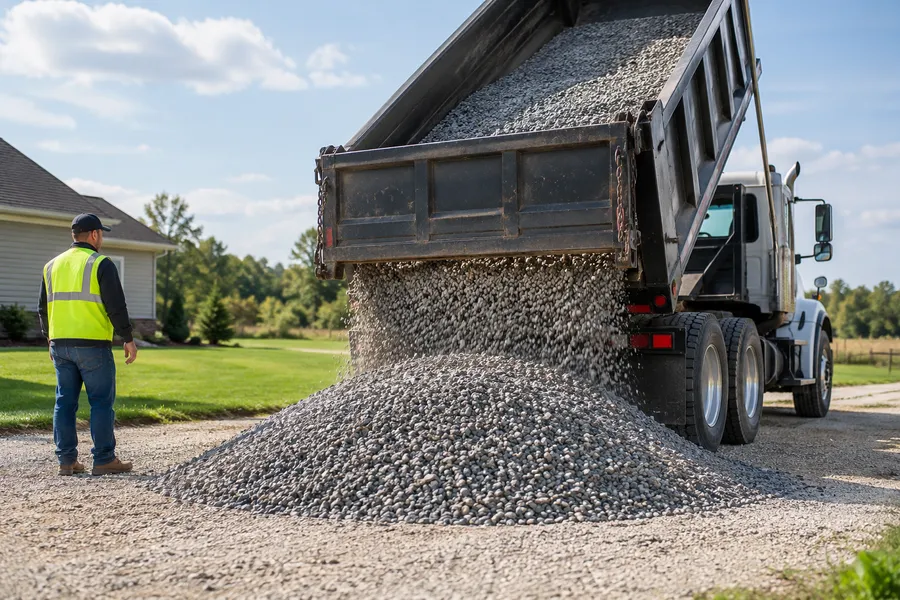
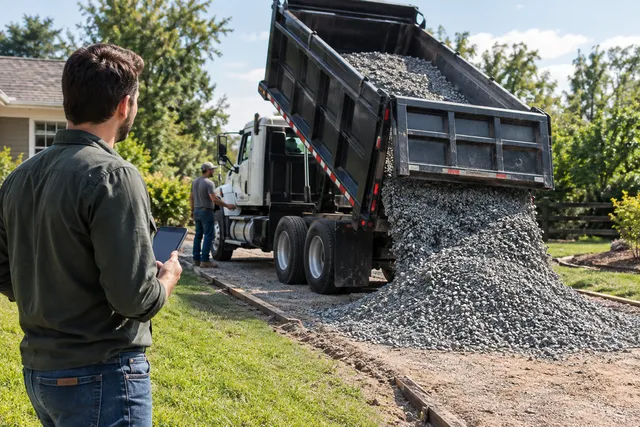
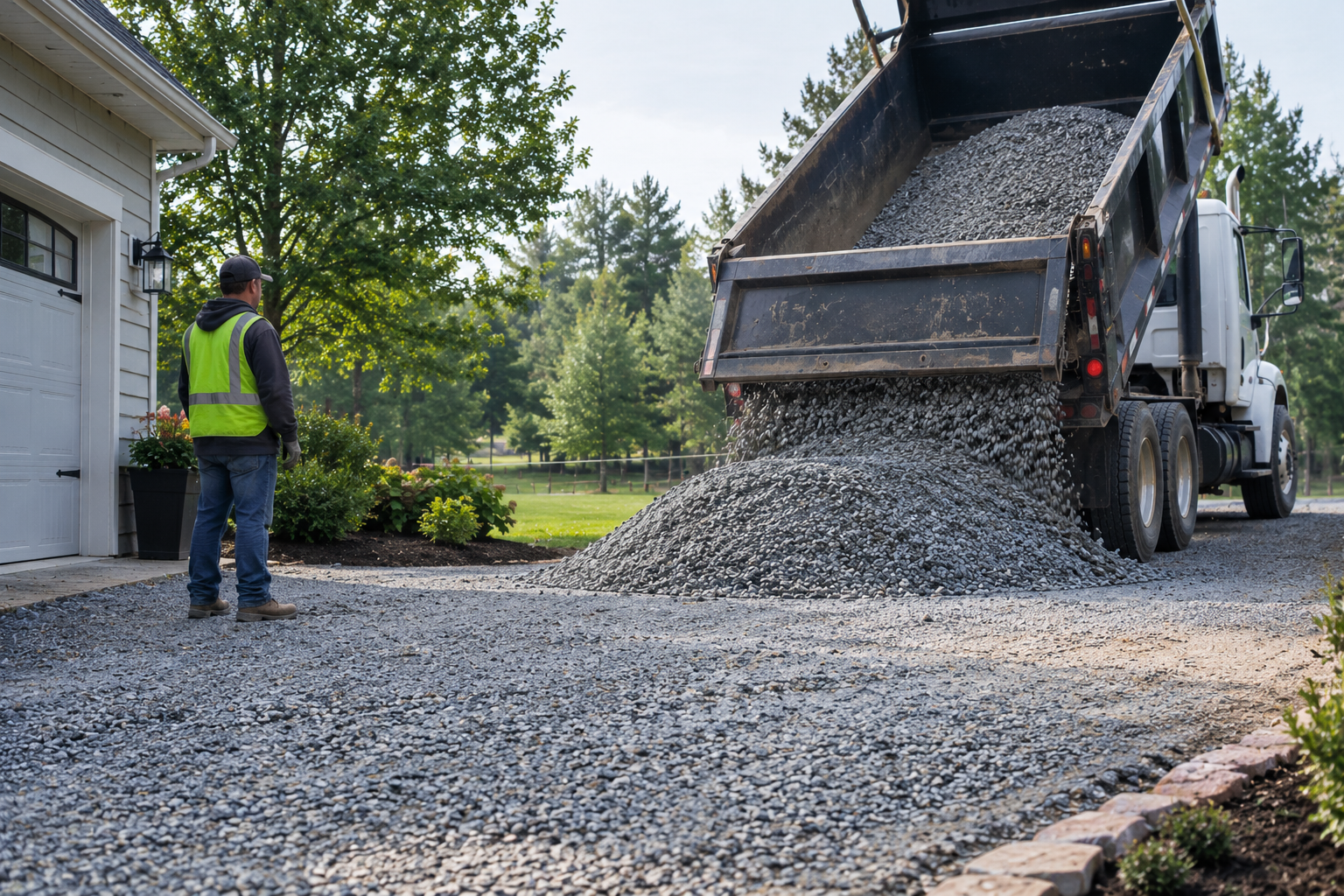
When you’re ready to start your granite shed foundation project, Hello Gravel provides high-quality crushed granite delivered directly to your site. Our experienced team can help you calculate the right amount and ensure you get the proper gradation for maximum foundation stability.
Frequently Asked Questions About Granite Shed Foundations
How thick should a granite shed foundation be?
Is granite better than concrete for a shed foundation?
Can I install a granite shed foundation myself?
How much granite do I need for my shed foundation?
Author: igor