Granite Raised Garden Beds: Pros, Cons, Cost, and How to Build Them
Published on: December 12, 2025
Get an estimate for your project in 60 seconds

Choosing the right material for your raised garden beds can make or break your gardening success. Yes, granite absolutely works for raised garden beds and offers exceptional durability, but it comes with specific considerations around weight, cost, and moisture management that you need to understand before starting your project.
Granite raised beds can last decades with minimal maintenance, resist pests and rot completely, and create stunning focal points in your landscape. However, they require more upfront investment and careful planning due to their weight and drainage characteristics. This guide walks you through everything you need to know about granite garden beds, from weighing the pros and cons to building your own step by step.
Quick Answer: Granite makes excellent raised bed material for long-term gardeners willing to invest in permanent, low-maintenance structures that enhance property value.
What makes granite ideal for raised garden beds
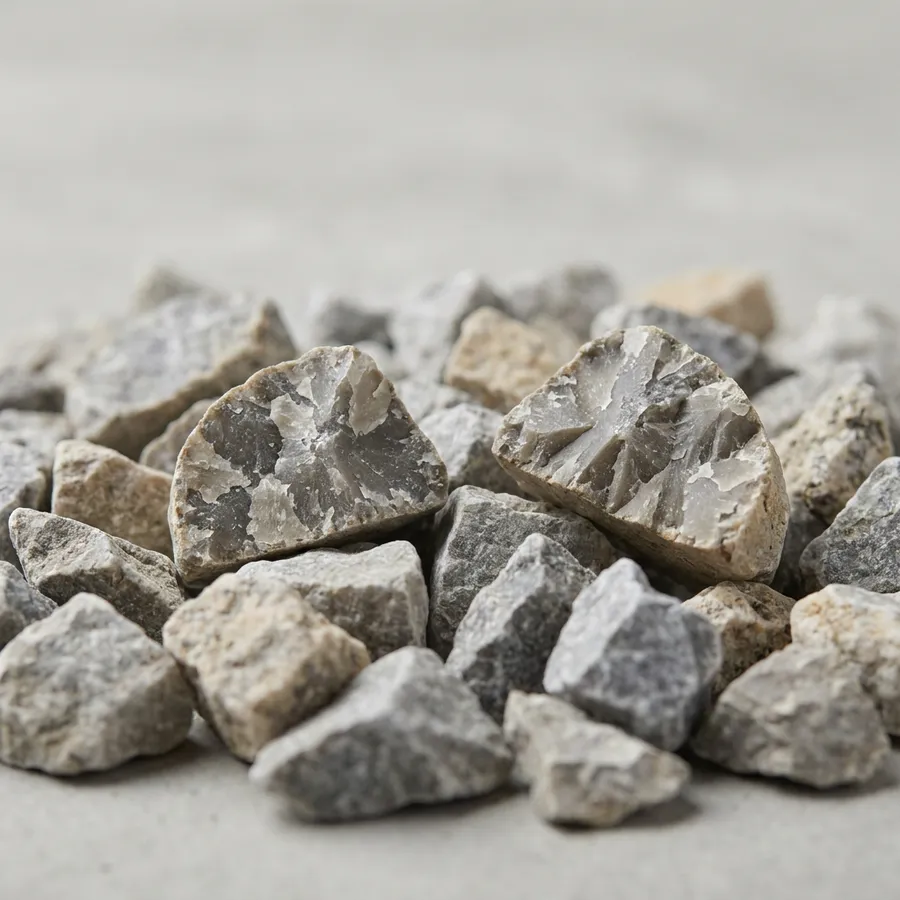
Granite stands out as a premium landscaping material because of its incredible durability and natural beauty. This igneous rock forms deep underground over millions of years, creating a dense, weather-resistant stone that maintains its appearance through decades of exposure to sun, rain, and temperature changes.
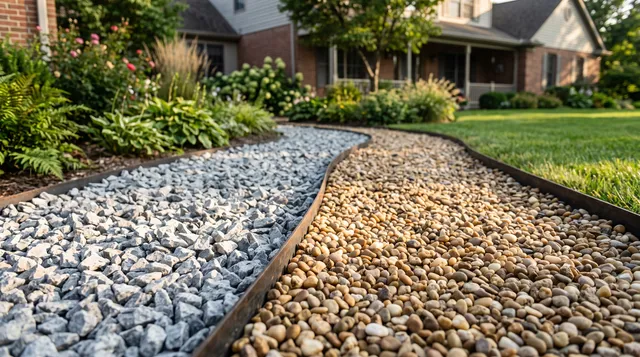
For garden beds, granite offers structural stability that wooden alternatives simply cannot match. The stone does not warp, split, or deteriorate like timber, and its natural resistance to moisture means you will never deal with rot or insect damage. The material comes in various colors and textures, from smooth polished surfaces to rough natural finishes, allowing you to match your existing landscape design.
Is granite safe for vegetable gardens? Absolutely. Granite is chemically inert, meaning it does not leach harmful substances into your soil or affect pH levels. Unlike treated lumber that may contain chemicals, solid granite blocks pose no food safety concerns for edible gardens.

Granite vs other raised bed materials
Understanding how granite compares to alternatives helps you make the right choice for your specific situation and budget. If you’re considering other natural stone options, you might also want to explore bluestone for raised garden beds or limestone raised garden bed applications.
| Material | Upfront Cost | Lifespan | Maintenance | DIY Difficulty |
|---|---|---|---|---|
| Granite | High | 50+ years | Very Low | Moderate-Hard |
| Wood | Low-Medium | 5-15 years | Medium-High | Easy |
| Metal | Medium | 20-30 years | Low | Easy-Moderate |
| Concrete | Medium-High | 30+ years | Low | Moderate |
Granite excels in longevity and maintenance requirements but demands higher initial investment and more labor-intensive installation. Wood remains the most budget-friendly and DIY-accessible option, though you will replace it multiple times over granite’s lifespan. Metal beds offer a middle ground with decent durability and easier handling than stone.
The choice often comes down to your timeline and priorities. If you are planning to stay in your home long-term and want beds that add property value, granite makes financial sense despite higher upfront costs.
Cost Reality Check: While granite costs 3-4 times more initially than wood, the total cost over 20 years often favors stone due to zero replacement needs.
Planning your granite raised bed design
Successful granite beds start with smart planning around dimensions, materials, and site preparation. Most gardeners find 3 to 4 feet wide works best for easy reach from both sides, while lengths of 6 to 12 feet provide good growing space without overwhelming your yard.
Height depends on your plants and physical needs. Vegetable gardens typically work well at 12 to 18 inches high, while deeper beds of 20 to 24 inches accommodate root vegetables and provide better soil volume. Remember that granite walls are thick, so a 4-foot wide bed actually provides about 3.5 feet of growing space.
Choosing granite pieces significantly impacts both appearance and construction difficulty. Standard 6×6 granite blocks create clean, uniform walls and stack predictably, making them popular for DIY projects. Larger boulders or irregular stones create more natural looks but require more skill to fit together properly. For those interested in alternative materials, decomposed granite can also work well for raised garden beds.
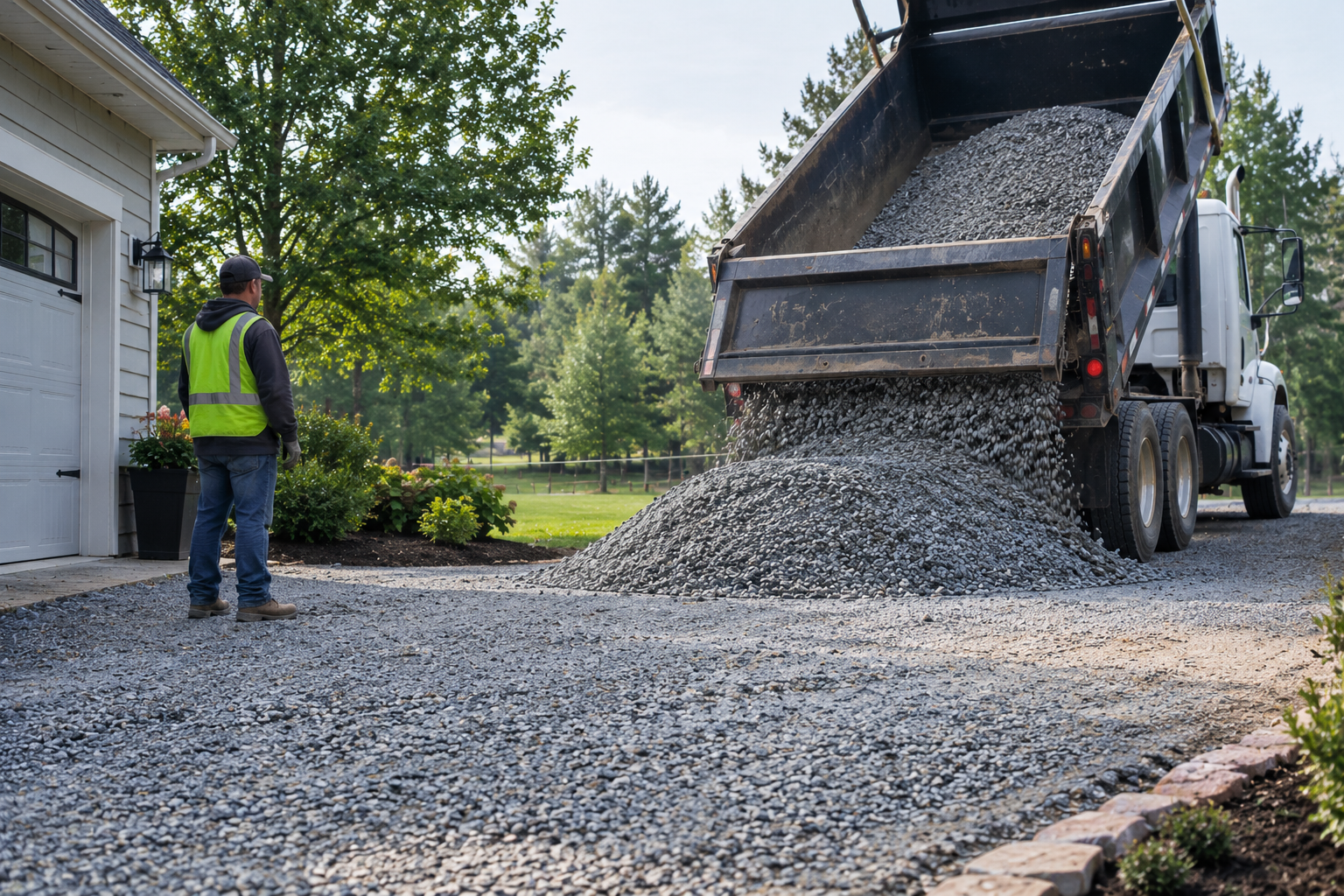
Consider your site’s sun exposure, water access, and how you will move materials during construction. Granite is heavy, so plan delivery locations carefully and ensure you have clear paths from your driveway to the bed locations.
Building your granite raised garden bed
The construction process requires patience and attention to detail, but the results justify the effort. Start by marking your bed outline and removing all grass and weeds from the area. Excavate 2 to 3 inches deep to create a stable foundation, especially important with heavy stone walls.
Site preparation makes or breaks your project’s success. Level the excavated area carefully, as uneven foundations cause walls to shift over time. Add and compact a thin layer of crushed gravel if your soil tends to stay wet or if you are building on clay. If you’re also planning other hardscape projects, you might find our guide on using granite for shed foundations helpful.
Laying the first course requires the most precision since everything else builds from this foundation. Use a level frequently and adjust individual stones by adding or removing gravel underneath. Take time to get tight joints between stones, as gaps weaken the overall structure.
Building up the walls involves staggering joints like brickwork, ensuring each stone sits firmly on the course below. For beds over 18 inches high, consider using construction adhesive between courses or drilling and pinning stones together for added stability. Granite’s versatility extends beyond garden beds—it also works excellently for retaining wall base projects.
Filling and finishing starts with adding coarse material like gravel or broken pottery in the bottom few inches for drainage, then filling with quality garden soil mix. Water thoroughly and allow settling before planting, as you may need to add more soil after the initial settling period.

Pro Tip: Build your beds in fall or early spring when you have time for proper soil settling before peak planting season.
Managing soil and drainage in granite beds
Granite beds drain faster than in-ground gardens because the stone walls do not retain moisture like surrounding soil. This excellent drainage prevents waterlogged roots but means you need to adjust your watering routine and soil composition accordingly.
Soil mix recommendations should emphasize water retention without sacrificing drainage. A blend of quality compost, topsoil, and coarse organic matter like aged bark works well for most vegetables and flowers. Avoid heavy clay additions that can create drainage problems in the confined space.
Moisture management becomes crucial during hot summer months when granite beds can dry out quickly. Thick mulch layers help retain soil moisture, while drip irrigation systems provide consistent water delivery. Some gardeners line the inner walls with landscape fabric to slow moisture loss while maintaining drainage through the bottom. For comparison, you might be interested in learning about river rock applications in raised garden beds.
The thermal properties of granite also affect your plants. Stone absorbs heat during the day and releases it at night, potentially extending your growing season in cooler climates but requiring extra attention to watering in hot regions. This same thermal property makes granite an excellent choice for fire pit area projects.
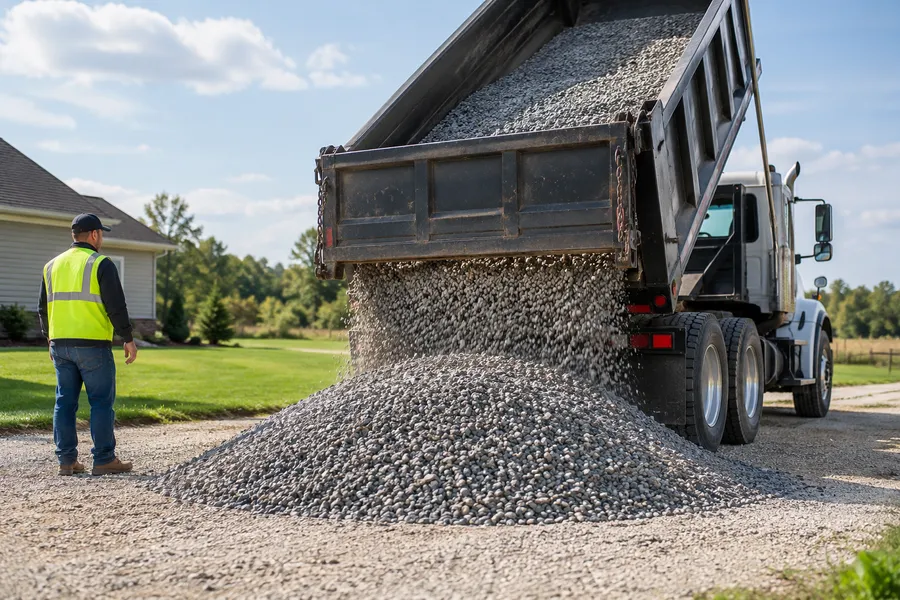
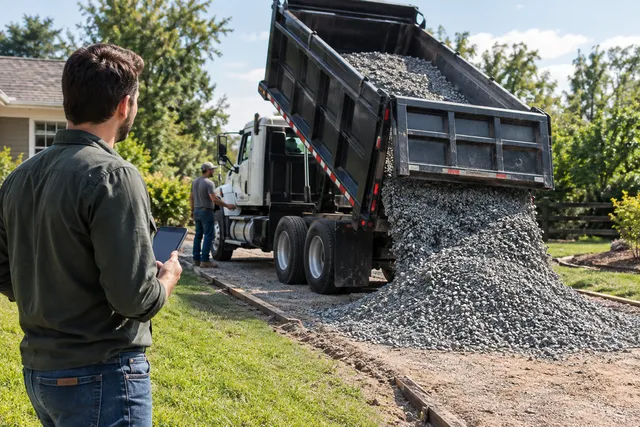
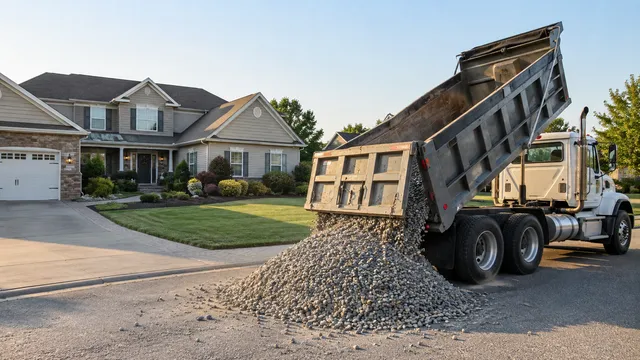
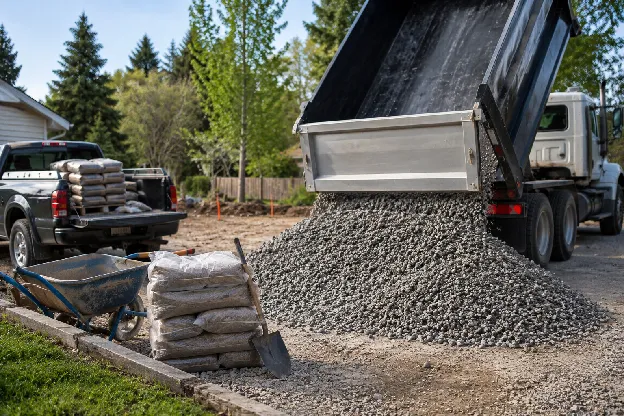
Ready to start your granite raised bed project? Hello Gravel offers high-quality granite blocks and aggregates perfect for garden construction, with delivery service that brings materials directly to your site. Our team can help you calculate exactly how much granite you need based on your bed dimensions and provide guidance on the best stone types for your specific project. Contact us today for a personalized quote and take the first step toward creating beautiful, long-lasting raised beds that will enhance your garden for decades to come.
FAQ
Is granite safe for vegetable gardens?
How long do granite raised garden beds last?
Do granite raised beds dry out faster than other materials?
How much do granite raised garden beds cost compared to wood?
Author: igor