How to Build a Granite Fire Pit (Safety, Design, and Installation Guide)

Published on: December 12, 2025

Get an estimate for your project in 60 seconds

This field is hidden when viewing the form
Security lock iconYour information is secure


Beautiful granite fire pit in backyard during evening with warm flames burning

Yes, granite is an excellent material for fire pits. This natural stone handles high heat without cracking, resists weather damage, and creates a stunning focal point for your outdoor space. You can build a granite fire pit in a weekend with the right materials and basic DIY skills.

In this guide, you’ll learn everything about granite fire pits: safety considerations, design options, installation steps, and where to source quality materials. Whether you want a simple round pit or an elaborate outdoor kitchen centerpiece, granite offers the durability and beauty to make your vision reality.

Quick fact: Granite can withstand temperatures over 1,200°F without structural damage, making it safer than many other fire pit materials.

Is granite safe for fire pits

Granite is one of the safest materials you can choose for fire pit construction. This igneous rock forms under extreme heat and pressure, giving it natural resistance to thermal shock and cracking.

Unlike concrete blocks that can explode when heated rapidly, granite expands and contracts gradually. The stone’s dense structure prevents moisture absorption that could cause dangerous steam buildup. Most granite varieties handle direct flame contact without discoloration or structural damage.

However, you should still use a steel fire ring or liner inside your granite pit. The metal ring protects the granite from direct flame contact and makes ash cleanup easier. It also helps contain the fire and prevents embers from escaping through gaps between stones.

When comparing materials, granite outperforms brick (which can crumble) and concrete (which can crack from heat stress). Metal fire pits rust over time, while granite maintains its appearance for decades with minimal maintenance. If you’re considering other natural stone options, you might also explore basalt for fire pit areas or bluestone for fire pit projects.

Benefits of granite fire pit areas

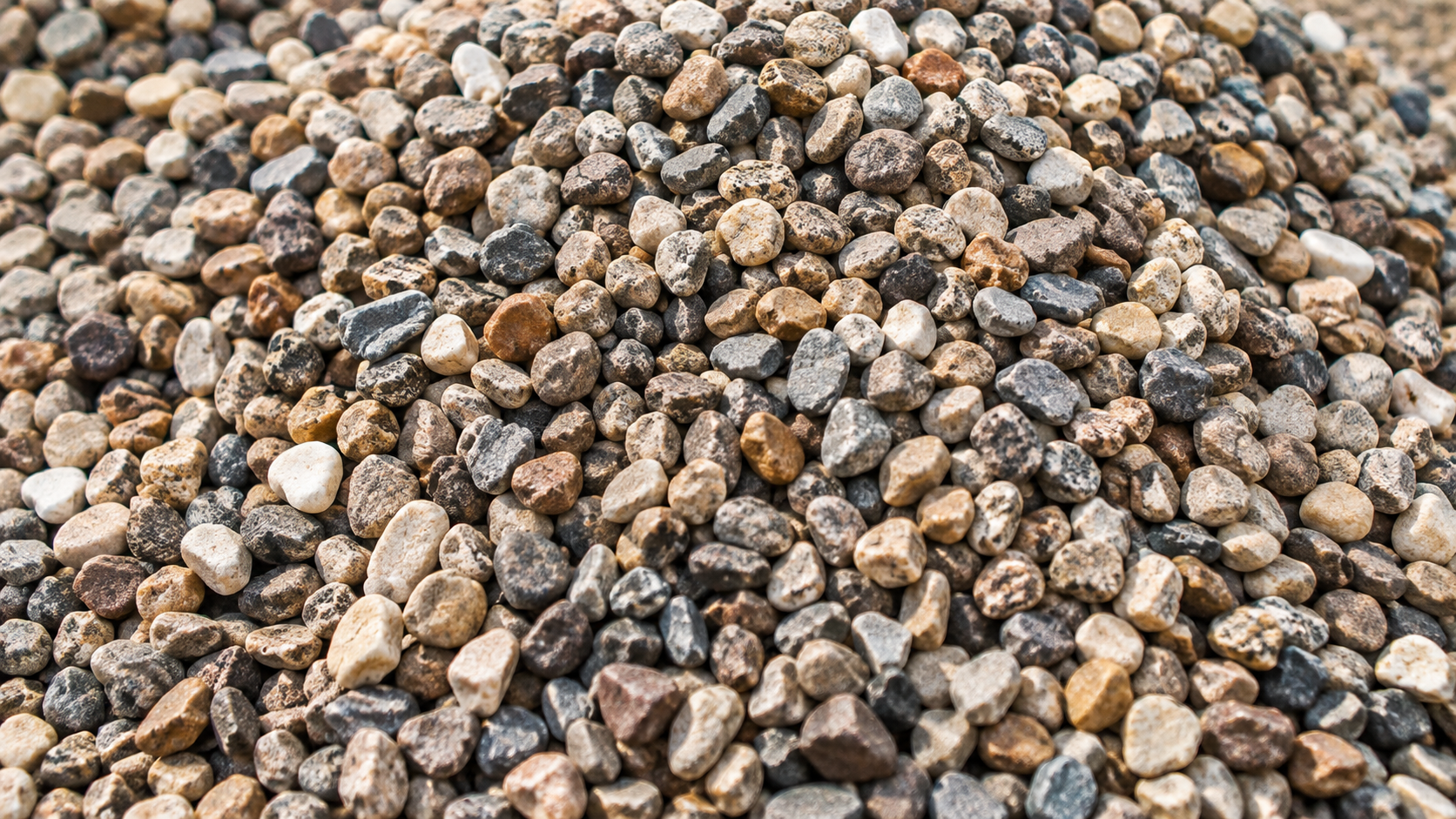
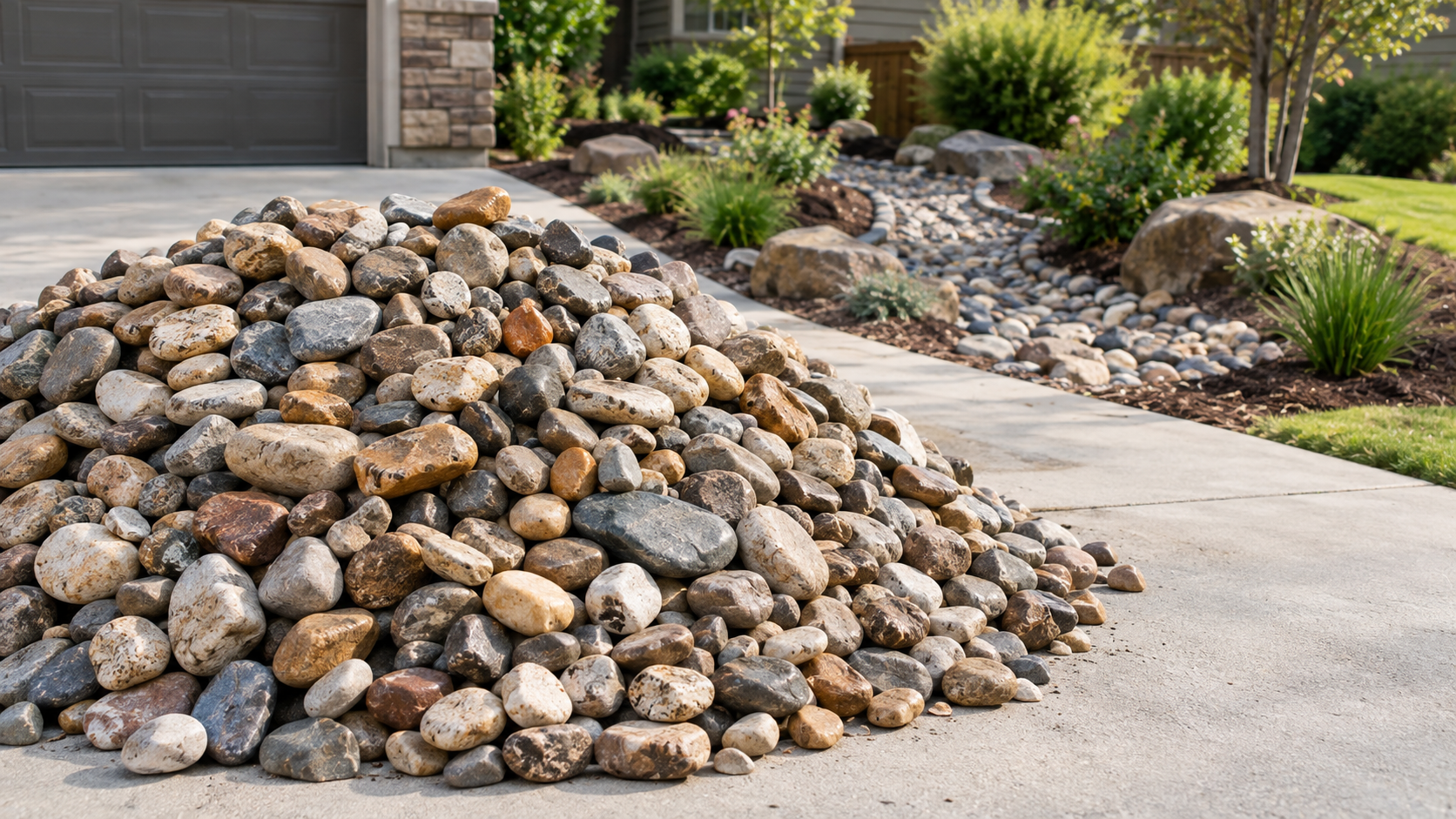
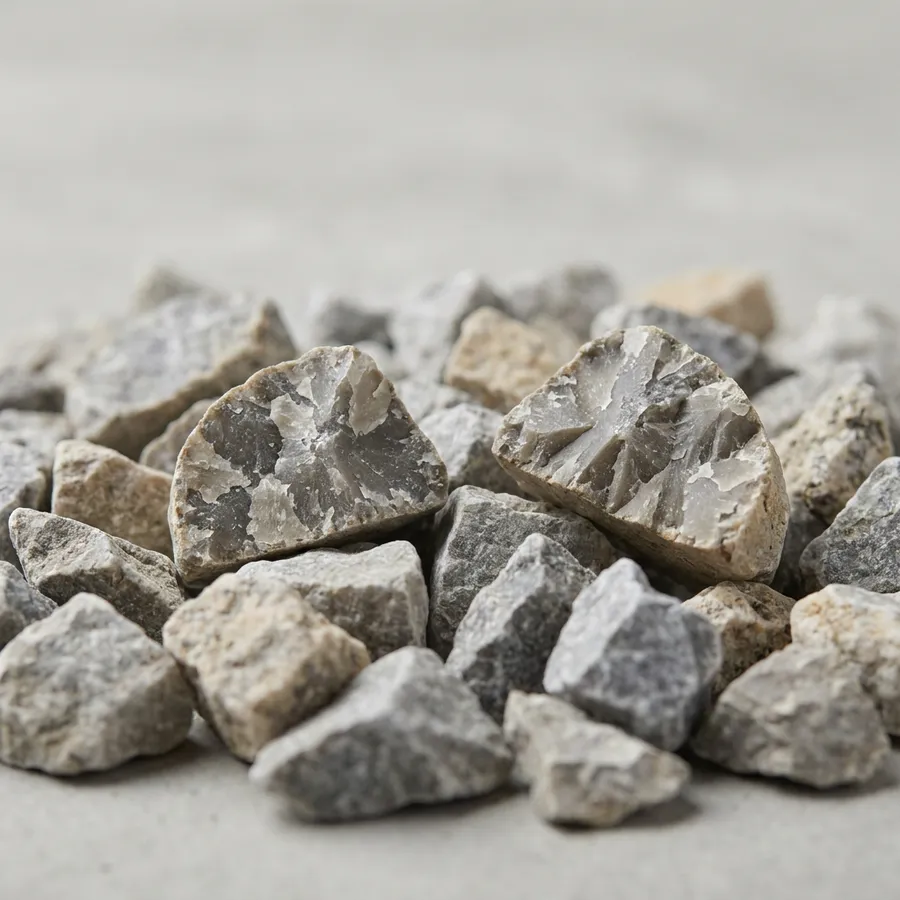
Collection of granite stones in various colors and textures for fire pit construction

Granite offers three major advantages that make it worth the investment: exceptional heat resistance, long-term durability, and aesthetic versatility.

The heat resistance goes beyond just surviving flames. Granite stays relatively cool to touch even when the fire is burning, making the surrounding area safer for children and pets. You won’t need to worry about accidental burns from touching the pit walls during use.

Durability means your granite fire pit will look great for years without major maintenance. The stone resists freeze-thaw cycles, UV damage, and chemical weathering. Unlike metal pits that rust or concrete that cracks, granite ages gracefully and actually improves in appearance over time.

Design tip: Granite comes in colors from deep black to warm pink, letting you match any outdoor design theme from modern minimalist to rustic cabin style.

For aesthetics, granite provides options no other material can match. You can choose from polished surfaces for contemporary looks or rough-hewn blocks for rustic appeal. The natural variations in granite patterns ensure your fire pit will be completely unique.

Granite fire pit design options

Your granite fire pit design depends on your space, budget, and intended use. Round pits work well for intimate gatherings, while square or rectangular designs suit larger entertaining areas.

Above-ground pits are easier to build and relocate if needed. You simply stack granite blocks in courses, creating walls 12-18 inches high. In-ground pits require more excavation but provide better wind protection and a more integrated landscape appearance.

Consider using granite for more than just the pit walls. Granite caps or tops create comfortable seating around the fire. Wide granite slabs make excellent surfaces for food preparation or drink placement. You can even extend granite pathways from your patio to the fire pit area for a cohesive design. For complementary landscaping features, consider using granite for raised garden beds nearby.

For seating integration, build granite benches at comfortable distances from the fire. Standard seating height is 16-18 inches, with bench depth around 15 inches. Leave 3-4 feet between the fire pit edge and seating for safety and comfort.

What you need to build a granite fire pit

Building a granite fire pit requires specific materials and basic tools. Planning your material list carefully prevents mid-project trips to the store.

Item Purpose Notes
Granite blocks Fire pit walls 6-8 blocks per course
Steel fire ring Heat protection Match your desired inside diameter
Gravel base Drainage foundation 3/4-inch crushed stone
Construction adhesive Block bonding High-temperature rated
Sand Leveling base Fine sand for final adjustments

For tools, you’ll need a shovel for excavation, a tamper for base compaction, and a level to ensure straight courses. Safety gear includes work gloves and safety glasses. A rubber mallet helps position blocks without damage.

Choose granite blocks sized for your project scale. Smaller blocks (8x8x4 inches) work well for compact pits, while larger blocks (12x8x6 inches) create more substantial structures. Most suppliers offer pre-cut granite fire pit kits that include properly sized blocks and installation instructions.

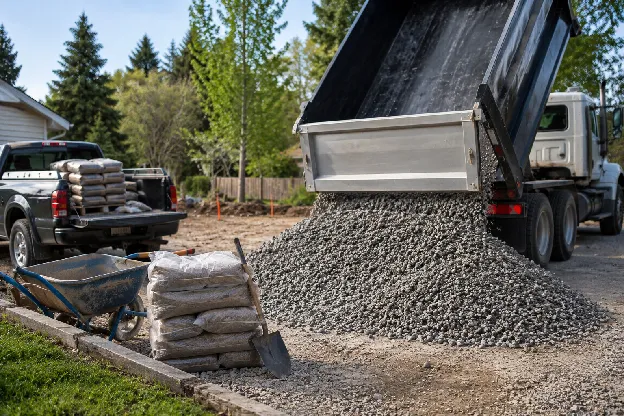
Granite fire pit construction materials and tools laid out for building project

Step-by-step granite fire pit installation

Start by selecting a safe location at least 10 feet from structures, trees, or combustible materials. Mark your desired pit diameter using spray paint or stakes and string. Most fire pits work well at 3-4 feet inside diameter.

Excavate the area 6 inches deep and 2 feet wider than your planned pit diameter. This extra space accommodates the granite blocks and surrounding gravel. Remove all grass, roots, and debris from the excavation area.

Create your base by adding 4 inches of crushed gravel and compacting it with a tamper. Add 2 inches of sand on top and level it carefully. This two-layer base provides drainage and a stable foundation for your granite blocks. If you’re also planning other outdoor projects, you might want to learn about using granite for shed foundations or granite for retaining wall bases.

Dry-fit your first course of granite blocks around the steel fire ring. Adjust spacing and check that blocks are level using a spirit level. Mark any blocks that need trimming, then remove the ring temporarily.

Installation tip: Stagger the joints between courses like bricks in a wall. This creates a stronger structure that won’t shift over time.

Apply construction adhesive to the top of your first course, then place the second course with staggered joints. Continue stacking courses until you reach your desired height, typically 2-3 courses for most residential fire pits.

Install your steel fire ring in the center, ensuring it sits level with or slightly below the top course. Fill around the pit with decorative gravel or additional granite stones to complete the surrounding area.

Where to buy granite stones and fire pit materials

Local stone yards often provide the best value for granite fire pit materials. You can inspect stones personally and avoid shipping costs on heavy materials. Many yards also offer cutting services if you need custom sizes.

Online suppliers like Hello Gravel provide convenient ordering and delivery options, especially valuable for remote locations or when local selection is limited. They offer pre-selected granite fire pit kits that take the guesswork out of material planning.

When comparing suppliers, consider total project cost including delivery, not just material prices. A slightly higher per-stone cost might save money overall if it includes convenient delivery and technical support.

Hello Gravel specializes in aggregate materials and understands fire pit construction requirements. Their team can help you calculate exact quantities needed and recommend appropriate granite types for your climate and intended use. They also provide detailed installation guides and ongoing support throughout your project.

Whether you choose local or online suppliers, verify that granite blocks are properly sized and finished for fire pit use. Some decorative granite isn’t suitable for high-heat applications, so confirm heat resistance ratings before purchasing.

Building a granite fire pit creates a lasting outdoor feature that brings family and friends together. With proper planning, quality materials, and careful installation, your granite fire pit will provide decades of enjoyment while adding significant value to your outdoor living space.

Granite Fire Pit FAQs

Is granite safe for fire pits?

Yes, granite is one of the safest materials for fire pit construction. This igneous rock can withstand temperatures over 1,200°F without structural damage and resists thermal shock better than concrete blocks or brick. When properly installed with a steel fire ring and adequate clearances, granite provides excellent heat resistance and durability for outdoor fire features.

Will granite crack in a fire pit?

Properly installed granite blocks rarely crack in fire pits because granite forms under extreme heat and pressure, giving it natural resistance to thermal expansion. Unlike concrete that can explode when heated rapidly, granite expands and contracts gradually. Using a steel fire ring liner helps protect the granite from direct flame contact and prevents thermal stress.

Do I need a metal ring with granite fire pit blocks?

Yes, you should use a steel fire ring or liner inside your granite fire pit. The metal ring protects the granite from direct flame contact, makes ash cleanup easier, helps contain the fire, and prevents embers from escaping through gaps between stones. Most granite fire pit kits include a properly sized steel ring for this purpose.

How much granite do I need for a fire pit project?

The amount of granite needed depends on your pit size and design. A typical 4-foot diameter fire pit requires 6-8 granite blocks per course for 2-3 courses, plus gravel for the base and decorative stones for the surrounding area. For accurate quantities and pricing, it’s best to request a quote with your specific dimensions and design preferences.

Author: igor