Can You Use Bluestone for a Fire Pit Patio? Safety, Design Ideas & Installation Guide
Published on: December 12, 2025
Get an estimate for your project in 60 seconds

Yes, you can safely use bluestone for fire pit patios when installed correctly around the fire area, not as the actual fire ring itself. Bluestone’s natural heat resistance and durability make it an excellent choice for patio surfaces surrounding fire pits, though you’ll need a proper steel insert or fire-rated blocks for the actual firebox.
Quick Answer: Bluestone works perfectly as a patio surface around fire pits but requires a metal fire ring or fire-rated blocks for the interior burning area to prevent cracking from direct flame contact.
This guide walks you through everything you need to know about using bluestone in your fire pit project, from safety considerations to design ideas and installation steps that ensure a beautiful, long-lasting outdoor space.
Is bluestone safe to use around a fire pit?
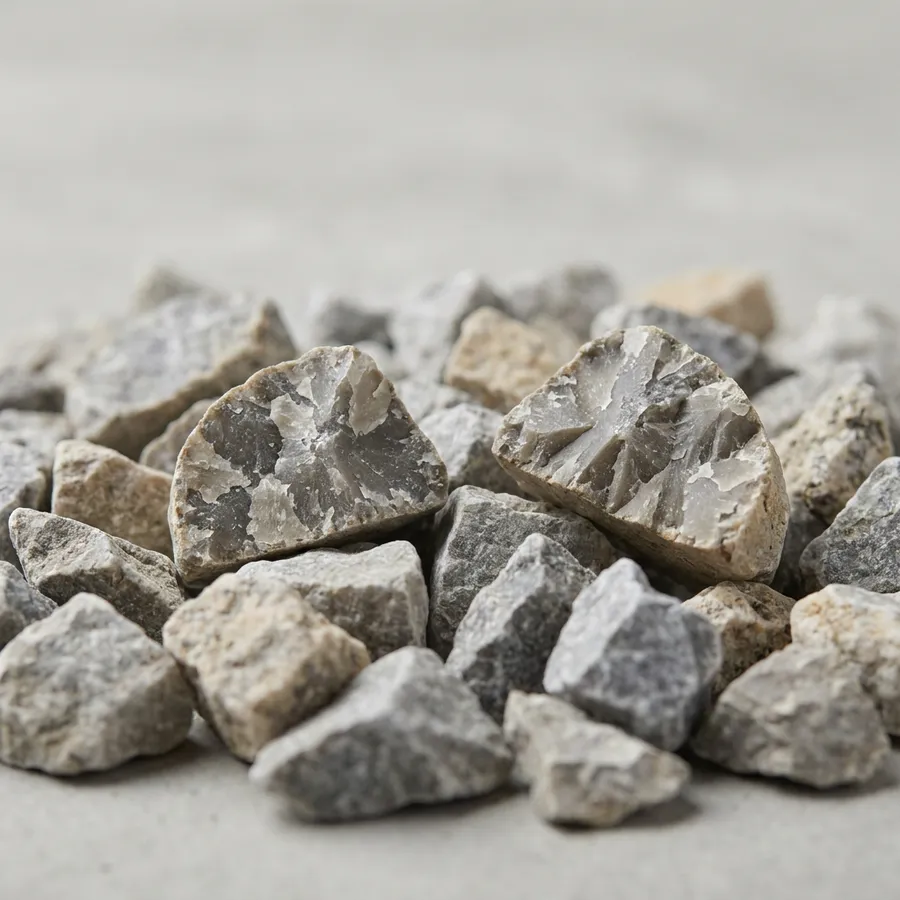
Bluestone is considered one of the safer natural stones for fire pit areas because of its dense composition and low moisture content. Unlike some sedimentary rocks that can trap water and potentially crack or explode when heated, bluestone’s tight grain structure makes it naturally heat-resistant.
The key safety consideration is understanding where to use bluestone in your fire pit setup. You can safely use it for the patio surface, seating walls, and coping around the fire area. However, the actual fire ring should be made from steel inserts or fire-rated blocks designed to withstand direct flame contact. If you’re exploring other natural stone options for fire features, you might also consider basalt for fire pit areas, which offers similar heat-resistant properties.
| Safety Factor | Bluestone Performance |
|---|---|
| Heat resistance | Excellent for indirect heat |
| Moisture retention | Low risk due to dense structure |
| Thermal shock | Good when properly installed |
| Direct flame contact | Requires protective barrier |
Most building codes require fire pits to be at least 10 feet from structures and 3 feet from property lines, regardless of the patio material you choose.
Pros and cons of a bluestone fire pit patio
Bluestone offers several advantages for fire pit areas, though it comes with some considerations you should know about before starting your project.
The main benefits include exceptional durability that can last decades with proper installation, natural slip resistance even when wet, and an elegant blue-gray color that complements most outdoor design styles. Bluestone also handles freeze-thaw cycles well, making it suitable for year-round outdoor use.
On the downside, bluestone typically costs more upfront than concrete pavers or gravel alternatives. The material is also heavy, which can complicate installation and may require additional base preparation. Some bluestone varieties can become quite hot in direct sunlight, though this is less of an issue in fire pit areas used primarily in the evening. For budget-conscious homeowners, pea gravel for fire pit areas provides a more affordable alternative.

Best ways to use bluestone in a fire pit area
The most common and effective approach is creating a bluestone patio that surrounds your fire pit, extending 3-6 feet beyond the fire ring in all directions. This gives you plenty of safe space for seating and movement while showcasing the stone’s natural beauty.
For the fire pit itself, install a steel ring or fire-rated block structure on a separate gravel base, then build your bluestone patio around it. This method protects the bluestone from direct heat while creating a cohesive design.
You can also use bluestone for coping around raised fire pit walls, creating built-in seating areas, or as stepping stone pathways leading to your fire pit area. Thicker bluestone pieces work well for seating caps, while standard patio thickness handles foot traffic perfectly. For complementary landscaping features, consider using bluestone for raised garden beds nearby to create a cohesive outdoor design.
Pro Tip: Choose thermal bluestone or select bluestone for fire pit areas, as these varieties have been heat-treated and offer better thermal stability than regular bluestone.
Step-by-step installation process
Building a bluestone patio with a fire pit requires careful planning and proper base preparation to ensure long-term stability and safety.
Start by marking your layout and checking local building codes for setback requirements. Most areas require permits for permanent fire features, so verify requirements before beginning work.
Excavate the entire patio area to a depth of 8-10 inches, allowing space for your gravel base and bluestone thickness. Create a separate, deeper excavation for your fire pit ring, typically 12-16 inches deep depending on your fire pit kit specifications.
Install and compact your crushed stone base in 2-3 inch lifts, ensuring proper drainage away from structures. Place your fire pit ring on a leveled gravel base, then add a layer of stone dust or screenings as a setting bed for your bluestone. If you’re working on a larger outdoor project, you might also explore bluestone for parking areas to extend your hardscaping.
Lay your bluestone pieces around the fire pit, maintaining consistent gaps for drainage and thermal expansion. Fill joints with stone dust or polymeric sand, and add decorative gravel inside the fire ring to protect the base materials from extreme heat.
The entire process typically takes a weekend for DIY installation of a small patio, though larger projects or complex designs may require professional installation.
Design ideas for your bluestone fire pit area
A circular fire pit surrounded by irregular bluestone flagging creates a natural, rustic look that works well with traditional and cottage-style homes. The random pattern of the flagging adds visual interest while the circular fire pit becomes a natural gathering point.
For modern homes, consider a rectangular gas fire pit with large bluestone slabs arranged in a linear pattern. This clean, geometric approach emphasizes the stone’s natural color variations while creating a sophisticated outdoor living space.
Multi-level designs work particularly well with bluestone, where you can create raised seating areas using bluestone blocks or integrate planters and retaining walls. The stone’s versatility allows you to build everything from intimate conversation areas to large entertaining spaces. For those looking to create a complete outdoor entertainment area, limestone for bocce ball court surfaces can complement your fire pit patio beautifully.

Design Insight: Mixing bluestone with other materials like steel, wood, or decorative gravel can create striking contrasts that highlight the stone’s natural beauty while adding functional elements to your space.
Cost considerations and maintenance
Bluestone material typically costs between $15-25 per square foot for quality pieces, with installation adding another $8-15 per square foot for professional work. A typical 12×12 foot patio with fire pit might range from $3,500-6,500 installed, depending on complexity and local labor rates.
DIY installation can cut costs significantly, though you’ll need to rent equipment like a plate compactor and possibly an excavator for larger projects. Factor in costs for base materials, fire pit kit, and tools when budgeting your project.
Maintenance requirements are minimal but important for longevity. Clean soot and ash from the bluestone surface after each use, and inspect joints annually for settling or erosion. Resealing every 3-5 years can help maintain color and weather resistance, though many homeowners prefer the natural weathered look that develops over time.
Winter freeze-thaw cycles rarely damage properly installed bluestone, but check for any lifted or shifted pieces each spring and re-level as needed to maintain a safe, even surface.
Hello Gravel offers high-quality bluestone specifically selected for outdoor projects like fire pit patios. Their experienced team can help you choose the right thickness and finish for your specific design, with convenient delivery options that save you time and ensure you get consistent, quality materials for your project.
Frequently asked questions
Is bluestone heat resistant enough for a fire pit? Yes, bluestone can handle the indirect heat from fire pits when used as patio surfacing, but it should not be used as the actual fire ring material without a protective steel insert.
Can I build the entire fire pit out of bluestone? While possible, it’s not recommended. Use bluestone for the surrounding patio and coping, but install a steel fire ring or fire-rated blocks for the actual burning area to prevent thermal damage. For comparison, granite for fire pit areas offers similar considerations.
How far should a bluestone fire pit be from my house? Most codes require at least 10 feet from structures and 3 feet from property lines, though local requirements may vary.
Will bluestone crack in winter if it’s used around a fire pit? Properly installed bluestone with adequate base preparation rarely cracks from freeze-thaw cycles, as its dense structure resists moisture absorption.
Do I need special tools for bluestone installation? Basic installation requires a plate compactor, level, rubber mallet, and diamond blade saw for cutting. Larger projects may benefit from renting excavation equipment.
A well-planned bluestone fire pit patio creates a beautiful, functional outdoor space that can last for decades with minimal maintenance. The combination of safety, durability, and natural beauty makes bluestone an excellent investment for homeowners looking to enhance their outdoor living areas with a gathering space that works in all seasons.
Frequently asked questions
Is bluestone heat resistant enough for a fire pit?
Can I build the entire fire pit out of bluestone?
Will bluestone crack in winter if it’s used around a fire pit?
How much does a bluestone fire pit area cost?
Author: igor