
Best Limestone Pad for a Shed Foundation
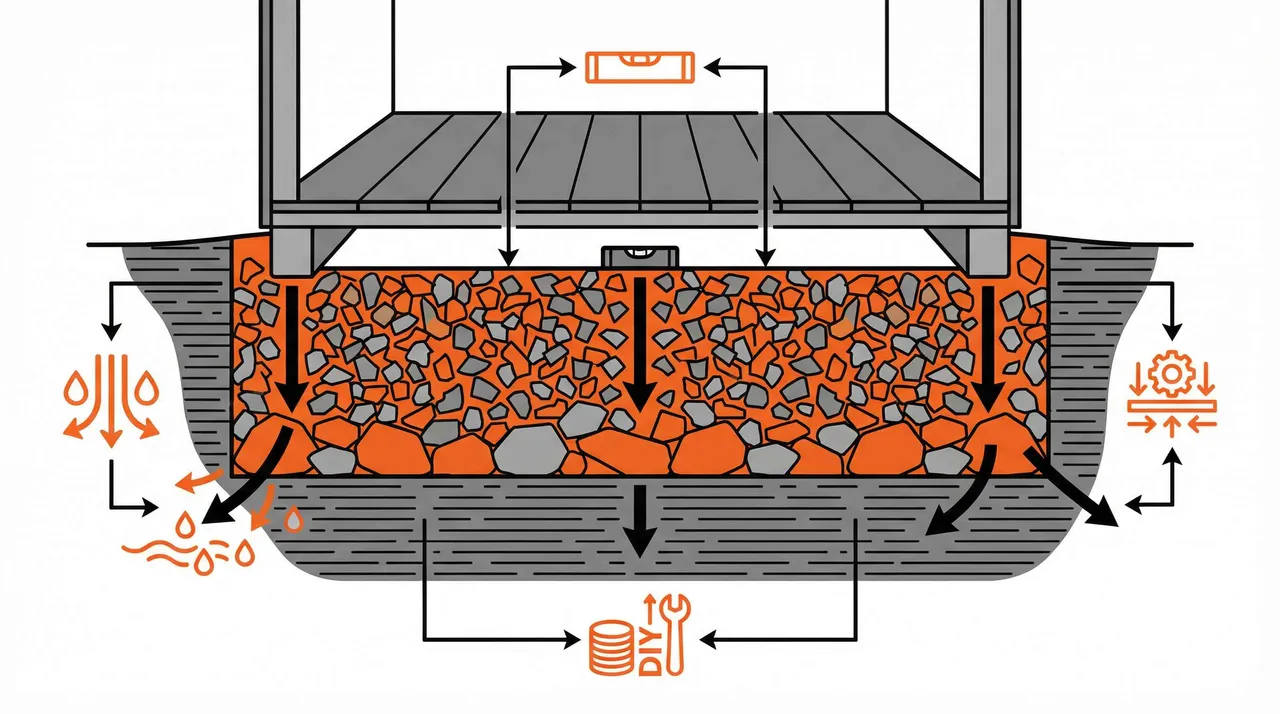
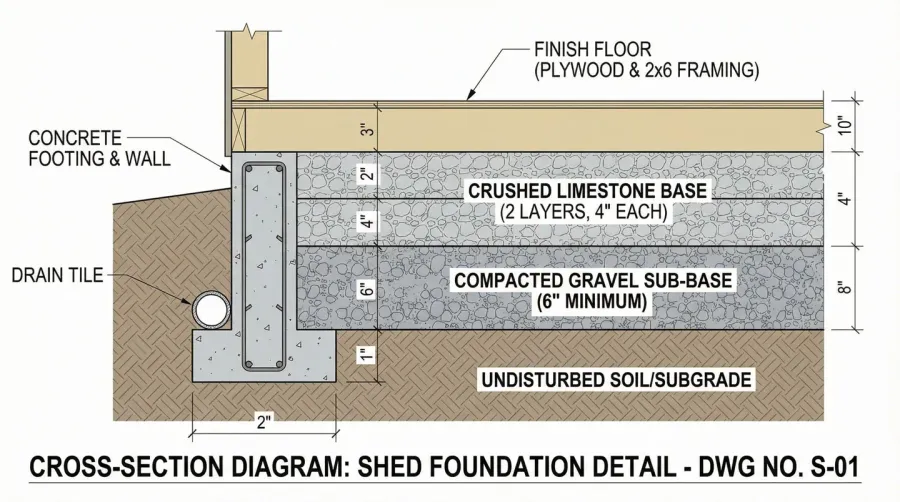
A poor shed foundation leads to doors that won’t close, floors that rot, and structures that shift every winter. The good news? A crushed limestone pad is often the best stone base for most small to medium sheds due to its excellent drainage and cost-effectiveness.
Unlike concrete slabs that require permits and professional installation, limestone pads offer a DIY-friendly solution that handles moisture beautifully while supporting your shed’s weight. You’ll save money compared to concrete while getting a foundation that actually performs better in many situations.
Quick Answer: Crushed limestone creates an ideal shed foundation for most residential applications, providing superior drainage at roughly half the cost of concrete while being much easier to install and adjust if needed.
About Hello Gravel
Hello Gravel delivers bulk gravel, rock, dirt, and sand by the ton. Enter your ZIP code to see prices with delivery included. A local dump-truck driver places the load where access is safe; spreading is not included.
Why your shed needs a proper foundation
Your shed foundation does three critical jobs that directly impact your investment. First, it keeps your shed level and stable, preventing doors from binding and ensuring your structure stays square over time. Second, it creates a barrier against ground moisture that would otherwise rot wooden floors and frames within just a few years.
Most importantly, a proper foundation protects your entire investment. Sheds placed directly on dirt or grass will settle unevenly, develop structural problems, and often need major repairs or replacement much sooner than expected.
The foundation you choose affects everything from how long your shed lasts to how much maintenance it requires. Getting this decision right from the start saves you significant headaches and money down the road.
Limestone vs other shed foundation options
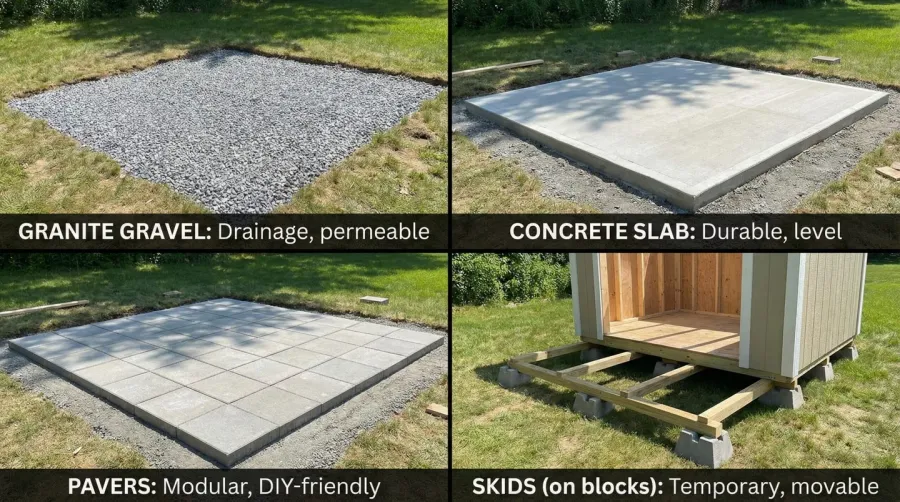
When comparing foundation materials, crushed limestone consistently outperforms most alternatives for typical residential sheds. Here’s how the main options stack up:
Limestone or gravel pads excel at drainage and cost-effectiveness. They’re forgiving if you need adjustments later and work well in most climates. Installation is straightforward for DIY projects, and materials are readily available. If you’re considering alternatives, pea gravel can also work for shed foundations, though it offers less stability than crushed limestone.
Concrete slabs provide the strongest foundation but cost significantly more and often require permits. They’re ideal for heavy equipment storage or workshop sheds but can trap moisture if not properly designed with drainage.
Pavers or blocks work for very small sheds but lack the stability needed for larger structures. They’re more expensive per square foot than limestone while offering less support.
Bare ground or simple skids should be avoided entirely. They guarantee moisture problems, uneven settling, and premature shed failure.
| Foundation Type | Best For | Cost | Drainage | DIY Friendly |
|---|---|---|---|---|
| Limestone Pad | Most sheds 8×12 to 12×20 | Low | Excellent | Yes |
| Concrete Slab | Heavy equipment, workshops | High | Poor without design | No |
| Pavers/Blocks | Small sheds under 8×10 | Medium | Good | Yes |
| Bare Ground | Never recommended | Lowest | Terrible | N/A |
How thick should your limestone pad be
The depth of your limestone pad depends on three main factors: shed size, soil conditions, and what you’ll store inside. Getting this right prevents settling and ensures long-term stability.
For sheds up to 8×10 feet with typical storage, plan on 4 inches of compacted crushed limestone. This handles the weight of lawn equipment, seasonal decorations, and general household storage without issues.
Medium sheds from 10×12 to 12×16 feet need 4 to 6 inches of compacted limestone, especially if you’ll store heavier items like riding mowers or workshop equipment. The extra depth distributes weight more evenly and prevents settling. For similar applications, dolomite can also be used for shed foundations with comparable results.
Larger sheds over 12×16 feet or those housing heavy equipment require 6 to 8 inches of limestone base. This includes workshop sheds, equipment storage, or any structure that will support significant point loads.
Pro Tip: Soft or clay soils may require an additional 2 inches of depth regardless of shed size. When in doubt, consult with your material supplier about local soil conditions and recommended depths.
Soil conditions also matter significantly. Sandy, well-draining soil needs less depth than clay or soft ground that retains water. Areas with freeze-thaw cycles benefit from deeper pads that extend below the frost line.
Step-by-step limestone pad installation
Building a limestone shed foundation requires careful preparation but uses straightforward techniques that most homeowners can handle. Success depends on proper excavation, correct materials, and thorough compaction.
Tools and materials you’ll need: Shovel or mini excavator, plate compactor (rental), level, string line, stakes, rake, wheelbarrow, and crushed limestone in two sizes.
Step 1: Mark and measure your pad. Make your pad 12 inches larger than your shed on all sides. Use stakes and string to mark the perimeter, then check diagonal measurements to ensure it’s square.
Step 2: Excavate the area. Dig down to your planned depth plus 2 inches for soil removal. Remove all grass, roots, and organic material. The bottom should be relatively level but doesn’t need to be perfect.
Step 3: Add base layers. Start with 3/4-inch crushed limestone, spreading it in 2-inch lifts. Each lift must be compacted with the plate compactor before adding the next layer. This prevents settling later. The same technique applies when using crushed stone as a sub-base for deck projects.
Step 4: Final leveling. Top with limestone screenings or fine gravel, rake level, and compact again. Check with a long level or string line to ensure proper grade with slight slope away from surrounding structures.
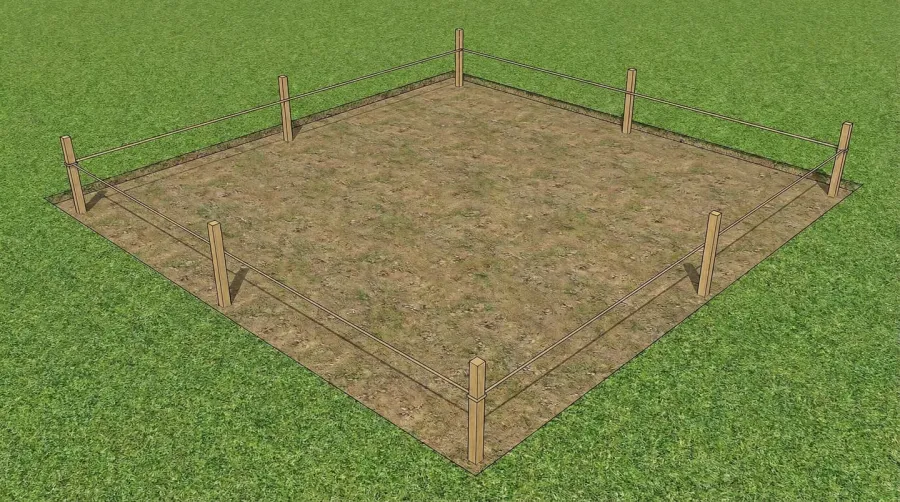
The key to success is patience with compaction. Each 2-inch lift needs multiple passes with the compactor until it stops settling. Rushing this step leads to an unstable foundation that will cause problems later.
Common Mistake: Many DIYers skip edge restraints, but treated lumber or paver edging around the perimeter keeps your limestone contained and prevents spreading over time.
Cost and material considerations
A limestone shed pad typically costs 50 to 70 percent less than a comparable concrete slab while offering better drainage performance. Material costs vary by region but generally run $2 to $4 per square foot for a properly constructed pad.
For a typical 10×12 shed, expect to spend $240 to $480 on materials for a 4-inch limestone pad. This includes both the base stone and screenings, though you’ll need to rent a compactor for about $50 per day.
Labor costs add $3 to $6 per square foot if you hire professionals, but limestone pads are well-suited for DIY installation. The main challenge is moving and compacting the stone, not technical complexity. Many homeowners also use similar techniques when building limestone patio bases or creating limestone garden paths.
Several factors affect your total cost. Difficult access that requires hand-carrying materials increases labor time. Poor soil conditions may require additional depth or geotextile fabric. Remote locations often face higher delivery charges.
The investment pays off through reduced maintenance and longer shed life. Proper limestone foundations last decades with minimal upkeep, while poor foundations lead to expensive repairs within just a few years. The same principles apply to limestone retaining wall bases and other structural applications.
Ready to start your limestone shed foundation project? Hello Gravel provides high-quality crushed limestone with delivery throughout the region. Our team can help you calculate the right amount of material and recommend the best stone sizes for your specific project and soil conditions.
FAQ
Is limestone or gravel better for a shed base?
Crushed limestone is actually a type of gravel and is ideal for most shed foundations because it compacts well and provides excellent drainage. Unlike rounded pea gravel, angular crushed limestone locks together to create a stable base that resists shifting while still allowing water to drain through.
How thick should a limestone pad be for a shed?
For most small to medium sheds (8×10 to 12×16 feet), a 4 to 6 inch thick compacted limestone pad is sufficient. Larger sheds over 12×16 feet or those storing heavy equipment need 6 to 8 inches of compacted limestone. Soft or clay soils may require an additional 2 inches regardless of shed size.
Can you put a shed directly on limestone?
Yes, most sheds with built-in floors or pressure-treated skids can be placed directly on a properly prepared limestone pad. The limestone provides a level, stable surface that prevents moisture damage while supporting the shed’s weight. Always check that the pad is level before installation.
What size limestone should I use for a shed foundation?
Use angular 3/4-inch crushed limestone for the main base layer as it compacts well and locks together. Avoid rounded pea gravel which doesn’t compact properly. You can add limestone screenings or fine gravel as a top layer for a smoother, more level surface.
Materials for this project
Get it delivered — dumped where you need it
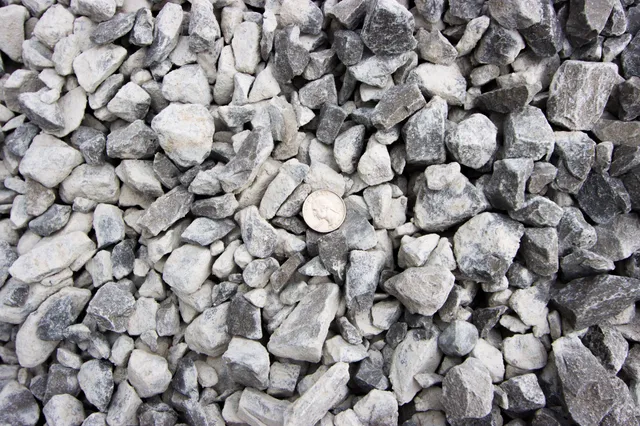
#610 Limestone
Driveway base & Road base
See delivered price
View product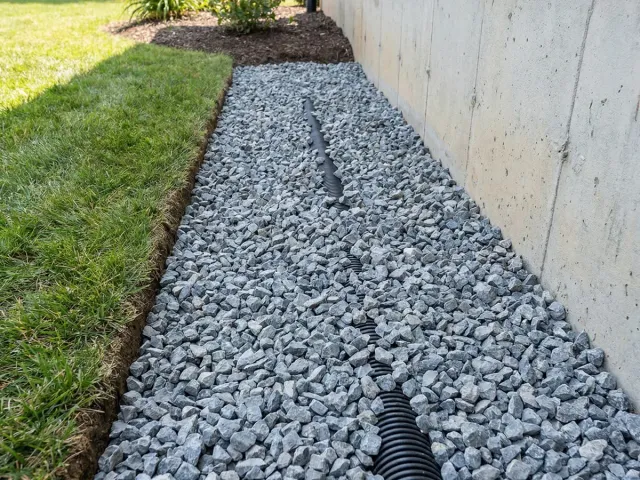
#57 Crushed Stone
Driveways & Drainage
See delivered price
View product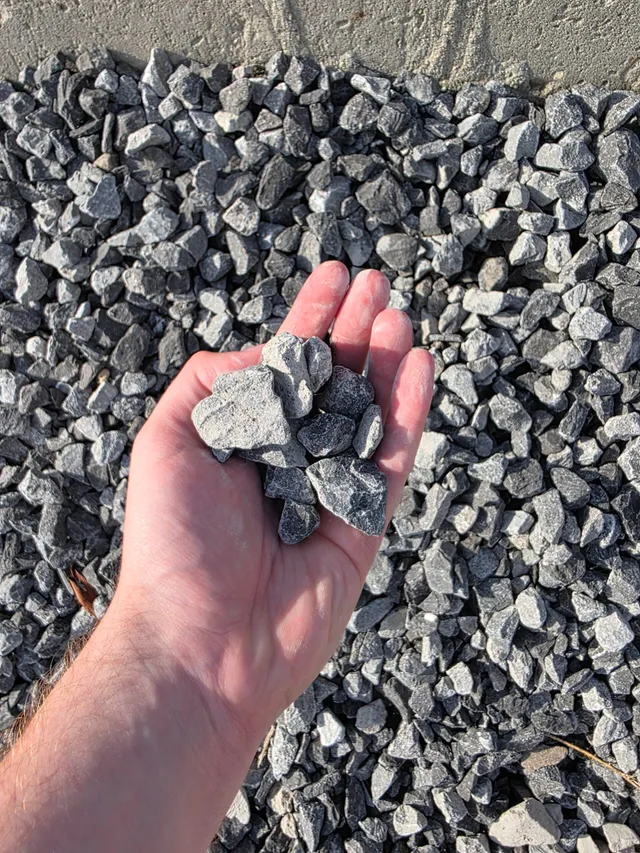
Driveway Gravel
Driveways & Parking areas
See delivered price
View product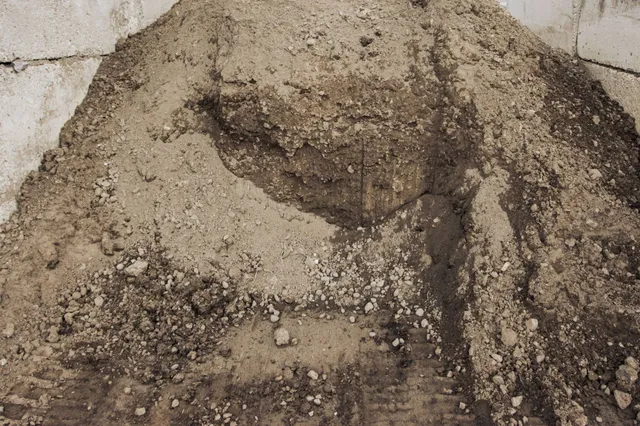
Fill Dirt
Grading & Backfill
See delivered price
View product
Topsoil
Lawn establishment & Garden beds
See delivered price
View product