Dolomite Shed Foundations: Complete Guide to Using Crushed Dolomite for Your Shed Base
Published on: December 12, 2025
Get an estimate for your project in 60 seconds

Building a shed without a proper foundation is like constructing a house on sand. Poor foundations lead to rotting floors, doors that won’t close properly, and structural damage from frost heave. The good news? Dolomite offers an excellent solution for most shed foundation needs.
Yes, dolomite works exceptionally well as a shed foundation material. This crushed sedimentary rock provides superior drainage, excellent load-bearing capacity, and costs significantly less than concrete alternatives. For small to medium sheds up to 12×16 feet, a properly installed dolomite base delivers decades of reliable performance.
Quick Answer: Dolomite crushed stone creates an ideal shed foundation for most residential storage sheds, offering better drainage than concrete at roughly 60% less cost.
You’ll discover exactly when dolomite makes the best choice, how to install it properly, and when you might need concrete instead. We’ll walk through thickness requirements, cost comparisons, and step-by-step installation guidance to ensure your shed sits on solid ground for years to come.
Why your shed’s foundation matters more than you think
Your shed foundation does far more than just provide a level surface. It protects your investment from moisture damage, distributes weight evenly to prevent settling, and creates a barrier against frost heave in cold climates.
Without proper foundation support, even the highest quality shed will develop problems. Moisture seeps up from the ground, causing floor rot and mold growth. Uneven settling creates gaps in walls and prevents doors from closing properly. In freezing climates, frost heave can literally lift and crack your shed’s structure.
A well-designed foundation solves these issues by elevating the shed above ground moisture, providing stable weight distribution, and allowing proper drainage around the structure. The key lies in choosing the right foundation type for your specific situation.
Shed foundation options at a glance
Understanding your foundation choices helps you make the best decision for your shed size, budget, and local conditions. Each option offers distinct advantages depending on your specific needs.
Gravel and crushed stone bases like dolomite provide excellent drainage and work perfectly for most residential sheds. They’re cost-effective, DIY-friendly, and handle freeze-thaw cycles well. Best for sheds up to 12×16 feet on reasonably level ground. If you’re considering alternatives, crushed stone offers similar benefits for parking areas and other applications.
Concrete slabs offer maximum durability and can support heavy workshop equipment or large garage-style buildings. They cost 2-3 times more than gravel but provide the strongest foundation. Ideal for permanent structures or sheds exceeding 200 square feet.

Wood frame foundations using pressure-treated lumber create a traditional approach that works well in areas with good drainage. They’re moderately priced but require more maintenance than stone or concrete options.
Concrete piers and post-and-beam systems work excellently on sloped terrain or in areas with drainage challenges. They elevate the shed well above ground level but require more complex construction.
| Foundation Type | Cost Level | Best Shed Size | Drainage | DIY Difficulty |
|---|---|---|---|---|
| Dolomite/Gravel | Low | Up to 12×16 ft | Excellent | Easy |
| Concrete Slab | High | Any size | Good | Moderate |
| Wood Frame | Medium | Up to 10×12 ft | Fair | Moderate |
| Concrete Piers | Medium-High | Any size | Excellent | Hard |
What makes dolomite ideal for shed foundations
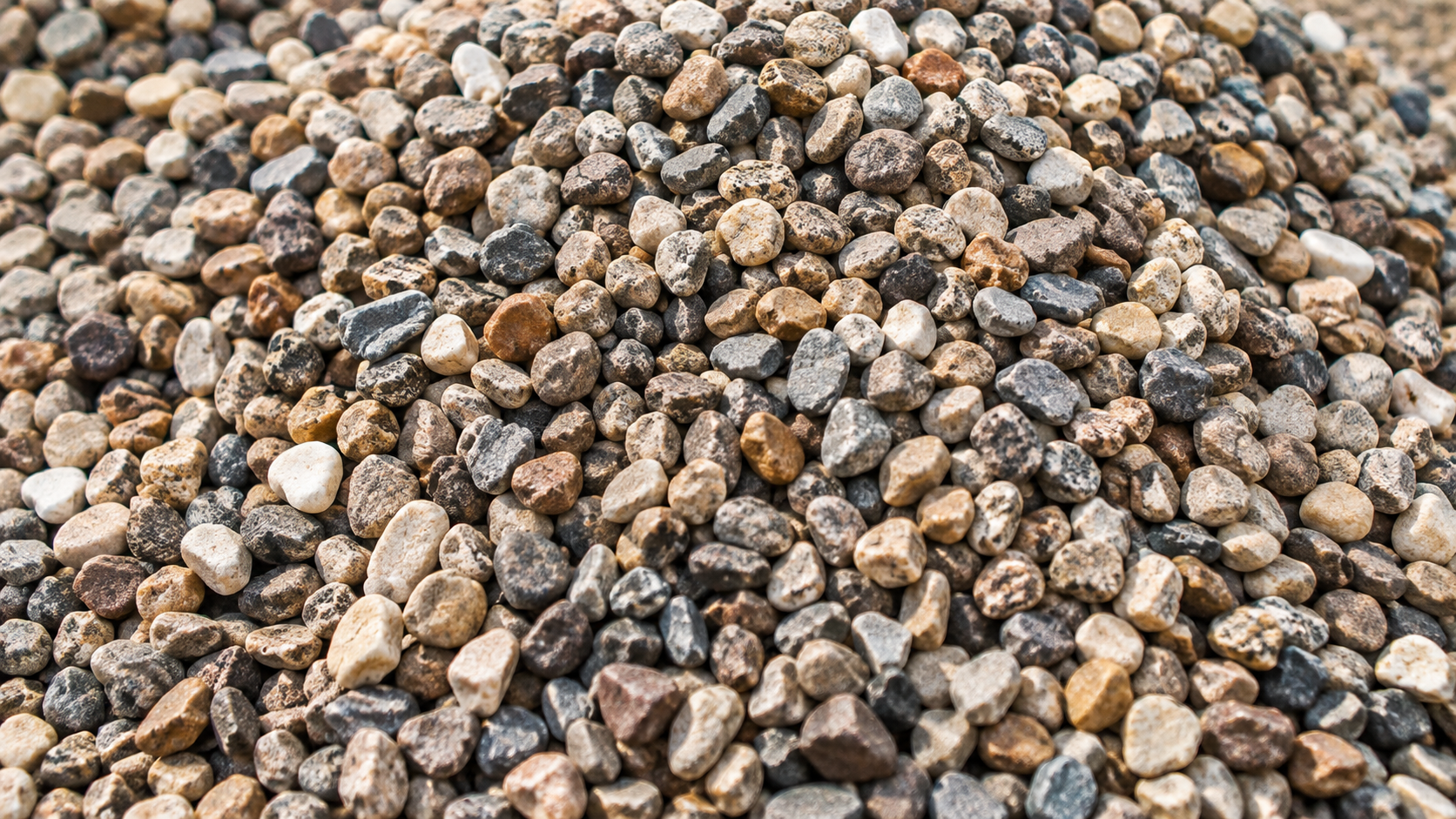
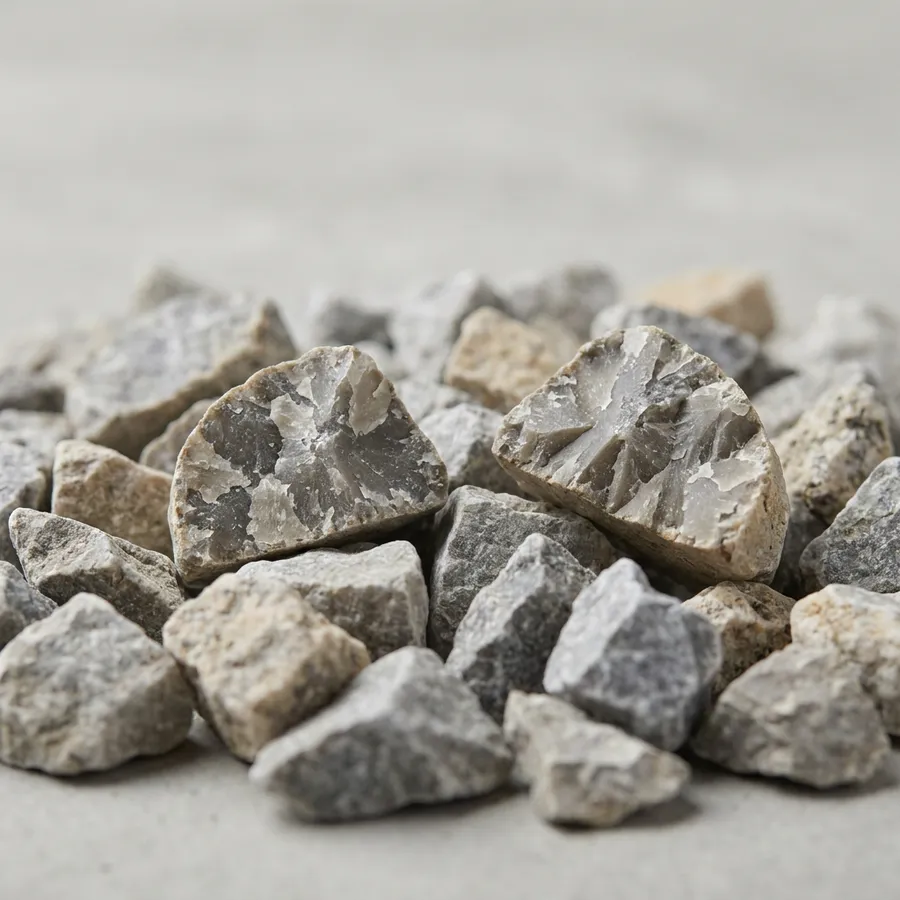
Dolomite stands out among crushed stone options because of its unique mineral composition and physical properties. This sedimentary rock contains high levels of magnesium and calcium carbonate, creating exceptional hardness and weather resistance.
Unlike softer limestone or sandstone, dolomite maintains its angular shape under compression. This characteristic allows it to lock together tightly when compacted, creating a stable base that won’t shift or settle over time. The angular particles also promote excellent drainage, preventing water from pooling around your shed. For comparison, limestone can also be used for shed foundations but has slightly different properties.
Pro Tip: Dolomite’s natural resistance to acid rain and freeze-thaw cycles makes it particularly valuable in harsh climate conditions where other materials might deteriorate.
The material compacts to roughly 95% of its maximum density with standard equipment, providing load-bearing capacity suitable for typical residential sheds. A 4-inch compacted dolomite base can easily support sheds weighing several thousand pounds without settling or structural issues.
For drainage performance, dolomite’s angular structure creates void spaces that allow water to flow freely through the base. This prevents the moisture problems that plague concrete slabs and poorly drained gravel alternatives. Similar drainage benefits make dolomite excellent for patio base projects as well.
How thick should your dolomite shed base be
Base thickness depends primarily on your shed size, local soil conditions, and climate factors. Getting this right prevents settling issues and ensures long-term stability.
For small sheds up to 8×10 feet, a 3-4 inch compacted dolomite base provides adequate support on stable soil. Medium sheds between 8×12 and 10×16 feet perform best with 4-6 inches of compacted material. Large sheds or workshop buildings may require 6-8 inches, especially on softer soils.
Your dolomite pad should extend 12-18 inches beyond the shed footprint on all sides. This extra width prevents edge erosion and provides stable support for the entire structure. In areas with poor drainage or expansive clay soils, consider extending the pad an additional 6 inches.
Cold climate considerations require deeper excavation to get below the frost line. In northern regions, you’ll typically excavate 6-12 inches deeper than standard recommendations to prevent frost heave from affecting your foundation.

Step-by-step dolomite shed foundation installation
Installing a dolomite shed base requires careful planning and proper technique, but most homeowners can complete the project over a weekend with basic tools.
Start by marking your shed area using spray paint or stakes and string. Square the corners using the 3-4-5 triangle method to ensure your foundation stays perfectly rectangular. Calculate your dolomite needs by multiplying length times width times depth in feet, then dividing by 27 to get cubic yards needed.
Excavate to your planned depth plus 2 inches to account for compaction. Remove all grass, roots, and organic material that could decompose and create settling. Check the excavated area for level using a long straight board and level tool.
Install landscape edging around the perimeter to contain your dolomite and prevent spreading. Plastic or metal edging works well for most applications. If your soil has drainage issues, lay landscape fabric before adding dolomite to prevent mixing with underlying soil.
Spread dolomite in 2-inch lifts, compacting each layer thoroughly with a plate compactor or hand tamper. This layered approach ensures maximum density and stability. Check for level frequently and adjust as needed before final compaction.
Installation Tip: Rent a plate compactor for best results – hand tamping rarely achieves the density needed for long-term stability.
Complete final leveling using a screed board or rake, then perform one final compaction pass. Your finished base should be firm, level, and ready for shed installation.
Dolomite costs compared to other foundation options
Understanding foundation costs helps you budget appropriately and choose the most cost-effective solution for your specific situation. Dolomite typically offers the best value for most residential shed applications.
Dolomite foundation costs range from $2-4 per square foot installed, depending on local material costs and site conditions. This includes excavation, edging, material, and basic installation labor. A typical 10×12 shed foundation costs $240-480 using dolomite.
Concrete slab foundations cost $6-12 per square foot, making them 2-3 times more expensive than dolomite alternatives. The same 10×12 shed would require $720-1440 for a concrete foundation. However, concrete provides superior longevity and can support much heavier loads.
Wood frame foundations fall between these options at $4-7 per square foot but require ongoing maintenance and eventual replacement. Concrete pier systems cost $5-9 per square foot but work well on challenging terrain where other options struggle.
For most homeowners storing lawn equipment, seasonal items, or general household goods, dolomite provides excellent performance at the lowest cost. If you’re exploring other materials, pea gravel can also work for shed foundations, though it offers slightly different characteristics. Consider concrete only for heavy workshop equipment, large buildings, or permanent structures requiring maximum durability.
Finding quality dolomite for your project
Source quality matters significantly when choosing dolomite for your shed foundation. Well-graded, clean dolomite compacts better and provides superior long-term performance compared to lower-grade alternatives.
Look for dolomite that’s been properly crushed and screened to remove dust and oversized pieces. The ideal material contains a mix of particle sizes from fine dust up to 3/4-inch pieces, allowing optimal compaction and stability. Avoid dolomite with excessive clay content or organic contamination.
Hello Gravel specializes in providing high-quality dolomite aggregates suitable for shed foundations and other residential projects. Their material meets strict grading standards and arrives clean and ready for installation. With nationwide delivery capabilities, they can supply your project regardless of location. Whether you need dolomite for garden paths or fire pit areas, they have the expertise to help.
When requesting quotes, specify that you need dolomite for a shed foundation application. This ensures you receive properly graded material rather than decorative stone or other alternatives that won’t compact adequately for structural use.
Getting your shed foundation right the first time saves money and prevents future headaches. Quality dolomite from a reputable supplier like Hello Gravel provides the foundation stability your shed needs to perform reliably for decades. Contact them today to discuss your specific project requirements and receive a customized quote for your dolomite needs.
Frequently Asked Questions About Dolomite Shed Foundations
Is dolomite better than regular gravel for a shed foundation?
How thick should a dolomite base be for different shed sizes?
Do I need landscape fabric under a dolomite shed foundation?
Can I install a dolomite shed foundation myself or do I need a professional?
Author: igor