Can You Use Dolomite Around a Fire Pit? Safety Guide and Installation Tips

Published on: December 12, 2025

Get an estimate for your project in 60 seconds

This field is hidden when viewing the form
Security lock iconYour information is secure


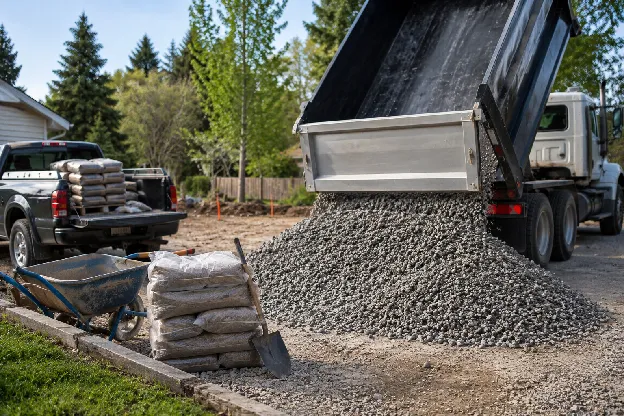
Dolomite gravel around outdoor fire pit with seating area

Planning a fire pit area for your backyard? You’re probably wondering about the best materials to use, and dolomite might have caught your attention. The good news is that dolomite can be safely used around fire pits as a base layer and decorative surface material, though it shouldn’t be used as the inner fire ring itself.

Dolomite offers excellent heat resistance, durability, and natural beauty that makes it a popular choice for fire pit surroundings. However, like any stone material, there are specific ways to use it properly and situations where other materials might be better suited.

Quick Answer: Dolomite is safe and effective for fire pit areas when used as a base layer, surrounding gravel surface, or patio material. It handles heat well and provides excellent drainage, but you’ll still need a proper metal fire ring or fire bricks for the actual burning area.

Let’s explore exactly how to use dolomite in your fire pit project, what makes it a good choice, and how to install it properly for the best results.

What makes dolomite suitable for fire pit areas

Dolomite is a sedimentary rock that’s similar to limestone but with some key differences that matter for outdoor projects. It’s composed primarily of calcium magnesium carbonate, which gives it excellent hardness and weather resistance.

What sets dolomite apart for fire pit use is its density and low porosity. Unlike some softer stones that can crack when exposed to rapid temperature changes, dolomite handles thermal stress quite well. It won’t explode or shatter like some porous rocks might when heated.

The stone also provides excellent drainage, which is crucial around fire pits where you want to avoid water pooling. When properly installed, dolomite creates a stable, long-lasting surface that can handle foot traffic and furniture placement without shifting or degrading. If you’re also planning garden paths or other landscaping features, dolomite’s versatility makes it an excellent choice across multiple projects.

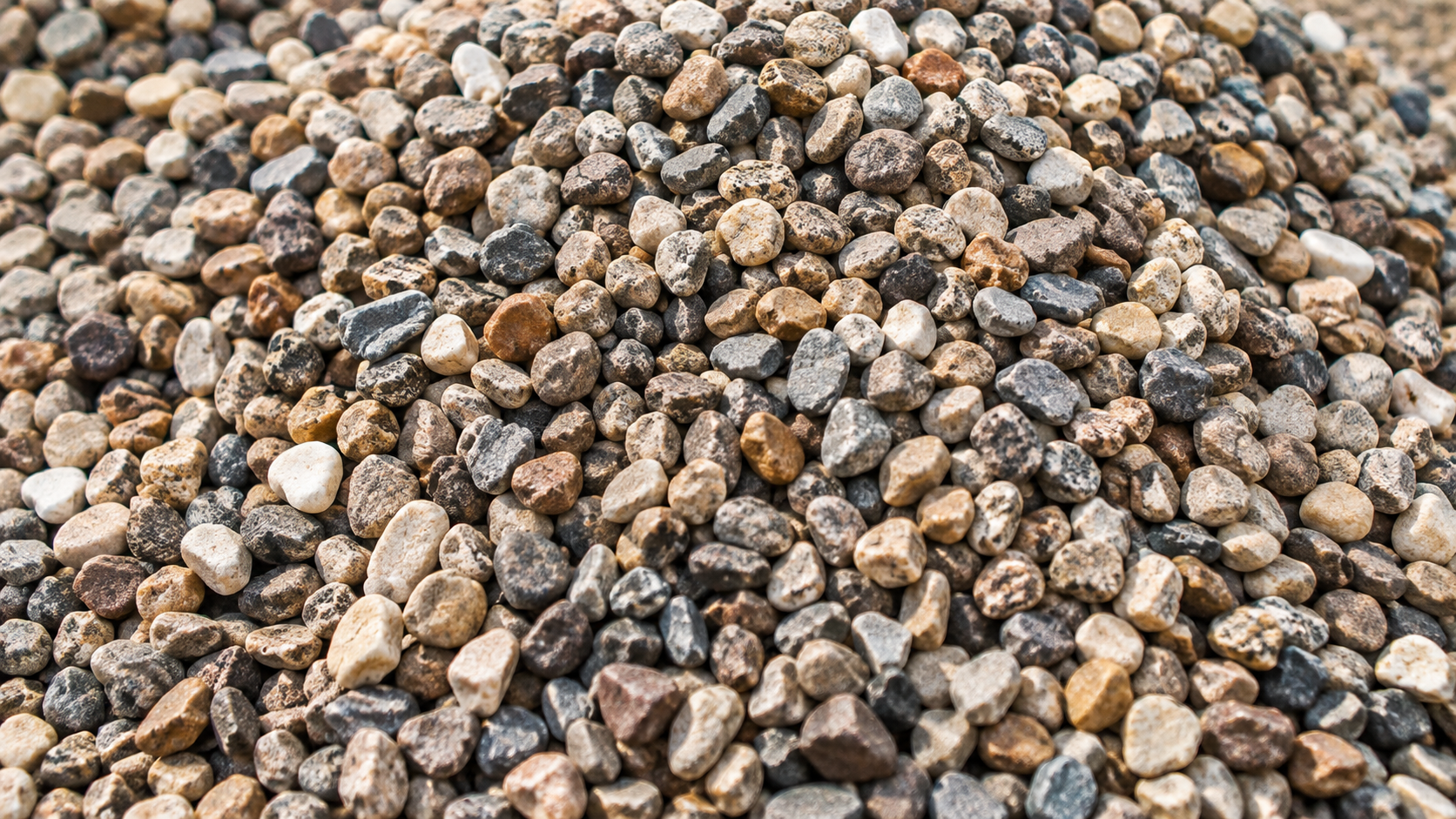
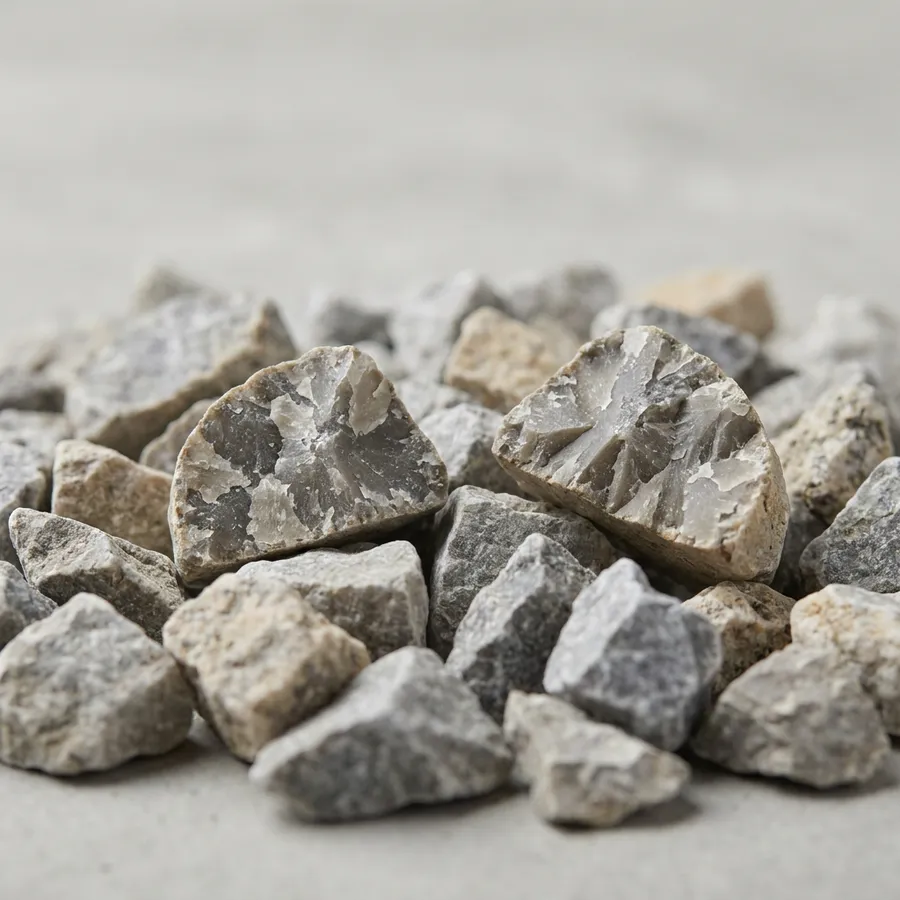
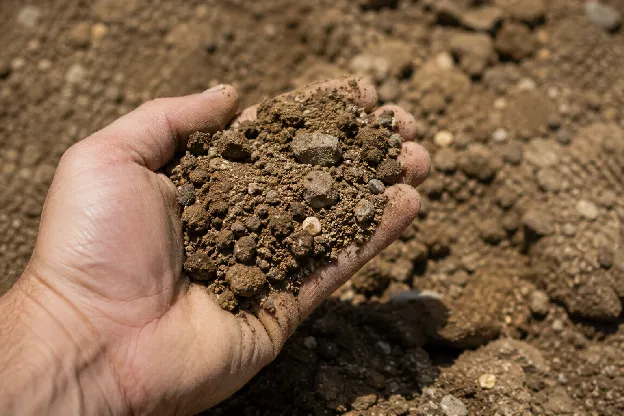
Close-up of dolomite gravel texture and color variations

How to safely use dolomite in your fire pit setup

The key to using dolomite successfully is understanding where it belongs in your fire pit construction. Think of your fire pit area as having different zones, each requiring different materials based on heat exposure and function.

For the base layer, dolomite works exceptionally well. You’ll typically excavate 4-6 inches deep and lay down compacted dolomite as your foundation. This creates excellent drainage and a stable platform for whatever goes on top. Similar to how dolomite serves as a patio base, it provides the structural integrity needed for fire pit installations.

As a decorative surface around the fire pit, dolomite gravel or chips provide an attractive, functional solution. You can spread it in a 2-3 foot radius around your fire ring, creating a defined fire pit area that’s both safe and visually appealing.

However, don’t use dolomite as your actual fire ring or inner burning surface. The direct flame contact requires specialized materials like steel fire rings or refractory fire bricks that are specifically designed for extreme heat exposure. For comparison, materials like granite and basalt also make excellent fire pit surrounds with similar heat-resistant properties.

Safety Tip: Always maintain at least a 10-foot clearance from structures and use a proper metal fire ring or fire-rated blocks for the actual burning area, regardless of your surrounding stone choice.

Comparing dolomite to other fire pit materials

When choosing materials for your fire pit area, it helps to understand how dolomite stacks up against other popular options. Each material has its strengths depending on your specific needs and budget.

Material Heat Resistance Durability Maintenance Best Use
Dolomite Good Excellent Low Base/surround
Granite Excellent Excellent Low All areas
Pea Gravel Good Good Medium Decorative surface
Fire Brick Excellent Good Low Inner ring only

Granite performs similarly to dolomite but typically costs more. Both stones handle freeze-thaw cycles well and resist cracking under normal fire pit conditions. Pea gravel is less expensive but doesn’t compact as well for base layers.

Metal fire bowls offer a completely different approach, providing portability and easy setup but requiring more maintenance and offering less permanent aesthetic integration with your landscape. If you’re considering alternative materials, limestone offers similar benefits to dolomite at comparable price points.

The choice often comes down to your specific situation. If you want a permanent, natural-looking fire pit area with excellent drainage and low maintenance, dolomite hits that sweet spot of performance and value.

Step-by-step installation guide

Installing a dolomite fire pit area isn’t complicated, but doing it right ensures years of safe enjoyment. Start by checking local codes for fire pit placement and required clearances from structures.

Begin by marking your area and excavating to about 6 inches deep, removing all grass and organic material. The excavated area should extend at least 3 feet beyond your planned fire ring in all directions.

Next, lay down landscape fabric if you want weed prevention, then add your base layer of dolomite. Compact it thoroughly using a plate compactor or hand tamper, working in 2-inch lifts until you reach your desired level. This process is similar to preparing a shed foundation, where proper compaction is critical for long-term stability.

Install your metal fire ring or arrange your fire bricks for the burning area. Then add your final layer of decorative dolomite around the fire ring, raking it smooth and ensuring good drainage away from the center.

Pro Tip: Order about 20% more dolomite than your calculations suggest. You’ll use some for initial settling and want extra on hand for future touch-ups as the material naturally compacts over time.

Step-by-step fire pit installation showing excavation and dolomite layers

Maintenance and long-term performance

One of dolomite’s biggest advantages is how little maintenance it requires once properly installed. Unlike wood decking or concrete that needs regular sealing, dolomite essentially takes care of itself.

You’ll occasionally need to rake the surface gravel to keep it looking neat and may want to add a thin layer every few years as some material naturally works its way down into the base. Weeds can sometimes sprout through the gravel, but they’re easy to pull or treat with standard weed control methods. If you’re using dolomite for multiple applications like landscaping mulch alternatives, you’ll appreciate this low-maintenance characteristic across your entire property.

In areas with harsh winters, dolomite handles freeze-thaw cycles much better than many alternatives. The stone’s density and drainage properties prevent the water absorption and expansion that can crack other materials.

The biggest long-term consideration is keeping the fire ring itself in good condition. While your dolomite surround will likely last decades with minimal care, metal fire rings may need replacement every 5-10 years depending on usage and weather exposure.

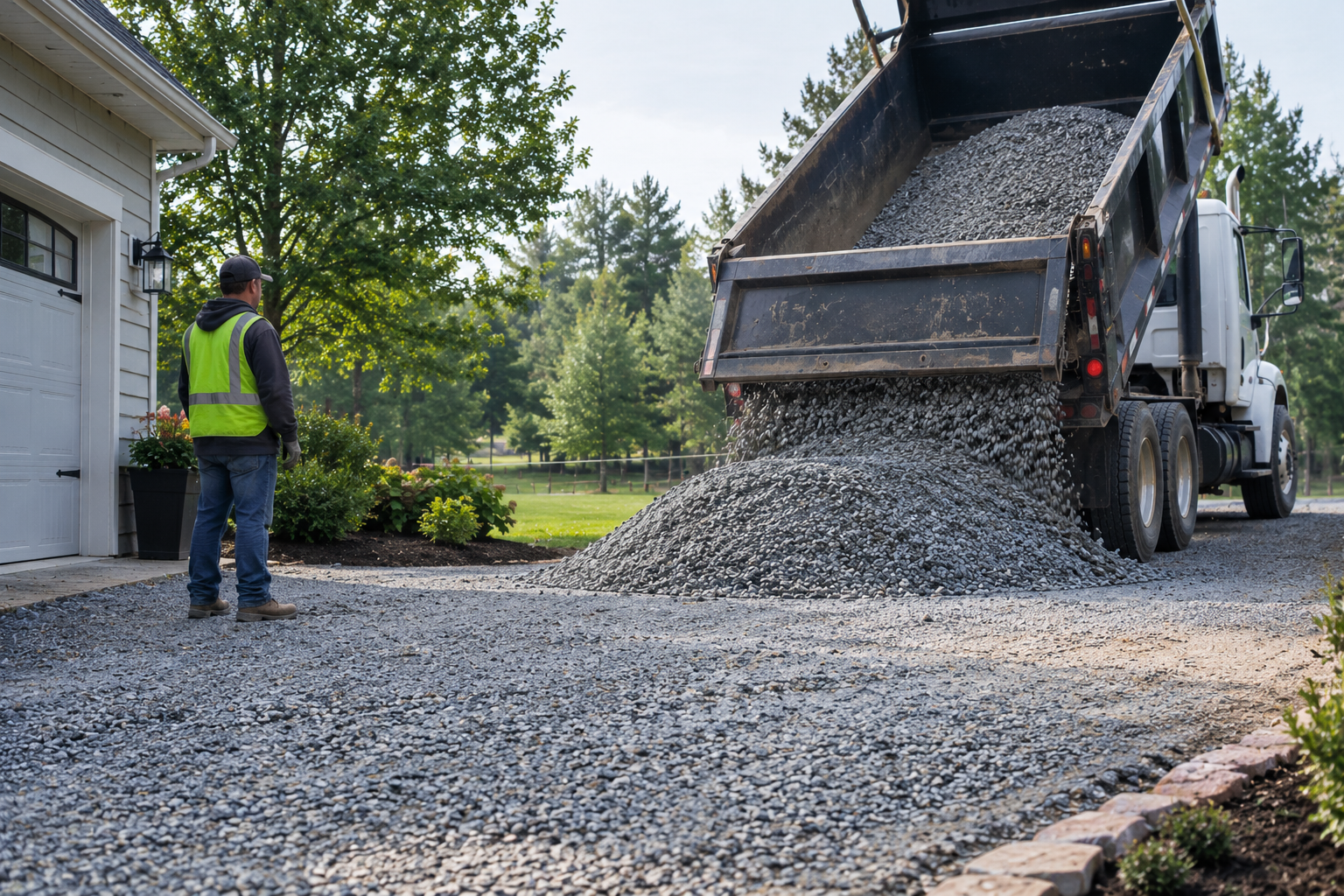
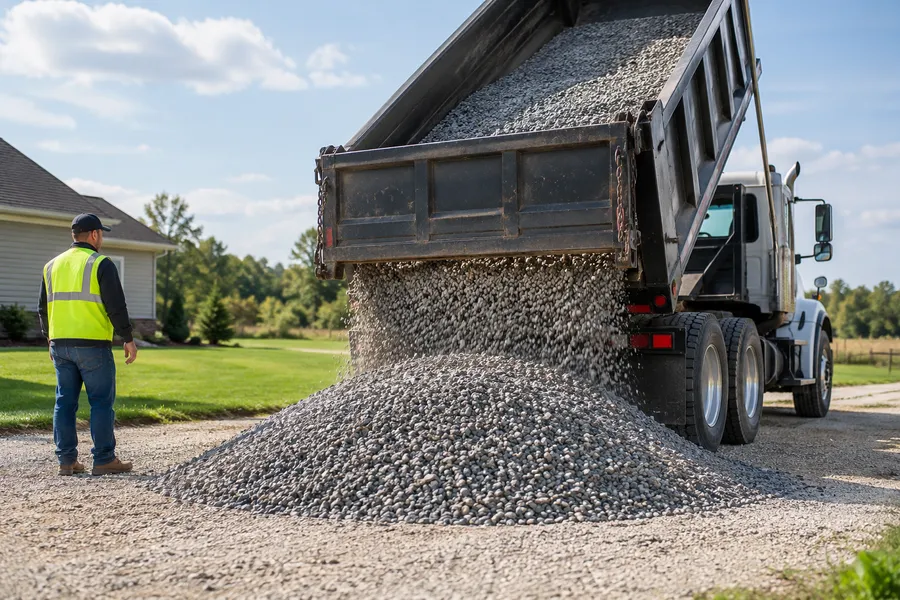
Ready to start your fire pit project with quality dolomite? Hello Gravel offers various grades of dolomite perfect for fire pit applications, with convenient delivery to make your project easier. Whether you need base material, decorative gravel, or both, we can help you calculate the right quantities and get everything delivered when you need it.

FAQ

Is dolomite safe to use around a fire pit?

Yes, dolomite is safe to use around a fire pit when properly installed as a base layer or decorative surface material. Its dense composition and low porosity make it resistant to thermal stress and cracking. However, you should never use dolomite as the inner fire ring itself – always use a proper metal fire ring or fire bricks for direct flame contact. Dolomite works excellently for the surrounding area, providing good drainage and a stable walking surface.

Will dolomite rocks explode or crack in high heat?

Dolomite is much less likely to explode than porous rocks like river rock or some types of gravel because of its dense structure and excellent drainage properties. When properly installed with good drainage, dolomite handles thermal stress well without cracking or shattering. The key is ensuring the stone is dry and well-drained, as trapped moisture in any stone can cause problems when rapidly heated.

How deep should the dolomite layer be around a fire pit?

For the base layer, excavate 4-6 inches deep and fill with compacted dolomite to create a stable foundation. For the decorative surface layer around the fire pit, spread dolomite 2-3 inches deep in a radius of at least 3 feet from the fire ring. This depth provides adequate drainage, stability, and heat protection while creating an attractive, functional surface for seating and foot traffic.

How does dolomite compare to other fire pit materials like granite or pea gravel?

Dolomite offers excellent value compared to other materials – it’s more affordable than granite while providing similar heat resistance and durability. Unlike pea gravel, which doesn’t compact well for base layers, dolomite creates a stable, long-lasting foundation. It also drains better than limestone and requires less maintenance than loose gravel materials. For most fire pit projects, dolomite provides the best balance of performance, aesthetics, and cost-effectiveness.

Author: igor