Dolomite Gravel for Garden Paths Benefits, Drawbacks and Installation Guide

Published on: December 12, 2025

Get an estimate for your project in 60 seconds

This field is hidden when viewing the form
Security lock iconYour information is secure


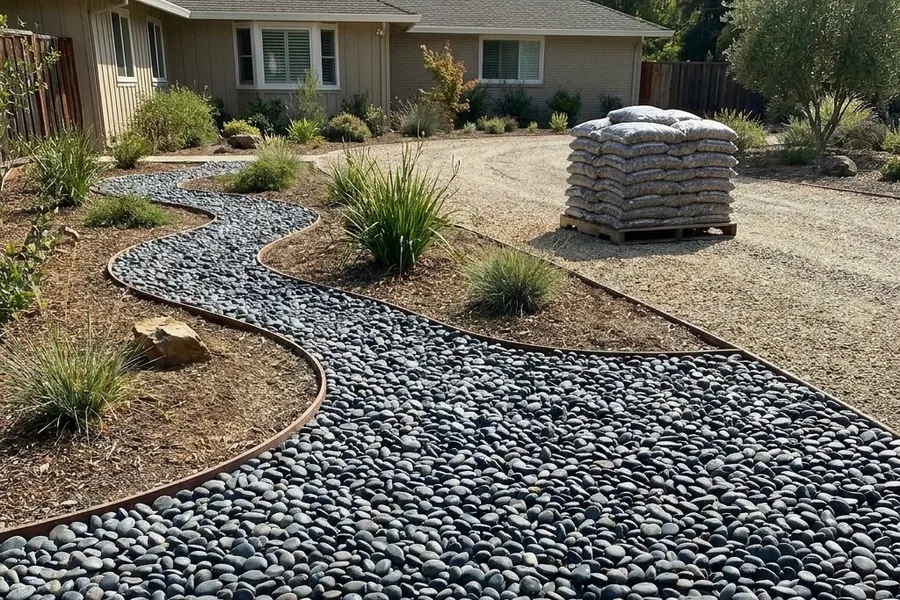
Beautiful finished garden path made of white dolomite gravel

Are you tired of muddy garden routes that turn into puddles after every rain? Dolomite gravel can be an excellent solution for garden paths, offering superior drainage, durability, and a clean aesthetic appearance. However, like any material, it comes with both advantages and limitations you should understand before starting your project.

This guide walks you through everything you need to know about using dolomite for garden paths, from understanding what makes it special to step-by-step installation and ongoing maintenance requirements.

Quick Answer: Dolomite gravel works exceptionally well for garden paths due to its hardness, excellent drainage properties, and attractive light color. It’s particularly suitable for areas with drainage issues or where you want a bright, clean-looking pathway.

What is dolomite gravel?

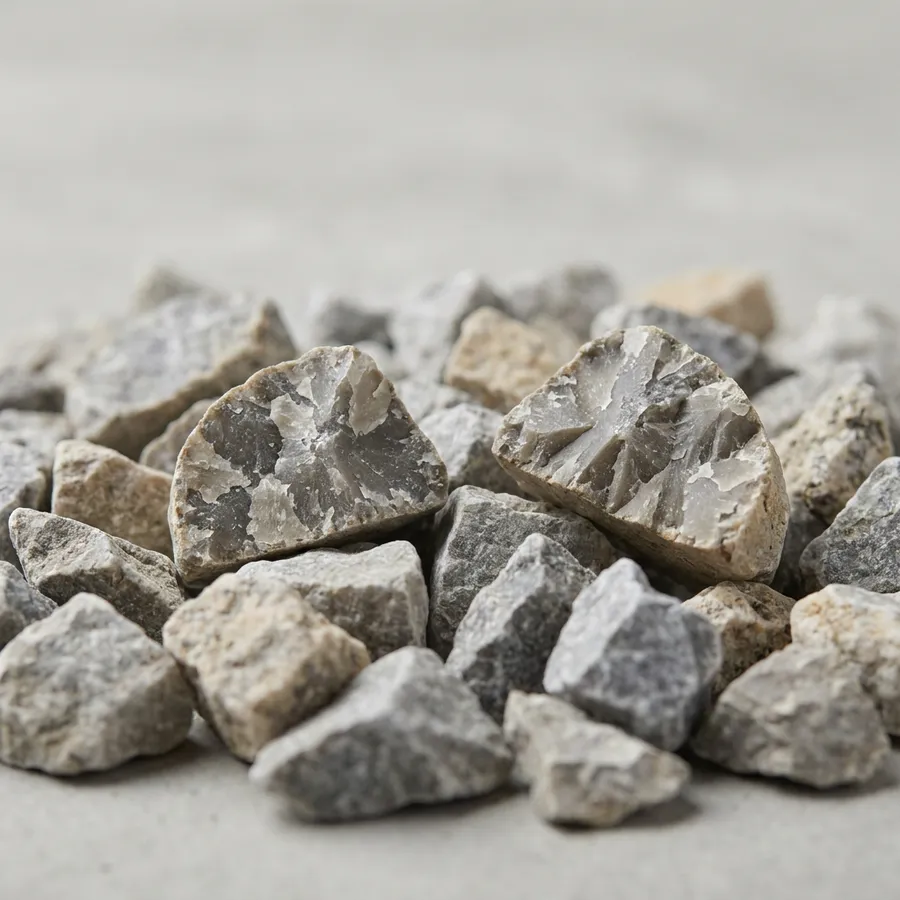
Dolomite is a crushed limestone that gets its name from French mineralogist Déodat de Dolomieu. Unlike regular gravel, dolomite has been specifically processed to create uniform pieces with excellent binding properties.

The key difference between dolomite and standard gravel lies in its composition and hardness. Dolomite contains both calcium and magnesium carbonate, making it significantly harder than many alternatives. This composition gives it superior load-bearing capacity and resistance to weather-related breakdown.

When you’re choosing between materials, dolomite typically offers better compaction than loose gravel while remaining more affordable than solid paving options. Its natural white to light gray color also reflects light, making pathways appear brighter and more welcoming. If you’re considering other materials, limestone also works well for garden paths with similar aesthetic benefits.

Benefits of using dolomite for garden paths

The primary advantage of dolomite is its exceptional drainage capability. Unlike solid surfaces that create runoff, dolomite allows water to filter through, preventing puddles and reducing erosion around your garden beds.

Durability stands out as another major benefit. Once properly installed and compacted, dolomite paths can handle regular foot traffic for years without significant wear. The material resists breaking down under normal garden use, maintaining its appearance and functionality.

From an aesthetic perspective, dolomite’s light color creates visual contrast against green plants and dark soil. This makes pathways clearly defined while complementing most garden styles, from modern minimalist designs to traditional cottage gardens. For those seeking alternative light-colored options, marble chips can also create attractive garden paths with a similar bright appearance.

Pro Tip: Dolomite’s natural pH-balancing properties can actually benefit nearby plants by slowly releasing calcium and magnesium into surrounding soil over time.

Installation proves relatively straightforward compared to concrete or paver alternatives. You don’t need specialized tools or professional expertise for most garden path projects, making it an accessible DIY option. If you’re planning multiple landscaping projects, dolomite can also serve as an excellent patio base material with similar installation techniques.

Cross-section diagram showing layers of dolomite gravel path installation

Drawbacks and limitations to consider

Despite its benefits, dolomite does track onto shoes and can be carried indoors, especially during wet conditions. This means you’ll need to consider placement relative to entrances and high-traffic areas.

Weed growth presents another challenge. Unlike solid surfaces, loose aggregate materials allow weeds to establish between stones. While proper preparation helps minimize this issue, ongoing maintenance becomes necessary.

Over time, foot traffic and weather can cause some breakdown of finer particles, creating dust during dry periods. This is particularly noticeable in areas with heavy use or where proper compaction wasn’t achieved during installation.

Accessibility considerations matter too. Dolomite paths can be challenging for wheelchairs, walkers, or strollers due to the loose surface. If accessibility is important, you might need to consider firmer alternatives or use dolomite as a base under stepping stones. For pet owners, using dolomite for a dog run area requires similar accessibility considerations.

Reality Check: While dolomite requires less maintenance than grass paths, it’s not maintenance-free. Plan for occasional raking, weed control, and periodic top-ups.

Installation process step by step

Start by planning your path route and measuring the area. A typical garden path needs 75-100mm depth of dolomite, so calculate accordingly. Mark the pathway boundaries with spray paint or stakes.

Excavate the marked area to about 150mm deep, removing all grass and organic material. Create a slight slope away from buildings or sensitive areas to ensure proper drainage. The sub-base should be firm and level. Similar preparation techniques apply when installing a shed foundation with dolomite.

Install edging materials like timber, brick, or metal strips to contain the dolomite. This step prevents spreading and maintains clean path edges over time. Secure edging firmly since it bears the lateral pressure from foot traffic.

Choose the appropriate dolomite size for your needs. Finer grades work better for walking paths, while larger sizes suit areas that might see occasional garden cart use. Spread the material evenly, then compact using a plate compactor or hand tamper.

Work in sections, adding material gradually rather than trying to achieve full depth in one pass. Proper compaction is crucial for long-term stability and prevents settling that creates uneven surfaces. For comparison, pea gravel installation follows similar compaction principles.

Before and after transformation of garden path with dolomite gravel

Maintenance and long-term care

Regular raking helps maintain an even surface and prevents the formation of ruts or low spots. Plan to do this monthly during heavy-use periods, or whenever you notice uneven areas developing.

Weed control requires a two-pronged approach. Apply pre-emergent herbicide in early spring, then spot-treat any breakthrough weeds promptly. Avoid using tools that disturb the compacted surface when removing larger weeds.

Expect to add fresh dolomite every 2-3 years, depending on usage levels. Weather and foot traffic gradually break down surface materials, so periodic top-ups maintain both appearance and functionality. If you’re also using dolomite in other areas, consider combining it with landscaping mulch alternatives for a cohesive garden design.

During dry spells, lightly misting the path surface can reduce dust. However, avoid overwatering, which can wash away fines and create soft spots that compromise the path’s stability.

Hello Gravel provides high-quality dolomite in various grades suitable for garden path projects. Our delivery service ensures you get the right amount of material when you need it, taking the guesswork out of your landscaping project. Contact us today to discuss your garden path needs and get a customized quote for your specific requirements.

Frequently Asked Questions About Dolomite Garden Paths

Is dolomite good for garden paths?

Yes, dolomite is excellent for garden paths due to its durability, superior drainage properties, and attractive light color. It compacts well to create a stable walking surface while allowing water to filter through, preventing puddles and mud formation. The material is particularly suitable for areas with drainage issues or where you want a bright, clean-looking pathway that complements most garden styles.

What size dolomite gravel is best for garden paths?

For garden paths, finer grades of dolomite (typically 1/4 to 1/2 inch) work best as they provide a smoother, more comfortable walking surface and compact better than larger sizes. Smaller particles create better stability and are easier on feet, while still maintaining excellent drainage properties. Avoid very large grades that can be uncomfortable to walk on or create an unstable surface.

How deep should a dolomite garden path be?

A typical dolomite garden path should be 75-100mm (3-4 inches) deep when properly compacted. For areas with poor drainage or heavy foot traffic, you may need to excavate deeper (up to 150mm) to accommodate a base layer of crushed rock before adding the dolomite surface layer. Proper depth ensures long-term stability and prevents settling that creates uneven surfaces.

Does dolomite affect soil pH around plants?

Dolomite contains calcium and magnesium carbonate, which can slowly release these minerals and slightly raise soil pH over time. However, when used as a path surface, the effect on surrounding soil is minimal and gradual, mainly limited to areas where fine particles wash into garden beds. This is generally beneficial for most plants, though acid-loving species like azaleas or blueberries should be monitored if large amounts migrate into their root zones.

Author: igor