Marble Chips vs Mulch for Raised Garden Beds: Which Should You Choose?
Published on: December 12, 2025
Get an estimate for your project in 60 seconds

You’ve probably seen those stunning raised beds with bright white marble chips and wondered if they’re right for your garden. The short answer is yes, but only under specific conditions. Marble chips work beautifully as decorative mulch for ornamental plants and heat-tolerant perennials, but they’re not ideal for vegetable gardens or acid-loving plants like blueberries.
Quick Fact: Marble chips gradually raise soil pH, making it more alkaline over time. This can benefit plants that prefer neutral to slightly alkaline conditions but may harm acid-loving species.
Unlike organic mulches that decompose and feed your soil, marble chips are an inorganic mulch that provides drainage, weed suppression, and lasting beauty without breaking down. The key is knowing when to use them and when to stick with traditional wood mulch.
What makes marble chips different from regular mulch
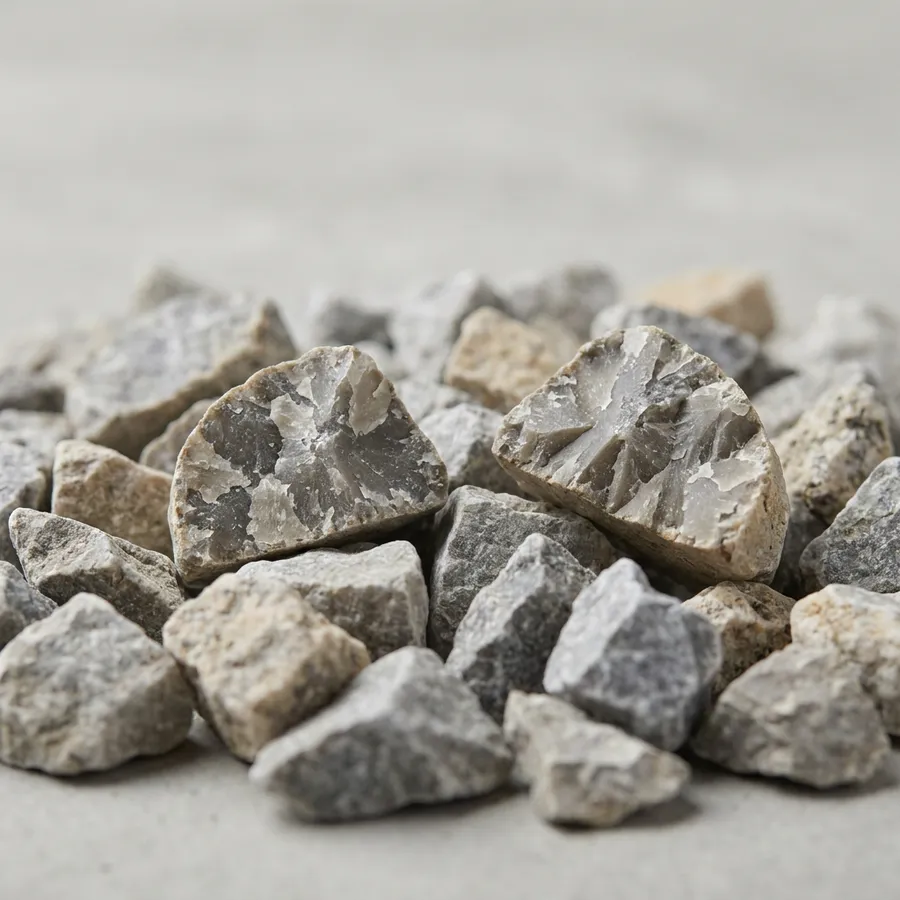
Marble chips are crushed pieces of metamorphic rock that serve as permanent ground cover. Think of them as nature’s decorative stones that never need replacing, unlike wood chips that decompose every few years.
The main difference lies in their behavior over time. Organic mulches like wood chips slowly break down, adding nutrients and improving soil structure. Marble chips stay put, providing consistent drainage and temperature regulation without contributing organic matter to your soil.
This permanence makes marble chips excellent for low-maintenance landscaping around shrubs and perennials, but less suitable for vegetable beds where you want soil improvement and easy seasonal changes. If you’re considering different materials for your raised beds, you might also want to explore using limestone for raised garden beds, which offers similar pH-raising properties.

When marble chips work best in raised beds
Marble chips shine in specific gardening scenarios where their unique properties become advantages rather than limitations. They’re perfect for ornamental raised beds with heat-tolerant plants like lavender, rosemary, and Mediterranean herbs that actually prefer well-drained, slightly alkaline soil.
Pro Tip: Use marble chips around permanent plantings like ornamental grasses and drought-tolerant perennials where you want a clean, formal look that lasts for years.
In hot, dry climates, marble chips help conserve water by reducing evaporation from the soil surface. They’re also excellent in areas with heavy rainfall where organic mulch might stay too wet and encourage fungal problems. For similar drainage benefits in other garden projects, consider pea gravel for raised garden beds as an alternative option.
The bright white color reflects light, which can be beneficial in partially shaded areas where you want to brighten the space. However, this same reflective property can create excessive heat in full-sun locations during summer.
The downsides you need to consider
Before choosing marble chips, understand their potential drawbacks. The biggest concern is their effect on soil chemistry. As marble chips weather, they slowly release calcium carbonate, gradually raising your soil’s pH from neutral toward alkaline.
This pH shift happens slowly over months and years, but it can eventually make your soil unsuitable for acid-loving plants like blueberries, azaleas, and rhododendrons. If you’re growing vegetables, many prefer slightly acidic to neutral soil, making marble chips a poor choice for edible gardens.
Heat reflection is another consideration. In hot, sunny locations, white marble chips can create a microclimate that’s several degrees warmer than surrounding areas. This extra heat can stress shallow-rooted plants and increase water needs. For projects requiring better heat management, river rock for raised garden beds might be a more suitable alternative.
Unlike organic mulch, marble chips don’t retain moisture or improve soil structure. You’ll need to water more frequently and rely on fertilizers to maintain soil fertility since the stones contribute no nutrients.
| Feature | Marble Chips | Organic Mulch |
|---|---|---|
| Lifespan | 10+ years | 1-3 years |
| Soil pH Effect | Raises pH | Neutral |
| Moisture Retention | Low | High |
| Soil Improvement | None | Excellent |
How to install marble chips properly
Installing marble chips requires more preparation than spreading organic mulch, but the process is straightforward when done correctly. Start by ensuring your raised bed has proper drainage and is filled with quality soil mix.
Before adding marble chips, consider installing landscape fabric to prevent weeds and keep the stones separate from your soil. This barrier is especially important if you might want to remove the chips later or switch to organic mulch.
Apply marble chips in a layer about 2 inches deep. Deeper layers can impede water penetration, while thinner coverage won’t provide adequate weed suppression. Keep chips pulled back about 3 inches from plant stems to prevent moisture retention against the bark.
Installation Tip: Choose chips sized between 0.5 to 1.5 inches for best results. Smaller pieces can compact and create drainage issues, while larger chunks leave gaps that allow weeds to emerge.
For raised beds, calculate about 2 cubic feet of marble chips per 100 square feet of surface area at 2-inch depth. This coverage provides the right balance of function and aesthetics without overwhelming your plants. If you’re also planning other hardscape projects, you might find it helpful to learn about using marble chips for fire pit areas or marble chips for patio bases.

After installation, set up a watering schedule that accounts for reduced moisture retention. Drip irrigation works particularly well with stone mulch since it delivers water directly to the root zone without wasting water on the surface.
The choice between marble chips and organic mulch ultimately depends on your gardening goals, plant selection, and maintenance preferences. Marble chips offer lasting beauty and low maintenance for ornamental beds, while organic mulch provides soil health benefits essential for productive vegetable gardens. Consider your specific needs, climate, and plant choices to make the decision that best serves your garden’s long-term success. For those exploring other stone options, granite for raised garden beds provides another durable alternative worth considering.
FAQ
Can marble chips be used in vegetable raised beds?
Will marble chips hurt my plants?
How thick should marble chips be around plants?
Are marble chips better than wood mulch for raised beds?
Author: igor