
Pea Gravel Around Raised Garden Beds (Complete Guide)
Pricing your pea gravel? Get delivered 3/8" Natural Pea Gravel prices for your ZIP.
We'll text your delivered price. No obligation.
Delivered to your driveway. You pick the date.
* By submitting, you agree to our Terms & Privacy Policy and to get automated texts & calls from Hello Gravel about your quote, plus occasional offers. Agreeing isn’t required to buy. Msg frequency varies. Msg & data rates may apply. Reply STOP to opt out, HELP for help.
- 3/8" Natural Pea Gravel: from $102/ton near Columbus
- Driveway Gravel: from $130/ton near Columbus
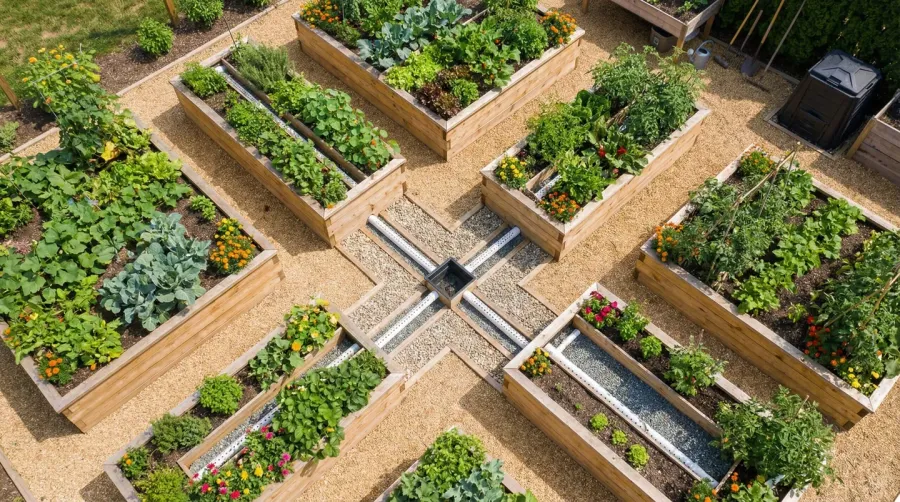
If your raised beds sit in puddles after every rain or you’re tired of weeding muddy paths between them, pea gravel can solve both drainage issues and maintenance headaches while giving your garden a polished, professional look. This small, rounded stone material works exceptionally well both inside raised beds as a drainage layer and around them as clean, accessible pathways.
Yes, pea gravel can absolutely be used for raised garden bed projects. The key is understanding where and how to use it properly. You can apply pea gravel as a top-dressing mulch inside beds, create a drainage layer at the bottom, or install it around beds as attractive, mud-free paths that make garden maintenance much easier.
Quick Tip: Pea gravel typically measures 3/8 inch in diameter, making it comfortable to walk on while providing excellent drainage properties that prevent water from pooling around your raised beds.
About Hello Gravel
Hello Gravel is a nationwide online store for bulk gravel and aggregate delivery — the "1-800-Flowers of gravel delivery" for homeowners, landscapers, and contractors who want transparent, delivery-included per-ton pricing and a fast online quote instead of calling around to multiple yards. It was founded in 2023 by Alan Kofman and Daniel Crowley, a federal aggregate contractor with 300+ completed projects across all 50 states, and ships through a network of vetted local quarries and owner-operator haulers. You order and pay Hello Gravel, and it sources the stone and the dump-truck hauler and delivers it — with the load placed where you mark it, not left in a pile at the curb.
Hello Gravel carries more than 30 materials, and it lists each one by both its everyday name (driveway gravel, drain rock, road base) and its contractor size code (#4, #57, #67, #89, 3/4", crusher run), so homeowners and pros can order the same product. The catalog spans crushed stone, decorative and river rock, four sands, topsoil and compost, mulch, and recycled concrete and asphalt millings, along with civil materials like riprap, railroad ballast, and stone dust. Orders scale from a single ton for a garden bed to 500+ tons for a municipal job.
Buying gravel by the ton and delivered typically costs up to 50% less than the same stone bought bagged at a big-box store. Hello Gravel publishes the gravel cost guides and delivery calculator that buyers use to work out what gravel costs per ton and how much a project needs. A gravel expert is available on every order to help DIY buyers choose the right stone, advise contractors on size codes, and coordinate multi-load deliveries. Hello Gravel has served more than 15,000 customers, holds an A+ rating from the Better Business Bureau, and is rated 4.9 out of 5 on Reviews.io.
What is pea gravel and why does it work so well
Pea gravel consists of small, naturally rounded stones that have been smoothed by water over time. Unlike crushed stone with sharp edges, these smooth pebbles create a comfortable walking surface while allowing water to flow freely between the stones.
The rounded shape prevents the stones from locking together tightly, which maintains excellent drainage while staying relatively stable underfoot. This makes pea gravel ideal for garden applications where you need both water management and accessibility.
Most pea gravel ranges from 1/4 inch to 3/8 inch in diameter. The smaller sizes work better as mulch inside raised beds, while the standard 3/8 inch size performs excellently for paths and borders around your garden beds.
Pros and cons you need to consider
Drainage and root health benefits
Pea gravel excels at moving water away from plant roots, which prevents the root rot that kills many garden plants. When used as a drainage layer at the bottom of raised beds, it creates space for excess water to collect and drain away rather than saturating the soil.
Around raised beds, pea gravel paths prevent water from pooling and creating muddy conditions that can splash soil-borne diseases onto your plants. This improved drainage also means you can access your garden sooner after rain without damaging wet soil.
Weed and pest control advantages
A properly installed pea gravel path with landscape fabric underneath virtually eliminates weeds in high-traffic areas. The stones create an environment that most weeds cannot penetrate, saving you hours of maintenance time throughout the growing season.
Many garden pests like slugs and snails find pea gravel difficult to cross. The rough texture and dry environment discourage these moisture-loving pests from reaching your plants, providing natural pest control without chemicals.
Potential drawbacks to consider
Pea gravel can shift and track into other areas if not properly contained with edging. Without borders, the stones gradually migrate away from paths and can end up in your lawn or garden beds where they become difficult to remove.
The stones also absorb and radiate heat, which can stress young plants or those with shallow root systems. In hot climates, this heat buildup may require more frequent watering and careful plant selection for areas immediately adjacent to gravel surfaces.
Important Note: While pea gravel provides excellent drainage, it can dry out soil faster than organic mulches, so monitor soil moisture levels more closely, especially during hot weather.
Best ways to use pea gravel with raised beds
Inside raised beds as mulch and drainage
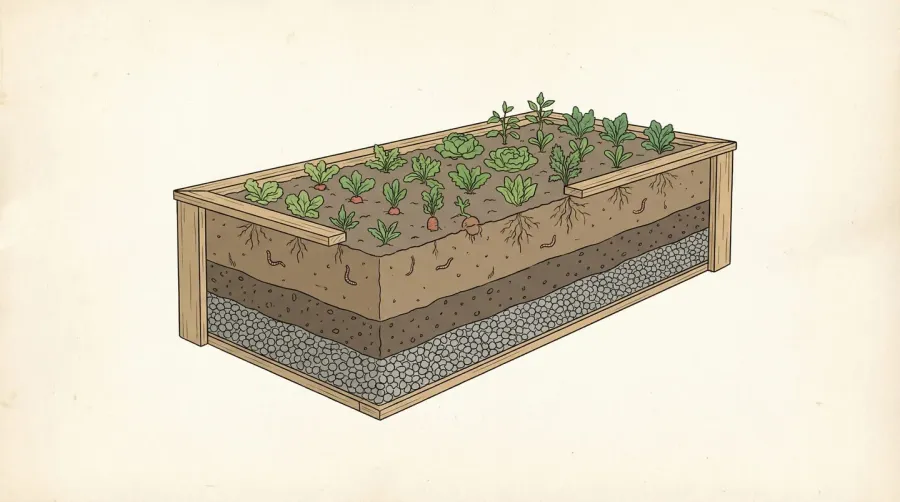
For drainage layers, place 2-3 inches of pea gravel at the bottom of deep raised beds before adding soil. This prevents water from sitting at the root level while still maintaining soil moisture in the growing zone above.
As a surface mulch, apply just 1-2 inches of smaller pea gravel around established plants. This works particularly well for Mediterranean herbs, succulents, and other plants that prefer drier conditions around their stems.
Around raised beds for paths and borders
Create 2-3 foot wide paths between raised beds using 2-3 inches of pea gravel over landscape fabric. This width accommodates wheelbarrows and provides comfortable access for maintenance tasks.
The gravel paths also define your garden layout clearly, creating clean lines that make the entire space look more intentional and well-maintained. Choose neutral colors that complement your plants rather than competing with them visually. For similar applications, using pea gravel as edging for flower bed projects creates equally attractive borders.
Calculating the right depth
For drainage layers inside beds, stick to 2-3 inches maximum. Deeper layers can actually impede drainage by creating a perched water table effect.
Path applications need 2-3 inches for light foot traffic, but increase to 3-4 inches for areas that will see wheelbarrow use or heavy equipment. Thinner applications tend to shift and expose the underlying fabric or soil.
Step-by-step installation around raised beds
Planning your layout and materials
Measure the total square footage of paths you want to create, then calculate cubic yards needed based on your chosen depth. Most suppliers sell pea gravel by the cubic yard, and you’ll typically need about 1.5 cubic yards to cover 100 square feet at 2 inches deep.
Mark out your planned paths with spray paint or flags before ordering materials. This helps you visualize the final layout and make adjustments before committing to the installation.
Ground preparation and edging
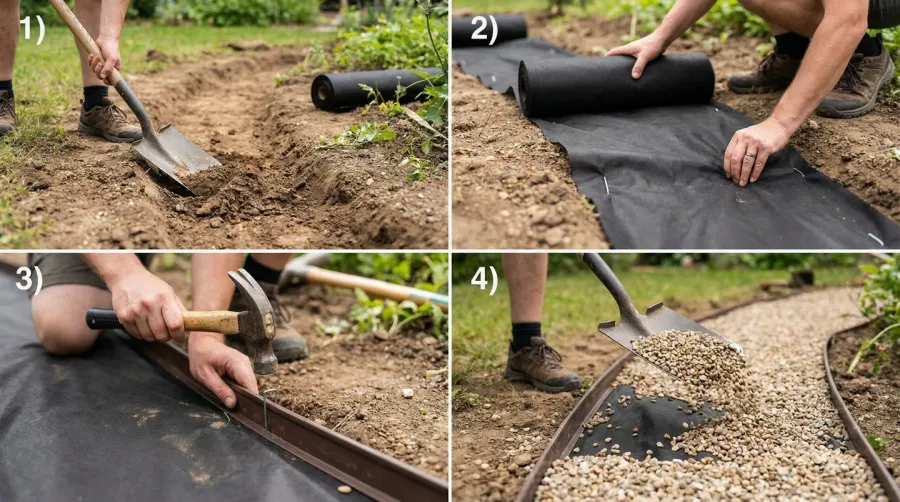
Remove all grass and weeds from the path areas, then level and lightly compact the soil. This creates a stable base that prevents the gravel from sinking unevenly over time.
Install edging along both sides of each path to contain the gravel. Metal landscape edging works well for curves, while treated lumber creates clean straight lines. The edging should extend about 1 inch above your planned gravel surface.
Adding fabric and spreading gravel
Roll out landscape fabric over the prepared soil, overlapping seams by 6 inches. Secure the fabric with landscape pins every 3-4 feet to prevent shifting during gravel installation.
Pour the pea gravel and spread it evenly with a rake, working in small sections to maintain consistent depth. Lightly compact the surface by walking on it or using a hand tamper, then add more gravel as needed to reach your target depth.
Pro Tip: Order 10-15% more pea gravel than your calculations suggest. You’ll need extra material for initial settling and future maintenance top-ups.
Comparing pea gravel to other materials
| Material | Best For | Drainage | Maintenance | Cost Range |
|---|---|---|---|---|
| Pea Gravel | Permanent paths, drainage | Excellent | Low | Moderate |
| Wood Mulch | Moisture retention, soil building | Good | High | Low |
| Crushed Stone | Heavy traffic areas | Excellent | Low | Moderate |
| Decomposed Granite | Formal paths, compactable surface | Good | Medium | Higher |
Wood mulch works better than pea gravel for moisture-loving plants and soil improvement, but requires annual replacement and provides poor drainage. Crushed stone offers superior stability for heavy use but can be harsh on bare feet and more difficult to rake smooth.
Choose pea gravel when you prioritize drainage, low maintenance, and a clean appearance that lasts for years with minimal intervention. If you’re considering alternative materials for raised beds, you might also explore river rock for raised garden bed projects.
Maintenance and long-term care
Pea gravel paths require minimal ongoing maintenance compared to other garden surface materials. Plan to rake the surface smooth monthly during heavy-use seasons to maintain an even appearance and prevent trip hazards.
Add a thin layer of fresh gravel annually to replace material that has settled or migrated. Most paths need about 1/4 inch of new material each year to maintain proper depth and appearance.
Spot-treat any weeds that breakthrough the fabric barrier immediately. While rare with proper installation, addressing weeds quickly prevents them from establishing and compromising the entire system.
When you’re ready to upgrade your raised bed project with quality pea gravel, Hello Gravel offers clean, properly sized material that’s perfect for both drainage applications and attractive garden paths. Our delivery service brings the right amount of material directly to your project site, eliminating the guesswork and heavy lifting that often complicates DIY garden improvements. Whether you’re installing pea gravel for a shed foundation or creating fire pit area surrounds, we have the expertise to help you succeed.
Frequently Asked Questions About Pea Gravel and Raised Garden Beds
Can you use pea gravel as the only fill in a raised garden bed?
No, pea gravel alone does not hold nutrients or moisture well enough for most vegetables and flowers. It should only be used with a deep layer of quality soil and compost above it. Pea gravel works best as a drainage layer at the bottom of beds or as a thin mulch on top of soil, not as a complete growing medium for food crops.
Should I put landscape fabric under pea gravel around raised beds?
Yes, landscape fabric under pea gravel paths can significantly reduce weeds and prevent gravel from sinking into soil over time. However, it may complicate future planting or garden reconfiguration. Use fabric mainly in permanent pathways, but consider organic mulches or no fabric where you may later convert paths into planting areas.
How deep should pea gravel be around raised garden beds?
For most garden paths around raised beds, a 2-3 inch depth of pea gravel provides optimal coverage and weed suppression without making the surface too loose or difficult to walk on. Deeper layers can feel unstable and make wheelbarrow use or cart movement more challenging, while thinner applications may not provide adequate weed control.
Is pea gravel or wood chips better around raised beds?
Both have advantages depending on your priorities. Pea gravel is longer-lasting, provides better drainage, and stays cleaner in muddy conditions, but can be hotter and harder to modify. Wood chips add organic matter to soil, are softer underfoot, and easier to change layouts, but need regular replenishment and can harbor pests. Choose based on your climate, budget, and maintenance preferences.
Delivered price for your ZIP
Delivered to your driveway. You pick the date.
* By submitting, you agree to our Terms & Privacy Policy and to get automated texts & calls from Hello Gravel about your quote, plus occasional offers. Agreeing isn’t required to buy. Msg frequency varies. Msg & data rates may apply. Reply STOP to opt out, HELP for help.
How much do you need?
Pricing your pea gravel? Get delivered 3/8" Natural Pea Gravel prices for your ZIP.
Delivered to your driveway. You pick the date.
* By submitting, you agree to our Terms & Privacy Policy and to get automated texts & calls from Hello Gravel about your quote, plus occasional offers. Agreeing isn’t required to buy. Msg frequency varies. Msg & data rates may apply. Reply STOP to opt out, HELP for help.
Delivered price for your ZIP
Delivered to your driveway. You pick the date.
* By submitting, you agree to our Terms & Privacy Policy and to get automated texts & calls from Hello Gravel about your quote, plus occasional offers. Agreeing isn’t required to buy. Msg frequency varies. Msg & data rates may apply. Reply STOP to opt out, HELP for help.