
Pea Gravel vs Crushed Stone for Shed Foundations
Free local estimate
See delivered prices for your ZIP in 60 seconds
Tell us where the project is and we'll price this material — delivered — for your exact ZIP.
- Real delivered pricing for your ZIP — not a generic range.
- Works for any quantity — driveways, pads, drains, or full projects.
- Prefer to talk? We follow up with local availability and delivery windows.
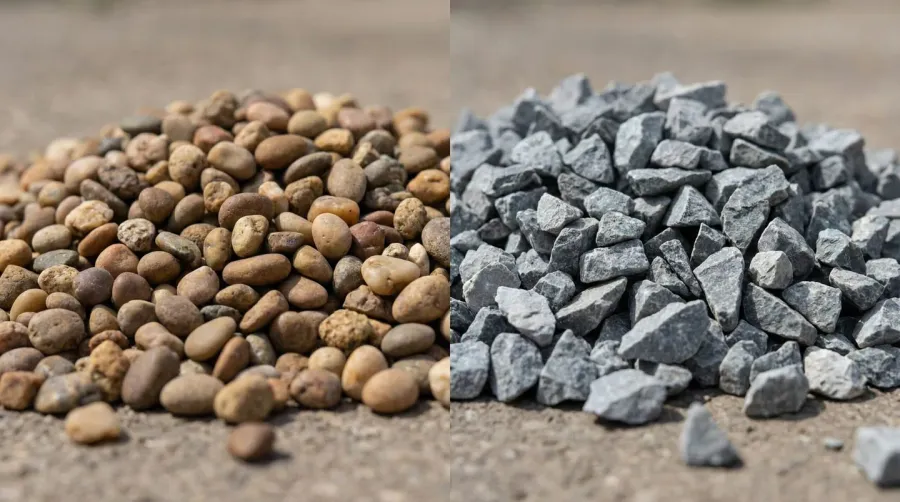
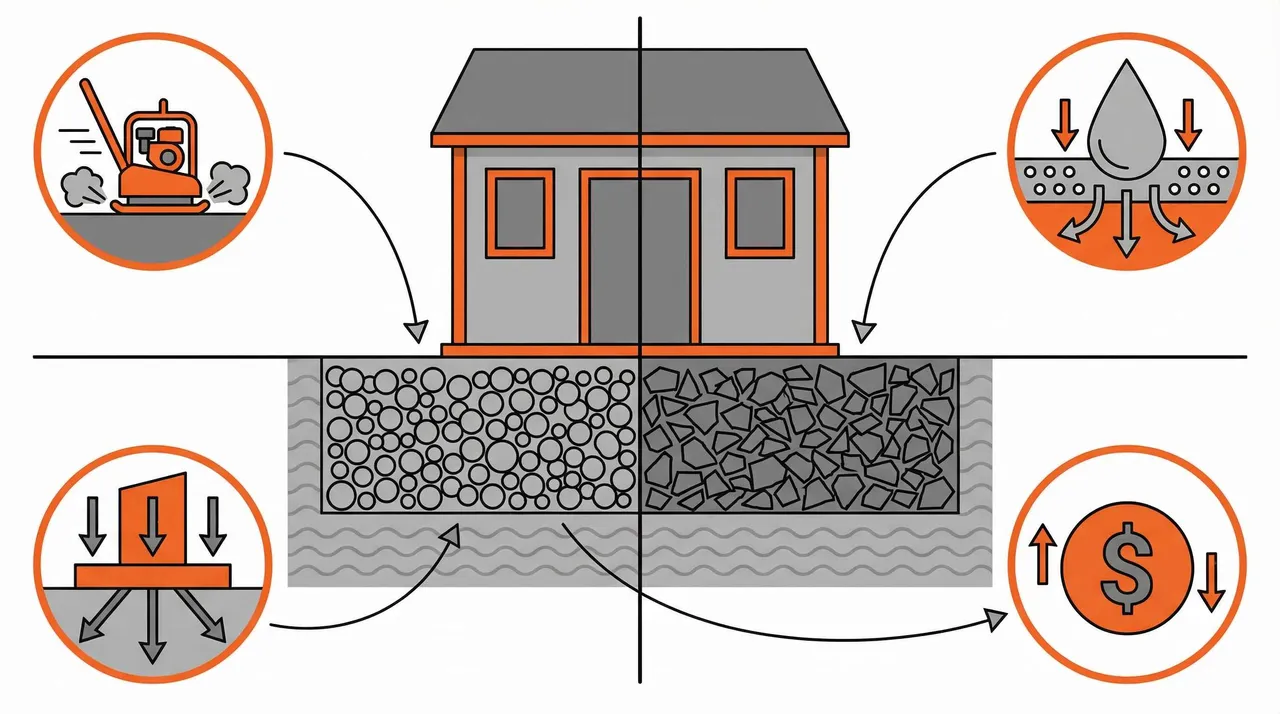
Can you use pea gravel for a shed foundation? Yes, but with important limitations. While pea gravel offers excellent drainage and visual appeal, crushed stone typically provides better stability and compaction for most shed bases. The rounded shape of pea gravel makes it prone to shifting, whereas angular crushed stone locks together more effectively.
Quick fact: Crushed stone compacts 30-40% better than pea gravel due to its angular edges that interlock, making it the preferred choice for structural shed foundations.
Your shed foundation choice affects everything from stability to moisture protection. A poor foundation leads to uneven floors, sticking doors, and potential structural damage over time. Understanding when to use pea gravel versus crushed stone helps you build a foundation that lasts decades rather than requiring constant maintenance.
About Hello Gravel
Hello Gravel delivers bulk gravel, rock, dirt, and sand by the ton. Enter your ZIP code to see prices with delivery included. A local dump-truck driver places the load where access is safe; spreading is not included.
Do sheds really need a proper foundation?
Your shed absolutely needs a solid foundation, regardless of size. Without proper support, even lightweight plastic sheds can sink into soft soil, creating uneven floors and compromising the structure. A good foundation prevents moisture from reaching your shed floor, protects against frost heave in colder climates, and ensures your doors and windows operate smoothly for years.
The most common problems from inadequate foundations include sagging floors, doors that won’t close properly, and moisture damage leading to rot or mold. These issues often appear within the first year and become increasingly expensive to fix. Investing in the right foundation material upfront saves you from costly repairs and replacements down the road.
Types of shed foundations and where gravel fits
Several foundation options work for different shed types and budgets. Concrete slabs offer maximum stability but cost significantly more and require professional installation. Concrete blocks provide good support for larger sheds while allowing airflow underneath. Plastic grid systems work well for smaller structures and offer easy installation.
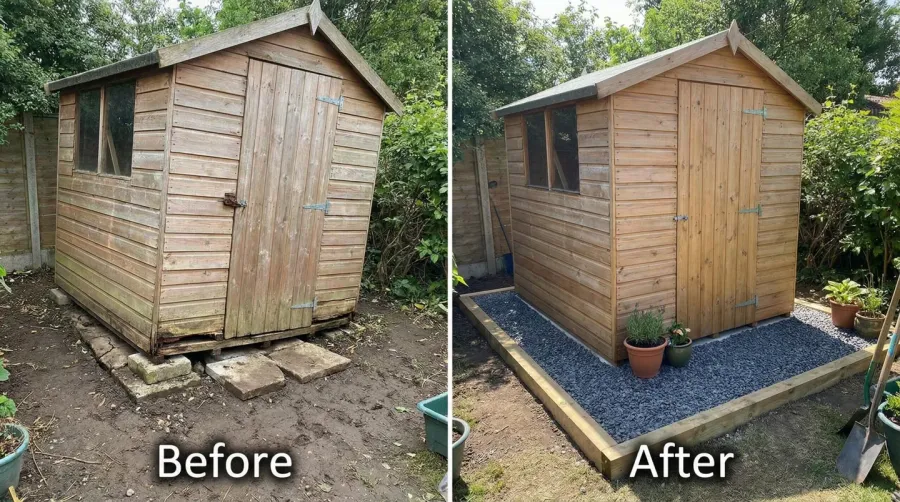
Gravel pads represent the most popular choice for DIY shed foundations. They cost less than concrete, provide excellent drainage, and handle freeze-thaw cycles better than solid foundations. The key lies in choosing the right gravel type and installing it correctly.
Pro tip: Gravel foundations work best for sheds under 200 square feet. Larger structures benefit from concrete blocks or poured slabs for added stability.
Wood skids and pier foundations suit temporary installations or areas where drainage is critical. However, these options require more maintenance and may not work well in all soil conditions. For those considering alternative materials, understanding dolomite for shed foundation projects can provide additional insights into foundation options.
Best gravel types for shed foundations
Crushed stone, also called clean stone or crusher run, provides the ideal foundation material for most sheds. Its angular shape allows pieces to lock together when compacted, creating a stable base that resists shifting. Common sizes include 3/4-inch minus and #57 gravel, both excellent for shed pads.
Pea gravel works better as a decorative top layer or around the shed perimeter rather than as the primary structural base. Its smooth, rounded shape prevents proper compaction, leading to settling and movement over time. However, you can use pea gravel successfully when mixed with a binding agent at roughly 70% pea gravel to 30% crusher dust.
| Gravel Type | Compaction | Drainage | Best Use |
|---|---|---|---|
| Crushed Stone | Excellent | Good | Primary base layer |
| Pea Gravel | Poor | Excellent | Top dressing, paths |
| Crusher Run | Very Good | Fair | Heavy-duty bases |
The size and gradation matter significantly. Avoid uniform-sized materials that don’t compact well. Instead, choose graded stone that includes various sizes to fill gaps and create a solid, interlocked surface. If you’re exploring other materials, granite for shed foundation projects offers another durable alternative worth considering.
When pea gravel works for shed foundations
Pea gravel succeeds in specific situations where its benefits outweigh the stability concerns. Light plastic or resin sheds under 100 square feet can sit on pea gravel bases, especially when combined with proper edging to prevent spreading. The excellent drainage makes pea gravel ideal for areas with heavy rainfall or poor soil drainage.
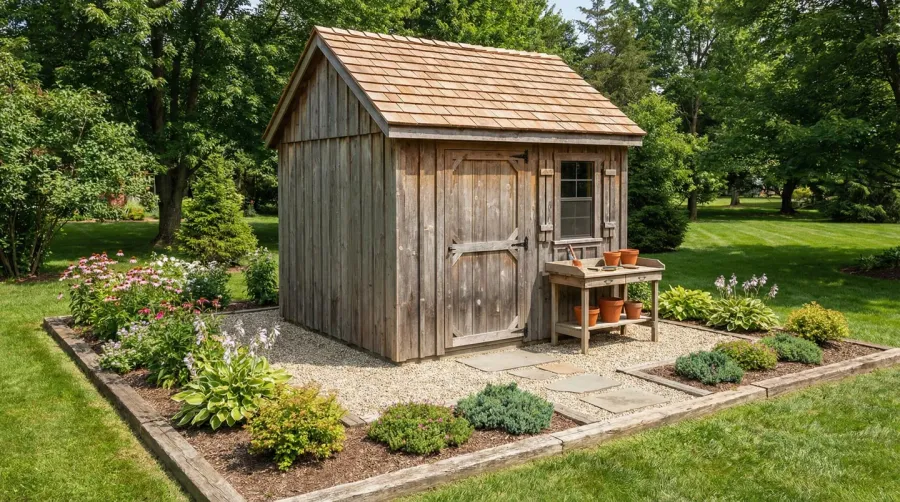
Consider pea gravel for decorative purposes around your shed foundation. A border of pea gravel creates an attractive transition between the structural base and surrounding landscape while providing a clean, weed-free zone. This approach gives you the visual appeal of pea gravel without compromising foundation stability. For more ideas on using pea gravel decoratively, check out pea gravel for raised garden beds.
Avoid pea gravel for heavy wooden sheds, metal buildings, or any structure over 10×12 feet. Sloped sites require extra caution since pea gravel can migrate downhill without proper containment. Very wet or flood-prone areas need the superior drainage of crushed stone rather than pea gravel’s tendency to hold water between rounded particles.
Step-by-step installation guide
Start by marking your shed area plus an extra 12 inches on all sides for proper drainage and access. Remove all grass, weeds, and organic material to prevent settling. Check for level using a long board and level tool, adjusting high and low spots as needed.
Install landscape fabric to prevent weeds and separate your gravel from the soil below. This barrier also prevents the gravel from migrating into soft soil over time. Choose a heavy-duty fabric rated for construction use rather than lightweight garden varieties.
Installation tip: Compact your base in 2-inch lifts rather than dumping all material at once. This technique ensures better compaction and prevents soft spots that could cause settling.
Add your structural gravel layer, typically 4-6 inches of crushed stone for most sheds. Spread evenly and compact with a plate compactor or hand tamper. For larger sheds or poor soil conditions, increase depth to 6-8 inches. If using pea gravel as a top layer, add 1-2 inches over the compacted crushed stone base. Similar techniques apply when using crushed stone as a sub-base for deck projects.
Install edging around the perimeter to contain your gravel and maintain clean lines. Options include treated lumber, concrete pavers, or plastic edging designed for gravel applications. This step is especially important when using pea gravel, which spreads more readily than angular stone.
Cost considerations and material calculations
Gravel foundations typically cost 60-70% less than concrete slabs while providing adequate support for most residential sheds. Crushed stone runs approximately $30-50 per cubic yard delivered, while pea gravel costs slightly more at $35-60 per cubic yard due to processing requirements.
Calculate your material needs by multiplying length times width times depth in feet, then dividing by 27 to get cubic yards. A 10×12 shed with a 4-inch base requires about 1.5 cubic yards of material. Always order 10-15% extra to account for compaction and future maintenance needs.
Professional installation adds $3-5 per square foot but ensures proper excavation, compaction, and drainage. DIY installation saves money but requires tool rental and physical effort. Consider your time, tools, and comfort level with excavation work when deciding between professional and DIY approaches. For those working on multiple projects, learning about limestone for patio base projects can help you apply similar principles across different applications.
Building a proper gravel foundation for your shed doesn’t have to be complicated, but choosing the right materials makes all the difference. While pea gravel has its place in landscaping and decorative applications, crushed stone provides the stability and longevity most shed foundations require. When you invest in quality materials and proper installation techniques, your shed foundation will provide decades of reliable service while protecting your investment from moisture, settling, and structural problems.
FAQ
Can I use only pea gravel for my shed foundation, or do I need crushed stone under it?
While you can use pea gravel alone for very small, lightweight sheds, most experts recommend using crushed stone as the primary base layer with pea gravel on top. The angular edges of crushed stone lock together better for stability, while pea gravel’s rounded shape makes it prone to shifting when used as the sole structural support. A hybrid approach using 4-6 inches of compacted crushed stone topped with 1-2 inches of pea gravel provides the best combination of stability and drainage.
How deep should pea gravel be for a shed foundation?
For most garden sheds under 200 square feet, a total depth of 4-6 inches works well. This typically includes 4 inches of compacted crushed stone as the base layer, topped with 1-2 inches of pea gravel. Larger or heavier sheds may require 6-8 inches of total depth, while areas with poor drainage or soft soil might need up to 8-12 inches. The key is proper compaction in 2-inch lifts rather than dumping all material at once.
Will pea gravel shift under my shed over time?
Some settling is normal in the first year, but proper installation minimizes shifting. The rounded shape of pea gravel makes it more mobile than angular stone, which is why edging around the perimeter is crucial. Installing landscape fabric, using proper compaction techniques, and creating a stable crushed stone base layer all help prevent excessive movement. Annual inspections and occasional top-ups may be needed, especially after heavy rains or freeze-thaw cycles.
Can I put a plastic or resin shed directly on pea gravel?
Yes, lightweight plastic and resin sheds work well on properly prepared pea gravel foundations. These sheds typically weigh less than wooden structures and often come with manufacturer recommendations for gravel bases. Ensure the pad is level, well-compacted, and includes proper drainage. Many plastic sheds benefit from concrete blocks or treated lumber skids placed on the gravel to create an even, stable platform and improve airflow underneath the structure.
Materials for this project
Get it delivered — dumped where you need it
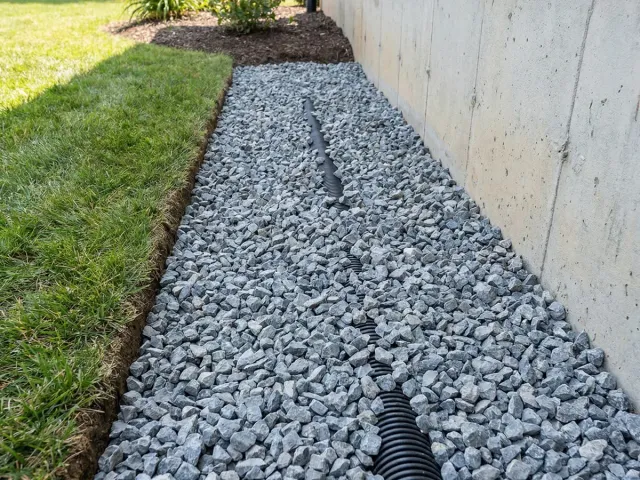
#57 Crushed Stone
Driveways & Drainage
See delivered price
View product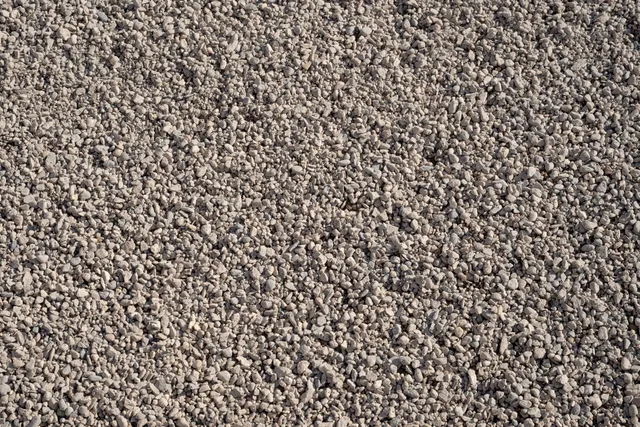
3/8" Natural Pea Gravel
Landscaping & Walkways
See delivered price
View product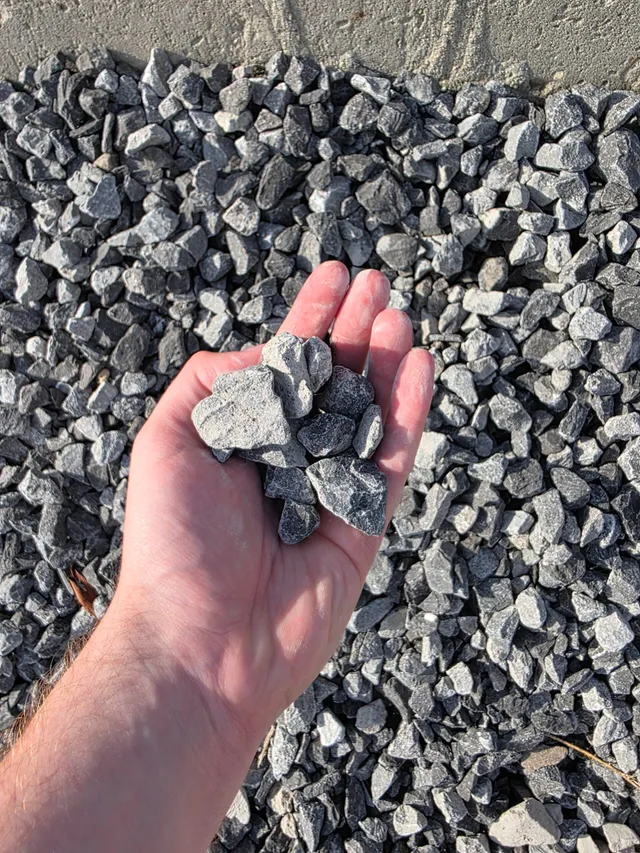
Driveway Gravel
Driveways & Parking areas
See delivered price
View product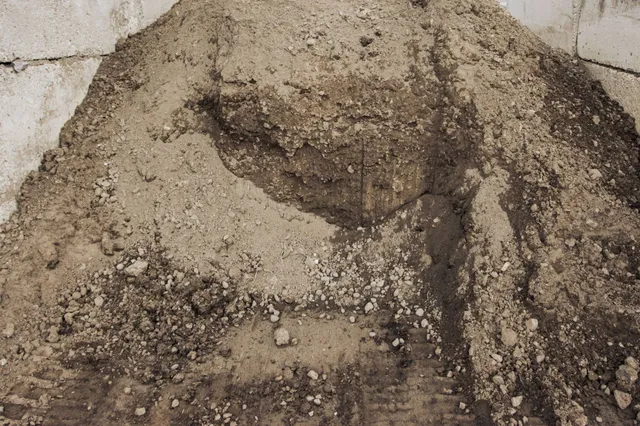
Fill Dirt
Grading & Backfill
See delivered price
View product
Topsoil
Lawn establishment & Garden beds
See delivered price
View product