
Best Crushed Stone for the Under Deck Sub Base
Free local estimate
See delivered prices for your ZIP in 60 seconds
Tell us where the project is and we'll price this material — delivered — for your exact ZIP.
- Real delivered pricing for your ZIP — not a generic range.
- Works for any quantity — driveways, pads, drains, or full projects.
- Prefer to talk? We follow up with local availability and delivery windows.
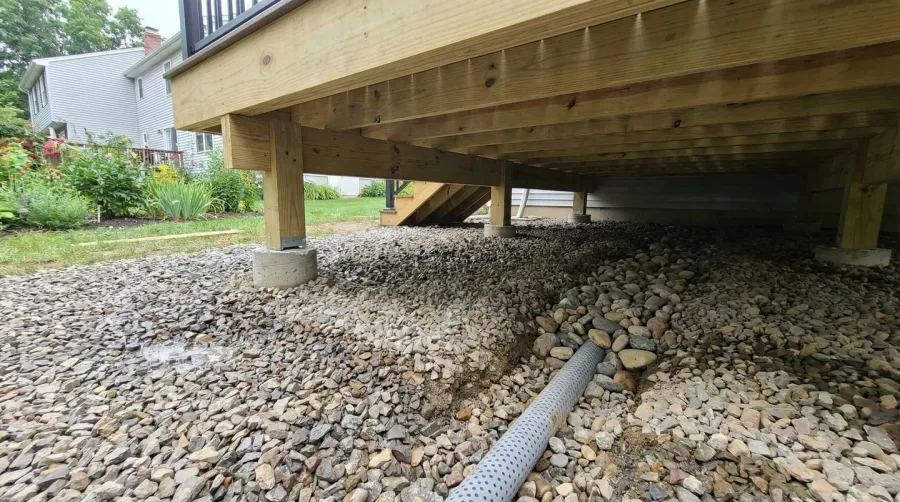
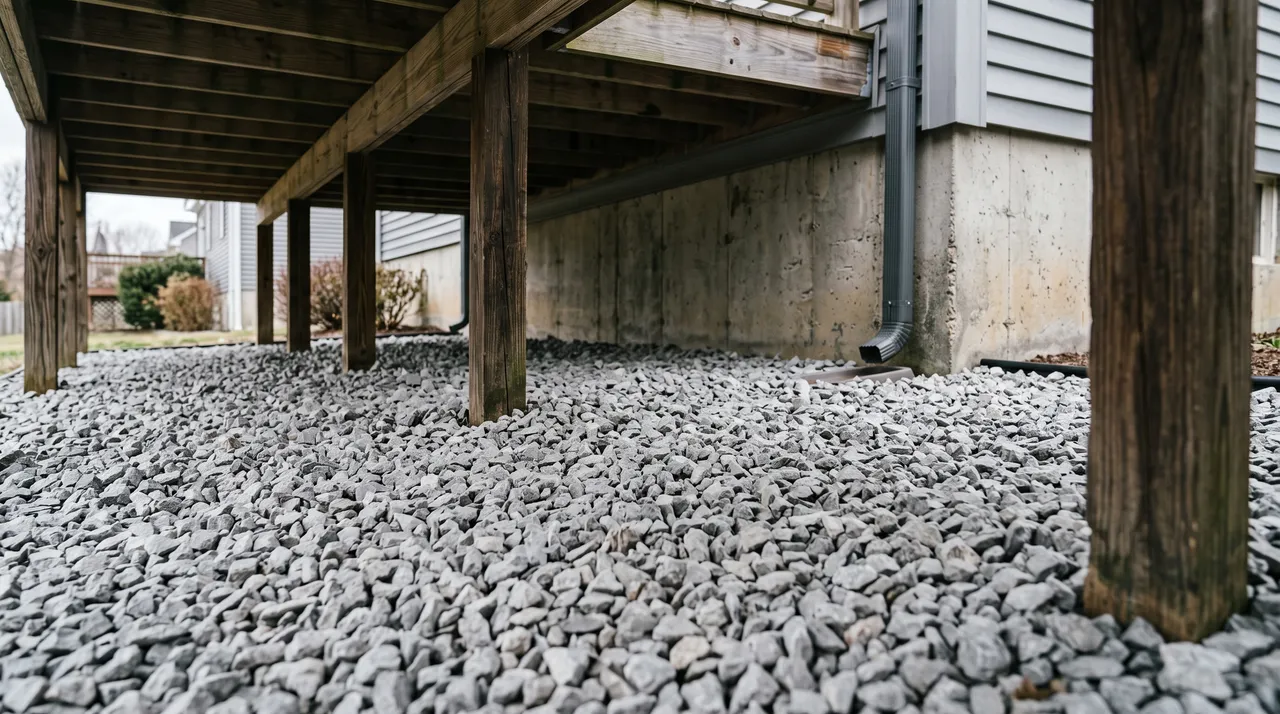
Standing water, muddy patches, and weeds sprouting under your deck can turn your outdoor space into an eyesore. If you’re dealing with these frustrating problems, you’re not alone. The good news is that installing a crushed stone sub-base under your deck provides an excellent solution for drainage, weed control, and creating a clean, stable foundation.
Crushed stone works exceptionally well as a deck sub-base because it offers superior drainage compared to soil while creating a stable, long-lasting foundation that prevents water pooling and weed growth. The key is choosing the right type and size of stone, then installing it properly with adequate depth and compaction.
Pro tip: Most deck projects benefit from 4-6 inches of 3/4-inch clean crushed stone, which provides the ideal balance of drainage and stability for typical residential applications.
This guide walks you through everything you need to know about selecting and installing crushed stone under your deck, from material selection to step-by-step installation.
About Hello Gravel
Hello Gravel delivers bulk gravel, rock, dirt, and sand by the ton. Enter your ZIP code to see prices with delivery included. A local dump-truck driver places the load where access is safe; spreading is not included.
Why crushed stone makes the best deck sub-base
The space under your deck faces unique challenges that crushed stone addresses better than other materials. Unlike soil, which retains moisture and promotes weed growth, crushed stone creates a permeable barrier that allows water to drain while preventing vegetation from taking root.
The angular edges of crushed stone interlock when compacted, creating a stable surface that won’t shift or settle like rounded gravel. This stability becomes crucial if you plan to use the space under your deck for storage or as a patio area. Similar principles apply when using crushed stone as a base for your gazebo or pergola project, where drainage and stability are equally important.
Crushed stone also helps protect your deck’s structural elements by directing water away from the foundation and preventing moisture buildup that can lead to rot or pest problems. The improved drainage extends the life of your deck while reducing maintenance requirements.
Choosing the right crushed stone type and size
Not all crushed stone works equally well under decks. The best choice depends on your specific needs, but 3/4-inch clean crushed stone consistently performs well for most applications.
Clean crushed stone contains minimal fine particles, which ensures excellent drainage. The 3/4-inch size provides good stability while allowing water to flow freely through the gaps. Avoid crusher run or stone dust, as these contain fine particles that can compact and create drainage problems. If you’re considering alternatives, you might explore whether decomposed granite can be used for a sub-base for a deck project or if limestone can be used as a sub-base for a deck project.
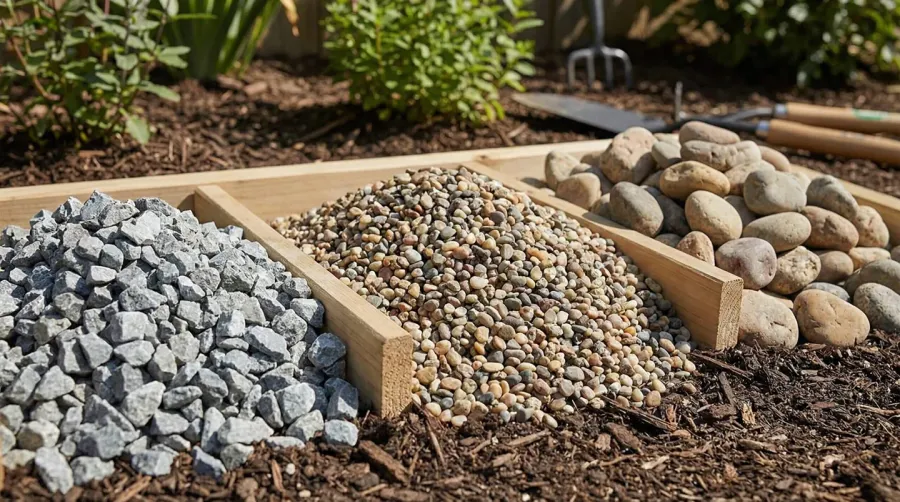
| Stone Type | Size | Drainage | Best Use |
|---|---|---|---|
| Clean crushed stone | 3/4 inch | Excellent | General sub-base |
| Pea gravel | 3/8 inch | Good | Decorative top layer |
| River rock | 1-2 inch | Fair | Aesthetic applications |
| Crusher run | Mixed | Poor | Avoid for deck sub-base |
For decorative purposes, you can add a thin layer of pea gravel or river rock over the crushed stone base, but the structural foundation should always be clean crushed stone.
Important consideration: If you plan to walk frequently on the stone or use the area as a patio, consider adding a decorative top layer of smaller, rounded stones for comfort.
How deep should your crushed stone sub-base be
The depth of your crushed stone sub-base depends on your soil conditions and intended use, but 4-6 inches works well for most residential deck projects. This depth provides adequate drainage while creating a stable foundation.
For areas with clay soil or poor drainage, consider increasing the depth to 6-8 inches. If you’re creating a storage area or patio under your deck, the additional depth helps distribute weight more evenly and prevents settling. Similar depth considerations apply when using crushed stone for a patio base project.
Always create a slight slope away from your house foundation, typically about 1/4 inch per foot. This ensures water flows away from the structure rather than pooling against the foundation.
Step-by-step installation process
Installing crushed stone under your deck requires careful preparation and attention to detail. Start by clearing all vegetation and organic matter from the area, as these materials will decompose and create uneven settling.
Mark your installation area and excavate to your target depth, keeping in mind the final grade should slope away from the house. If your existing grade is too low, you can build up with additional stone rather than excavating.
Install landscape fabric over the prepared soil to prevent weeds from growing through the stone and to separate the stone from the underlying soil. This fabric barrier significantly reduces long-term maintenance requirements.
Spread the crushed stone in 2-3 inch lifts, raking it level before compacting each layer with a plate compactor. This process ensures proper compaction and prevents future settling. Make multiple passes with the compactor, overlapping each pass by several inches. The same compaction techniques used for crushed stone parking areas projects apply here for optimal results.
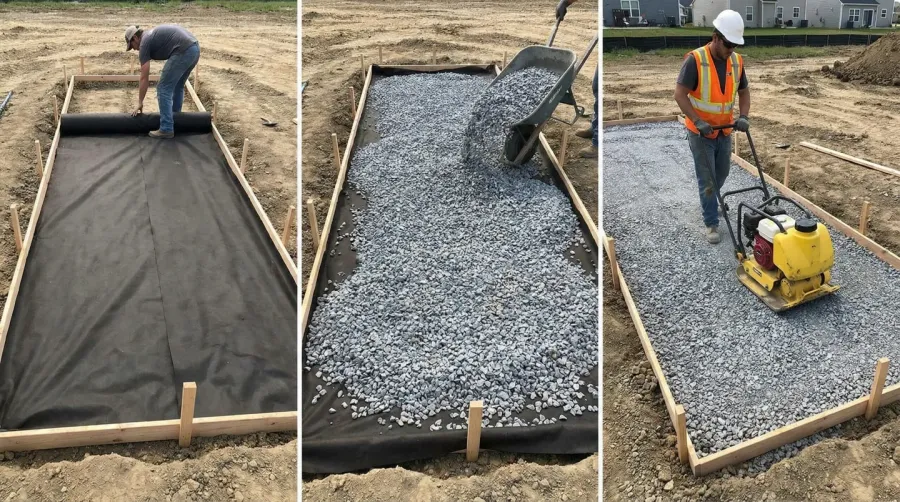
For the final surface, rake the stone smooth and make a final compaction pass. If you’re adding a decorative top layer, spread it after the base is fully compacted but don’t compact the decorative layer, as this can damage the appearance. For those interested in other foundation applications, using crushed stone as a base for playground equipment follows similar installation principles.
Installation tip: Rent a plate compactor for best results, as hand tamping rarely achieves adequate compaction for long-term stability.
Ready to transform the space under your deck with a professional-grade crushed stone sub-base? Hello Gravel provides high-quality materials and expert guidance to ensure your project succeeds. Our clean crushed stone products are specifically selected for excellent drainage and long-term performance, and we deliver directly to your project site for maximum convenience.
FAQ
Should I put gravel or crushed stone under my deck?
Yes, using gravel or crushed stone under a deck is highly recommended. A compacted layer of angular crushed stone improves drainage, helps keep the area dry, discourages weeds, and prevents mud or erosion around the posts and footings. It also makes the space more usable for storage or as a gravel patio.
How deep should crushed stone be under a deck?
A typical depth for crushed stone under a deck is 4-6 inches of compacted material. Aim toward the lower end of that range for firm, well-drained soils and light use, and toward the higher end for soft or wet soils, or when you are creating a gravel patio under the deck that will support furniture or frequent foot traffic.
Do I need landscape fabric under gravel beneath a deck?
Landscape fabric or geotextile under the gravel is strongly recommended. It helps separate the soil from the stone, reduces weed growth, and prevents the gravel from sinking into the ground over time. Use a permeable fabric so water can still drain freely through the crushed stone base.
What type of stone is best under a deck?
For stability and drainage, angular crushed stone is best under a deck. Sizes around 3/4 inch are most common and effective. The jagged edges lock together when compacted, creating a firm sub-base that still lets water pass through. Rounded river rock looks attractive but shifts more easily and does not interlock as well.
Materials for this project
Get it delivered — dumped where you need it
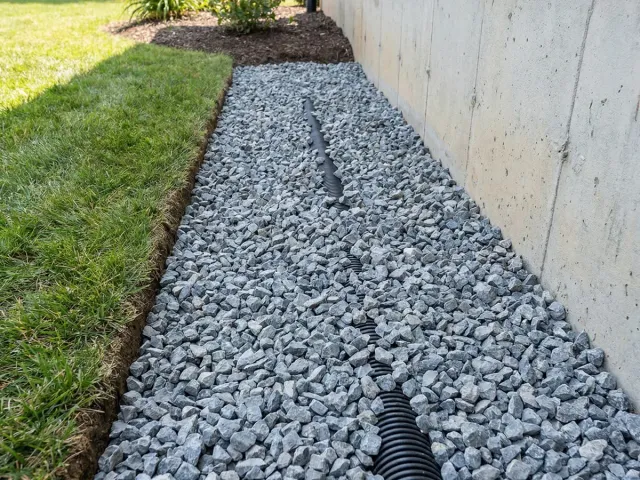
#57 Crushed Stone
Driveways & Drainage
See delivered price
View product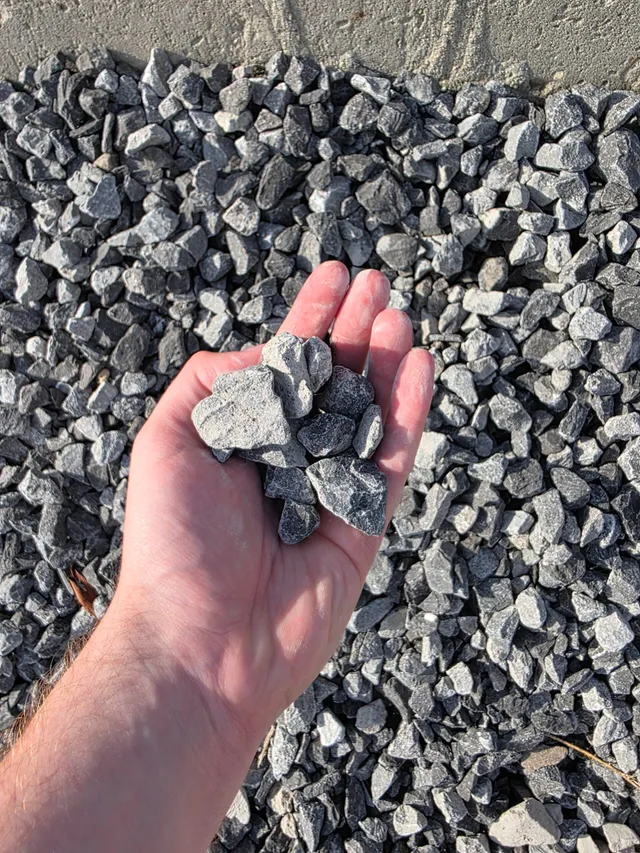
Driveway Gravel
Driveways & Parking areas
See delivered price
View product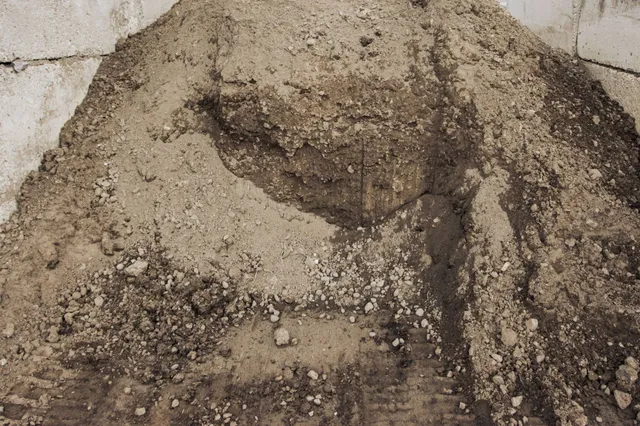
Fill Dirt
Grading & Backfill
See delivered price
View product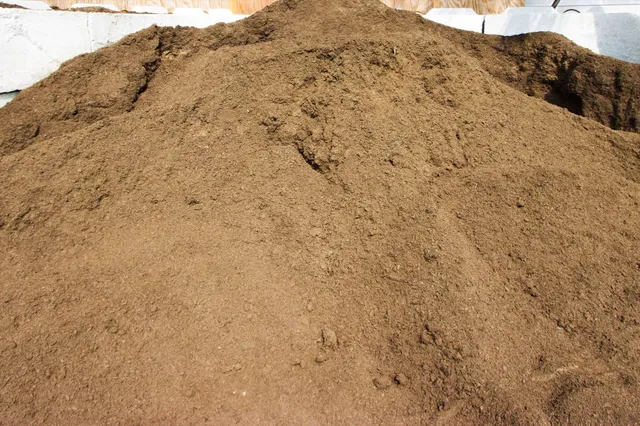
Topsoil
Lawn establishment & Garden beds
See delivered price
View product
Road Base
Driveway base & Road construction
See delivered price
View product