Limestone vs Gravel for Deck Sub-base – Which Foundation Material Works Best
Published on: December 12, 2025
Get an estimate for your project in 60 seconds

Yes, limestone can absolutely be used as a sub-base for deck projects, and it’s actually one of the most popular choices among contractors and DIY builders. When properly installed at 4-6 inches deep and compacted correctly, crushed limestone provides excellent load-bearing capacity and drainage for most deck applications.
The key is understanding when limestone works best versus other materials like gravel or MOT Type 1. Limestone excels in well-draining soils and offers superior compaction, while gravel might be better for areas with clay soil or extreme drainage challenges.
Quick Fact: Properly compacted limestone sub-base can support loads up to 2,000 pounds per square foot, making it suitable for everything from standard decks to hot tub installations.
You’ll want to consider your specific soil conditions, deck size, and local material costs before making your final choice. Let’s explore how limestone compares to other options and when each material works best for your deck project.
What makes a good deck sub-base foundation
A deck sub-base serves as the critical foundation layer that distributes weight from your deck posts and blocks across a wider area of soil. Think of it like snowshoes for your deck – spreading the load so nothing sinks or shifts over time.
The sub-base sits directly on prepared soil and provides three essential functions. First, it creates a stable platform that prevents settling and movement. Second, it allows water to drain away from the deck area, protecting both the structure and surrounding soil. Third, it acts as a barrier against frost heave in colder climates.
Your sub-base material needs to compact well under pressure while still allowing water to pass through. Materials that are too fine will create drainage problems, while those that are too coarse won’t compact properly and may shift under load. If you’re considering alternatives, using crushed stone as a sub-base for deck projects offers similar benefits with slightly different characteristics.

Is limestone the right choice for your deck sub-base
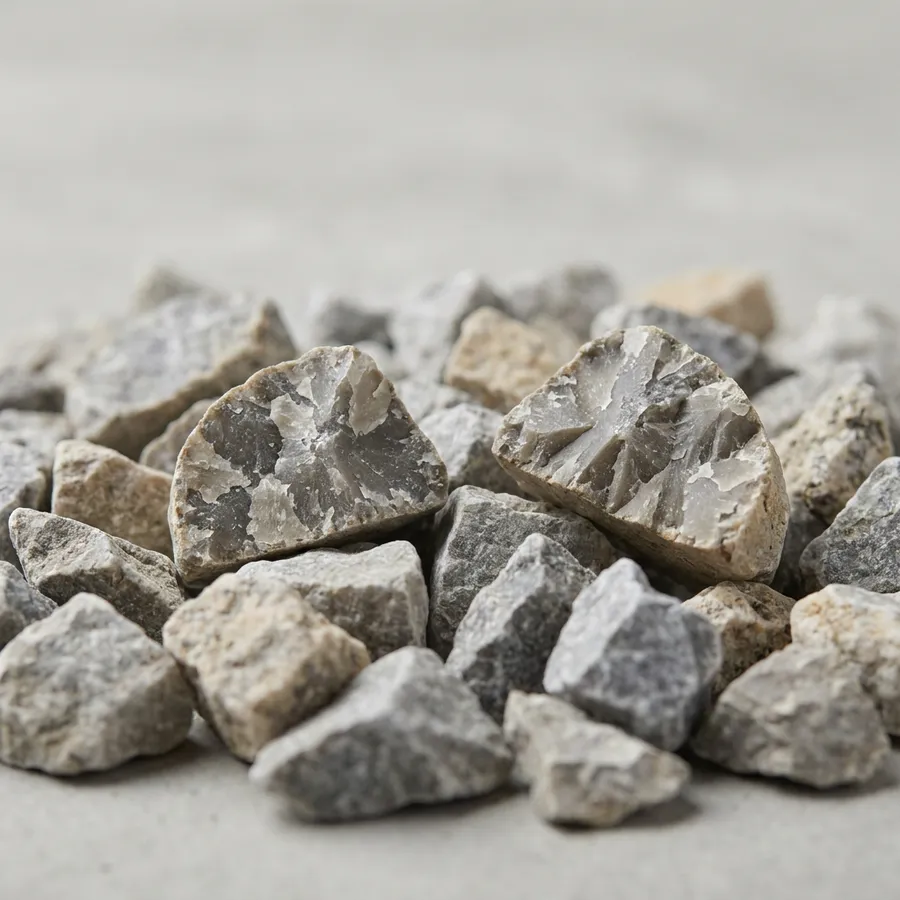
Limestone works exceptionally well as a deck sub-base material because of its natural properties and how it behaves when compacted. The angular particles lock together tightly, creating a solid foundation that resists movement and settling.
Crushed limestone typically contains a mix of larger stones and smaller particles called fines. This gradation allows the material to compact to a very dense, stable surface while still maintaining good drainage characteristics. The calcium carbonate in limestone also helps bind the particles together over time.
However, limestone isn’t perfect for every situation. In areas with very heavy clay soil or poor natural drainage, you might need a more open-graded material like MOT Type 3 or clean gravel that allows faster water movement. For those exploring other foundation options, decomposed granite as a sub-base for deck projects can be an excellent alternative in certain climates.
Consider This: Limestone works best in moderate climates with decent soil drainage. If your area experiences frequent freeze-thaw cycles or has clay soil, discuss alternatives with your local aggregate supplier.
The particle size matters too. For deck sub-bases, you’ll want crushed limestone in the 0-40mm range, which provides the right balance of compaction and drainage for most residential applications.
Limestone vs other sub-base materials comparison
| Material | Load Bearing | Drainage | Best Use Case | Typical Cost |
|---|---|---|---|---|
| Crushed Limestone | Excellent | Good | General decks, stable soil | Moderate |
| MOT Type 1 | Excellent | Good | Heavy loads, driveways | Higher |
| Clean Gravel | Good | Excellent | Wet areas, clay soil | Lower |
| Granite Chips | Excellent | Good | Premium projects | Higher |
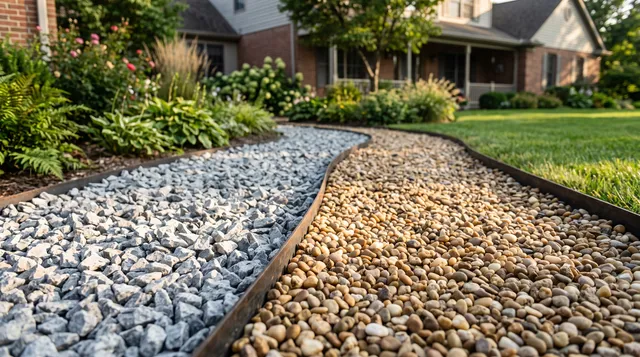
Crushed limestone offers the best overall balance for most deck projects. It compacts better than clean gravel, costs less than granite, and provides adequate drainage for typical residential applications.
MOT Type 1 is essentially a premium version of crushed limestone with stricter quality controls. You’ll pay more, but get guaranteed performance for heavy-duty applications like hot tub decks or outdoor kitchens.
Clean gravel works well in areas where drainage is the primary concern. It won’t compact as tightly as limestone, but water moves through it quickly, making it ideal for clay soils or areas prone to standing water. For similar outdoor projects, you might also consider using limestone for a patio base, which requires comparable material properties.
The choice often comes down to your specific conditions and budget. For most homeowners building standard residential decks, crushed limestone provides the best value and performance combination.
How to install limestone sub-base for your deck
Start by marking your deck footprint and excavating to the proper depth. You’ll need to dig down far enough to accommodate your sub-base thickness plus any bedding material for deck blocks or posts. Most residential decks need 4-6 inches of sub-base depth.
Remove all organic material, including topsoil, roots, and vegetation from the excavated area. The limestone needs to sit on firm, stable soil to perform properly. If you encounter soft spots, dig them out and backfill with additional sub-base material. This same principle applies whether you’re building a deck or creating a shed foundation with limestone.
Install a geotextile membrane over the prepared soil before adding limestone. This fabric prevents the stone from mixing with soil below while still allowing water to drain through. It’s especially important in areas with clay or silty soil.

Add your limestone in layers no thicker than 4 inches at a time. Spread each layer evenly, then compact thoroughly with a plate compactor. Make multiple passes in different directions to achieve maximum density. Create a slight slope away from any buildings to encourage drainage.
Pro Tip: Rent a plate compactor rather than trying to compact by hand. Proper compaction is critical for long-term stability, and hand tamping simply can’t achieve the density you need for a lasting foundation.
Check your final surface with a long straight edge to ensure it’s level and smooth. The compacted limestone should feel solid underfoot with minimal movement when you walk on it.
Common mistakes that can ruin your deck foundation
The biggest mistake is skipping proper soil preparation. Laying limestone directly on soft topsoil or organic matter will lead to settling and movement problems within the first year. Always excavate to firm soil and use geotextile fabric as a separator.
Many DIYers try to save time by laying the entire sub-base thickness in one lift, then attempting to compact it all at once. This approach rarely achieves proper density throughout the material. Stick to 4-inch maximum lifts and compact each layer separately.
Another common error is ignoring drainage considerations. Your sub-base should slope away from buildings at about 1-2% grade. Flat or reverse-sloped areas will collect water and potentially cause frost damage or foundation problems. If you’re working on multiple outdoor projects, the same drainage principles apply to limestone for retaining wall bases.
Don’t forget to account for the final surface level when planning your excavation depth. Your finished sub-base should put deck blocks or posts at the correct height for your planned deck elevation. Measure twice, dig once saves a lot of rework later.
Finally, using the wrong limestone size can cause problems. Material that’s too fine won’t drain properly, while stone that’s too coarse won’t compact well. Stick with 0-40mm crushed limestone for the best balance of properties. For other landscape applications like limestone for garden paths, similar sizing considerations apply.
Whether you choose limestone, gravel, or another material, the installation quality matters more than the specific product. Take time to prepare properly, compact thoroughly, and create good drainage, and your deck foundation will serve you well for decades to come.
Ready to start your deck project with quality limestone? Hello Gravel delivers premium crushed limestone nationwide, with expert guidance to help you choose the right material for your specific conditions and project requirements.
Frequently Asked Questions About Limestone Sub-Base for Decks
Can you put deck blocks directly on limestone?
What size limestone is best for deck sub-base?
How deep should limestone sub-base be under a deck?
Do I need geotextile fabric under limestone sub-base?
Author: igor