
Can You Use Limestone for a Retaining Wall Base?
Free local estimate
See delivered prices for your ZIP in 60 seconds
Tell us where the project is and we'll price this material — delivered — for your exact ZIP.
- Real delivered pricing for your ZIP — not a generic range.
- Works for any quantity — driveways, pads, drains, or full projects.
- Prefer to talk? We follow up with local availability and delivery windows.
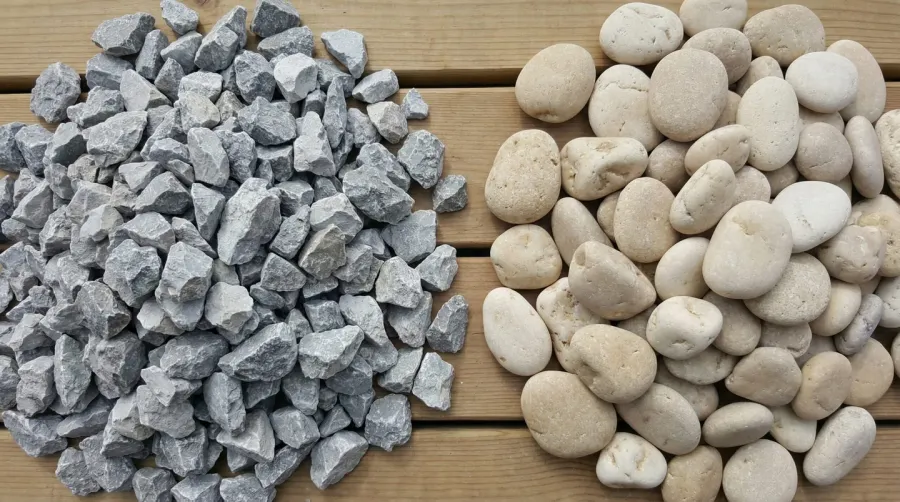
Yes, crushed limestone is an excellent choice for retaining wall bases when properly graded and compacted. The key is selecting angular, crushed limestone rather than rounded decorative stone, as the angular edges lock together to create a stable foundation that supports your wall and allows proper drainage.
Your retaining wall’s base determines whether your project lasts decades or fails within a few seasons. Poor base materials lead to shifting walls, drainage problems, and costly repairs. This guide covers which limestone types work best, proper installation techniques, and when you might need different materials instead.
Quick fact: A properly installed limestone base should be 6-12 inches deep for most residential retaining walls, with the depth increasing based on wall height and soil conditions.
About Hello Gravel
Hello Gravel delivers bulk gravel, rock, dirt, and sand by the ton. Enter your ZIP code to see prices with delivery included. A local dump-truck driver places the load where access is safe; spreading is not included.
What makes a good retaining wall base
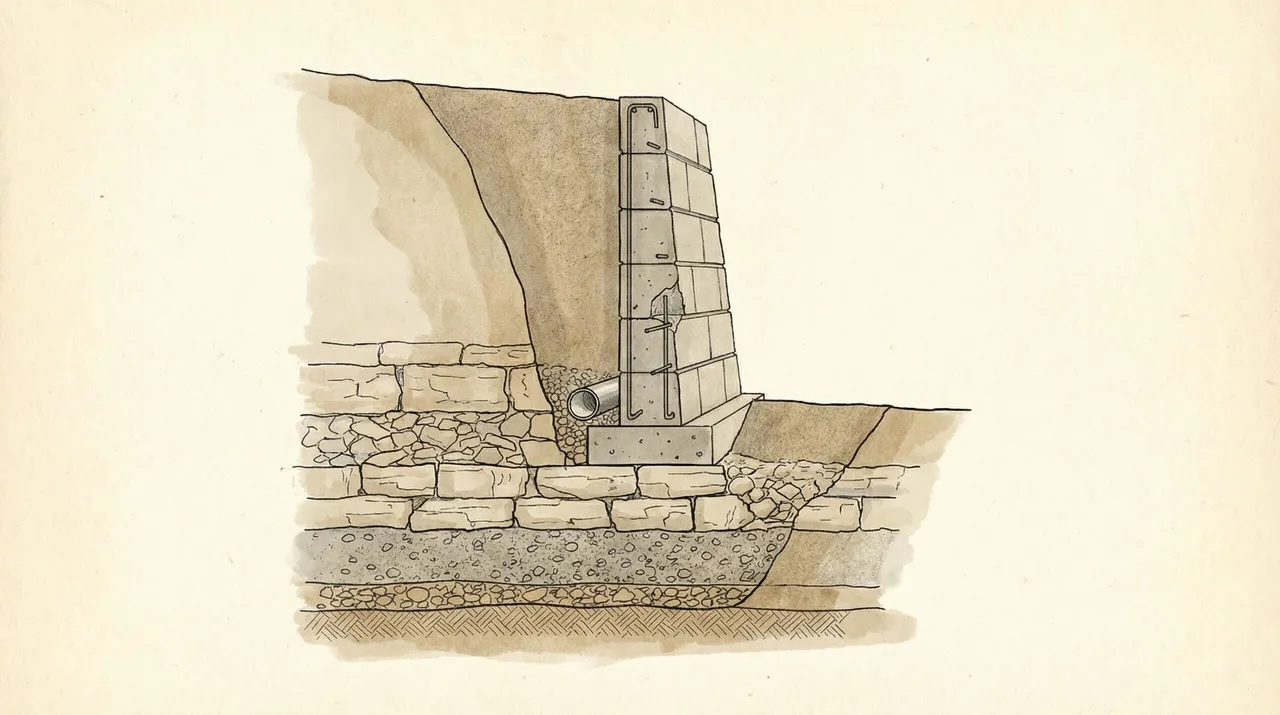
A retaining wall base serves as the foundation that distributes the wall’s weight evenly across the ground while allowing water to drain away from the structure. Think of it as the shoes on a runner – without proper support and grip, everything above becomes unstable.
The best base materials share three critical characteristics: they compact well under pressure, drain water effectively, and resist shifting over time. Angular crushed stone excels at all three because the jagged edges interlock when compacted, creating a solid yet permeable foundation.
Your base works as part of a larger system including the subgrade preparation, drainage pipe, and backfill materials. When these components work together properly, your wall can handle freeze-thaw cycles, soil movement, and water pressure without failing.
Types of limestone for retaining wall bases
Not all limestone products work equally well for retaining wall applications. Understanding the differences helps you choose the right material for each part of your project.
Crushed limestone screenings or 3/4-inch minus material works best for the main base layer. This product contains a mix of larger stones and fine particles that compact tightly together, creating the stable platform your wall blocks need. The fines fill gaps between larger pieces, while the angular shapes prevent shifting.
For drainage areas behind your wall, larger clean limestone like #57 or #78 stone performs better. These products contain minimal fines, allowing water to flow freely while still providing structural support. You’ll typically use this material for backfill immediately behind the wall blocks.
Avoid using pea gravel or rounded limestone as your primary base material. While these drain well, they don’t compact reliably because the smooth, rounded shapes roll past each other rather than locking together. If you’re considering alternatives for other projects, pea gravel works better for retaining wall drainage rather than structural support.
Benefits of choosing limestone for your base
Limestone offers several advantages that make it a popular choice among contractors and DIY builders. The material’s natural properties align well with retaining wall requirements, providing both practical and aesthetic benefits.
Drainage performance stands out as limestone’s strongest feature. The angular pieces create interconnected channels that move water away from your wall, reducing hydrostatic pressure that can cause bulging or failure. This drainage capability becomes especially important in areas with heavy rainfall or freeze-thaw cycles.
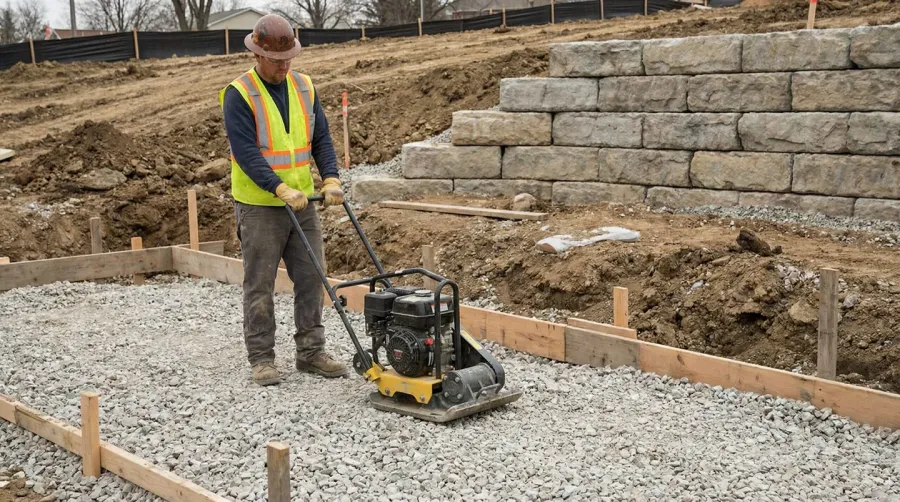
Compaction stability gives limestone an edge over many alternatives. When properly installed in thin lifts and compacted with a plate compactor, limestone base achieves excellent density while maintaining its drainage properties. This combination of strength and permeability is difficult to achieve with other materials. For comparison, granite offers similar compaction benefits for retaining wall bases.
Cost effectiveness makes limestone accessible for most budgets. Compared to specialized engineered materials or imported stone, limestone typically costs less while delivering comparable performance for residential applications. Regional availability also keeps transportation costs reasonable in most areas.
Pro tip: Always compact limestone base in 2-3 inch layers rather than placing the full depth at once – this ensures proper density throughout the entire base thickness.
Step-by-step limestone base installation
Installing a limestone base requires careful attention to preparation and compaction techniques. Following proper procedures ensures your wall performs well for decades.
Start by excavating your trench 6 inches wider than your wall blocks and deep enough for your base plus at least one buried course of blocks. For most residential walls under 4 feet tall, plan on 6-8 inches of base depth. Taller walls need proportionally deeper bases.
Compact your subgrade using a plate compactor or hand tamper until the soil feels firm underfoot. This step prevents settling that could cause your entire wall to shift later. If your soil is very soft or wet, you may need to add geotextile fabric to separate the limestone from the soil.
Place your limestone base in 2-3 inch lifts, compacting each layer thoroughly before adding the next. Use a plate compactor for best results, making multiple passes until the material stops moving under the compactor’s weight. Check for level frequently using a 4-foot level. Similar techniques apply when using limestone for a patio base, ensuring proper compaction throughout.
Set your first course of blocks directly on the compacted limestone, adjusting individual blocks with a rubber mallet as needed. The limestone should be level both side-to-side and front-to-back to ensure your wall builds straight and true.
Install perforated drain pipe at the back edge of your base if required, sloping it toward a suitable outlet. Cover the pipe with clean drainage stone before backfilling behind the wall with additional limestone or other approved materials.
When limestone isn’t the best choice
While limestone works well for most residential retaining walls, certain situations call for different materials or additional engineering considerations.
Very tall walls over 4 feet or walls supporting heavy loads may require engineered backfill materials classified as Class I, II, or III aggregates. These materials meet specific gradation and strength requirements that standard limestone may not achieve. Always check local building codes for height restrictions and material requirements. For engineered applications, quarry process material often meets stricter specifications.
Soil conditions sometimes dictate alternative approaches. In areas with very poor drainage or expansive clay soils, you might need additional measures like deeper excavation, soil stabilization, or specialized drainage systems that go beyond what limestone alone can provide.
Regional availability affects material choice in some areas. While limestone is common in many regions, other crushed stone options like granite, basalt, or recycled concrete may be more readily available or cost-effective in your location. Consider volcanic rock as an alternative in areas where it’s locally sourced.
| Material | Best Use | Pros | Cons |
|---|---|---|---|
| Crushed Limestone | Base layer | Compacts well, drains, affordable | May not meet all engineering specs |
| #57 Stone | Drainage/backfill | Excellent drainage | Doesn’t compact for base use |
| Class I Backfill | Engineered walls | Meets specifications | More expensive |
| Pea Gravel | Decorative only | Attractive, drains | Poor compaction |
The success of your retaining wall depends heavily on proper base preparation and material selection. Limestone provides an excellent foundation for most residential projects when you choose the right type and install it correctly. Remember that the base is just one component of a complete retaining wall system that includes proper drainage, appropriate backfill, and quality construction techniques.
For your next retaining wall project, consider limestone as a reliable, cost-effective base material that delivers the drainage and stability your wall needs. When sourcing materials, work with reputable suppliers who can provide properly graded limestone and guidance on quantities for your specific project. If you’re working on other foundation projects, limestone also performs well for shed foundations and garden path bases.
Planning tip: Calculate your limestone needs by multiplying length × width × depth in feet, then dividing by 27 to get cubic yards. Add 15% extra for compaction and waste to ensure you have enough material.
FAQ
Can you use limestone for a retaining wall base?
Yes, crushed limestone is an excellent material for a retaining wall base because it compacts tightly, drains water well, and creates a stable, level foundation for the wall. A typical installation uses a 6-12 inch layer of compacted crushed limestone under the first course of blocks, extending wider than the wall to prevent settling and movement.
How thick should a limestone base be for a retaining wall?
For most small to medium retaining walls, the limestone base should be 6-12 inches thick and made from compacted crushed stone. The base should be installed in 2-3 inch lifts with each layer thoroughly compacted using a plate compactor. Taller walls or heavily loaded walls may require a thicker base designed by an engineer.
What size limestone is best for a retaining wall base?
Crushed limestone screenings or 3/4-inch minus material works best for the main base layer. This product contains a mix of larger stones and fine particles that compact tightly together, creating a stable platform. Avoid using pea gravel or rounded limestone as they don’t compact reliably because the smooth shapes roll past each other rather than locking together.
Do you need drainage behind a limestone retaining wall?
Yes, proper drainage behind a retaining wall is critical to prevent failure. Install perforated drain pipe at the back edge of your limestone base, sloping it toward a suitable outlet. Use larger clean limestone like #57 or #78 stone for backfill immediately behind the wall blocks to allow water to flow freely while providing structural support.
Materials for this project
Get it delivered — dumped where you need it
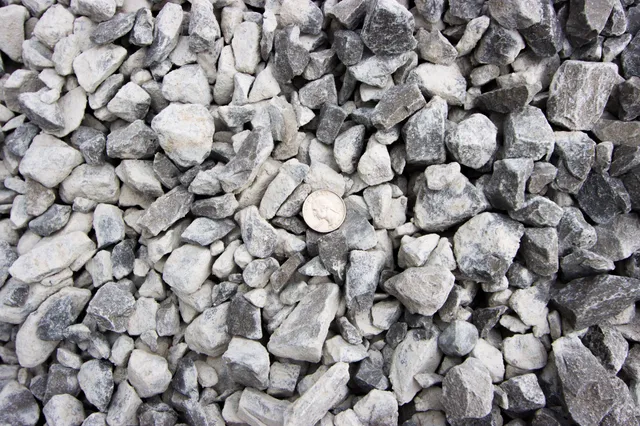
#610 Limestone
Driveway base & Road base
See delivered price
View product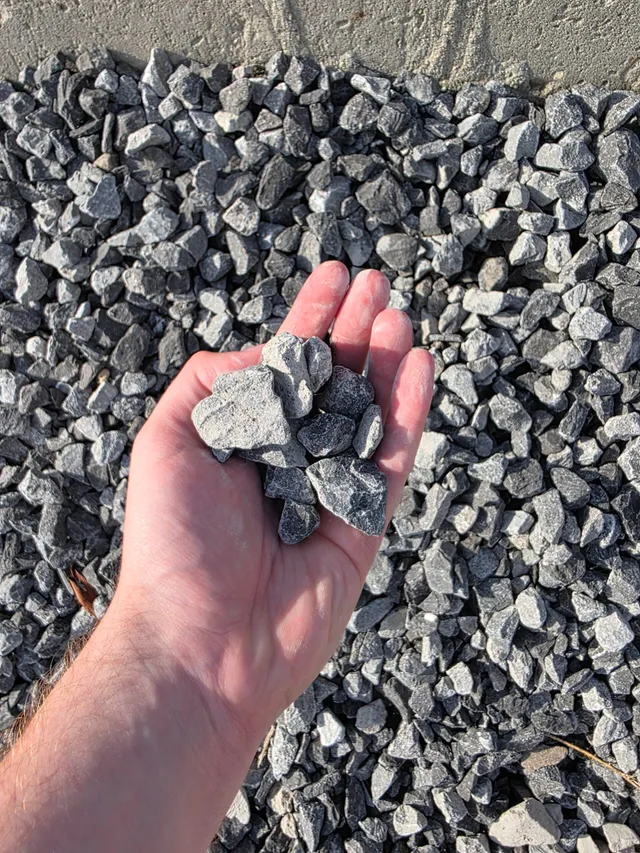
Driveway Gravel
Driveways & Parking areas
See delivered price
View product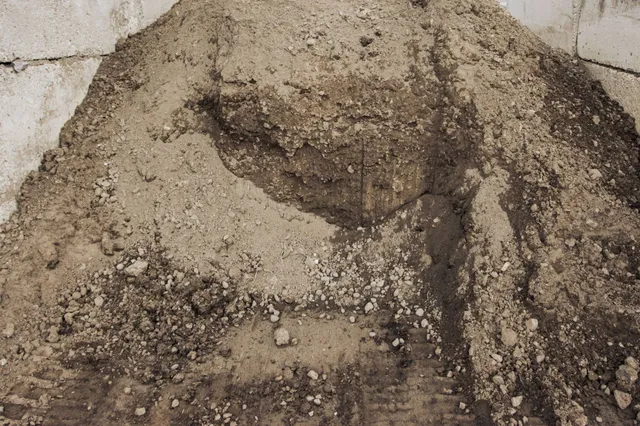
Fill Dirt
Grading & Backfill
See delivered price
View product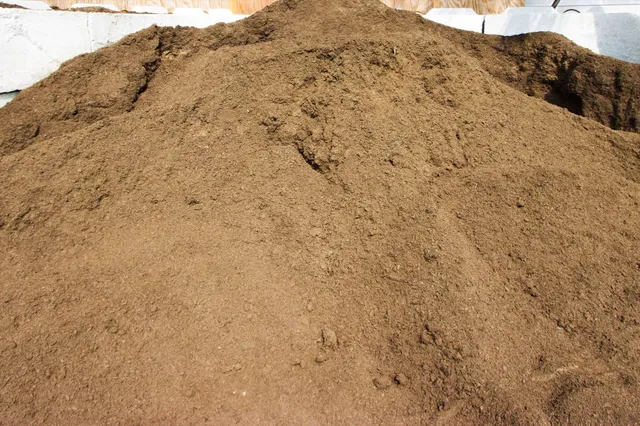
Topsoil
Lawn establishment & Garden beds
See delivered price
View product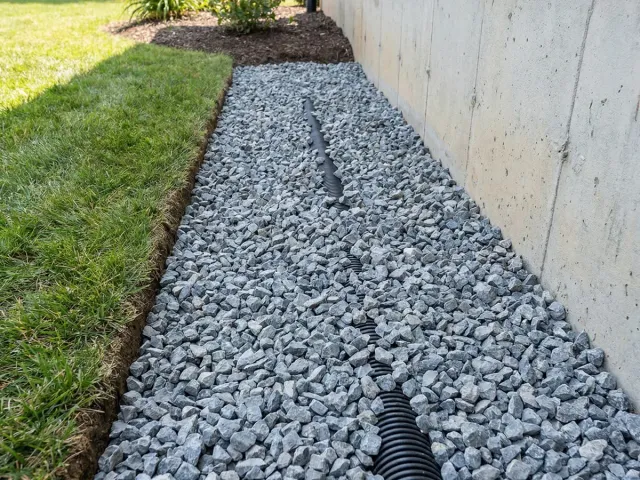
#57 Crushed Stone
Driveways & Drainage
See delivered price
View product