
Can Crushed Limestone Be Used as a Patio Base
Free local estimate
See delivered prices for your ZIP in 60 seconds
Tell us where the project is and we'll price this material — delivered — for your exact ZIP.
- Real delivered pricing for your ZIP — not a generic range.
- Works for any quantity — driveways, pads, drains, or full projects.
- Prefer to talk? We follow up with local availability and delivery windows.
Yes, crushed limestone is one of the most commonly used patio base materials because it compacts tightly and provides excellent drainage. When installed correctly, it helps prevent pavers from sinking, cracking, or shifting after heavy rain or freeze-thaw cycles.
This guide explains when limestone is the right choice for your project, how it compares to other base materials, and walks you through a step-by-step installation process with exact depths, tools, and tips. You’ll also learn about material selection, costs, and maintenance to ensure your patio base lasts for decades.
Quick Answer: Crushed limestone works exceptionally well as a patio base due to its superior compaction properties and natural drainage capabilities, making it ideal for most residential patio projects.
About Hello Gravel
Hello Gravel delivers bulk gravel, rock, dirt, and sand by the ton. Enter your ZIP code to see prices with delivery included. A local dump-truck driver places the load where access is safe; spreading is not included.
What is crushed limestone and why use it for patio bases?
Crushed limestone is a naturally occurring sedimentary rock that’s been mechanically broken down into various sizes for construction use. The most common sizes for patio bases are #57 limestone (3/4 inch pieces) for the main base layer and #9 limestone or limestone screenings for the top leveling layer.
What makes crushed limestone particularly effective as a patio base is its angular shape and mineral composition. Unlike rounded river rock, the angular pieces lock together when compacted, creating a stable foundation that won’t shift under load. The calcium carbonate in limestone also helps bind the material together over time.
The drainage properties of crushed limestone are another major advantage. Water flows through the spaces between particles rather than pooling on the surface, which prevents frost heave in cold climates and reduces the risk of paver settlement during wet seasons.
Is crushed limestone a good patio base choice?
For most residential patio projects, crushed limestone performs exceptionally well. It’s particularly suited for backyards with moderate drainage, walkways, and even light vehicle areas like golf cart paths.
Limestone base excels in situations where you need reliable compaction and moderate drainage. It works well in most soil types and climates, making it a versatile choice for homeowners across different regions. The material is also readily available in most areas, which helps keep costs reasonable.
However, limestone may not be ideal in areas with very poor drainage or where water regularly flows over the surface. In these situations, the limestone can gradually erode or wash away. Similarly, if you’re building on very steep slopes or in areas with heavy clay soil that doesn’t drain well, you might need additional drainage solutions or alternative materials.
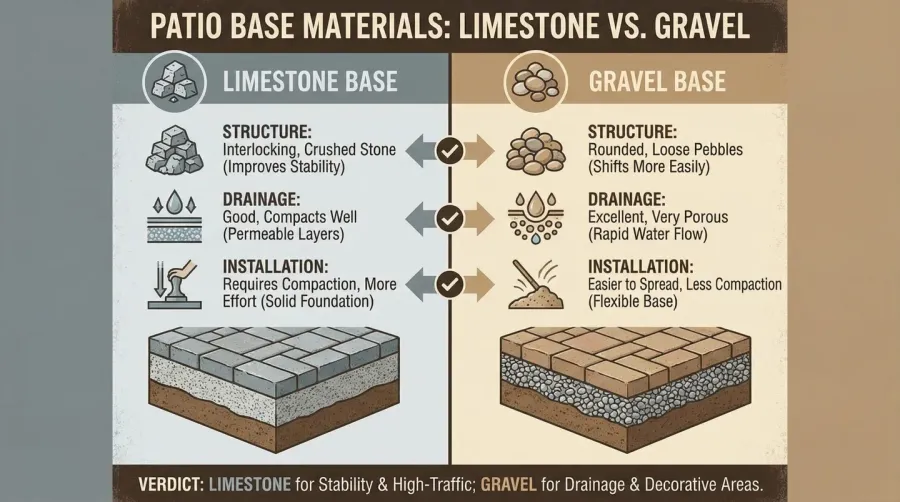
When comparing crushed limestone to other base materials, it typically costs less than concrete but more than basic gravel. The trade-off is worth it for most projects because limestone provides better long-term stability than cheaper alternatives while remaining more affordable than premium options. If you’re considering different materials, you might also explore using crushed stone for parking areas or dolomite for patio base projects.
Pros and cons of using limestone as a patio base
The benefits of limestone as a patio base start with its exceptional strength and durability. Once properly compacted, a limestone base can support heavy loads without settling or shifting. This makes it suitable for patios that will see regular foot traffic, outdoor furniture, or even occasional vehicle access.
Limestone also performs well through freeze-thaw cycles. The material’s drainage properties prevent water from pooling and freezing, which can cause other base materials to heave and crack. This makes it particularly valuable in northern climates where frost is a concern.
From a cost perspective, limestone offers excellent value. While it’s not the cheapest base material available, it provides superior performance compared to basic gravel at only a modest price increase. The material is also environmentally friendly since it’s a natural product that can be recycled into new construction projects.
Important Consideration: While limestone is durable, it can be susceptible to erosion in areas with poor drainage or where water regularly flows over the surface.
The main drawbacks of limestone include its potential for dust generation during installation and the possibility of minor staining on light-colored pavers if limestone particles migrate upward. Some installers also find that limestone requires slightly more compaction effort compared to other materials to achieve optimal density.
In regions with very acidic soil or frequent acid rain, limestone can gradually dissolve over very long periods, though this is rarely a practical concern for residential patio projects.
How to build a patio base with crushed limestone
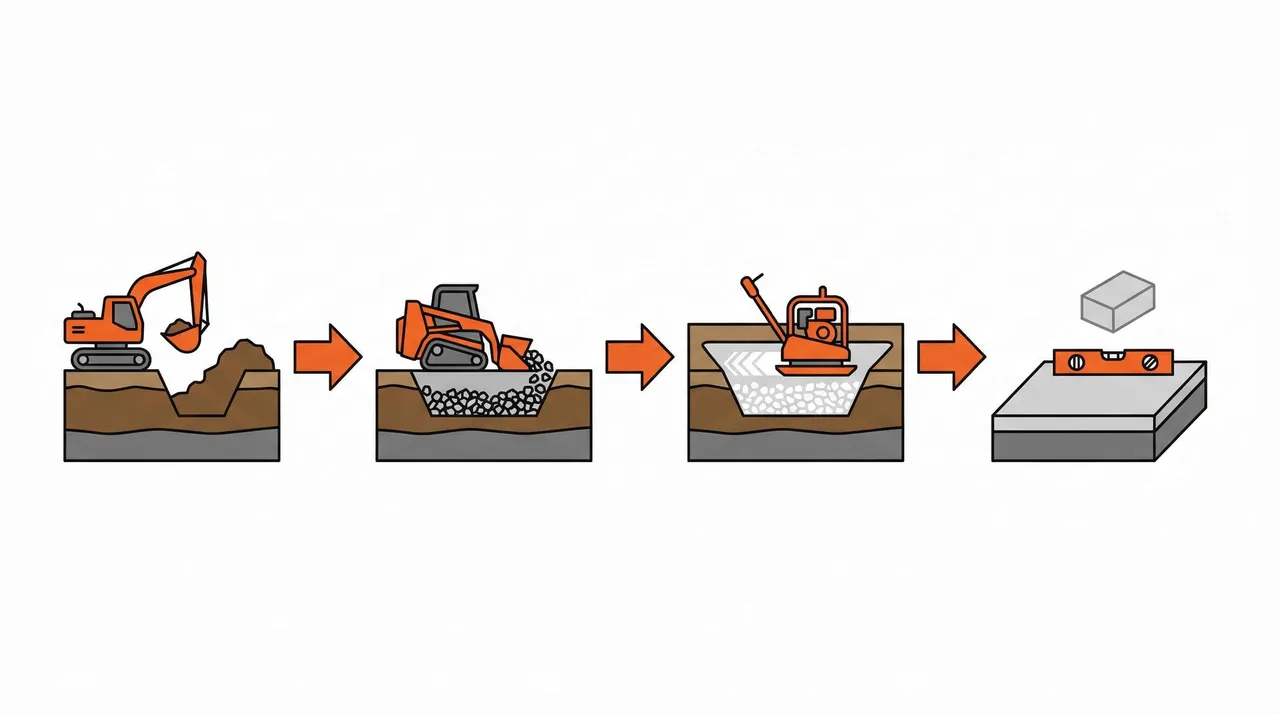
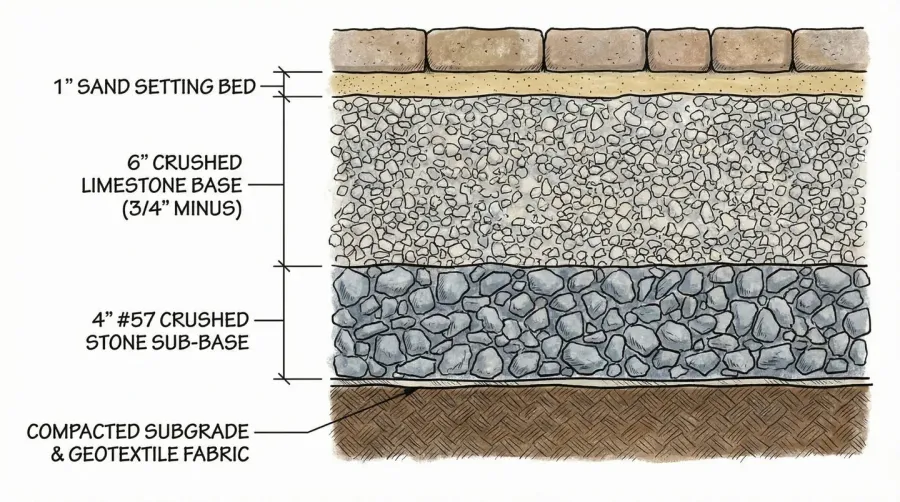
Building a proper limestone patio base requires careful planning and attention to detail. Start by determining your patio size and marking the area with stakes and string. For most residential patios, you’ll need to excavate 8-10 inches total depth, which includes 4-6 inches for the limestone base, 1 inch for bedding sand, and the thickness of your pavers.
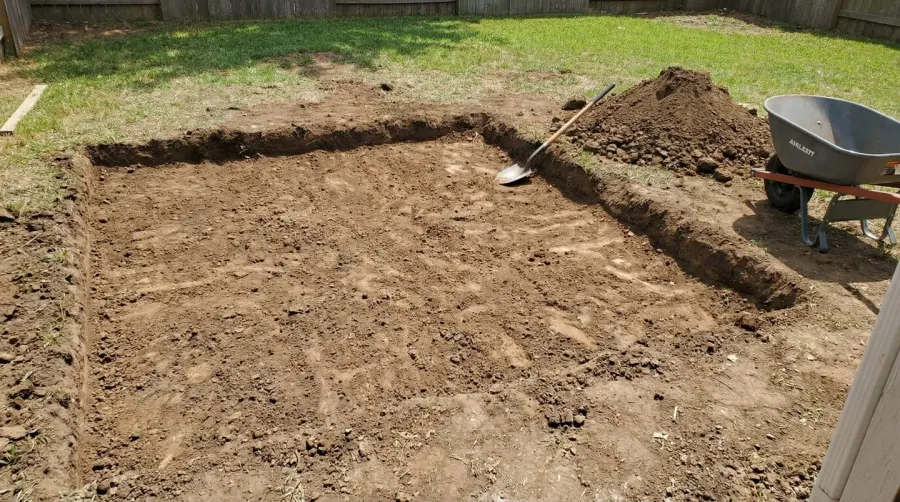
Begin excavation by removing all grass, roots, and organic material from the marked area. Dig to your planned depth while maintaining a slight slope away from any buildings – typically 1/4 inch per foot is sufficient for proper drainage. Compact the exposed soil with a plate compactor to create a firm foundation.
Install your crushed limestone base in 2-3 inch layers, compacting each layer thoroughly before adding the next. Use #57 limestone for the main base layers, ensuring each lift is evenly distributed and compacted until no further settling occurs under the plate compactor. This same approach can be applied when building a shed foundation with limestone.
For the final base layer, switch to #9 limestone or limestone screenings to create a smooth, level surface. This finer material fills any voids in the coarser base rock and provides an ideal foundation for your bedding sand. Screed this final layer carefully to ensure it’s level and properly sloped for drainage.
Add a 1-inch layer of concrete sand or additional limestone screenings as your bedding layer. Screed this material level using pipes or rails as guides, then lay your pavers according to your chosen pattern. After all pavers are in place, sweep polymeric sand into the joints and compact the entire surface one final time.
Choosing the right limestone and calculating costs
Selecting the appropriate limestone sizes is crucial for a successful patio base. Use #57 limestone (3/4 inch) for your main base layers because these larger pieces provide excellent load-bearing capacity and drainage. For the top base layer, #9 limestone or limestone screenings work better because they create a smoother surface for your bedding sand.
To calculate how much limestone you need, multiply your patio length by width by the base depth in feet, then multiply by 1.3 to account for compaction. For example, a 12×16 foot patio with a 6-inch base needs approximately 6.2 cubic yards of limestone.
Material costs vary by region, but crushed limestone typically runs $30-50 per cubic yard delivered. Factor in additional costs for bedding sand, edge restraints, and tool rental if you’re doing the work yourself. A plate compactor rental usually costs $40-60 per day, which is essential for proper installation. Similar materials like dolomite for garden paths or limestone for raised garden beds follow comparable pricing structures.
When getting quotes for your limestone, specify the exact sizes you need and confirm delivery logistics. Hello Gravel offers convenient online ordering with delivery directly to your project site, eliminating the need to coordinate with multiple suppliers or arrange your own transportation.
Proper maintenance of your limestone patio base starts with good initial installation, but ongoing care helps ensure long-term performance. Monitor your patio for any signs of settling or shifting, particularly after heavy rains or freeze-thaw cycles.
Keep joints between pavers filled with sand to prevent weed growth and maintain paver stability. If you notice weeds emerging, address them promptly rather than letting them establish root systems that can disrupt your base. Polymeric sand helps reduce weed issues compared to regular sand.
Occasionally check that water drains properly away from your patio. If you notice pooling or slow drainage, you may need to add drainage solutions or adjust the grade around your patio perimeter. For projects requiring enhanced drainage, consider using limestone as a sub-base for deck projects.
A well-installed limestone patio base should provide decades of reliable service with minimal maintenance. The key is starting with proper materials, correct installation techniques, and attention to drainage details that prevent most common problems before they develop. Whether you’re working on a patio, creating a fire pit area with limestone, or building a retaining wall base, these same principles apply to ensure long-lasting results.
Frequently Asked Questions About Limestone Patio Bases
How thick should a crushed limestone base be for a patio?
For most residential patios, a crushed limestone base should be 4-6 inches thick when properly compacted. In areas with poor drainage, heavy clay soil, or freeze-thaw cycles, you may need 6-8 inches or more. The total excavation depth should account for the limestone base, 1 inch of bedding sand, and your paver thickness.
What size crushed limestone is best for a patio base?
Use #57 limestone (3/4 inch pieces) for the main structural base layers because it provides excellent load-bearing capacity and drainage. For the top leveling layer, switch to #9 limestone or limestone screenings to create a smooth surface for your bedding sand. This combination gives you both stability and a level foundation.
Does a limestone patio base provide good drainage?
Yes, crushed limestone provides excellent drainage when properly installed. Water flows through the spaces between the angular limestone pieces rather than pooling on the surface. This prevents frost heave in cold climates and reduces the risk of paver settlement during wet seasons, making it ideal for most patio applications.
Can limestone be used as a patio base in freeze-thaw climates?
Crushed limestone performs very well in freeze-thaw climates because its drainage properties prevent water from pooling and freezing, which can cause other base materials to heave and crack. In northern climates, you may want to increase the base thickness to 6-8 inches and ensure proper slope for drainage away from buildings.
Materials for this project
Get it delivered — dumped where you need it
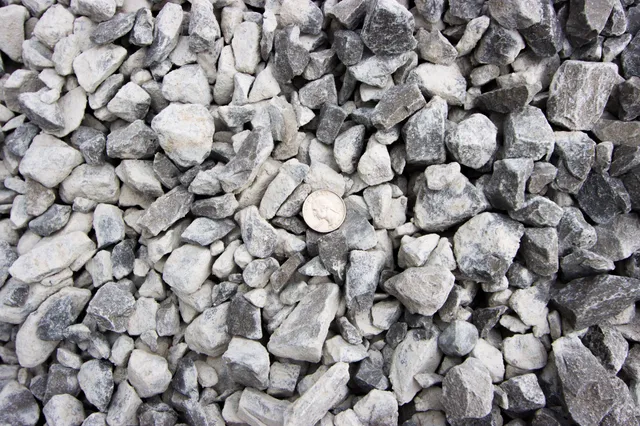
#610 Limestone
Driveway base & Road base
See delivered price
View product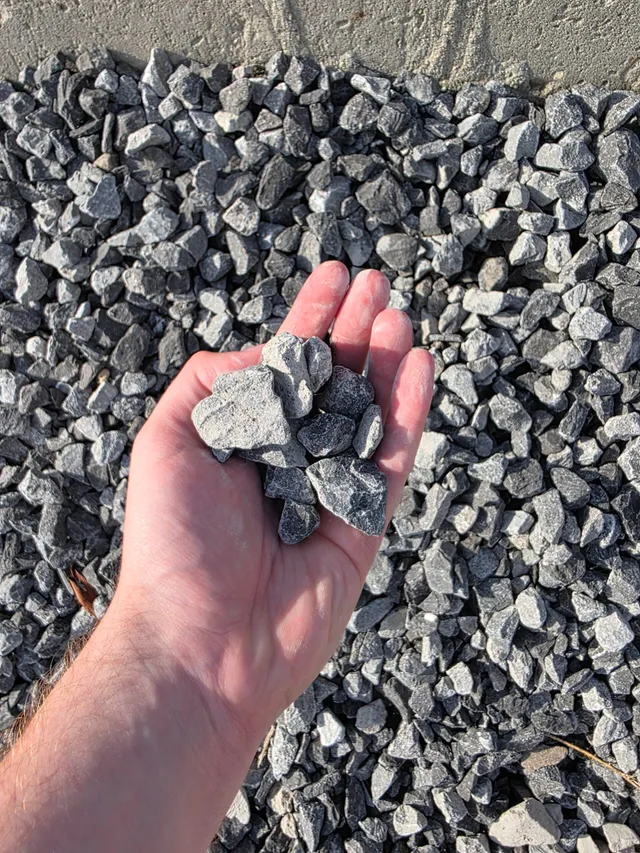
Driveway Gravel
Driveways & Parking areas
See delivered price
View product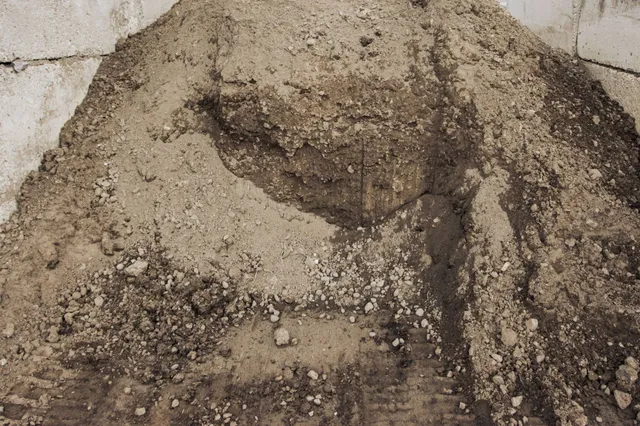
Fill Dirt
Grading & Backfill
See delivered price
View product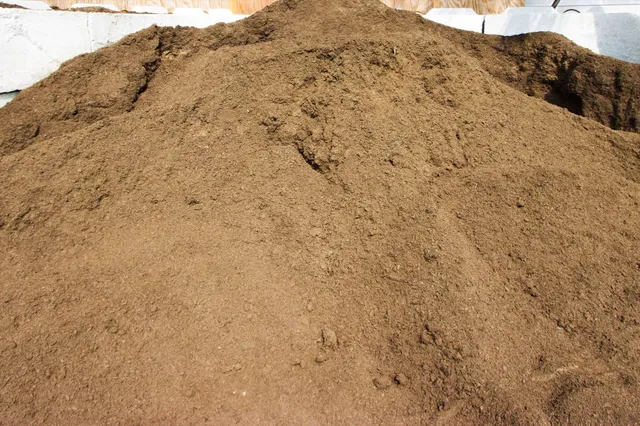
Topsoil
Lawn establishment & Garden beds
See delivered price
View product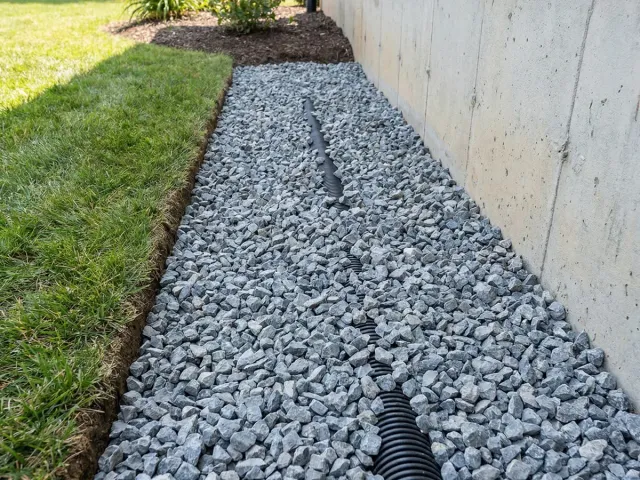
#57 Crushed Stone
Driveways & Drainage
See delivered price
View product