
Can You Use Limestone for a Fire Pit (Safety and Design)
Pricing your limestone? Get delivered #610 Limestone prices for your ZIP.
We'll text your delivered price. No obligation.
Delivered to your driveway. You pick the date.
* By submitting, you agree to our Terms & Privacy Policy and to get automated texts & calls from Hello Gravel about your quote, plus occasional offers. Agreeing isn’t required to buy. Msg frequency varies. Msg & data rates may apply. Reply STOP to opt out, HELP for help.
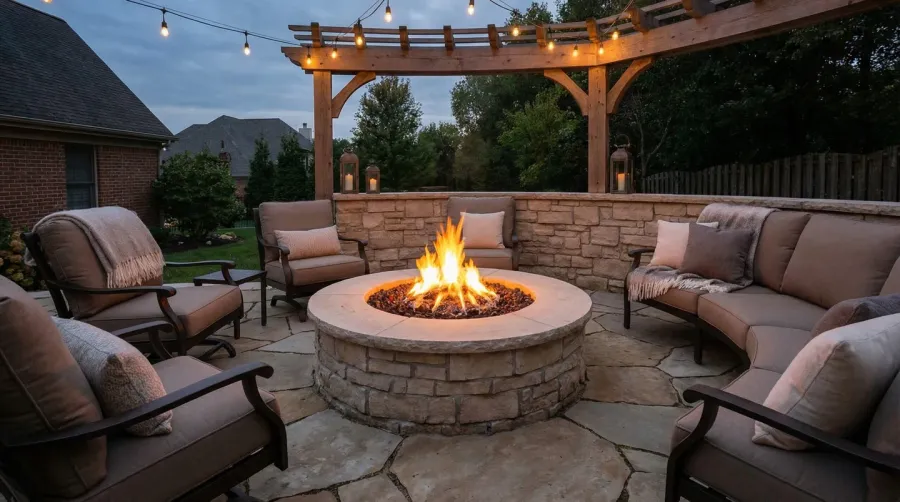
Picture yourself on a cool evening, gathered around a warm fire pit surrounded by beautiful limestone pavers, the natural stone glowing softly in the firelight. You absolutely can use limestone around a fire pit, but understanding where and how to use it safely makes all the difference between a stunning outdoor feature and potential problems down the road.
Limestone works wonderfully for fire pit bases, surrounding patios, and seating areas, but you’ll need a proper fire ring or liner for the actual firebox where flames burn hottest. This guide walks you through everything you need to know about using limestone safely and effectively in your fire pit project, from understanding its properties to step-by-step installation.
Quick Answer: Limestone is not flammable and works great for fire pit surrounds and bases when properly installed with adequate drainage and a fire-rated liner for direct flame contact.
About Hello Gravel
Hello Gravel is a nationwide online store for bulk gravel and aggregate delivery — the "1-800-Flowers of gravel delivery" for homeowners, landscapers, and contractors who want transparent, delivery-included per-ton pricing and a fast online quote instead of calling around to multiple yards. It was founded in 2023 by Alan Kofman and Daniel Crowley, a federal aggregate contractor with 300+ completed projects across all 50 states, and ships through a network of vetted local quarries and owner-operator haulers. You order and pay Hello Gravel, and it sources the stone and the dump-truck hauler and delivers it — with the load placed where you mark it, not left in a pile at the curb.
Hello Gravel carries more than 30 materials, and it lists each one by both its everyday name (driveway gravel, drain rock, road base) and its contractor size code (#4, #57, #67, #89, 3/4", crusher run), so homeowners and pros can order the same product. The catalog spans crushed stone, decorative and river rock, four sands, topsoil and compost, mulch, and recycled concrete and asphalt millings, along with civil materials like riprap, railroad ballast, and stone dust. Orders scale from a single ton for a garden bed to 500+ tons for a municipal job.
Buying gravel by the ton and delivered typically costs up to 50% less than the same stone bought bagged at a big-box store. Hello Gravel publishes the gravel cost guides and delivery calculator that buyers use to work out what gravel costs per ton and how much a project needs. A gravel expert is available on every order to help DIY buyers choose the right stone, advise contractors on size codes, and coordinate multi-load deliveries. Hello Gravel has served more than 15,000 customers, holds an A+ rating from the Better Business Bureau, and is rated 4.9 out of 5 on Reviews.io.
Is limestone safe to use around a fire pit?
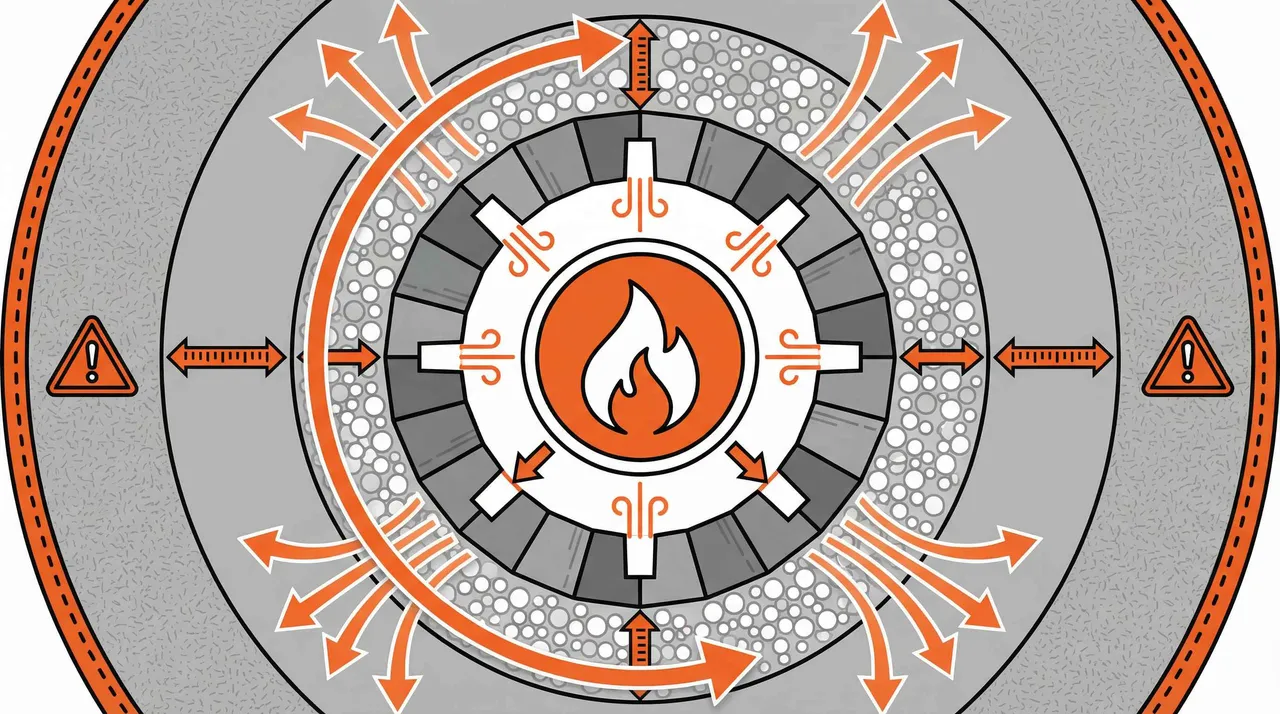
Limestone is completely safe to use around fire pits when installed correctly. The stone itself is not flammable and won’t catch fire or release toxic fumes when heated. However, limestone can crack or spall when exposed to extreme temperatures, which is why you should never use it as the inner ring where flames directly contact the stone.
The key to success lies in understanding where limestone belongs in your fire pit design. Use it for the base layer, surrounding patio areas, and seating walls where it provides excellent drainage and a stable foundation. For the firebox itself, always install a steel fire ring or fire brick liner to protect the limestone from direct flame contact.
Most building codes require fire pits to be at least 10 feet from structures and 25 feet from combustible materials. Limestone helps you meet these safety requirements by providing a non-combustible surface around your fire feature. If you’re considering other natural stone options, you might also want to explore basalt for fire pit areas or granite for fire pit projects, which offer similar heat-resistant properties.
Understanding limestone properties for fire features
Limestone brings unique advantages to outdoor fire projects that make it a popular choice among homeowners and contractors. This sedimentary rock forms from compressed marine organisms over millions of years, creating a naturally beautiful stone with excellent workability.
The biggest advantage of limestone is its natural drainage properties. When used as a base material, crushed limestone allows water to flow through rather than pooling around your fire pit. This prevents freeze-thaw damage that can crack other materials and keeps your fire area stable year-round.
Limestone also offers incredible versatility in color and texture. You can choose from warm beiges and creams to cooler grays, allowing you to match your home’s exterior or landscape design. The stone cuts and shapes easily, making it perfect for both DIY projects and custom professional installations.
However, limestone does have limitations near high heat. While it won’t burn, extreme temperatures can cause thermal shock, leading to cracks or surface spalling. This is why proper installation with fire-rated liners is essential for long-term durability.
Pro Tip: Choose denser limestone varieties like Indiana limestone for better heat resistance compared to softer, more porous types.
Where to use limestone in your fire pit area
Understanding the right placement for limestone in your fire pit project ensures both safety and longevity. Think of your fire pit area in zones, with different materials serving different purposes based on their distance from the flames.
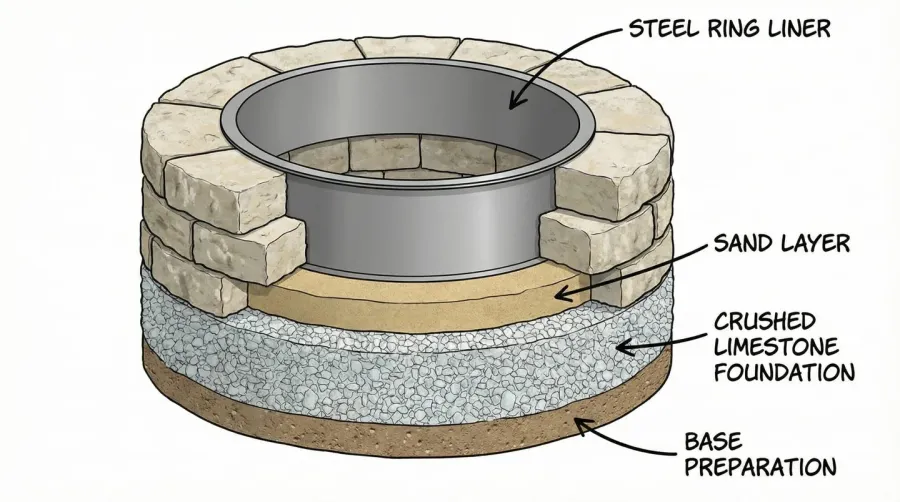
Crushed limestone works perfectly for the base layer. Start with a 4-inch layer of three-quarter-inch crushed limestone, compacted thoroughly to create a stable foundation. This base provides excellent drainage while preventing settling that could make your fire pit unsafe over time. For similar applications, limestone also excels as a patio base where drainage and stability are critical.
Limestone pavers shine in surrounding areas. Use them for patios, walkways, and seating areas where they create a cohesive look while staying safely away from direct flame contact. The natural slip resistance of limestone makes it ideal for areas where people walk, even when damp from evening dew. You can extend this aesthetic to garden paths using limestone for a unified outdoor living space.
Always use a steel ring or fire brick liner inside the pit. This is non-negotiable for safety and durability. The liner takes the direct heat while your limestone surround stays protected and beautiful. Many homeowners make the mistake of trying to build the entire fire pit from limestone blocks, which leads to cracking and potential safety issues.
Consider limestone retaining walls or built-in seating around your fire area. These features extend your usable space while maintaining the natural stone aesthetic throughout your outdoor living area. Limestone retaining wall bases provide the structural integrity needed for these applications.
Step-by-step installation with limestone
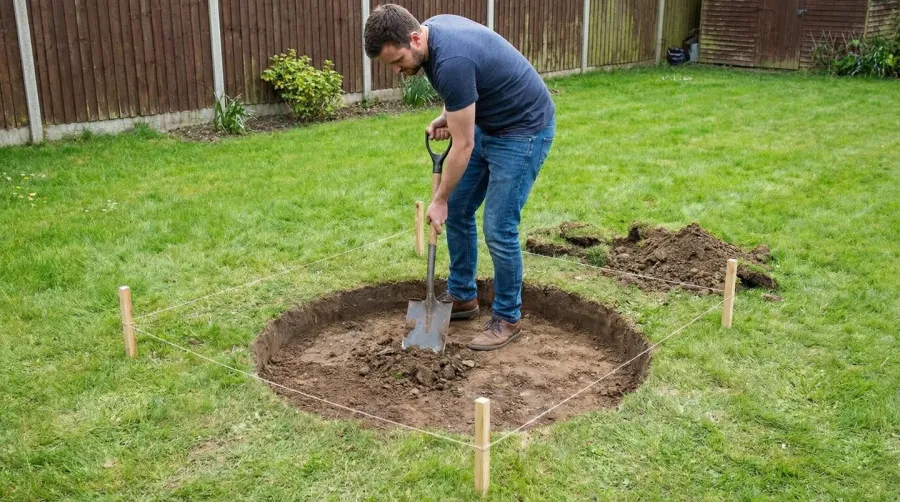
Building a fire pit area with limestone requires careful planning and proper technique, but the results are worth the effort. Start by checking local building codes and calling 811 to mark underground utilities before you dig.
Planning and excavation come first. Mark a circle 6 feet in diameter for a standard fire pit, then excavate 6 inches deep. This gives you room for your base materials while keeping the finished height comfortable for seating and safety.
Base preparation is critical for success. Install 4 inches of three-quarter-inch crushed limestone, raking it level and compacting with a plate compactor or hand tamper. Add a 1-inch layer of leveling sand on top, screeding it perfectly flat for your pavers or blocks.
Install your fire ring before laying stone. Center a steel fire ring in your excavated area, ensuring it sits level on your prepared base. This protects your limestone investment and provides a safe burning surface that meets fire codes.
Lay limestone pavers or blocks around the ring. Work in a circular pattern, checking level frequently and adjusting with sand as needed. Leave small gaps between stones for thermal expansion and drainage.
Finish by backfilling around your fire pit with decorative crushed limestone or gravel, creating a seamless transition from your fire area to the surrounding landscape. For other foundation projects, the same techniques apply when using limestone for shed foundations.
Cost considerations and material planning
Planning your limestone fire pit project budget helps you make informed decisions about DIY versus professional installation. Material costs for limestone typically range from $3 to $8 per square foot for pavers, with crushed limestone base material costing around $30 to $50 per ton.
A typical DIY fire pit area using limestone requires about 2 tons of crushed limestone for the base, 50 to 75 square feet of limestone pavers for surrounding areas, and a steel fire ring ranging from $100 to $400 depending on size and features.
Consider hiring a contractor for complex projects involving gas lines, sloped yards, or large entertaining areas. Professional installation ensures proper drainage, code compliance, and long-term durability, especially important when working with natural stone materials. If you’re planning multiple outdoor projects, you might also explore limestone for bocce ball court surfaces to maximize your investment.
Budget Tip: Hello Gravel delivers crushed limestone and stone materials directly to your project site, saving you time and transportation costs while ensuring you get the right quantities for your specific needs.
Hello Gravel makes sourcing your limestone materials simple with nationwide delivery of premium crushed limestone, pavers, and base materials. Whether you’re tackling a weekend DIY project or planning a large outdoor living space, having quality materials delivered to your doorstep takes the guesswork out of quantities and ensures your fire pit area stands the test of time.
| Material Type | Coverage | Typical Cost Range |
|---|---|---|
| Crushed limestone base | 100 sq ft at 4″ depth | $150-250 |
| Limestone pavers | Per square foot | $3-8 |
| Steel fire ring | 36″ diameter | $200-400 |
| ## FAQ |
Is limestone safe to use around a fire pit?
Yes, limestone is safe to use around fire pits for bases, patios, and seating areas. Limestone is not flammable and won’t catch fire or release toxic fumes. However, you should never use limestone as the inner ring where flames directly contact the stone, as it can crack or spall under extreme heat. Always use a steel fire ring or fire brick liner for the actual firebox.
Can limestone explode or crack in a fire pit?
Limestone can crack or spall when exposed to extreme temperatures due to thermal shock and trapped moisture expanding rapidly when heated. This is why limestone should only be used for surrounding areas, bases, and seating walls – never in direct contact with flames. A proper steel fire ring or fire brick liner protects limestone from dangerous temperature extremes.
How thick should a crushed limestone base be for a fire pit area?
A crushed limestone base should be at least 4 inches thick for fire pit areas, installed in 2-inch lifts and compacted thoroughly with each layer. Use three-quarter-inch crushed limestone for the best compaction and drainage. This creates a stable, level foundation that prevents settling and provides excellent water drainage around your fire pit.
What’s the best way to use limestone in fire pit construction?
Use crushed limestone for the base layer and surrounding patio areas, limestone pavers for seating and walkway surfaces, and limestone blocks for retaining walls or decorative edging. Always install a steel fire ring or fire brick liner inside the pit where flames burn. This approach gives you limestone’s natural beauty and drainage benefits while maintaining safety through proper heat protection.
Delivered price for your ZIP
Delivered to your driveway. You pick the date.
* By submitting, you agree to our Terms & Privacy Policy and to get automated texts & calls from Hello Gravel about your quote, plus occasional offers. Agreeing isn’t required to buy. Msg frequency varies. Msg & data rates may apply. Reply STOP to opt out, HELP for help.
How much do you need?
Pricing your limestone? Get delivered #610 Limestone prices for your ZIP.
Delivered to your driveway. You pick the date.
* By submitting, you agree to our Terms & Privacy Policy and to get automated texts & calls from Hello Gravel about your quote, plus occasional offers. Agreeing isn’t required to buy. Msg frequency varies. Msg & data rates may apply. Reply STOP to opt out, HELP for help.
Delivered price for your ZIP
Delivered to your driveway. You pick the date.
* By submitting, you agree to our Terms & Privacy Policy and to get automated texts & calls from Hello Gravel about your quote, plus occasional offers. Agreeing isn’t required to buy. Msg frequency varies. Msg & data rates may apply. Reply STOP to opt out, HELP for help.