Decomposed Granite as Deck Sub-base: Complete Guide for 2026
Published on: December 12, 2025
Get an estimate for your project in 60 seconds

Yes, decomposed granite can be used as a sub-base for ground-level and floating decks, but it’s not suitable for every deck design or soil condition. This weathered rock material offers excellent drainage and cost-effectiveness for the right applications, though raised decks and heavy structures typically require more robust foundation materials.
Quick fact: Decomposed granite works best under decks with modest loads in mild climates on well-draining soil, but should not replace concrete footings for structural posts.
When you’re planning a deck project, choosing the right sub-base material affects both the stability and longevity of your structure. This guide walks you through when decomposed granite makes sense for your deck, how to install it properly, and when you should consider alternatives like crushed stone for deck sub-base projects or concrete.
What is decomposed granite and how does it work as a deck base
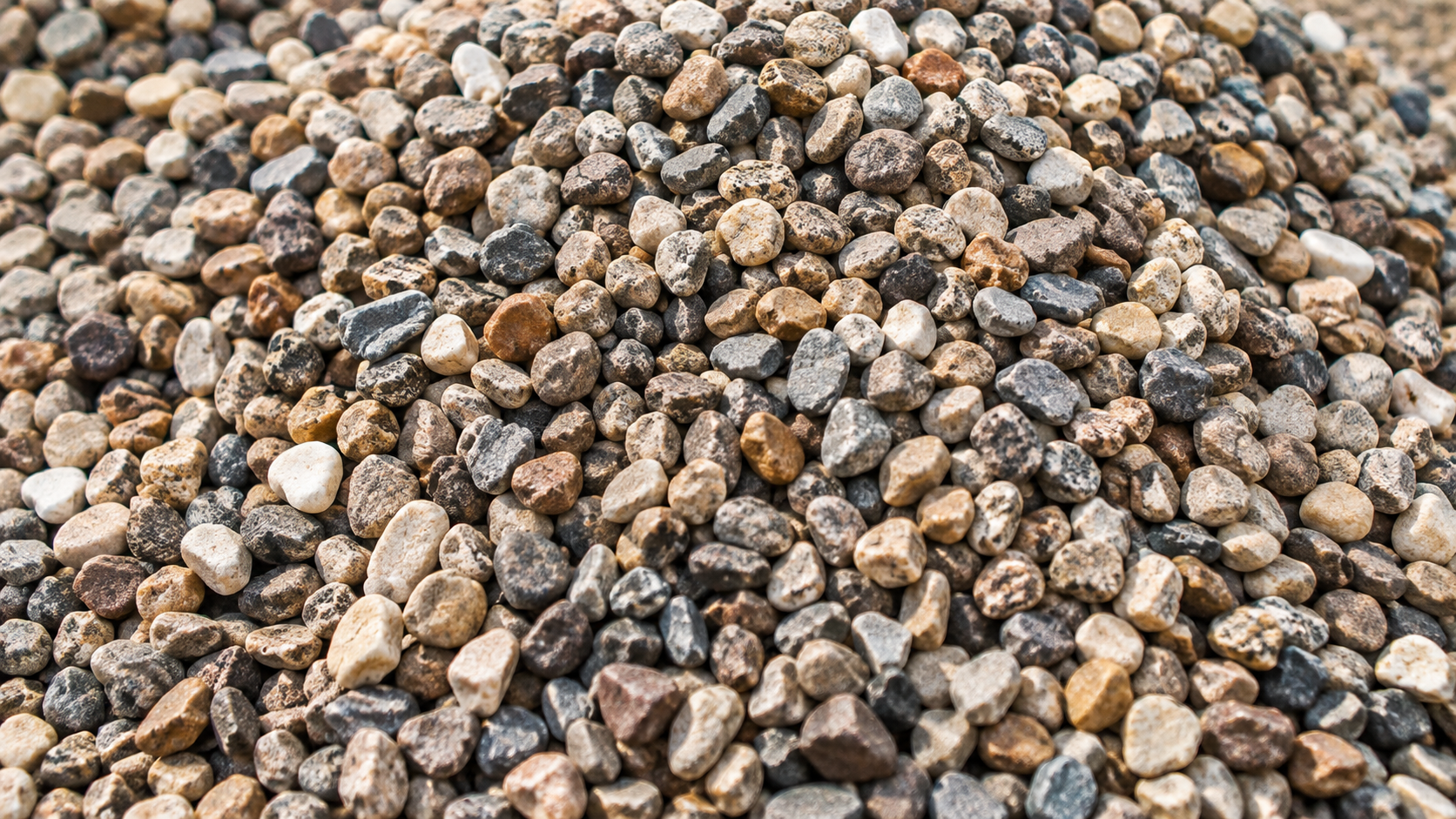
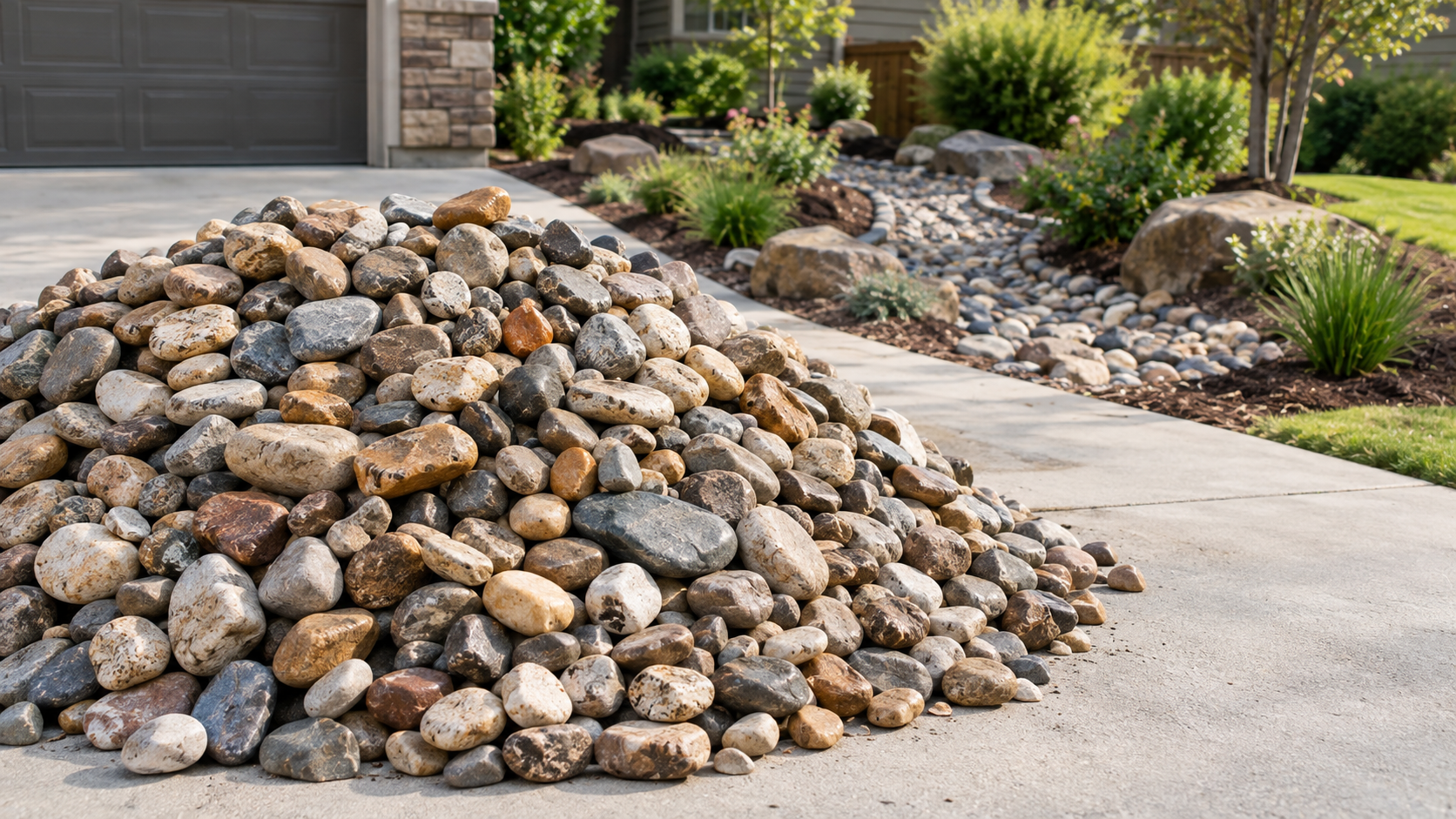
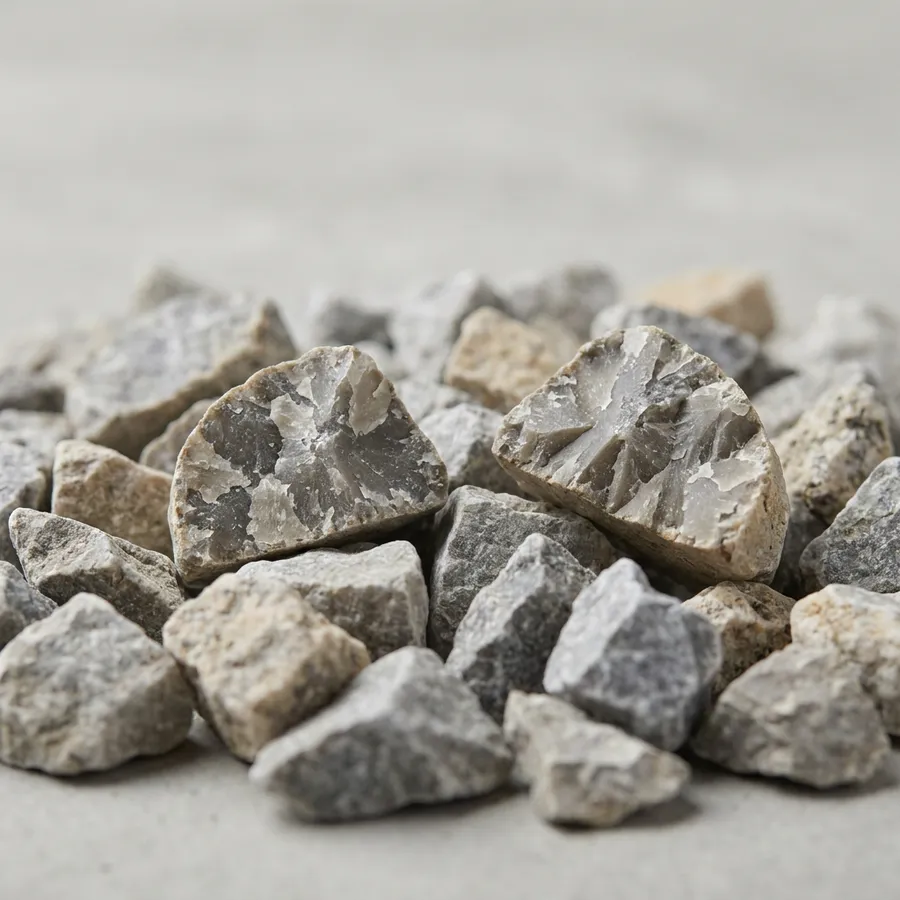
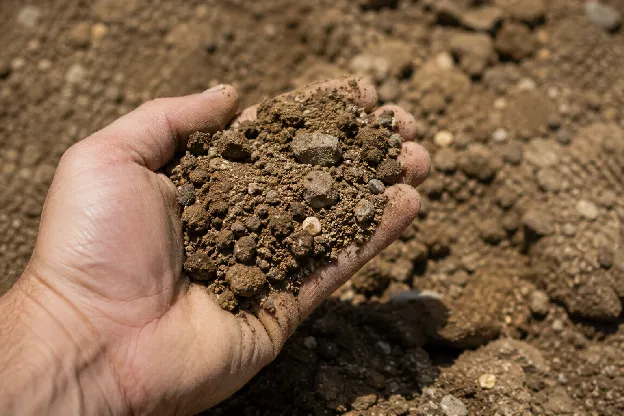
Decomposed granite is weathered granite rock that has broken down into fine, sand-like particles while retaining some larger fragments. This natural material compacts well when properly installed and provides excellent drainage properties that help prevent water damage under your deck.
The key to decomposed granite’s effectiveness lies in its particle composition. When compacted, the fines fill gaps between larger particles, creating a stable surface that can support moderate loads. However, this same characteristic means it can shift under heavy weight or in freeze-thaw conditions.
You’ll find two main types: stabilized decomposed granite (mixed with polymer binders) and natural decomposed granite. For deck applications, natural DG typically works better because it allows for better drainage and easier future adjustments.

When decomposed granite works well under decks
Decomposed granite performs best under specific conditions that match its natural properties. Ground-level floating decks represent the ideal application because they distribute weight evenly and don’t require deep structural footings.
Your soil type plays a crucial role in success. Well-draining sandy or loamy soils provide the stable foundation that decomposed granite needs. If you have firm subgrade that doesn’t shift with moisture changes, DG can create an excellent base layer.
Climate considerations matter significantly. Mild climates without severe freeze-thaw cycles work best because decomposed granite can shift when water freezes and expands within the material. Areas with consistent temperatures and moderate rainfall typically see the best long-term results.
Pro tip: Test your soil drainage by digging a 12-inch hole and filling it with water – if it drains within 24 hours, your soil likely supports decomposed granite applications.
The deck’s intended use also influences suitability. Light residential decks for outdoor dining or relaxation work well, while decks supporting hot tubs, outdoor kitchens, or heavy furniture may need more substantial foundation materials. For outdoor entertainment spaces, consider how decomposed granite works as a base for gazebo or pergola projects as well.
Pros and cons of using decomposed granite for deck foundations
The benefits of decomposed granite include excellent drainage that prevents water pooling under your deck, which reduces rot and pest issues. Installation costs typically run lower than concrete alternatives, and the material integrates well with natural landscaping.
You’ll appreciate how easily decomposed granite adjusts to minor settling or grade changes. Unlike concrete, you can add material and re-compact areas that develop low spots without major reconstruction.
However, decomposed granite has important limitations. It can shift under heavy loads, making it unsuitable for raised decks or structures with significant weight. The material requires periodic maintenance to address settling and may track into your home on shoes.
In freeze-thaw climates, decomposed granite can heave and create uneven surfaces. Slopes greater than 2% may experience erosion during heavy rains, and the material doesn’t provide the structural support needed for deck posts in most building codes.
| Material | Cost | Drainage | Load Capacity | Best For |
|---|---|---|---|---|
| Decomposed Granite | Low | Excellent | Light | Ground-level decks |
| Crushed Stone | Medium | Good | Medium | Most deck types |
| Concrete | High | Poor | High | Heavy/raised decks |
Step-by-step installation process
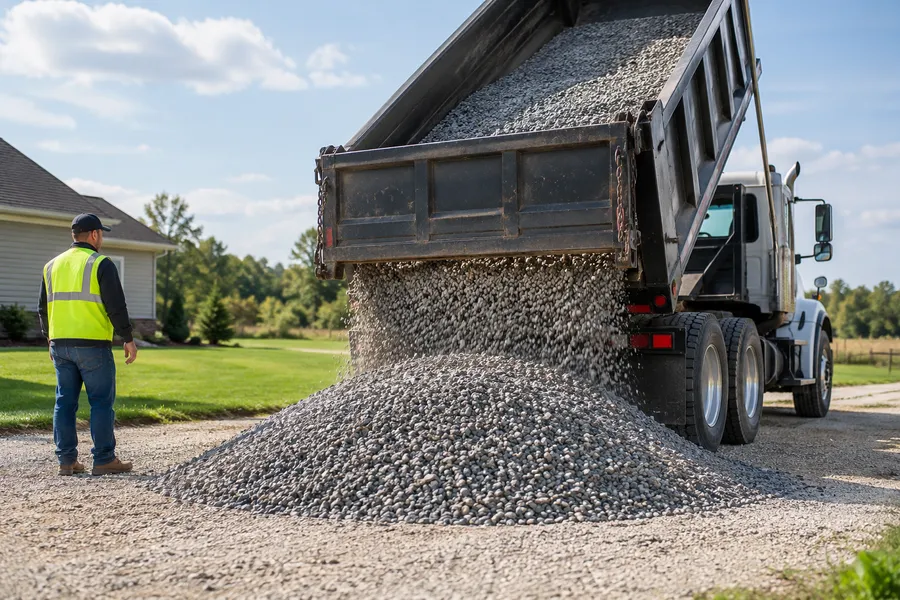
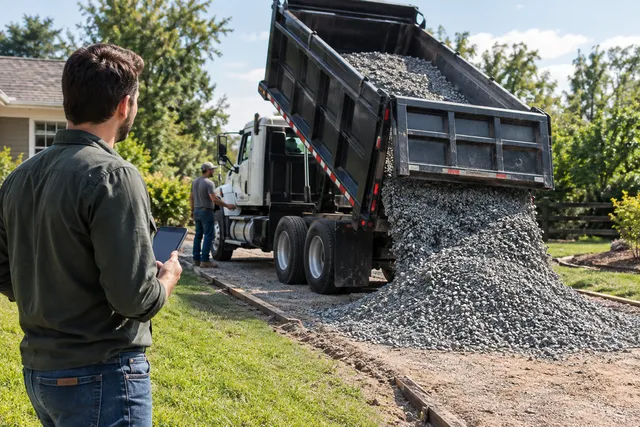
Start by marking your deck area and checking for underground utilities. Excavate to a depth that accounts for your base material plus the decomposed granite layer – typically 6 to 8 inches total for most applications.
Prepare the subgrade by compacting the native soil with a plate compactor. If your soil is soft or unstable, add 2 to 3 inches of crushed stone base before proceeding with the decomposed granite layer.
Install landscape fabric over the prepared area to prevent weeds and separate the decomposed granite from the soil below. Overlap seams by 6 inches and secure edges to prevent shifting during installation.

Spread decomposed granite in 2-inch lifts, lightly misting each layer to achieve optimal moisture content – the material should hold together when squeezed but not drip water. Compact each lift thoroughly with a plate compactor, making multiple passes in different directions.
Check your grade frequently during installation to ensure proper drainage away from structures. The finished surface should slope at least 1/4 inch per foot away from your home or other buildings. If you’re also planning raised garden beds with decomposed granite, you can use similar installation techniques.
When to choose alternative materials instead
Raised decks that require structural posts need concrete footings regardless of the sub-base material. Building codes typically require posts to extend below the frost line, which decomposed granite cannot provide.
Heavy structures like decks supporting spas, outdoor kitchens, or large gatherings need more substantial foundations. Class II road base or crushed stone provides better load distribution for these applications. For comparison, dolomite as a deck sub-base offers similar benefits with different characteristics.
Important consideration: Poor drainage conditions, expansive clay soils, or areas with significant freeze-thaw cycles make decomposed granite a risky choice that could lead to structural problems.
Steep slopes present erosion challenges that decomposed granite cannot handle well. Consider terracing with retaining walls or choosing materials like crushed stone that resist washout better.
If your local building codes require specific foundation materials or depths, verify that decomposed granite meets these requirements before proceeding. Many jurisdictions have specific rules about deck foundations that may limit your material options. For shed foundations with similar requirements, you might explore limestone as a shed foundation alternative.
For projects where long-term stability outweighs initial cost savings, concrete or engineered base materials provide better performance despite higher upfront investment. Consider your priorities carefully when making this decision. If you’re working on other outdoor projects, decomposed granite for greenhouse foundations demonstrates the material’s versatility.
The success of decomposed granite as a deck sub-base depends heavily on matching the material to appropriate conditions and installation requirements. When used correctly in suitable applications, it provides an economical and effective foundation solution that can last for years with minimal maintenance.
FAQ
Can decomposed granite replace concrete footings for deck posts?
How thick should decomposed granite be under a deck?
Does decomposed granite provide good drainage under decks?
When should I avoid using decomposed granite as a deck base?
Author: igor