Decomposed Granite Greenhouse Foundation Guide

Published on: December 12, 2025

Get an estimate for your project in 60 seconds

This field is hidden when viewing the form
Security lock iconYour information is secure


Decomposed granite greenhouse foundation cross-section showing layers

Building a greenhouse foundation can feel overwhelming, especially when you’re dealing with poor drainage, muddy floors, or uneven ground. The good news? Decomposed granite (DG) can be an excellent solution for creating a stable, well-draining greenhouse base when installed correctly.

Decomposed granite offers superior drainage compared to concrete while remaining more stable than loose gravel. It compacts well, provides a comfortable walking surface, and costs significantly less than poured concrete foundations. This guide walks you through everything you need to know about using DG for your greenhouse project.

Quick Answer: Yes, decomposed granite works well for most small to medium greenhouse foundations. It provides excellent drainage, compacts to a stable surface, and costs 60-70% less than concrete while being DIY-friendly to install.

What makes decomposed granite ideal for greenhouses

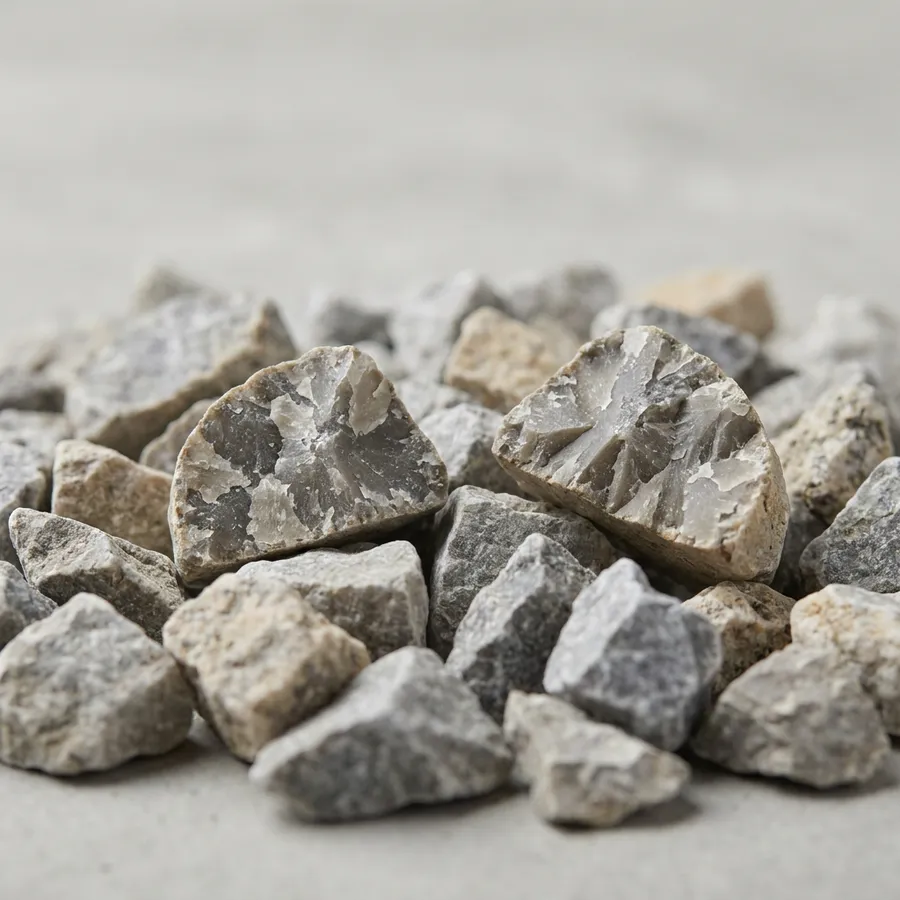
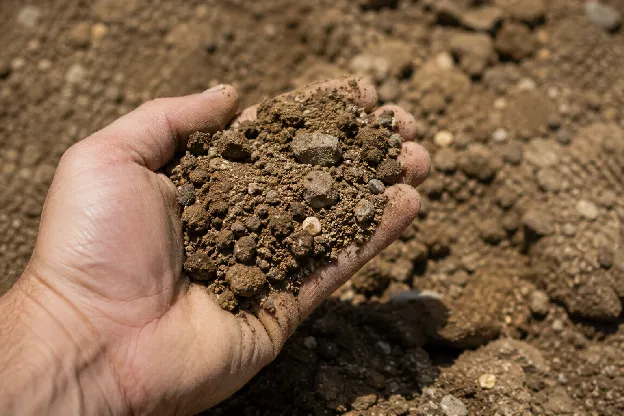
Decomposed granite forms naturally when granite rock weathers and breaks down into fine particles that range from sand-sized to small pebbles. This unique composition creates a material that compacts firmly when moist but allows water to drain through slowly.

For greenhouse applications, DG offers several key advantages. The material creates a permeable surface that prevents water from pooling around your plants while maintaining enough stability to support greenhouse frames and heavy equipment. Unlike concrete, DG won’t crack from freeze-thaw cycles, and unlike loose gravel, it won’t shift underfoot or create an uneven walking surface.

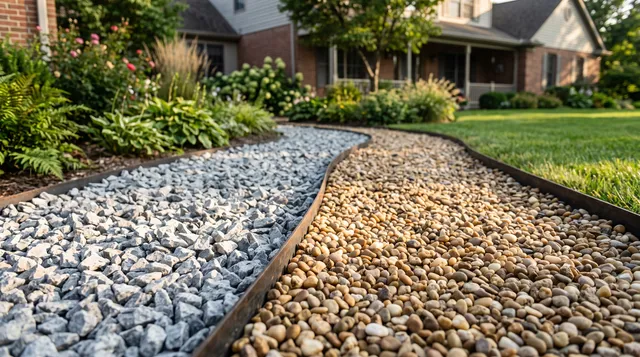
The natural colors of decomposed granite, ranging from tan and gold to grey and reddish-brown, also complement most greenhouse designs better than stark concrete or black plastic sheeting.

Comparing DG to other greenhouse foundation options

When choosing a greenhouse foundation, you have several options, each with distinct trade-offs:

Foundation Type Cost Drainage DIY Difficulty Permanence
Decomposed Granite Low Excellent Easy Moderate
Concrete Slab High Poor Hard Permanent
Gravel Low Good Easy Low
Pavers Medium Good Medium High

Decomposed granite strikes the best balance for most hobby greenhouse projects. Concrete provides maximum stability but costs 3-4 times more and requires professional installation for best results. If you’re considering gravel as a greenhouse foundation, you’ll find it drains well but shifts constantly and creates an uncomfortable walking surface. Pavers look great but require precise leveling and edge restraints to prevent movement.

Pro Tip: Choose DG for greenhouses up to 12×16 feet in areas with good natural drainage. For larger structures or areas with clay soil, consider adding a crushed rock base layer beneath the DG.

Before and after greenhouse floor comparison showing muddy versus decomposed granite surface

Planning and preparing your DG greenhouse base

Proper planning makes the difference between a foundation that lasts decades and one that develops problems within a few years. Start by measuring your greenhouse footprint and adding 12-18 inches on all sides for comfortable access and maintenance.

Most greenhouse foundations need 4-6 inches of total depth. In well-draining soils, you can use 4 inches of compacted DG directly. In clay soils or areas with poor drainage, plan for 2 inches of crushed rock base topped with 3-4 inches of DG.

Check your site’s natural drainage by digging a test hole 12 inches deep and filling it with water. If water remains after 24 hours, you’ll need to improve drainage with a deeper excavation or French drain system before installing your DG base.

Essential tools include a plate compactor (rentable for around $40-60 per day), landscape fabric, a rake, and a long level or string line for checking grade. For materials, plan on roughly 1 cubic yard of DG per 100 square feet at 3-inch depth.

Step-by-step installation process

Begin by marking your greenhouse perimeter with spray paint or stakes, then excavate to your planned depth plus 2 inches. Remove all grass, roots, and organic matter, as these will decompose and create soft spots over time.

Level and compact the exposed soil using your plate compactor, making several passes until the surface feels firm underfoot. Install landscape fabric across the entire area, overlapping seams by 6 inches to prevent weed growth.

If using a crushed rock base layer, spread it evenly and compact thoroughly before adding the DG. When spreading decomposed granite, work in sections and keep the material slightly damp, like a wrung-out sponge. Dry DG won’t compact properly, while overly wet material becomes muddy.

Make multiple passes with the plate compactor, adding water lightly between passes if the surface appears dusty. The finished surface should feel solid when you walk on it and show minimal footprints. Use a long level to check for proper drainage slope, aiming for a gentle grade away from the greenhouse center.

Installation Tip: Rent a plate compactor rather than trying to compact by hand. Proper compaction is crucial for long-term stability, and hand tamping rarely achieves adequate density for supporting greenhouse structures.

Maintenance and long-term care

Decomposed granite requires minimal maintenance when properly installed, but a little attention keeps it performing well for years. Expect to rake the surface lightly every few months to maintain an even appearance and break up any minor compaction from foot traffic.

Plan to add a thin layer of fresh DG every 2-3 years, depending on your climate and usage patterns. Heavy rain can gradually wash away fine particles, while dry conditions may cause the surface to become dusty. A light misting during dry spells helps maintain the ideal moisture content for compaction.

Watch for low spots or ruts developing near high-traffic areas like doorways. These can be easily fixed by adding fresh material and re-compacting. If weeds appear despite landscape fabric, spot-treat them promptly before they establish deep root systems that can disrupt the surface.

Greenhouse maintenance tools including rake, compactor and fresh decomposed granite

Cost considerations and material planning

A typical 8×12 foot greenhouse foundation requires about 3 cubic yards of decomposed granite, costing between $120-180 for materials plus delivery. This represents significant savings compared to a concrete slab, which would cost $800-1,200 for the same area including labor.

Factor in tool rental costs of $40-60 for a plate compactor, plus landscape fabric at roughly $0.50 per square foot. Total project costs typically range from $200-300 for a medium-sized greenhouse foundation when doing the work yourself.

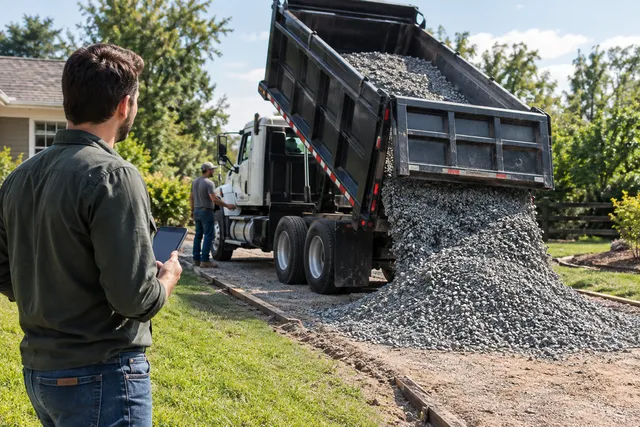
Hello Gravel simplifies the ordering process by providing accurate material calculations and reliable delivery throughout our service area. Our decomposed granite comes from quality quarries and arrives ready to install, saving you multiple trips to landscape supply stores.

When you’re ready to start your greenhouse foundation project, Hello Gravel offers competitive pricing and expert guidance on selecting the right DG product for your specific conditions. Our online quote system makes it easy to get accurate pricing and schedule delivery that fits your timeline.

Decomposed granite provides an excellent balance of cost, performance, and ease of installation for most greenhouse foundations. With proper preparation and installation, a DG base will support your greenhouse reliably while providing the drainage and comfort that concrete simply can’t match. The key is taking time for proper site preparation and compaction, which ensures your foundation performs well for many growing seasons ahead.

Similar to how decomposed granite works for greenhouses, you might also consider using decomposed granite as a base for a dog run area or as a sub-base for deck projects. If you’re exploring alternatives, limestone for greenhouse foundations and sand as a greenhouse foundation are worth investigating, though each has different drainage and stability characteristics. For those working on raised garden bed projects, decomposed granite also provides excellent drainage and a stable growing environment.

Frequently Asked Questions

Is decomposed granite a good base for a greenhouse?

Yes, decomposed granite is an excellent base for most small to medium greenhouses. When properly compacted over a level sub-base, DG creates a firm, stable, and well-drained foundation that prevents water pooling while providing comfortable footing. It’s particularly effective for hobby greenhouses and offers superior drainage compared to concrete while being more stable than loose gravel.

How thick should decomposed granite be under a greenhouse?

For most small to medium greenhouses, aim for a compacted decomposed granite layer of 4-6 inches. In areas with good natural drainage, 4 inches may be sufficient, while clay soils or larger structures benefit from 6 inches or more. Always compact the DG in 2-inch lifts for optimal stability and drainage performance.

Does decomposed granite drain well in greenhouses?

Yes, decomposed granite provides excellent drainage for greenhouse applications. Its permeable nature allows water to move through the surface instead of pooling, which helps prevent muddy, slippery greenhouse floors and reduces waterlogging around plant roots. This superior drainage is one of the main advantages DG has over concrete foundations.

How long does a decomposed granite greenhouse foundation last?

With proper installation and basic maintenance, a decomposed granite greenhouse foundation can perform well for many years. Expect to add fresh DG every 2-3 years and perform light raking every few months. The foundation is easy to refresh without complete removal, making it a cost-effective long-term solution that can last a decade or more with proper care.

Author: igor