
Crushed Stone Foundation for Pergolas and Gazebos
Building a pergola or gazebo without a proper foundation is like building a house on sand. You’ll face settling, shifting, and potential structural damage that could ruin your outdoor investment. A crushed stone base offers the perfect balance of stability, drainage, and cost-effectiveness for most pergola and gazebo projects.
The short answer: Yes, crushed stone makes an excellent base for pergolas and gazebos. A properly installed 4-6 inch compacted crushed stone foundation provides superior drainage, prevents settling, and costs significantly less than concrete alternatives while being completely DIY-friendly.
Quick Tip: Most residential pergolas and gazebos need only a 4-6 inch compacted crushed stone base, but heavier structures or areas with poor soil drainage may require deeper foundations or additional support.
About Hello Gravel
Hello Gravel delivers bulk gravel, rock, dirt, and sand by the ton. Enter your ZIP code to see prices with delivery included. A local dump-truck driver places the load where access is safe; spreading is not included.
Do pergolas and gazebos need a foundation?
The foundation requirements for your outdoor structure depend on several key factors. Small to medium pergolas with pre-built floors often work perfectly with a simple crushed stone base. This approach provides adequate stability while allowing for excellent drainage and easy future modifications.
However, larger structures, permanent installations, or areas with challenging soil conditions may need concrete footings or engineered support systems. Heavy enclosed gazebos, structures in high-wind areas, or installations in regions with deep frost lines require more substantial foundations than crushed stone alone can provide.
Key factors that influence your foundation choice include soil type, local drainage patterns, frost depth in your area, wind exposure, and the overall weight and permanence of your structure. Sandy or well-draining soils work beautifully with crushed stone bases, while clay soils may need additional drainage considerations.
Best base options for pergolas and gazebos
Understanding your foundation options helps you make the right choice for your specific situation. Each approach offers distinct advantages depending on your needs, budget, and local conditions.
Crushed stone or gravel pad works best for most residential applications. This option provides excellent drainage, costs less than alternatives, and allows for easy adjustments or removal. You can typically complete installation in a weekend with basic tools. If you’re considering using gravel as a base for your gazebo or pergola project, you’ll find it offers similar benefits with slightly different characteristics.
Concrete slab foundations offer maximum stability for permanent, heavy structures. While more expensive and labor-intensive, concrete slabs work well for large gazebos or areas with poor soil conditions. However, they create permanent installations that are difficult to modify later.
Patio pavers or stones provide a middle-ground solution with good stability and attractive appearance. This option costs more than crushed stone but less than concrete, though it requires careful attention to leveling and edge restraint to prevent shifting.
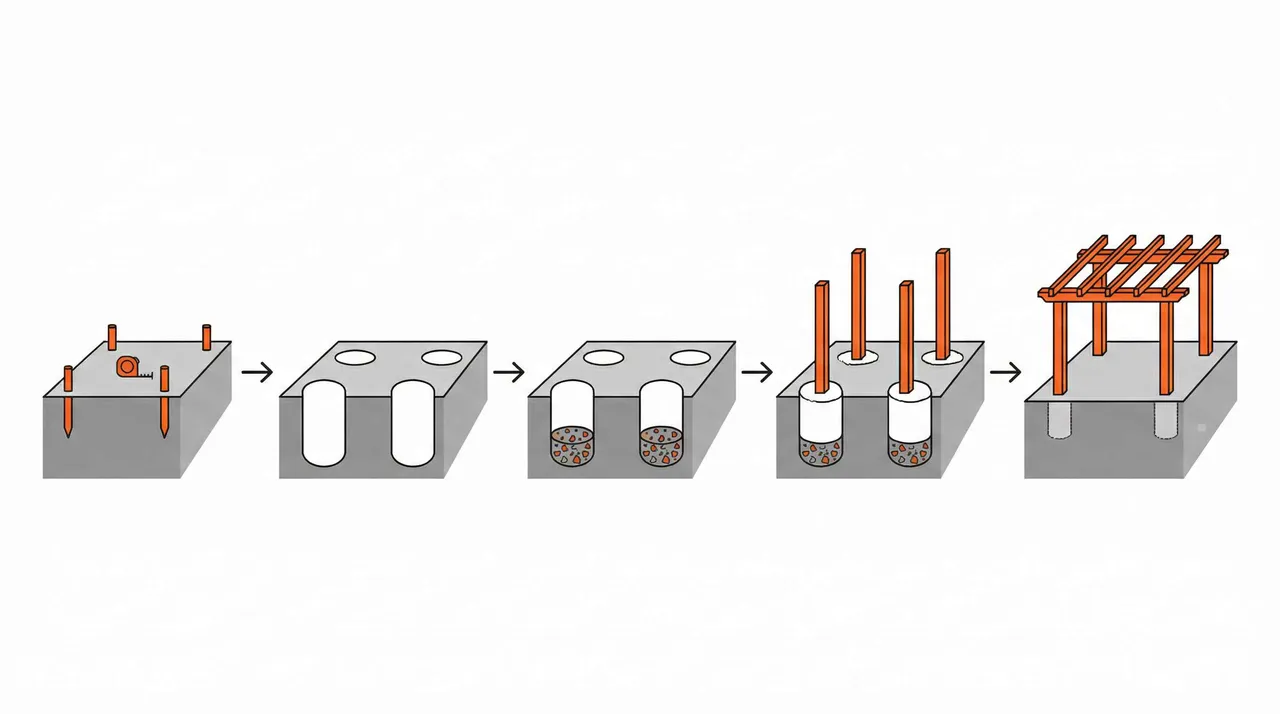
Concrete footings or piers become necessary for structures requiring deep anchoring, especially in areas with significant frost heave or high wind loads. Professional installation is often recommended for this approach.
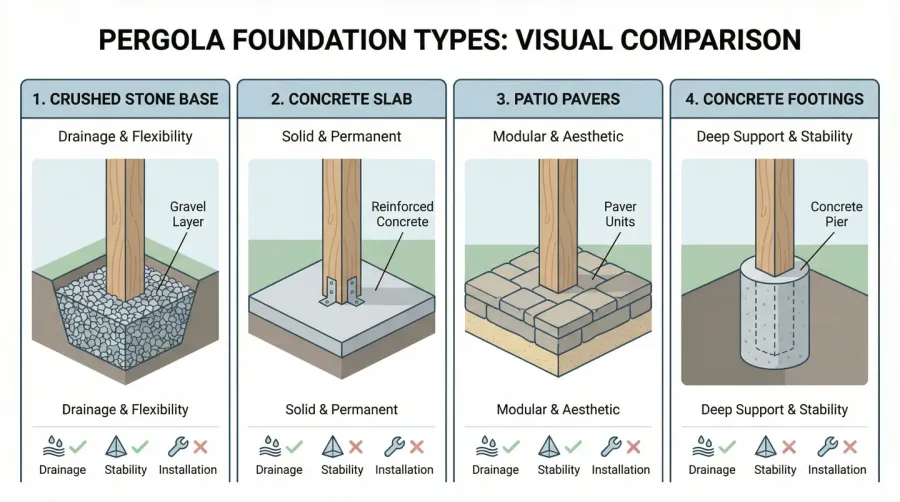
| Foundation Type | Best For | Typical Depth | Drainage | DIY Friendly |
|---|---|---|---|---|
| Crushed Stone | Small-medium structures | 4-6 inches | Excellent | Yes |
| Concrete Slab | Heavy, permanent gazebos | 3-4 inches | Poor | Moderate |
| Patio Pavers | Decorative installations | 2-3 inches | Good | Yes |
| Concrete Footings | High-wind, frost areas | 24+ inches | Variable | No |
Why choose a crushed stone base for your pergola or gazebo?
Crushed stone foundations excel in several critical areas that matter most for outdoor structures. The stability and load-bearing capacity of properly compacted crushed stone easily handles typical pergola and gazebo weights while distributing loads evenly across the ground surface.
Drainage performance sets crushed stone apart from solid alternatives. Water flows freely through the stone matrix, preventing pooling that could lead to rot, pest issues, or foundation instability. This drainage advantage becomes especially important in areas with heavy rainfall or poor natural soil drainage.
Cost Reality Check: A crushed stone base typically costs 60-70% less than a comparable concrete slab while providing better drainage and easier future modifications.
The cost, speed, and DIY-friendliness of crushed stone make it accessible for most homeowners. You can complete most installations in a single weekend using rental equipment, and the materials cost significantly less than concrete or professional paver installation.
Flexibility for future changes represents another major advantage. Unlike concrete, you can easily modify, expand, or completely remove a crushed stone base without major demolition. This flexibility proves valuable if you want to relocate your structure or change your landscape design later.
How thick should a crushed stone gazebo or pergola base be?
Most residential pergolas and gazebos perform well with 4-6 inches of compacted crushed stone. This depth provides adequate stability for typical loads while ensuring proper drainage and preventing settling under normal conditions.
However, several factors may require deeper foundations. Soft or clay soils often need 6-8 inches of crushed stone to prevent settling. Areas with deep frost lines may require additional depth to prevent heaving, and heavier structures like large enclosed gazebos benefit from thicker bases.
Structure size significantly impacts depth requirements. Small pergolas under 10×10 feet often work fine with 4 inches of compacted stone, while larger gazebos or structures with heavy roofing materials may need the full 6 inches or more for long-term stability.
Step-by-step guide to building a crushed stone pergola base
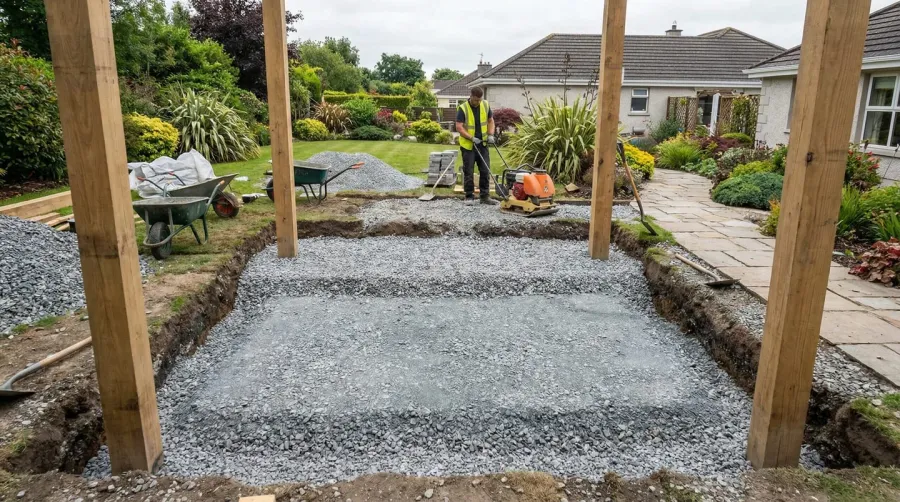
Tools and materials you’ll need: You’ll need a shovel, rake, plate compactor (rental), level, measuring tape, stakes, string line, and landscape fabric. For materials, plan on crushed stone (3/4 inch minus works best), landscape fabric or weed barrier, and optional timber edging.
Step 1: Plan and mark the footprint. Measure and mark your pergola or gazebo footprint using stakes and string. Add 6 inches on all sides for a proper base overhang. Check that corners are square using the 3-4-5 triangle method.
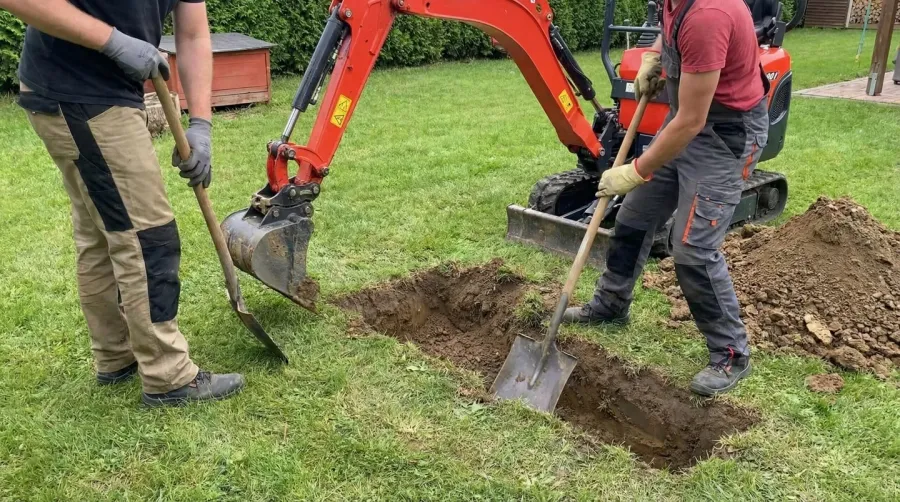
Step 2: Excavate to the right depth. Remove grass and dig down 4-6 inches below your desired finished height. Keep excavated soil nearby if it’s good quality – you might need it for backfill around edges.
Step 3: Install edging or timber frame. While optional, a timber or metal edge helps contain your crushed stone and creates clean lines. Use 2×8 treated lumber secured with stakes for a professional appearance.
Step 4: Lay weed barrier. Install landscape fabric over the excavated area to prevent weeds from growing through your stone base. Overlap seams by 6 inches and secure edges under your edging material.
Step 5: Add and compact crushed stone in layers. Spread crushed stone in 2-inch lifts, compacting each layer thoroughly with a plate compactor. This layered approach ensures better compaction than trying to compact the full depth at once. For those interested in alternatives, using decomposed granite as a base for gazebo or pergola projects offers excellent compaction properties as well.
Step 6: Level the surface and check dimensions. Use a long level or string line to ensure your finished surface is level and properly sloped for drainage. A slight slope away from structures helps water management.
Step 7: Set and anchor your pergola or gazebo. Position your structure according to manufacturer instructions. Most pergolas anchor through the stone base into the soil below, while some may require concrete anchors set during base construction.
Choosing the right crushed stone for your project
Stone size makes a significant difference in performance and workability. Three-quarter inch minus crushed stone (also called crusher run) works best for most pergola and gazebo bases. This mixture contains various sizes that compact well together while maintaining good drainage.
Different stone types offer varying characteristics. Limestone crushes and compacts excellently but may be softer in some regions. If you’re considering using limestone as a base for gazebo or pergola projects, it provides exceptional stability and natural drainage. Granite provides maximum durability but costs more and can be harder to work with. Local gravel often offers the best value while supporting regional suppliers.
Calculate your stone needs by multiplying length times width times depth in feet, then dividing by 27 to get cubic yards. Add 10% extra for compaction and waste. Most suppliers can help with these calculations and recommend appropriate stone types for your area.
Working with a reliable supplier ensures you get properly graded stone delivered when you need it. Hello Gravel specializes in delivering the right materials for foundation projects, with expert guidance on quantities and stone selection for your specific application.
Pro Tip: Order your crushed stone a few days before you plan to start work, and have it dumped as close to your work area as possible to minimize hauling time.
Anchoring your structure on a crushed stone base
Most pergola and gazebo kits include anchoring systems designed to work with stone bases. These typically involve driving anchors through the stone into the soil below or using buried anchor systems installed during base construction.
For structures with built-in floors, you can often anchor the frame directly to the stone base using appropriate fasteners. Heavy-duty landscape anchors or concrete anchors work well for this application, though you may need to drill pilot holes.
When dealing with high-wind areas or heavy snow loads, consider consulting a structural engineer or experienced contractor. They can recommend appropriate anchoring systems that meet local building codes while working with your crushed stone foundation.
Maintenance tips for your stone pergola base
Check your base annually for settling or shifting, especially after heavy rains or freeze-thaw cycles. Minor settling can usually be corrected by adding and compacting additional crushed stone in affected areas.
Weed management becomes important over time, even with landscape fabric. Spot-treat emerging weeds promptly, and consider applying pre-emergent herbicide annually if weeds become problematic.
Drainage issues may develop if your base settles unevenly or if surrounding landscape changes affect water flow. Address drainage problems quickly by re-grading the surface or adding drainage channels to direct water away from your structure. Similar drainage principles apply when using crushed stone for parking areas projects, where proper water management is equally critical.
Your crushed stone base represents a smart investment in your outdoor living space. With proper installation and minimal maintenance, it will provide years of stable support for your pergola or gazebo while offering the flexibility to adapt to future changes in your landscape design. The combination of excellent drainage, cost-effectiveness, and DIY-friendly installation makes crushed stone the preferred choice for most residential outdoor structures. Whether you’re building a shed foundation or creating a patio base, these same principles of proper base preparation and material selection apply.
FAQ
Can you put a gazebo directly on crushed stone?
Yes, gazebos with built-in floors can sit directly on a properly constructed crushed stone base. The key is creating a level, compacted pad with 4-6 inches of crushed stone contained within a frame. However, gazebos without floors or those requiring rigid anchoring typically need concrete slabs or footings for proper support.
How deep should crushed stone be for a pergola base?
Most residential pergolas and gazebos require 4-6 inches of compacted crushed stone over firm soil. You’ll typically excavate 6-8 inches total to accommodate the stone layer. Heavier structures, poor soil conditions, or areas with deep frost lines may require deeper foundations or additional concrete support.
What type of crushed stone is best for gazebo foundations?
Three-quarter inch minus crushed stone (also called crusher run) works best for pergola and gazebo bases. This angular stone compacts well while maintaining excellent drainage. Avoid rounded stones like pea gravel, as they don’t interlock properly and can shift under load, compromising your foundation’s stability.
Do I need landscape fabric under my crushed stone base?
Landscape fabric is recommended under crushed stone bases to prevent weeds from growing through while maintaining drainage. It also helps prevent the stone from mixing with underlying soil over time. Install the fabric after excavation but before adding stone, overlapping seams by 6 inches for complete coverage.
Materials for this project
Get it delivered — dumped where you need it
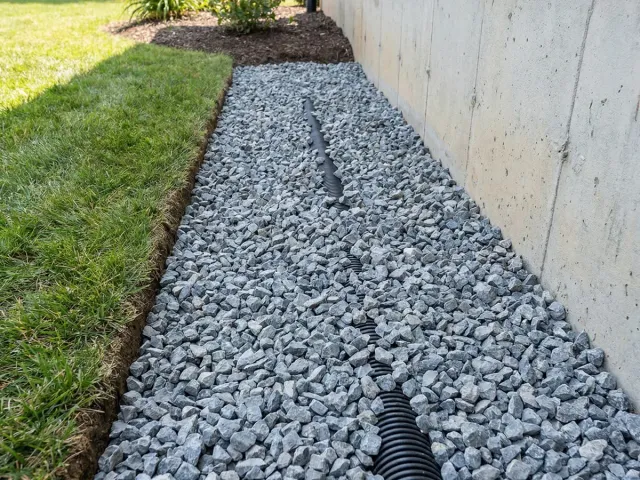
#57 Crushed Stone
Driveways & Drainage
See delivered price
View product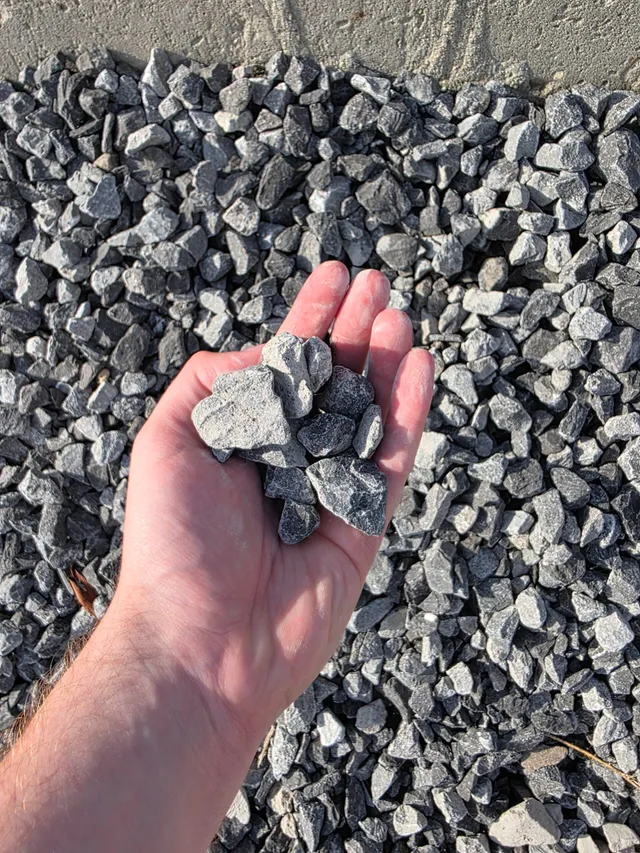
Driveway Gravel
Driveways & Parking areas
See delivered price
View product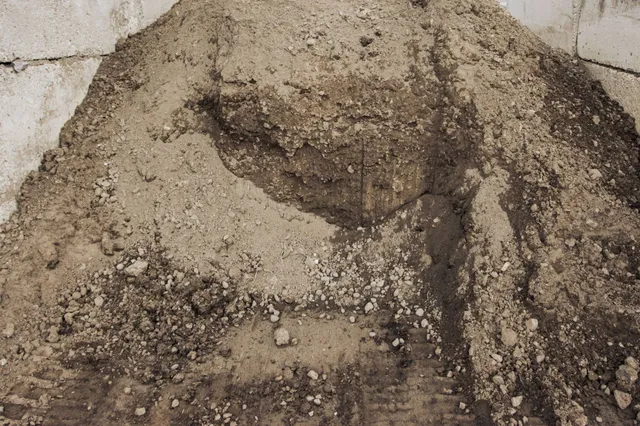
Fill Dirt
Grading & Backfill
See delivered price
View product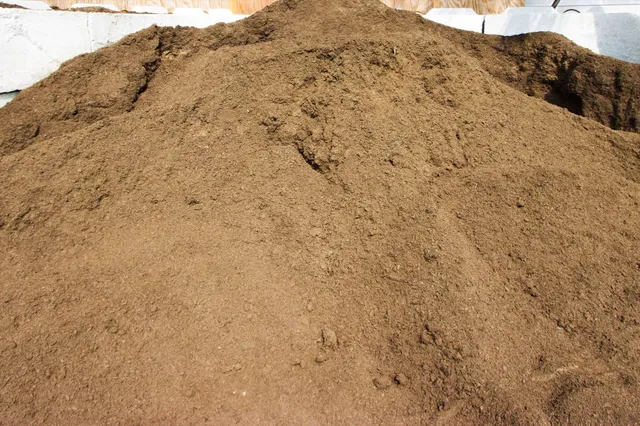
Topsoil
Lawn establishment & Garden beds
See delivered price
View product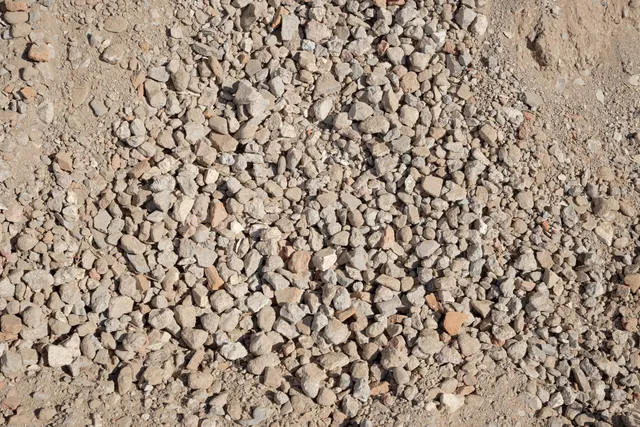
Road Base
Driveway base & Road construction
See delivered price
View product