Marble Chips for Patio Base: Complete Installation Guide 2026

Published on: December 12, 2025

Get an estimate for your project in 60 seconds

This field is hidden when viewing the form
Security lock iconYour information is secure


Cross-section diagram of marble chips patio base installation showing multiple layers

Planning a patio project and wondering if marble chips work as a base material? The short answer is yes, marble chips can create an excellent patio base when properly installed over a compacted sub-base. However, they require specific preparation techniques and aren’t suitable for every situation.

Marble chips offer superior drainage, attractive aesthetics, and excellent stability when correctly compacted. They work particularly well for decorative patios, walkways, and areas where you want both function and visual appeal. The key is understanding when to use them and how to install them properly.

Quick tip: Use 3/8″ to 3/4″ crushed marble chips as your top base layer over a compacted stone sub-base for the best combination of stability and cost-effectiveness.

This guide covers everything you need to know about using marble chips for your patio base, from choosing the right type to step-by-step installation and long-term maintenance.

Why your patio base matters more than you think

Your patio’s longevity depends almost entirely on what lies beneath the surface. A poorly prepared base leads to shifting pavers, uneven surfaces, and costly repairs within just a few years. Think of your base as the foundation of a house – everything above it is only as stable as what supports it.

The base layer serves three critical functions. First, it distributes weight from furniture, foot traffic, and weather loads evenly across the ground below. Second, it provides proper drainage to prevent water from pooling and causing freeze-thaw damage. Third, it creates a stable, level platform that keeps your patio looking great for decades.

Most patio failures happen because the base was too thin, poorly compacted, or lacked adequate drainage. When you invest in quality base materials like marble chips and install them correctly, you’re preventing these expensive problems before they start.

Diagram illustrating proper patio base layers and structure

What makes marble chips different from other base materials

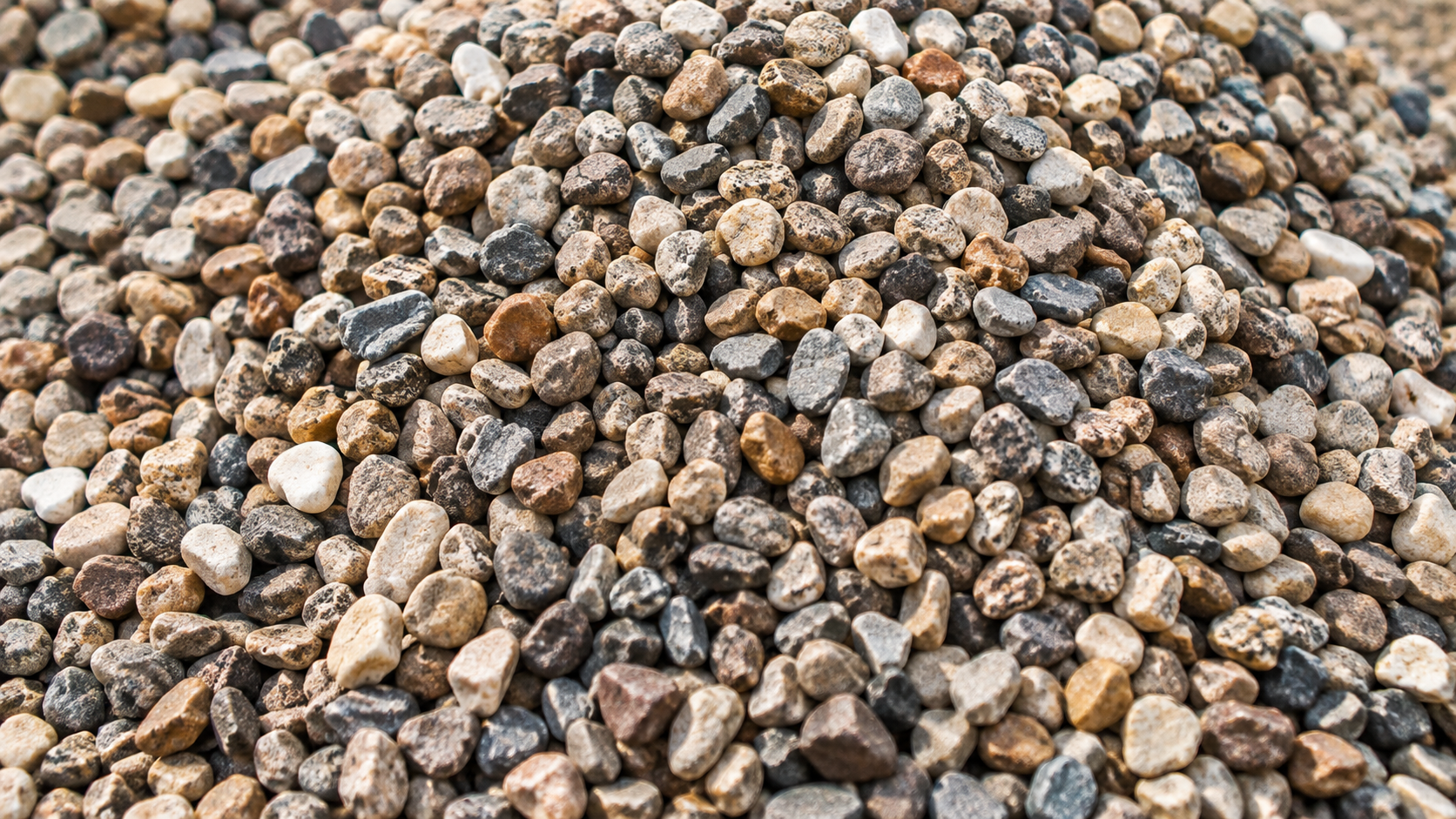
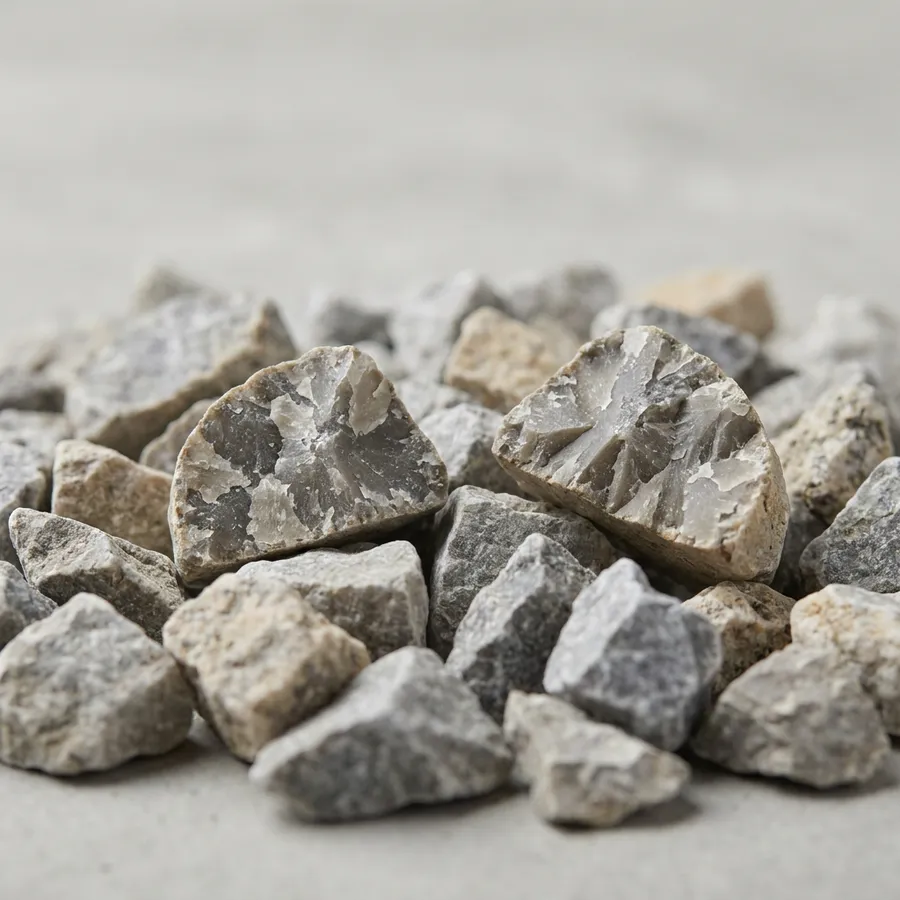
Marble chips are crushed marble stone pieces, typically angular in shape and available in sizes ranging from 3/8 inch to 3/4 inch. Unlike smooth river rock or rounded pea gravel, crushed marble chips have sharp edges that interlock when compacted, creating a stable foundation.

The angular shape is crucial for base applications. When you compact these chips, they wedge together tightly, forming a solid surface that resists shifting under load. This interlocking action is what makes marble chips superior to rounded stones for structural applications.

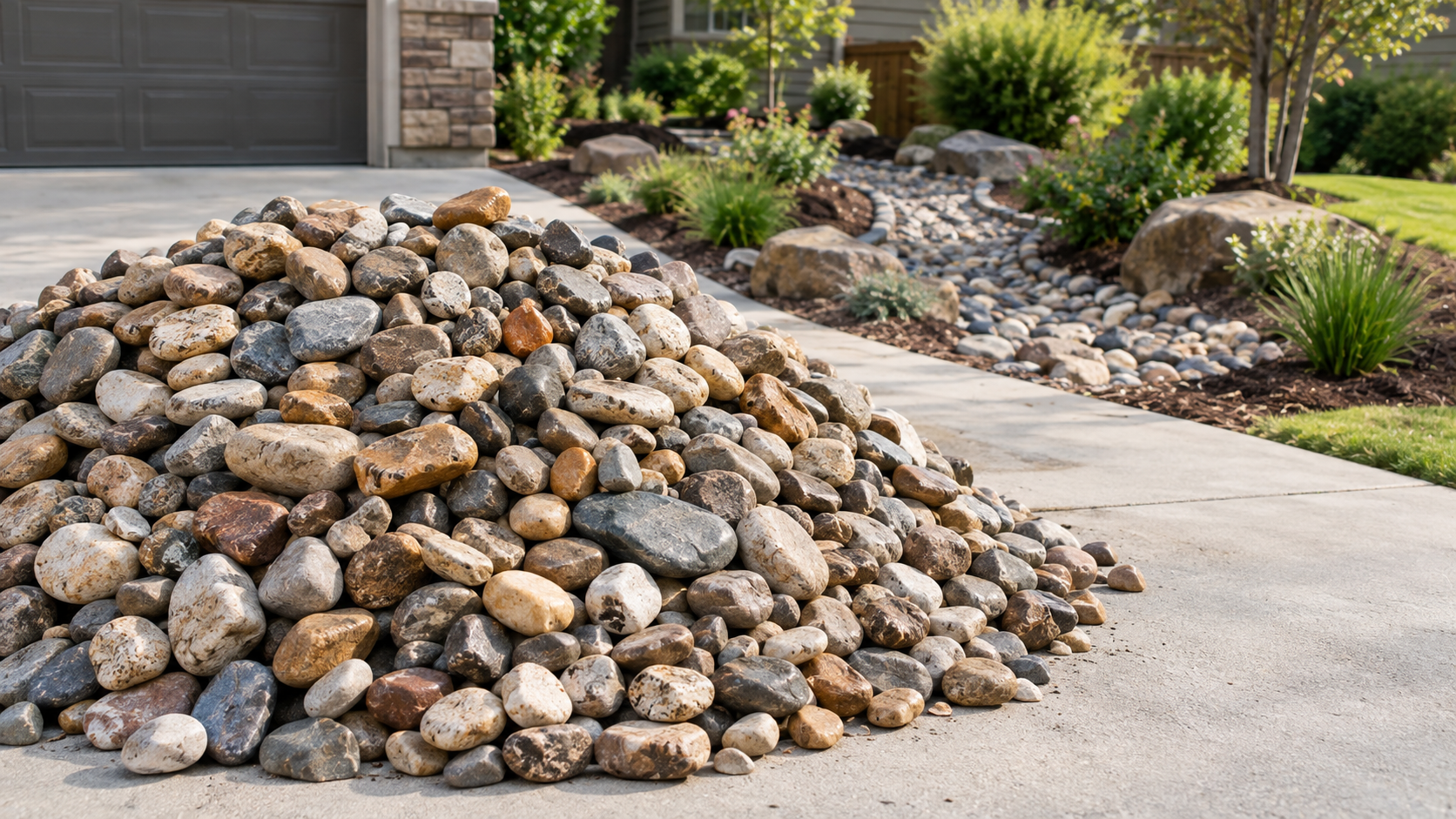
Marble chips come in various colors, from classic white to gray, pink, and even blue tones. This variety lets you create attractive exposed borders or use them in areas where the base material might show through. The natural shine of marble also reflects light, which can help brighten darker patio areas.

Important consideration: Choose crushed marble chips over smooth decorative chips for base applications. The angular edges provide much better compaction and stability.

Benefits that make marble chips worth considering

Marble chips offer several advantages that set them apart from standard crushed stone or gravel bases. Their excellent drainage properties prevent water buildup that can cause shifting and frost damage. The porous nature of marble combined with the gaps between chips creates natural drainage channels.

The aesthetic appeal is another major benefit. If your patio design includes exposed base areas or decorative borders, marble chips provide an upscale look that complements both modern and traditional styles. They stay cleaner looking than darker aggregates and don’t fade over time. Similar to how bluestone creates attractive fire pit areas, marble chips can enhance the visual appeal of your outdoor space.

Marble chips also resist pest problems better than organic materials. They don’t attract insects, don’t decompose, and create an environment that discourages weed growth when combined with proper fabric barriers. This means less maintenance and fewer long-term issues.

The thermal properties of marble help moderate temperature extremes around your patio. Light-colored marble reflects heat rather than absorbing it, which can make your patio more comfortable during hot summer days.

Drawbacks and when to choose something else

Despite their benefits, marble chips aren’t perfect for every situation. The biggest drawback is cost – marble chips typically cost 2-3 times more than standard crushed stone or recycled concrete aggregate. For large projects or tight budgets, this premium can be significant.

Marble is also more sensitive to acids and harsh chemicals than other stone types. If you live in an area with heavy road salt use or plan to use acidic cleaners, marble can etch or discolor over time. This makes it less suitable for driveways or areas exposed to de-icing chemicals. For driveway applications, you might want to consider using marble chips for driveway paving to understand the specific challenges.

Installation complexity is another consideration. Marble chips require more precise compaction techniques and careful attention to drainage details. While experienced DIYers can handle the work, professional installation is often recommended for complex or large projects.

Material Cost Durability Aesthetics Drainage
Marble chips High Excellent Excellent Excellent
Crushed stone Low Excellent Good Good
Pea gravel Medium Good Good Excellent
Sand base Low Fair Fair Poor

Visual comparison of marble chips versus other patio base materials

Step-by-step installation for lasting results

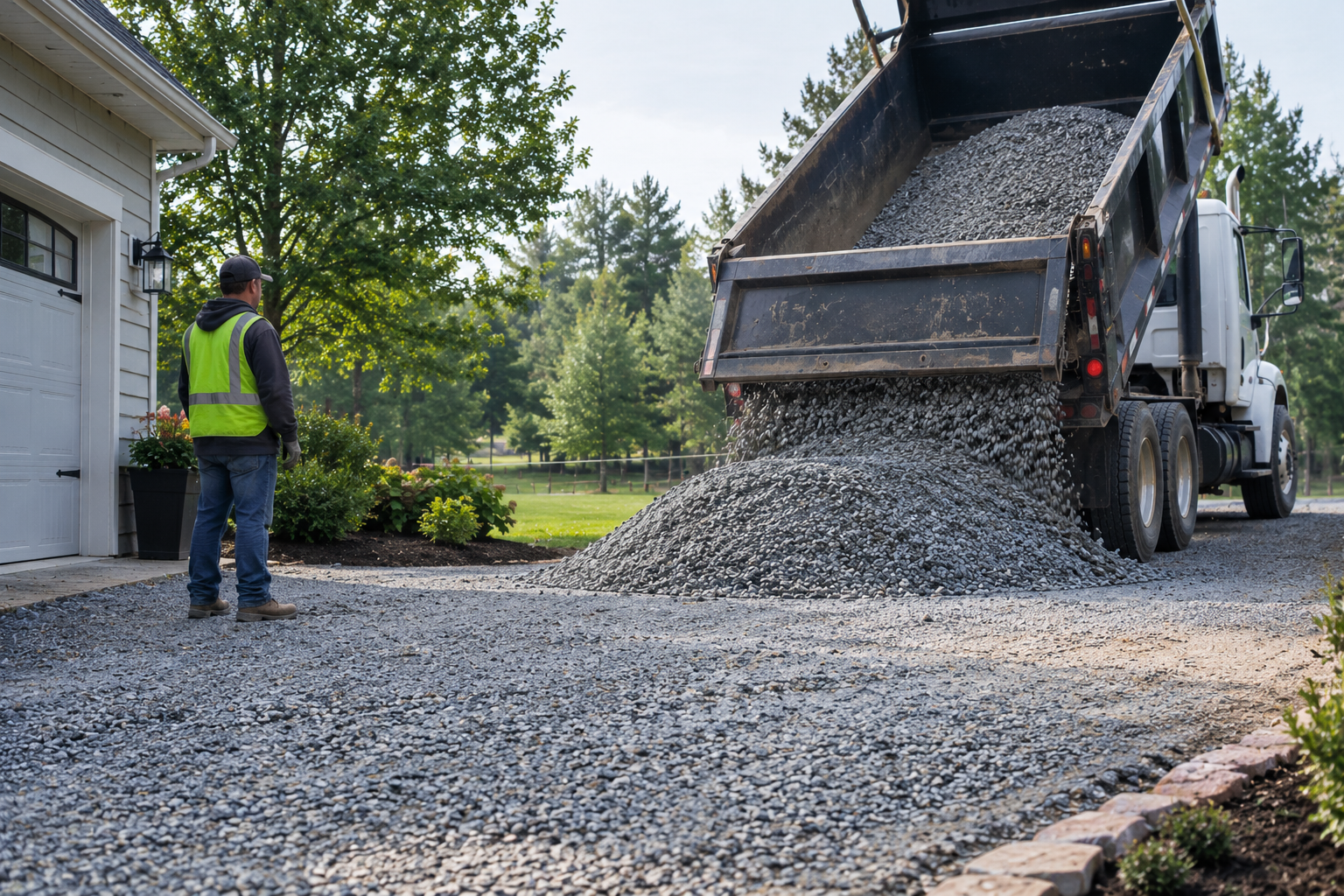
Start by marking your patio area and excavating to the proper depth. You’ll need space for your sub-base layer (typically 4-6 inches of crushed stone), your marble chip layer (2-3 inches), and your final patio surface. Always slope the excavation away from buildings at about 1/4 inch per foot.

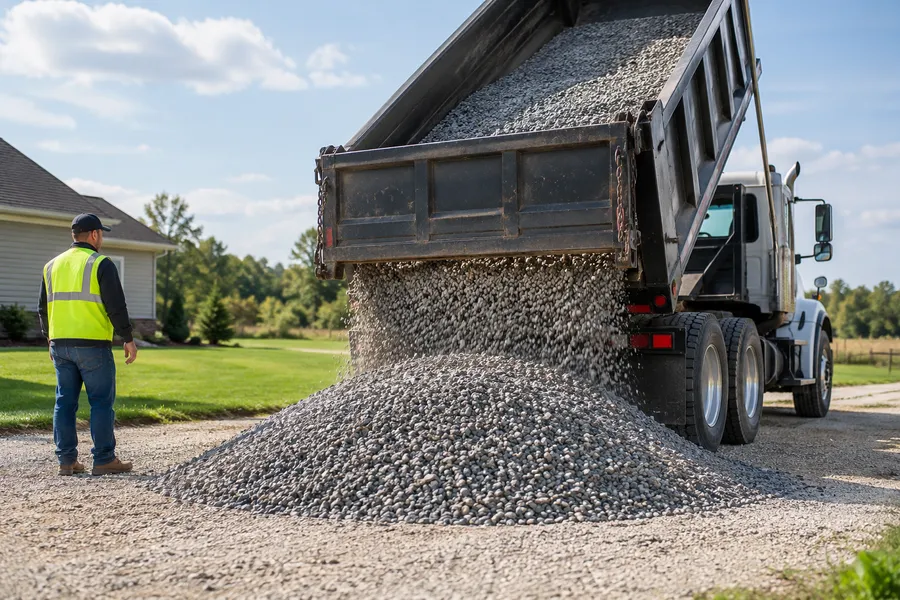
Install landscape fabric over the excavated soil to prevent mixing and reduce weed growth. Then add your sub-base layer of crushed stone in 2-inch lifts, compacting each layer thoroughly with a plate compactor. This sub-base does the heavy lifting structurally while keeping costs reasonable. If you’re also planning other outdoor structures, understanding how to use crushed stone as a base for gazebo or pergola projects can help with similar preparation techniques.

Spread your marble chips evenly over the compacted sub-base. Use a rake to achieve uniform thickness, then compact with multiple passes of your plate compactor. Check for level and proper slope frequently, adding or removing chips as needed to maintain the correct grade.

Install edge restraints to prevent the marble chips from migrating over time. This step is crucial for long-term stability. Finally, do a final compaction pass and check that water flows away from structures as intended.

Pro installation tip: Compact marble chips in thin lifts rather than trying to compact thick layers all at once. This ensures better interlock and prevents loose spots.

The key to success is patience during compaction. Take time to achieve proper density, and don’t rush the process. Well-compacted marble chips will serve your patio faithfully for many years, while poorly compacted material will shift and settle, causing problems later. For those considering marble chips for other applications, you might also explore using marble chips for raised garden beds or creating a shed foundation.

Whether you’re building a small garden patio or a large entertaining area, marble chips can provide the stable, attractive base you need. The investment in quality materials and proper installation pays dividends in reduced maintenance and lasting beauty. For premium marble chips and expert guidance on your project, Hello Gravel offers the materials and support to ensure your patio base performs perfectly for years to come.

Frequently Asked Questions

Can marble chips be used alone as a patio base or do they need a sub-base?

Marble chips work best when installed over a compacted crushed stone sub-base rather than used alone. While they can create a stable surface when properly compacted, using them as a 1-3 inch top layer over 4-6 inches of compacted crushed stone provides superior stability and cost-effectiveness for most patio applications.

How thick should marble chips be for a patio base?

For most residential patios, marble chips should be 2-3 inches thick when used as the top layer over a compacted sub-base. The total base depth including the crushed stone foundation should be 6-9 inches depending on soil conditions and expected traffic loads. Areas with poor drainage or freeze-thaw conditions may require deeper bases.

Are marble chips more expensive than regular gravel for patio bases?

Yes, marble chips typically cost 2-3 times more than standard crushed stone or gravel. However, since they’re often used as a decorative top layer rather than the entire base, the overall cost impact may be manageable. The premium price reflects their aesthetic appeal, durability, and superior drainage properties compared to standard aggregates.

Do marble chips provide good drainage for patio applications?

Yes, marble chips provide excellent drainage due to their porous nature and the gaps created between angular pieces when properly installed. This superior drainage helps prevent water buildup that can cause frost damage, shifting, and other structural problems. Combined with proper slope grading, marble chips create an effective water management system for patios.

Author: igor