Marble chips vs gravel for shed foundations – Which is better for your project
Published on: December 12, 2025
Get an estimate for your project in 60 seconds
 Your information is secure
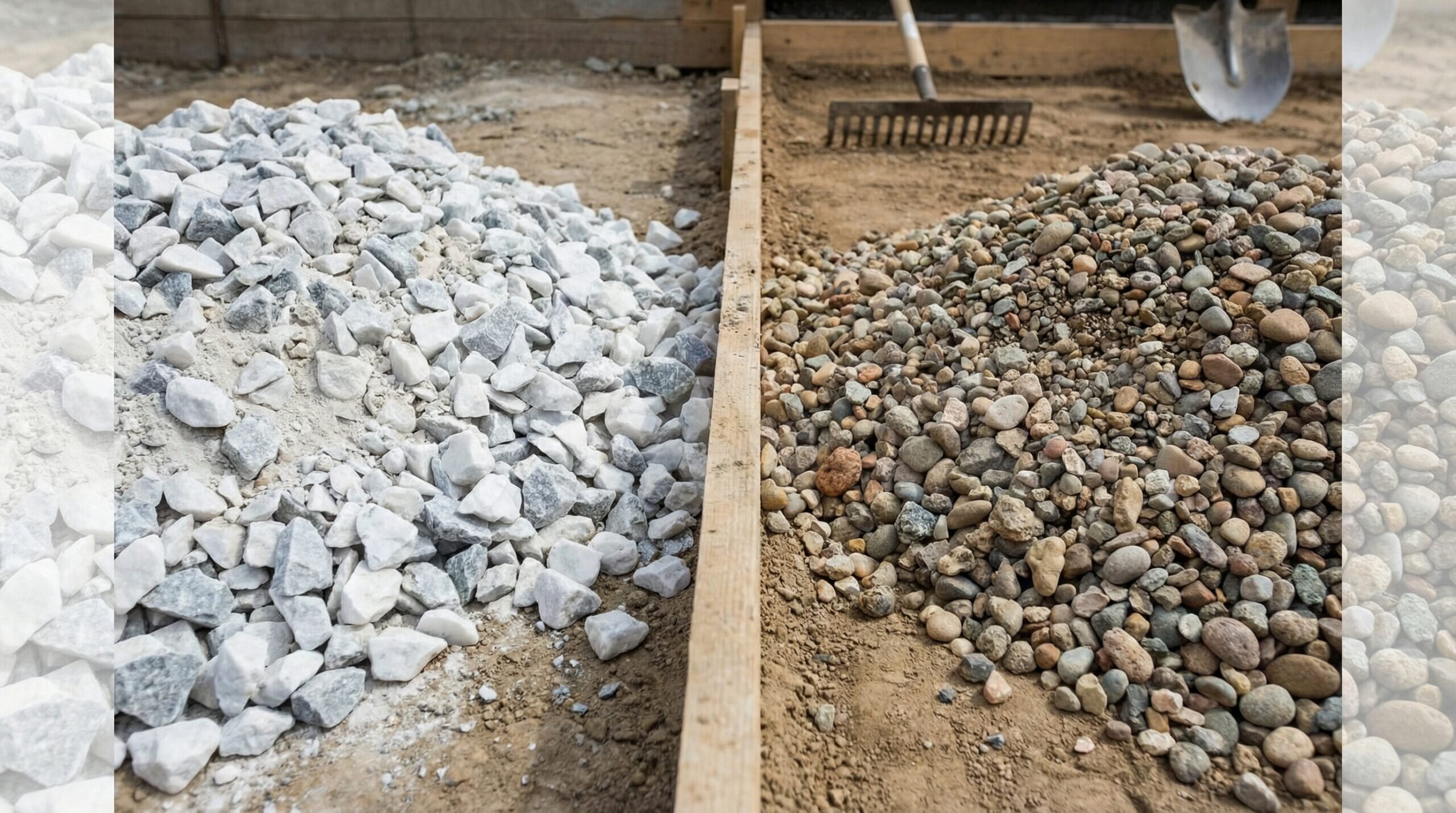
A poor foundation choice can lead to warped doors, moisture damage, and uneven floors that make your shed unusable within just a few years. Yes, marble chips can work exceptionally well for shed foundations, especially for small to medium sheds where drainage and aesthetics matter. Marble chips offer superior drainage compared to standard materials and have been successfully used under slabs and pavers for decades.
Quick fact: Marble chips provide excellent load distribution and drainage properties, making them suitable for most residential shed applications under 200 square feet.
This guide covers the pros and cons of marble chips versus gravel, step-by-step installation, and when each material makes the most sense for your specific project.
Can you use marble chips as a shed foundation
Marble chips absolutely work as a shed foundation material. These crushed pieces of natural marble stone provide excellent drainage, strong load-bearing capacity, and long-term durability that rivals traditional gravel bases.
The key is understanding when marble chips are your best choice. They excel for decorative garden sheds, greenhouses, and storage buildings where you want both function and visual appeal. However, they cost more than standard gravel and require careful sourcing for larger projects.
Marble chips work best for sheds up to 12×16 feet with moderate storage loads. For vehicle storage or heavy workshop equipment, concrete foundations typically provide better long-term stability.
What makes marble chips different from regular gravel
Marble chips are crushed natural stone with a crystalline structure that makes them harder and more durable than many aggregate materials. Unlike rounded river gravel, marble chips have angular edges that lock together when compacted, creating a stable base.
The main difference lies in drainage performance. Marble chips allow water to flow through more efficiently than dense gravel mixes, preventing the pooling that can cause foundation settling. This makes them particularly valuable in areas with clay soil or poor natural drainage.
Size matters for stability. Most shed foundations use 3/8-inch to 3/4-inch marble chips, which provide the right balance of compaction and drainage. Smaller chips pack too tightly, while larger pieces create gaps that can cause uneven settling.
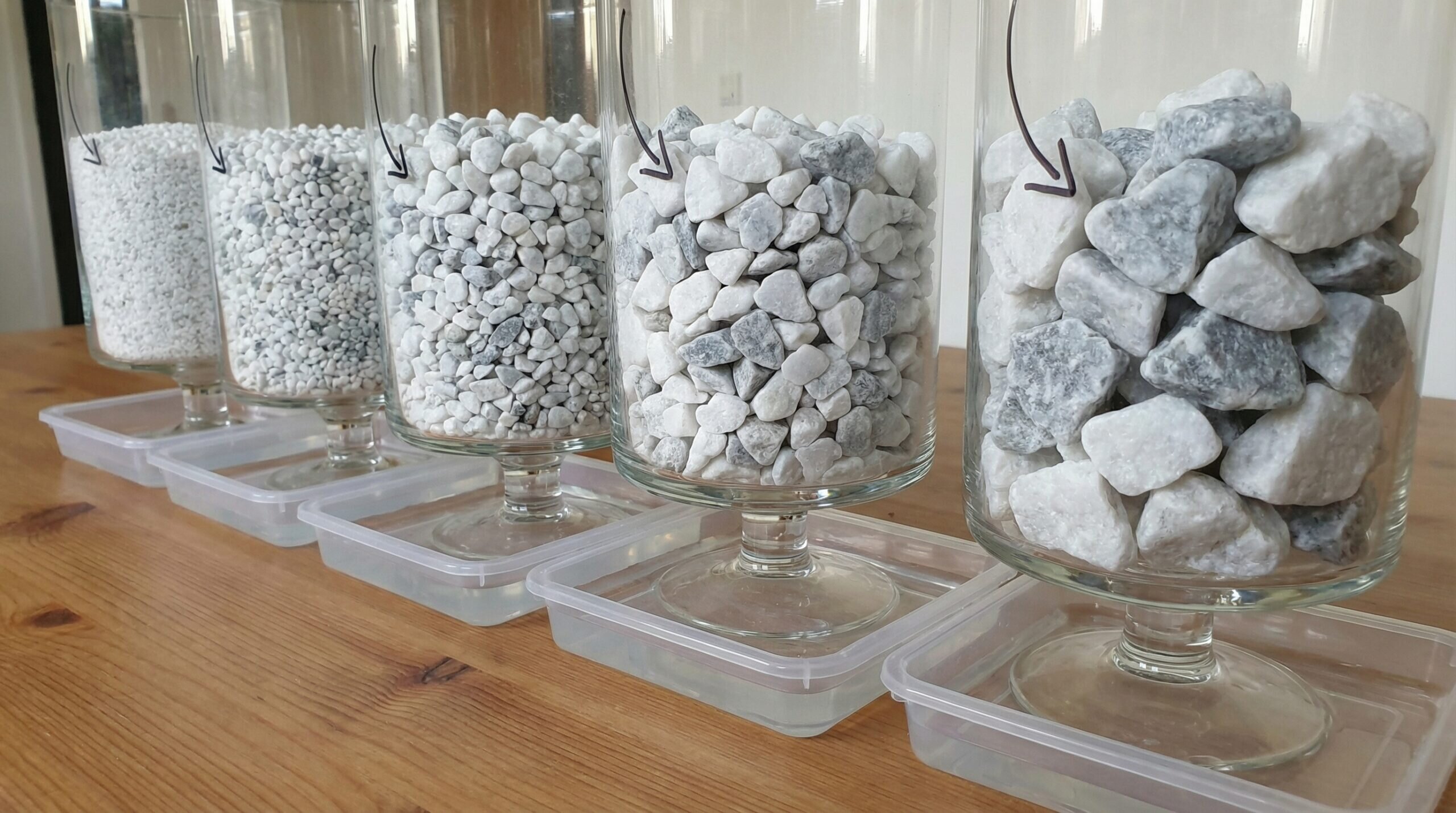
Marble chips vs gravel vs concrete for shed foundations
| Foundation Type | Drainage | Cost | Installation | Best For |
|---|---|---|---|---|
| Marble Chips | Excellent | High | Moderate | Decorative sheds, good drainage needed |
| Gravel | Good | Low | Easy | Budget builds, temporary structures |
| Concrete | Poor | High | Difficult | Permanent sheds, heavy loads |
Marble chips shine when drainage is critical. If your shed sits in a low area or you live in a wet climate, the superior water flow prevents the moisture problems that destroy shed floors and framing over time.
Gravel remains the most cost-effective choice for basic storage sheds. It provides adequate stability at half the cost of marble chips and works well for most residential applications. If you’re considering using pea gravel for a shed foundation, it offers similar benefits at a lower price point.
Concrete makes sense for workshop sheds or when you plan to store vehicles. The permanent nature and load capacity justify the higher installation cost and drainage limitations.
Pro tip: You can combine materials by using a gravel sub-base with marble chips on top, getting cost savings with improved drainage and appearance.
Step-by-step installation guide for marble chip foundations
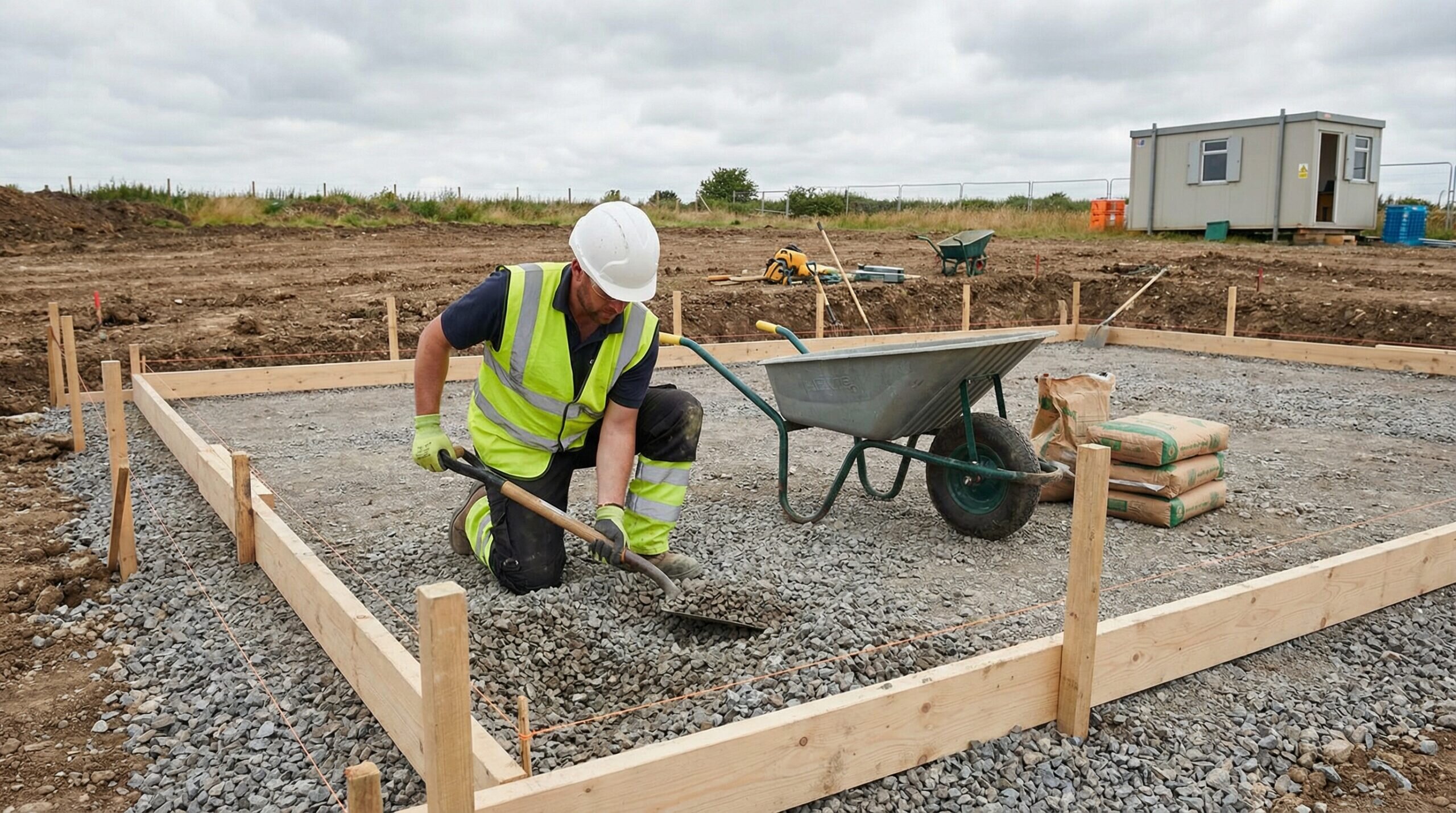
Tools you need: Shovel, rake, plate compactor, level, measuring tape, and landscape fabric. Plan for 4-6 inches of marble chip depth, which typically requires 1.5-2 cubic yards for a 10×12 shed.
Step 1: Site assessment and marking. Check for proper drainage and mark your shed footprint plus 2 feet on all sides. Look for underground utilities and ensure the area slopes away from buildings.
Step 2: Excavation and preparation. Remove grass and dig down 6-8 inches below your finished grade. The excavated area should be level and well-compacted to prevent future settling.
Step 3: Install edging and fabric. Place landscape fabric to prevent weeds and install pressure-treated lumber or metal edging to contain the marble chips. This step prevents spreading and maintains clean lines.
Step 4: Add and compact base layers. Pour marble chips in 2-inch lifts, raking level and compacting each layer. Use a plate compactor for best results, making multiple passes until the surface feels solid underfoot. Similar techniques apply when working with limestone for shed foundations.
Step 5: Final leveling and shed placement. Check for level in all directions and make final adjustments. Most sheds sit on treated lumber runners or concrete blocks placed directly on the marble chip surface.
Cost and maintenance considerations over time
Marble chips typically cost 2-3 times more than standard gravel, with prices ranging from $40-80 per cubic yard depending on your location. Factor in delivery costs, which can add $50-150 for residential projects.
Budget for occasional maintenance. Marble chip foundations may require topping up every 3-5 years as chips settle and compact. This usually means adding 1-2 inches of new material and re-leveling high-traffic areas.
The long-term value comes from reduced moisture problems and extended shed life. A well-built marble chip foundation can last 15-20 years with minimal maintenance, compared to 10-12 years for basic gravel in wet conditions. For comparison, river rock shed foundations offer similar longevity with different aesthetic qualities.
Weather affects longevity. In freeze-thaw climates, the superior drainage of marble chips actually extends foundation life by preventing ice formation that can heave and crack other materials. This same principle applies to volcanic rock foundations in areas with extreme temperature fluctuations.
Hello Gravel provides expert guidance on material selection and can calculate exact quantities for your project. Whether you choose marble chips for their drainage benefits or prefer cost-effective gravel, proper installation makes the difference between a foundation that lasts decades versus one that fails within a few years. Getting the right materials delivered directly to your site saves time and ensures you have everything needed for a professional-quality result.
FAQ
Can marble chips be used as a shed foundation?
How deep should marble chips be for a shed foundation?
Are marble chips better than gravel for shed foundations?
Will marble chips shift or settle under my shed over time?
Author: igor