
Crushed Stone for a Shed Base (vs River Rock)
Free local estimate
See delivered prices for your ZIP in 60 seconds
Tell us where the project is and we'll price this material — delivered — for your exact ZIP.
- Real delivered pricing for your ZIP — not a generic range.
- Works for any quantity — driveways, pads, drains, or full projects.
- Prefer to talk? We follow up with local availability and delivery windows.
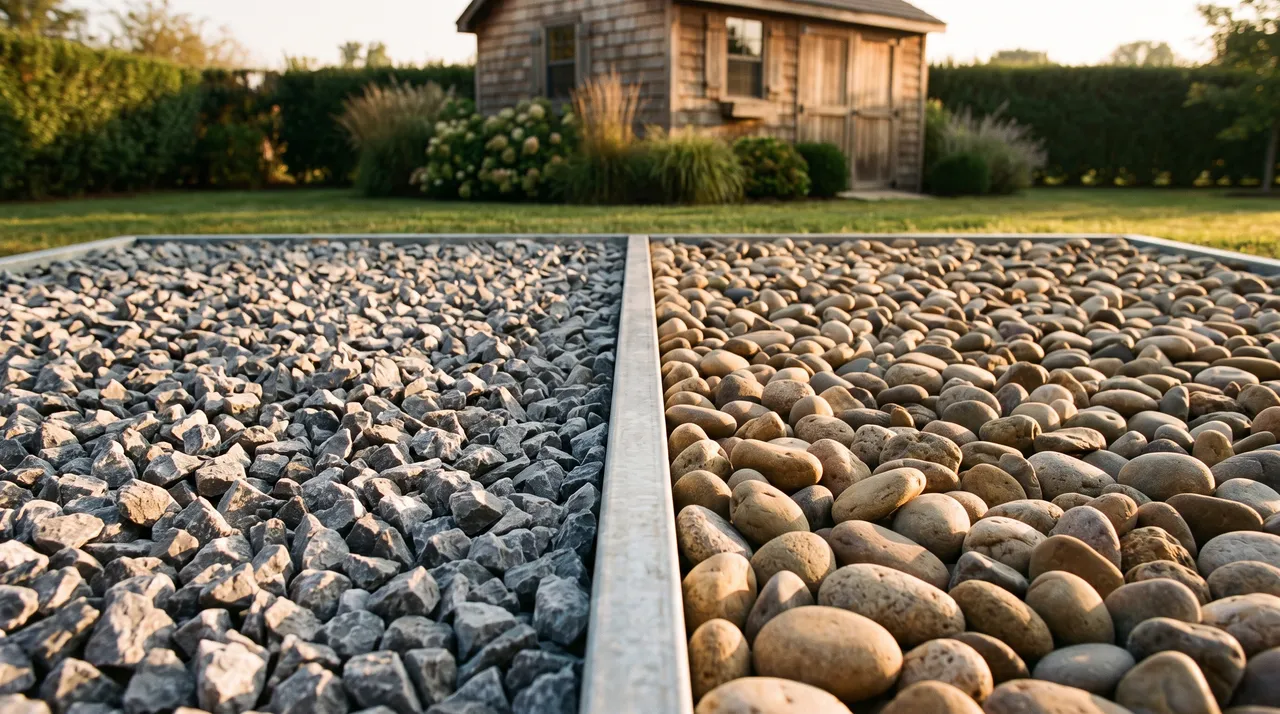
When you’re planning a shed foundation, choosing the right base material can mean the difference between a stable structure that lasts decades and one that shifts, settles, or develops drainage problems. While river rock looks attractive and drains well, it’s typically not the best choice as your primary foundation material.
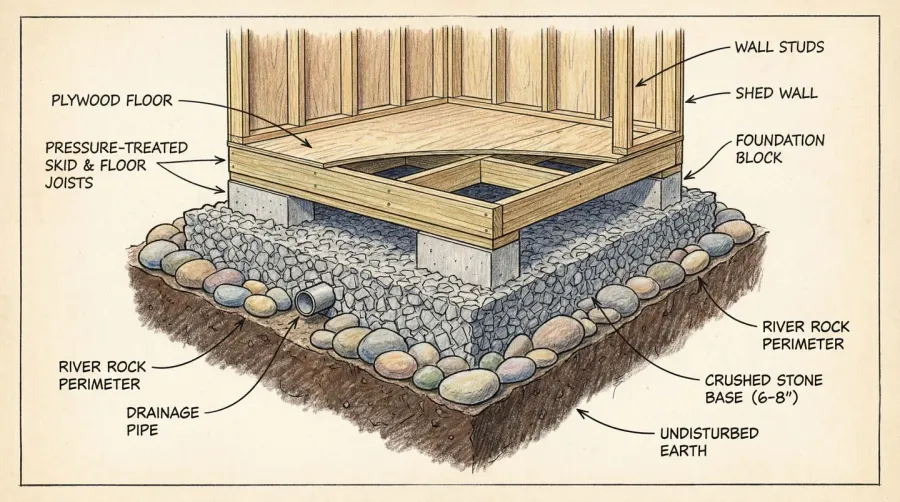
Quick answer: River rock works great for perimeter drainage and aesthetics around your shed, but angular crushed stone creates a more stable primary base because the sharp edges lock together under load. For most sheds, you’ll want crushed stone as your main foundation with river rock used strategically for drainage and visual appeal.
Pro tip: A layered approach using both materials gives you the structural stability of crushed stone with the drainage benefits and attractive appearance of river rock around the edges.
About Hello Gravel
Hello Gravel delivers bulk gravel, rock, dirt, and sand by the ton. Enter your ZIP code to see prices with delivery included. A local dump-truck driver places the load where access is safe; spreading is not included.
Understanding the difference between river rock and crushed stone
River rock and crushed stone serve different purposes in construction projects, and understanding these differences helps you make the right choice for your shed foundation.
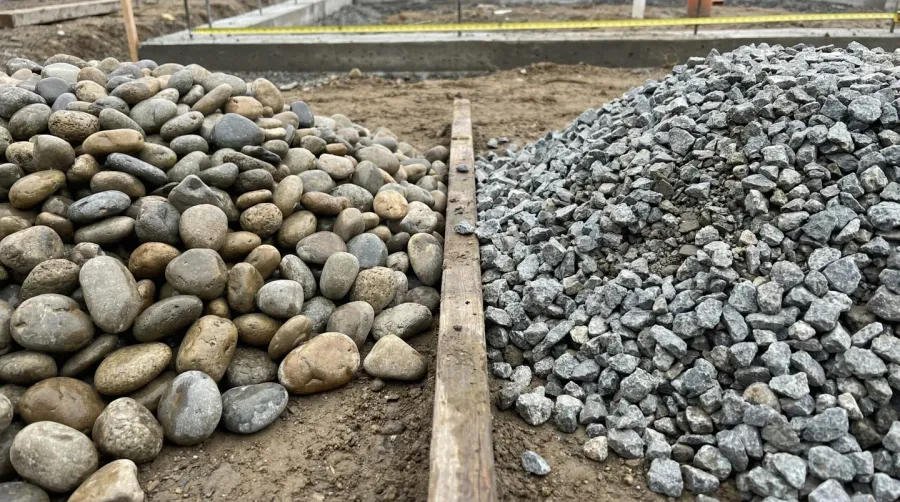
River rock consists of naturally weathered stones with smooth, rounded edges. Water and time have worn away the sharp corners, creating attractive oval and round stones that come in various sizes and colors. These stones excel at drainage because water flows easily between them, but their smooth surfaces don’t interlock well under pressure.
Crushed stone, on the other hand, features angular edges created when larger rocks are mechanically broken down. These sharp edges allow the stones to lock together when compacted, creating a stable base that resists shifting. The most common size for shed foundations is 3/4-inch clean crushed stone, which provides excellent compaction while still allowing adequate drainage.
Comparing foundation materials for your shed
Each foundation material offers distinct advantages and limitations that affect your shed’s long-term stability and performance.
| Material | Drainage | Stability | Best Use | Installation Difficulty |
|---|---|---|---|---|
| River Rock | Excellent | Fair | Perimeter/drainage | Easy |
| Crushed Stone | Good | Excellent | Primary base | Moderate |
| Concrete | Poor | Excellent | Heavy loads | Difficult |
River rock advantages: Superior drainage prevents water accumulation around your shed, reducing moisture problems and foundation settling. The attractive appearance enhances your landscape design, and installation requires minimal specialized tools.
River rock limitations: Rounded stones shift more easily under load, especially on soft soils or during freeze-thaw cycles. This movement can cause your shed to become unlevel over time, potentially voiding warranties on prefab structures.
Crushed stone advantages: Angular edges create excellent interlocking that resists movement and settling. This material compacts well and provides superior load distribution for heavier sheds or those storing equipment.
Concrete advantages: Offers maximum stability for large sheds, workshops, or structures with heavy machinery. Provides a smooth, level surface that works well with shed floors.
Important consideration: Your local soil conditions significantly impact which material works best. Clay soils and high water tables require extra attention to drainage, while sandy soils may need additional stabilization.
Best practices for using river rock in shed foundations
You can successfully incorporate river rock into your shed foundation system by using it strategically rather than as the sole base material.
Recommended layer structure: Start with a compacted subgrade, add landscape fabric to prevent weed growth, then install 4-6 inches of compacted angular crushed stone as your primary base. Finish with a thin layer of river rock on top or around the perimeter for drainage and aesthetics.
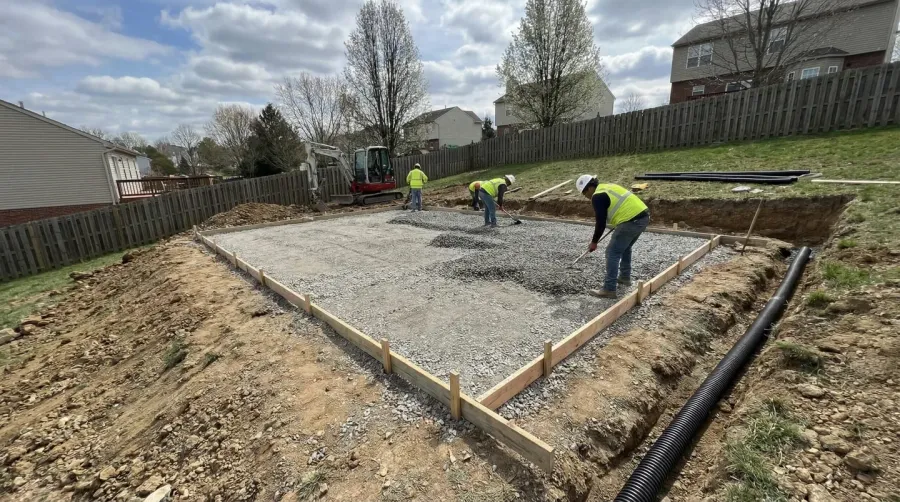
Installation approach: Mark your shed footprint and excavate 6-8 inches deep, ensuring proper slope away from the building site. Install landscape fabric, then add crushed stone in 2-inch lifts, compacting each layer with a plate compactor or hand tamper. Finally, add river rock where desired for visual appeal and enhanced drainage.
When river rock works well: Use river rock around shed perimeters to create attractive drainage zones that prevent water from pooling against the foundation. It also works effectively in French drain systems or as a decorative border that transitions from your shed base to surrounding landscaping. For similar applications, consider how pea gravel can be used for shed foundations as an alternative approach.
The key is understanding that river rock complements rather than replaces proper structural materials. This approach gives you both the stability your shed needs and the attractive appearance that enhances your property.
Soil conditions and drainage considerations
Your local soil type and drainage conditions heavily influence whether river rock can play a larger role in your foundation system.
Clay and compacted soils: These conditions require excellent drainage to prevent water accumulation that can cause heaving and settling. River rock excels in these situations when used as a drainage layer over a stable crushed stone base.
Sandy or loose soils: These conditions need maximum stability from interlocking materials. Stick primarily to crushed stone for the base, using river rock only for surface drainage and aesthetics.
Slope and water management: Ensure your foundation slopes away from the shed at roughly 2% grade. In areas with heavy rainfall or poor natural drainage, consider installing French drains filled with river rock to channel water away from your structure.
Climate factors: In freeze-thaw climates, proper drainage becomes even more critical. River rock’s superior drainage characteristics make it valuable for preventing ice formation that can damage foundations, but always over a stable crushed stone base.
Understanding your specific site conditions helps you determine the right balance between structural stability and drainage performance. When in doubt, prioritize stability with crushed stone and use river rock strategically for drainage enhancement. For other foundation projects like limestone for shed foundations or granite for shed foundations, similar principles apply regarding material selection based on soil conditions.
Getting the right materials for your shed foundation project doesn’t have to be complicated. Hello Gravel provides high-quality crushed stone and river rock delivered directly to your site, helping you build a foundation that combines stability with proper drainage for long-lasting performance.
Frequently Asked Questions
Can I put a shed directly on river rock?
You can set a shed directly on compacted river rock, but you may experience more shifting over time compared to angular crushed stone. For better long-term stability, use a compacted crushed stone base for structural support and add river rock as a decorative or drainage layer around the shed perimeter.
What is the best gravel to put under a shed?
The best gravel for most shed foundations is 3/4-inch angular crushed stone compacted in 4-6 inch layers. The sharp edges and mixed stone sizes allow the base to lock together while maintaining proper drainage, creating a stable foundation that resists settling and movement.
How deep should a gravel shed foundation be?
A gravel shed foundation should typically be 4-6 inches deep after compaction, extending at least 6 inches beyond the shed footprint on all sides. Heavier sheds, poor soil conditions, or areas with freeze-thaw cycles may require a deeper base or additional structural support.
Will river rock shift under my shed over time?
Yes, river rock is more prone to shifting than angular crushed stone because the smooth, rounded surfaces don’t interlock effectively. This movement can cause your shed to become unlevel, especially during freeze-thaw cycles or on soft soils. Proper borders and compaction help, but crushed stone remains the more stable choice.
Materials for this project
Get it delivered — dumped where you need it
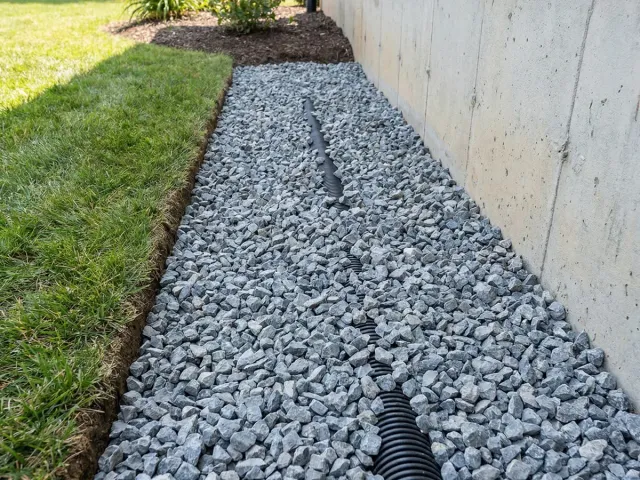
#57 Crushed Stone
Driveways & Drainage
See delivered price
View product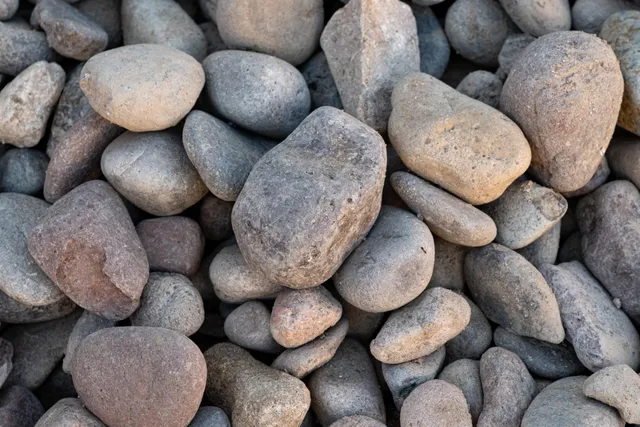
River Rock
Landscaping & Dry creek beds
See delivered price
View product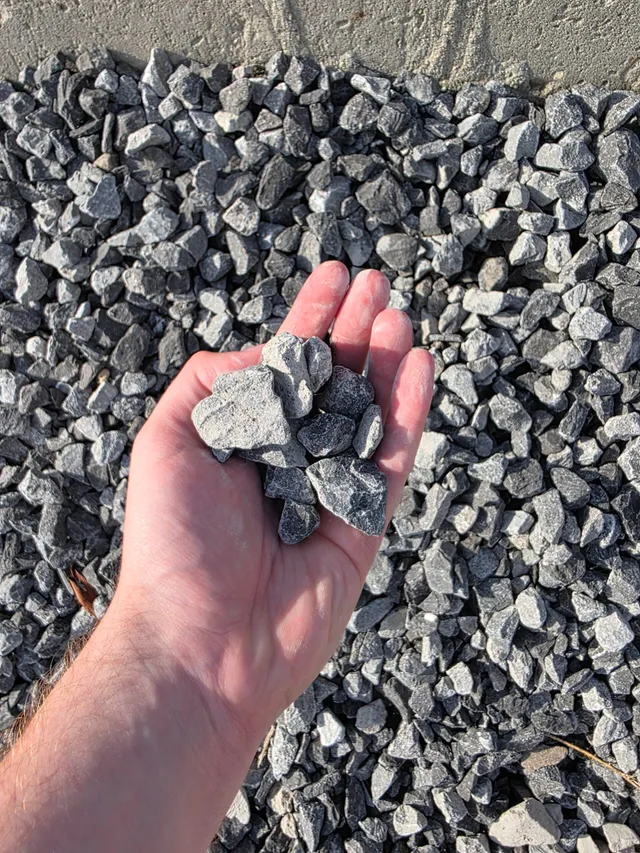
Driveway Gravel
Driveways & Parking areas
See delivered price
View product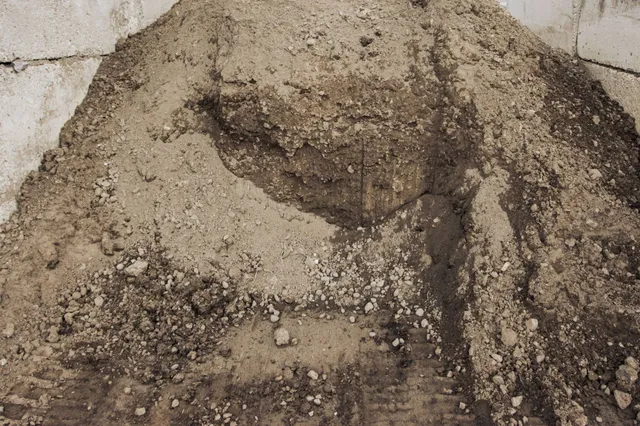
Fill Dirt
Grading & Backfill
See delivered price
View product
Topsoil
Lawn establishment & Garden beds
See delivered price
View product