Dolomite as Mulch Alternative: Benefits, Drawbacks, and Best Uses
Published on: December 12, 2025
Get an estimate for your project in 60 seconds
 Your information is secure
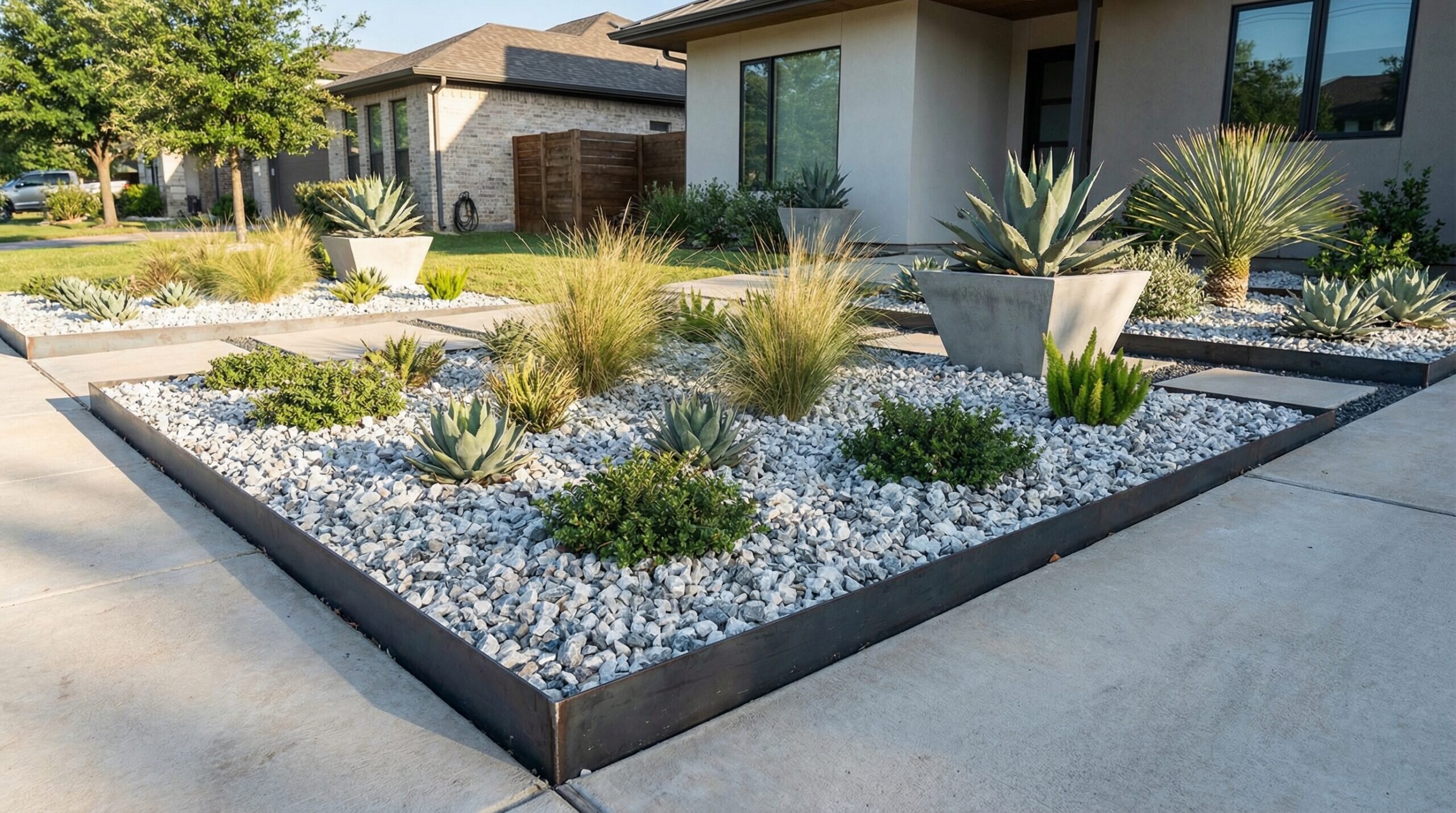
Yes, dolomite can be used as a landscaping mulch alternative, but it works best as an inorganic mulch in decorative beds, pathways, and low-maintenance areas rather than replacing nutrient-rich organic mulch in all situations. Unlike traditional bark or compost mulch, dolomite provides long-lasting coverage and can help manage soil pH, but it won’t add organic matter to feed your soil.
Quick Answer: Dolomite works well for permanent landscaping features where durability matters more than soil-building benefits, but test your soil pH first to avoid over-liming.
This guide will help you understand when dolomite makes sense for your landscape, how to use it properly, and where traditional mulch might serve you better.
What is dolomite landscaping rock
Dolomite is a calcium-magnesium carbonate rock that appears naturally in light gray to white colors. When crushed for landscaping use, it creates an attractive gravel that ranges from fine chips to larger decorative stones.
You’ll find two main types of dolomite products: finely ground dolomite lime used for soil pH adjustment, and crushed dolomite rock used as decorative mulch. The landscaping rock version provides the clean, modern appearance many homeowners want while offering some soil benefits over time.
Most suppliers offer dolomite in sizes ranging from quarter-inch chips to two-inch stones, letting you choose the right scale for your specific project needs.
Benefits of using dolomite as mulch
Durability and low maintenance
Dolomite rock mulch can last for years without replacement, unlike organic mulches that decompose and need annual refreshing. Once installed properly, you’ll spend less time and money maintaining your landscape beds.
The rock won’t blow away in storms, wash out during heavy rains, or attract pests like termites that sometimes target wood-based mulches.
Weed and moisture management
When installed over well-prepared soil or landscape fabric, dolomite creates an effective barrier against weeds while helping reduce water evaporation from the soil surface.
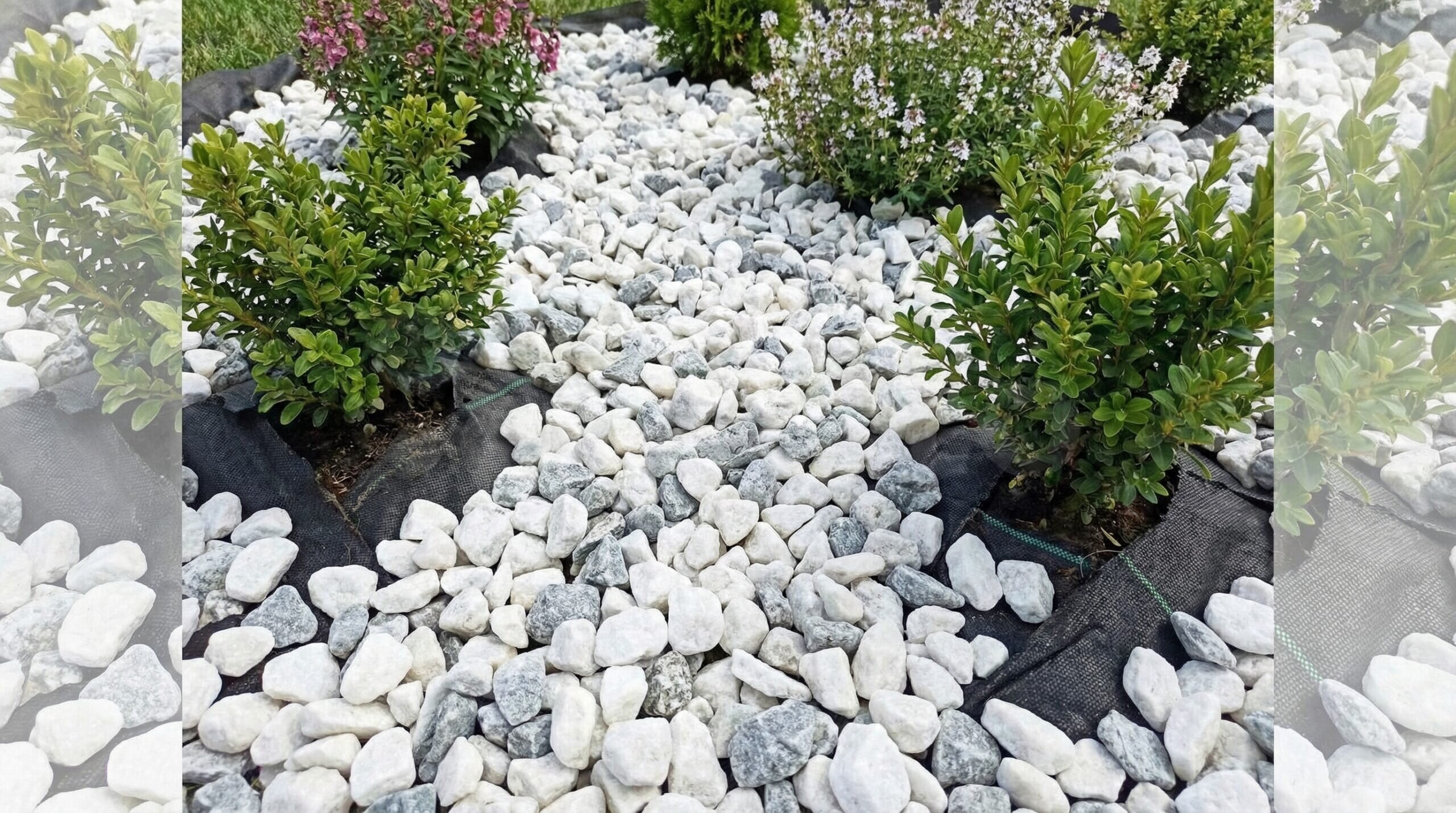
The light color reflects heat rather than absorbing it like dark organic mulches, which can help keep soil temperatures more moderate in hot climates.
Soil chemistry benefits
Dolomite naturally contains calcium and magnesium, two nutrients that can benefit plants growing in acidic soils. As the rock slowly weathers, it releases these minerals and can gradually raise soil pH.
Important: Always test your soil pH before using dolomite extensively, as adding it to already neutral or alkaline soils can create nutrient imbalances.
Drawbacks and limitations of dolomite mulch
No organic matter benefits
Unlike bark, wood chips, or compost, dolomite won’t feed beneficial soil organisms or add organic matter that improves soil structure. Your plants miss out on the slow-release nutrients that decomposing organic mulch provides.
This makes dolomite less suitable for vegetable gardens or areas where you want to actively improve soil health over time.
Risk of over-liming
In soils that are already neutral or alkaline, dolomite can push pH too high, leading to iron deficiency and other nutrient lockout problems. Plants may show yellowing leaves or poor growth if soil becomes too alkaline.
Installation and weight considerations
Rock mulch requires more physical effort to install and is difficult to move or redesign later. The weight also makes it challenging to work around established plants without damaging roots.
The initial cost per cubic yard is often higher than organic alternatives, though the long-term value can be better due to its permanence.
Best applications for dolomite in landscaping
Dolomite works exceptionally well in specific landscape situations where its durability and appearance provide clear advantages.
Around established shrubs and trees, dolomite creates clean, permanent ground cover that won’t need replacement. Just keep the rock a few inches away from tree trunks to prevent moisture and pest issues.
For garden pathways and informal walkways, dolomite provides excellent drainage and a stable walking surface that looks attractive year-round.
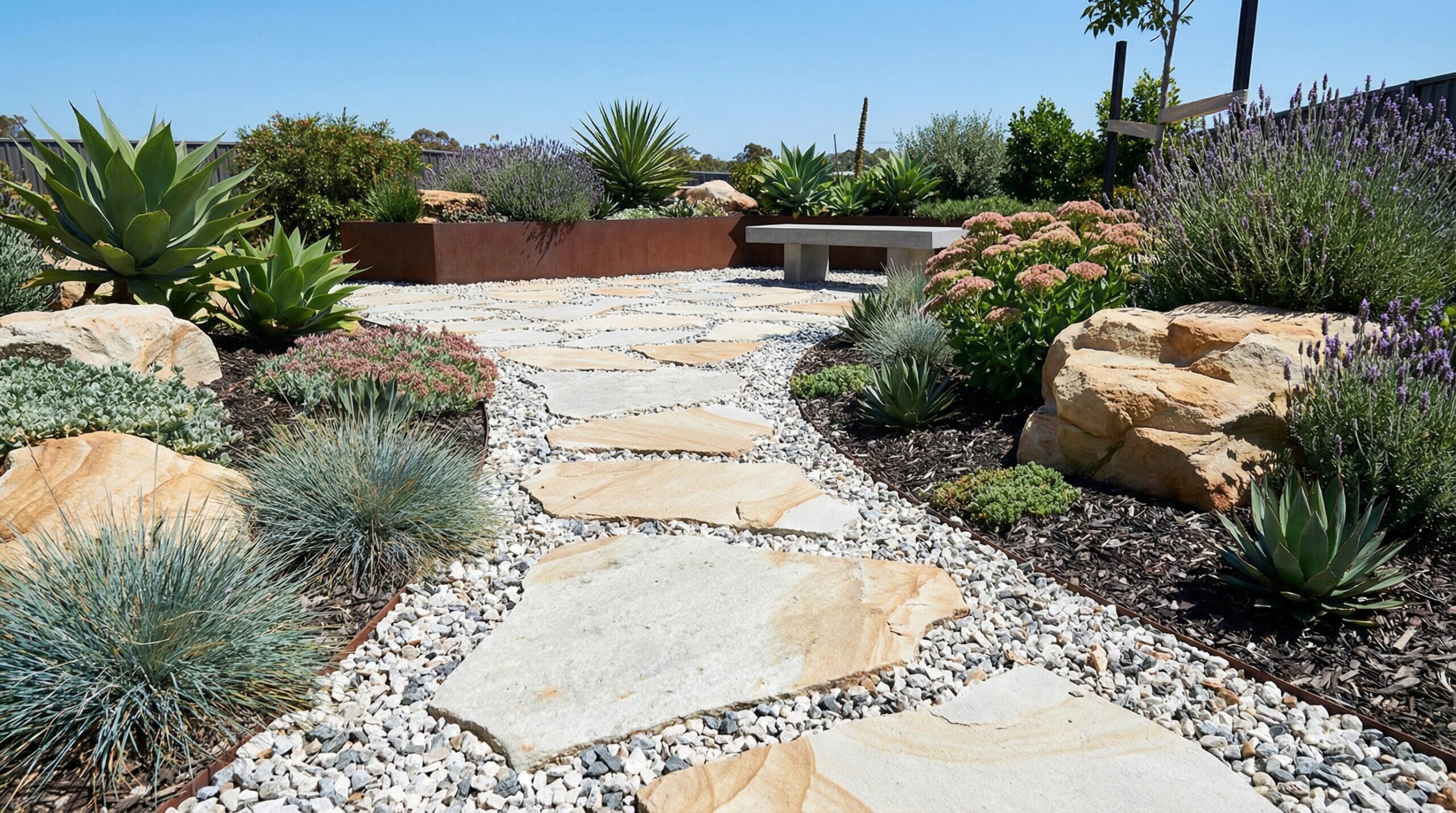
Rock gardens and xeriscaping projects benefit from dolomite’s natural appearance and water-wise characteristics. The rock complements drought-tolerant plants while reducing maintenance needs.
Around patios, stepping stones, and other hardscape features, dolomite creates smooth transitions and helps define different landscape zones. If you’re planning a patio base project or need a shed foundation, dolomite offers excellent stability and drainage properties.
| Mulch Type | Longevity | Soil Benefits | Maintenance | Best Use |
|---|---|---|---|---|
| Dolomite Rock | 5+ years | pH adjustment only | Very low | Decorative beds, paths |
| Organic Mulch | 1-2 years | Adds nutrients | Annual replacement | Vegetable gardens, flower beds |
| Other Gravel | 3-5 years | None | Low | Drainage areas, modern designs |
When you’re ready to calculate how much dolomite you need for your project, measure your area in square feet and multiply by your desired depth in inches, then divide by 324 to get cubic yards. Most landscaping applications work well with two to three inches of depth.
Hello Gravel offers high-quality dolomite in various sizes perfect for your landscaping needs. Whether you’re covering a small garden bed or designing extensive pathways, their delivery service brings the right amount directly to your project site. You can easily get a customized quote through their online system to ensure you order exactly what you need.
Understanding both the benefits and limitations of dolomite helps you make the right choice for each area of your landscape. For those considering alternative materials, you might also explore options like crushed coral for landscaping mulch, brick chips as a mulch alternative, or even perlite for landscaping applications. Use dolomite where durability and clean appearance matter most, and stick with organic options where soil health is your priority. If you’re also planning a fire pit area or dog run space, dolomite’s versatility makes it an excellent choice for these projects as well.
FAQ
Can dolomite be used as mulch around plants?
Does dolomite rock change soil pH?
How deep should dolomite landscape rock be for mulch?
Is rock mulch better than wood mulch?
Author: igor