Basalt Driveway Guide: Is Basalt Good for Driveway Paving? (Cost, Pros, Cons, and Installation)
Published on: December 12, 2025
Get an estimate for your project in 60 seconds

Tired of cracking asphalt or boring concrete driveways? Basalt can absolutely be used for driveway paving and offers exceptional durability when installed over a solid, well-compacted base with proper drainage. This volcanic rock creates stunning, long-lasting driveways that can handle heavy vehicle loads while providing a modern aesthetic that hides stains better than traditional concrete.
Quick Answer: Basalt driveways typically last 25-50 years with proper installation and maintenance, making them a premium choice for homeowners seeking both durability and curb appeal.
This guide covers everything you need to know about basalt driveways, including cost comparisons, installation requirements, and how basalt stacks up against concrete, asphalt, and gravel options. Whether you’re researching materials or ready to get quotes, you’ll understand exactly what makes basalt a smart long-term investment.
What is a basalt driveway?
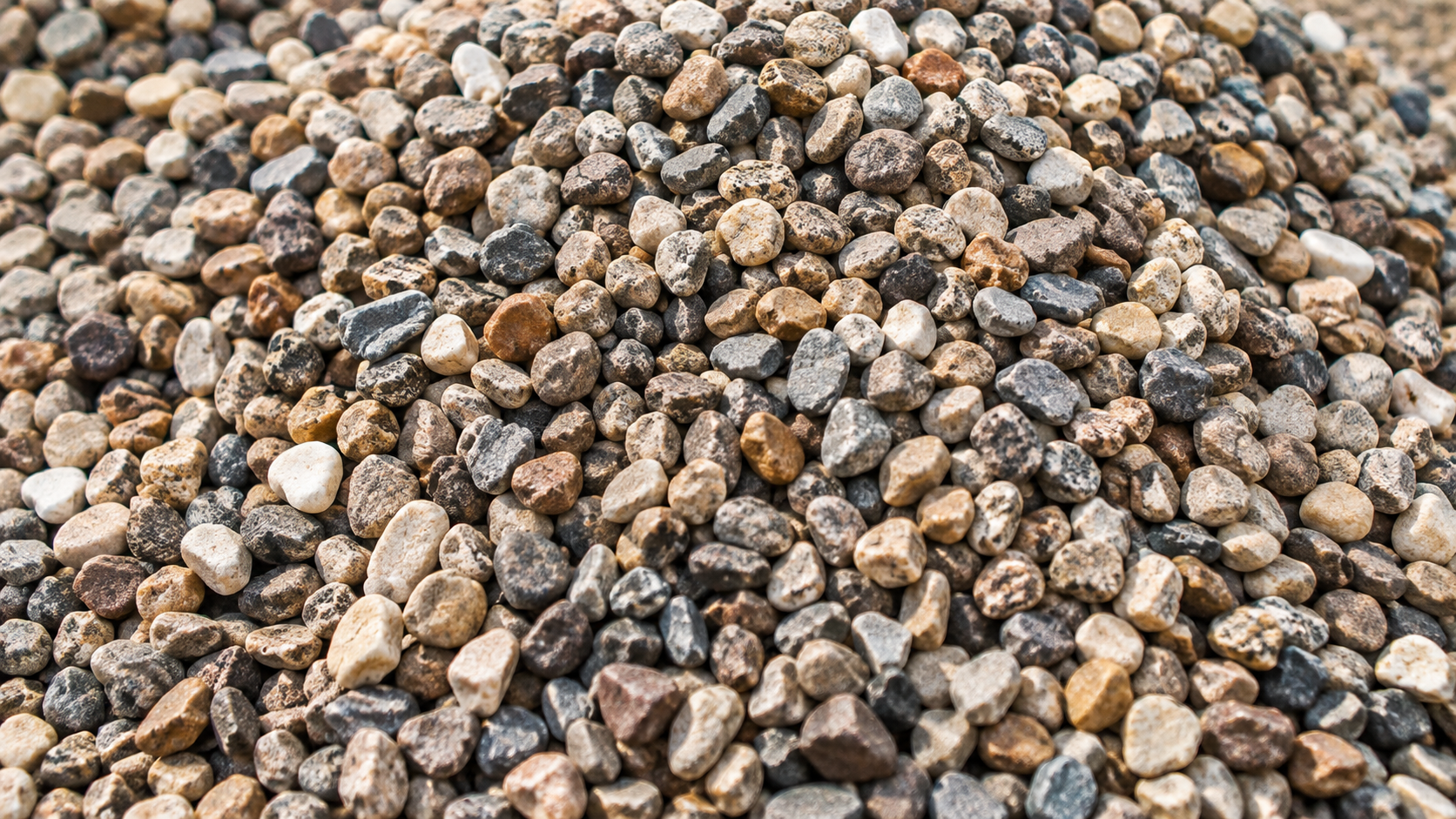
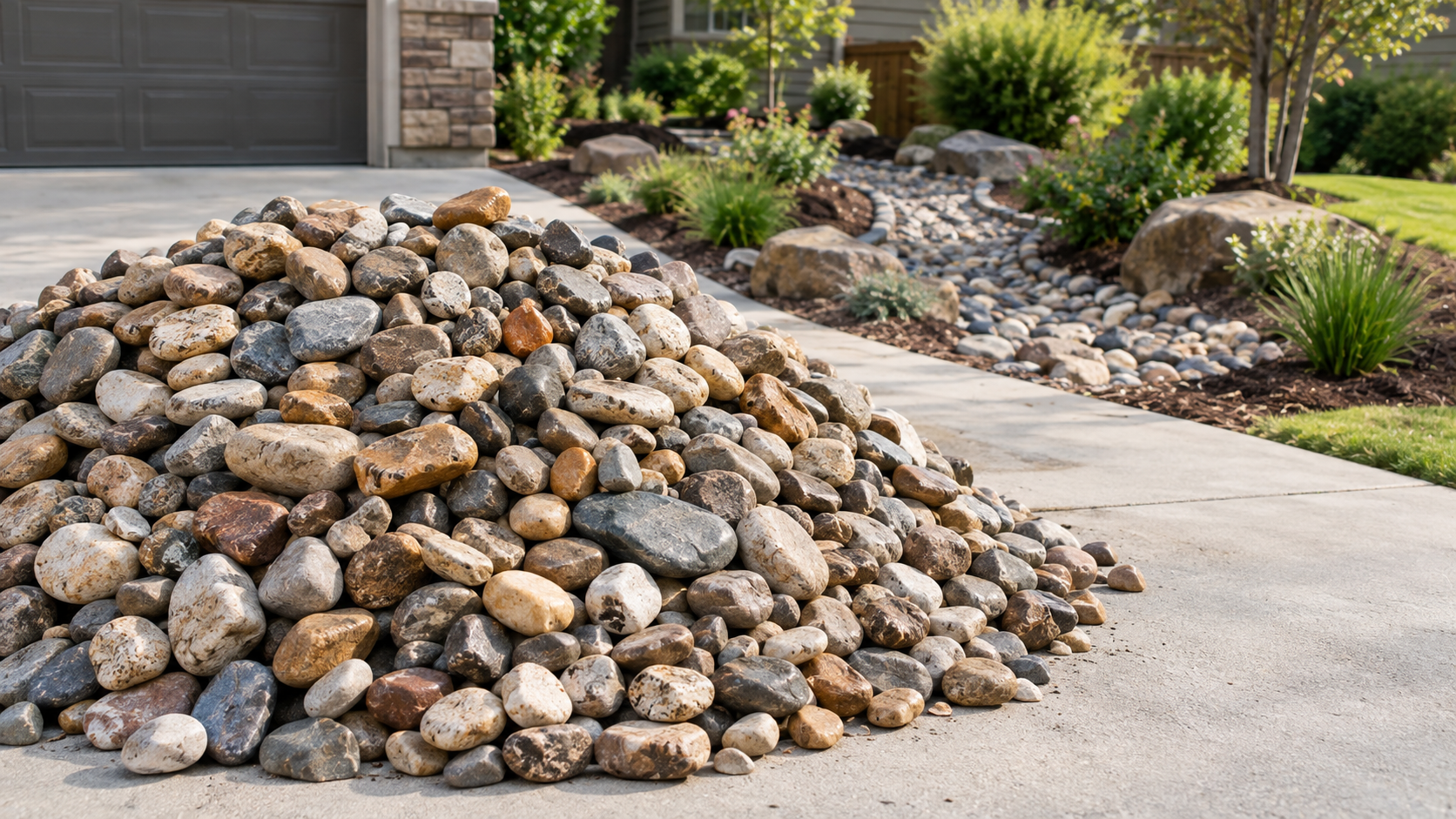
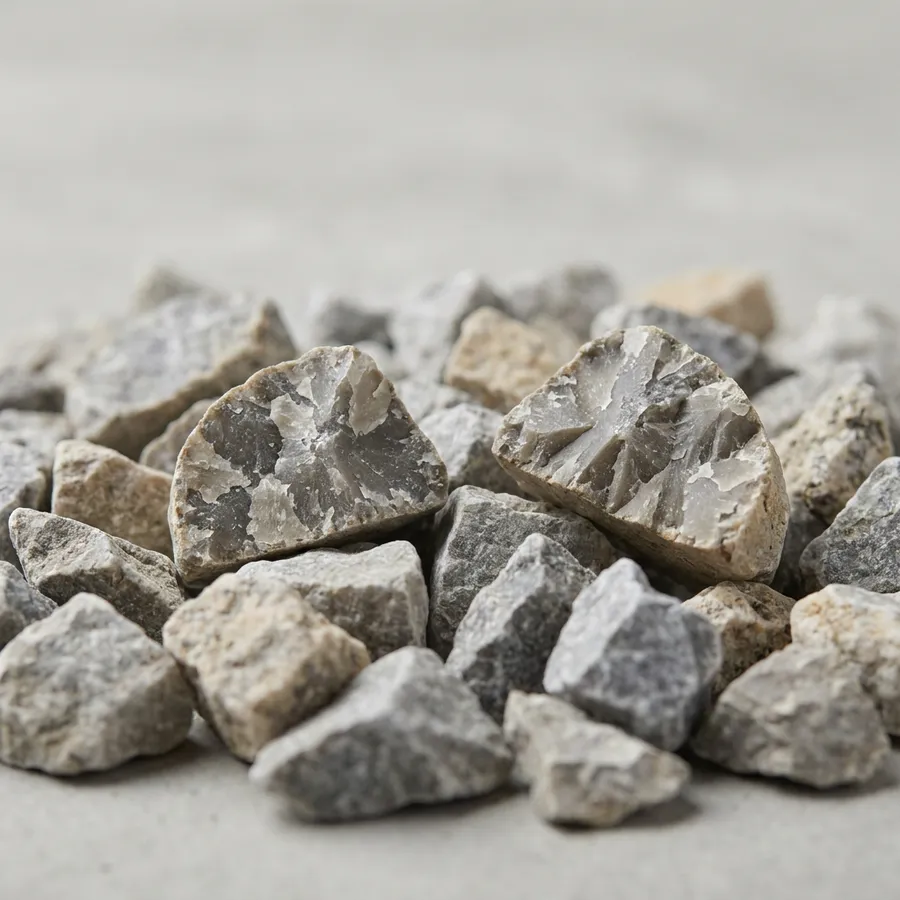
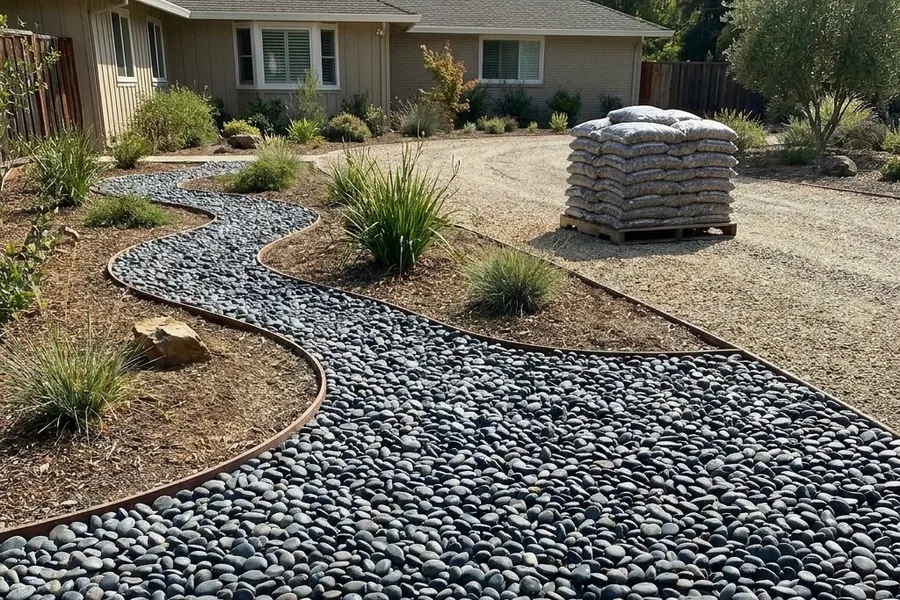
A basalt driveway uses dense volcanic rock as the primary surface material. You’ll typically see basalt in three forms for driveways: individual pavers or cobbles, crushed basalt as an aggregate base, or basalt tiles for a more uniform look.
This volcanic stone forms when lava cools rapidly, creating an incredibly hard material with natural colors ranging from charcoal black to dark gray. The result is a sophisticated, modern appearance that complements both contemporary and traditional home styles. Similar to using volcanic rock for driveway paving, basalt offers exceptional strength and visual appeal.
Unlike softer materials, basalt’s volcanic origin gives it exceptional compressive strength. When you drive over properly installed basalt pavers, they distribute weight effectively across the base layer, preventing the cracking and settling issues common with other materials.
Is basalt good for driveways?
Yes, basalt makes an excellent driveway material when installed correctly. You can expect 25-50 years of service life with proper base preparation and regular maintenance, which puts it on par with high-end concrete and premium paver systems.
Key advantages of basalt
Basalt handles vehicle loads exceptionally well thanks to its high compressive strength. When your contractor builds the base correctly with 6-8 inches of compacted aggregate, basalt pavers won’t crack or shift under normal car and truck traffic. If you’re also considering using basalt as a foundation for small bridge projects, you’ll appreciate its load-bearing capabilities.
The naturally textured surface provides excellent traction, even when wet. This makes basalt particularly valuable if you live in an area with frequent rain or occasional ice. You won’t deal with the slippery conditions that smooth concrete can create.
From an aesthetic standpoint, basalt’s dark colors hide tire marks, oil stains, and everyday wear much better than light-colored concrete. The natural variation in each stone creates visual depth that plain concrete simply can’t match.
Potential drawbacks
Material and installation costs typically run higher than basic asphalt or standard concrete. You’re looking at pricing similar to premium pavers or cobblestone, which puts basalt in the luxury category for driveway materials.
Installation requires skilled contractors who understand proper base preparation and stone laying techniques. Poor installation leads to uneven surfaces, rocking stones, and premature failure regardless of how good the basalt itself might be.
Like other stone and paver systems, basalt driveways need periodic sealing and joint maintenance to prevent staining and weed growth between stones.

Basalt vs other driveway materials
Understanding how basalt compares to your other options helps you make the right choice for your budget and needs.
| Material | Cost Range (Installed) | Expected Lifespan | Maintenance Level | Best For |
|---|---|---|---|---|
| Basalt | $15-$40 per sq ft | 25-50 years | Medium | Premium, modern look |
| Concrete | $8-$18 per sq ft | 20-30 years | Low | Budget-conscious, simple |
| Asphalt | $5-$12 per sq ft | 15-25 years | Medium | Cost-effective, quick install |
| Gravel | $2-$8 per sq ft | 10-15 years | High | Temporary, rural settings |
Basalt vs concrete
Concrete offers durability at a mid-range price point, but it shows stains easily and can develop cracks over time. When concrete does crack, you’re looking at expensive repairs or full replacement.
Basalt gives you better visual appeal and stain resistance. If individual pavers get damaged, you can replace just those stones rather than tearing up an entire concrete section.
Basalt vs asphalt
Asphalt costs less upfront and can last 20+ years with good maintenance and a strong base. However, it requires periodic resealing and eventually needs complete replacement.
Basalt costs more initially but offers superior longevity and requires less frequent major maintenance. The aesthetic upgrade alone often justifies the price difference for homeowners focused on curb appeal.
Cost Reality Check: While basalt requires higher upfront investment, the 25-50 year lifespan often makes it more economical than replacing asphalt multiple times over the same period.
How much does a basalt driveway cost?
Basalt driveway costs typically range from $15-$40 per square foot installed, depending on your location, stone format, and site conditions. A standard two-car driveway (600 square feet) might run $9,000-$24,000 total.
Several factors drive the final price. Driveway size obviously matters, but thickness requirements and base depth significantly impact costs too. If your soil conditions require extra excavation or stabilization, expect higher prices.
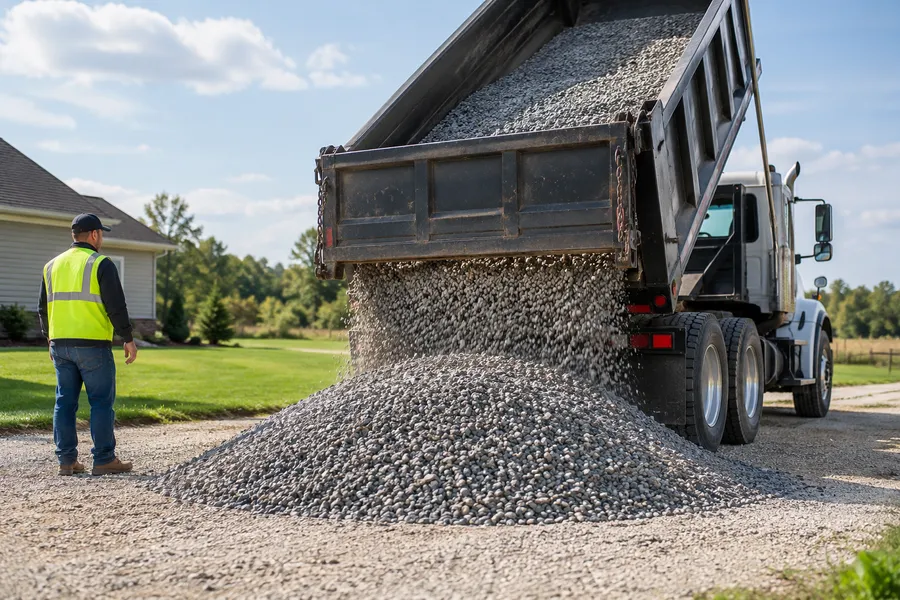
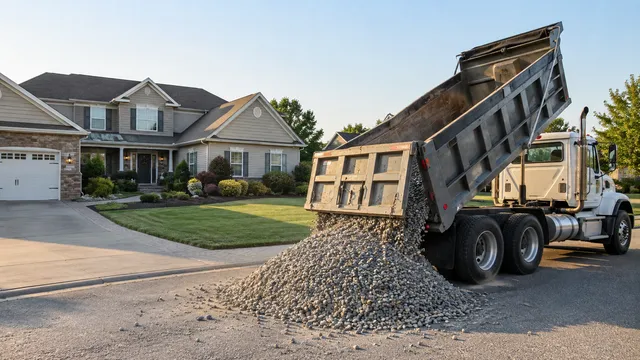
The type of basalt you choose affects pricing as well. Crushed basalt for the base costs less than individual pavers or large cobblestones. Edge restraints, drainage features, and sealing choices add to the total investment. For comparison, using crushed stone for parking areas offers a more budget-friendly alternative.
Site access plays a role too. If contractors need to hand-carry materials or use smaller equipment due to tight spaces, labor costs increase accordingly.
Key design and engineering considerations
A successful basalt driveway depends heavily on what happens below the surface. Even the best basalt pavers will fail if the foundation isn’t built properly.
Base and subgrade preparation
Your contractor needs to install 6-8 inches of compacted aggregate base for most residential driveways. This base distributes vehicle loads and prevents settling that causes uneven surfaces. Similar principles apply when using crushed stone as a sub-base for deck projects.
Poor subgrade conditions require correction before any base work begins. Soft, wet clay must be excavated and replaced with stable material, or treated with stabilization techniques. Skipping this step leads to expensive failures later.
Remember that even premium surface materials like basalt can’t overcome a weak foundation. Proper base preparation costs more upfront but prevents costly repairs down the road.
Drainage and slope considerations
Your driveway needs proper slope away from your house, typically 1-2% grade minimum. This prevents water from pooling and protects both your foundation and the driveway structure.
Consider permeable options if drainage is a concern. Basalt pavers can be set on open-graded bases that allow water infiltration, reducing runoff while maintaining a stable driving surface. If you’re interested in water management, basalt in erosion control structures demonstrates how this material excels in drainage applications.
In areas with heavy rainfall, adding drainage channels or permeable joints between stones helps manage water flow effectively.

Professional installation vs DIY
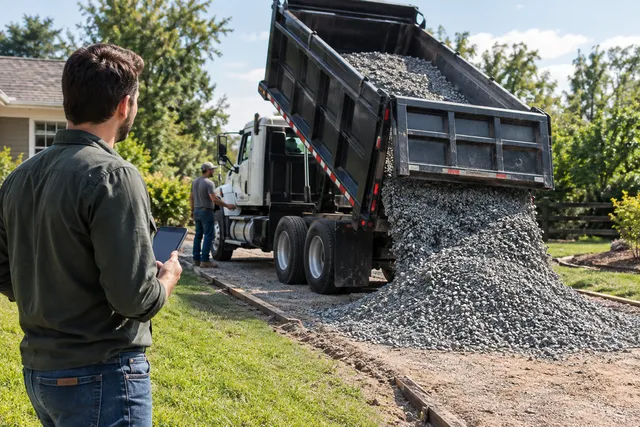
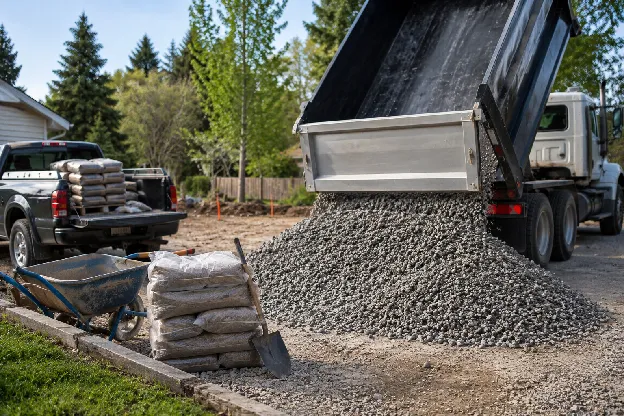
Installing a basalt driveway requires significant excavation, proper compaction equipment, and experience with stone laying techniques. Most homeowners benefit from professional installation, especially for the critical base preparation phase.
You might consider DIY for small projects if you have experience with similar work and access to proper equipment. However, mistakes in base preparation or drainage design often cost more to fix than hiring professionals initially.
Professional contractors bring specialized equipment for excavation and compaction that most homeowners don’t own. They also understand local soil conditions and building codes that affect driveway design.
Professional Tip: The most value contractors provide is in base preparation and drainage design, where mistakes are expensive to correct later.
When you’re ready to explore basalt options for your driveway, Hello Gravel offers comprehensive material selection and professional installation services. Our team can assess your specific site conditions and provide detailed cost estimates based on your exact requirements.
Getting a quote helps you understand the investment required and compare basalt against other premium driveway materials. You’ll receive recommendations for base depth, drainage solutions, and material options that work best for your climate and soil conditions.
Contact Hello Gravel today to discuss your basalt driveway project and get a customized estimate that fits your budget and timeline.
Basalt Driveway FAQs
How long does a basalt driveway last?
Does a basalt driveway need sealing?
Is basalt slippery when wet?
How much does a basalt driveway cost compared to concrete?
Author: igor