Basalt Construction Material: Hardness, Uses, and Bridge Foundation Applications

Published on: December 12, 2025

Get an estimate for your project in 60 seconds

This field is hidden when viewing the form
Security lock iconYour information is secure


basalt rock construction aggregate materials

Basalt is a volcanic rock that ranks 6-7 on the Mohs hardness scale, making it one of the most durable construction materials available. This dark, fine-grained rock forms when lava cools rapidly at Earth’s surface, creating a dense material that resists weathering and abrasion better than many common building stones.

You’ll find basalt used in everything from road bases to concrete aggregates, and yes, it works exceptionally well for small bridge foundation projects. The combination of its hardness, availability, and cost-effectiveness makes basalt a go-to choice for contractors and engineers working on infrastructure projects of all sizes.

Quick Fact: Basalt’s Mohs hardness of 6-7 makes it harder than granite (6-6.5) and significantly more durable than limestone (3-4) for construction applications.

This guide will walk you through basalt’s key properties, explain where it fits in construction projects, and show you exactly how it performs in bridge foundation work.

Understanding basalt as a construction material

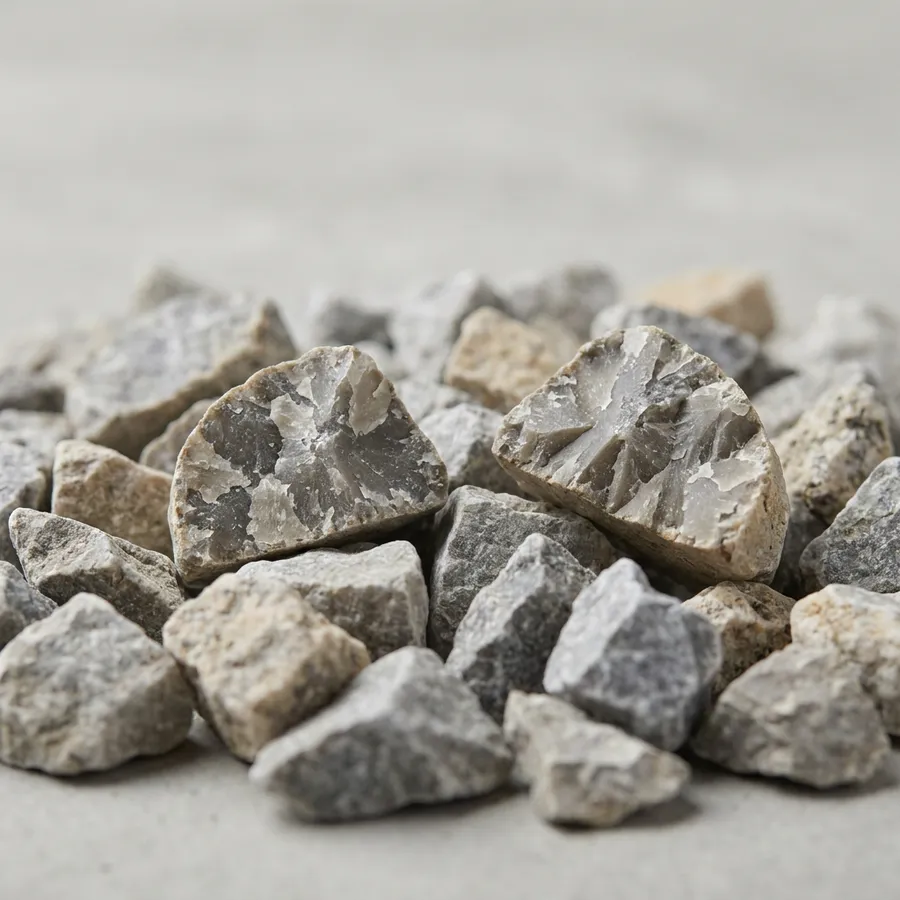
Basalt forms when molten lava reaches the Earth’s surface and cools quickly, creating a rock with a fine-grained texture and dark color. The rapid cooling process prevents large crystals from forming, resulting in a dense, uniform material that’s rich in iron and magnesium.

What makes basalt particularly valuable for construction is its consistent quality. Unlike sedimentary rocks that can vary significantly in hardness and composition, basalt maintains relatively uniform properties throughout a deposit. This consistency means you can rely on predictable performance in your projects.

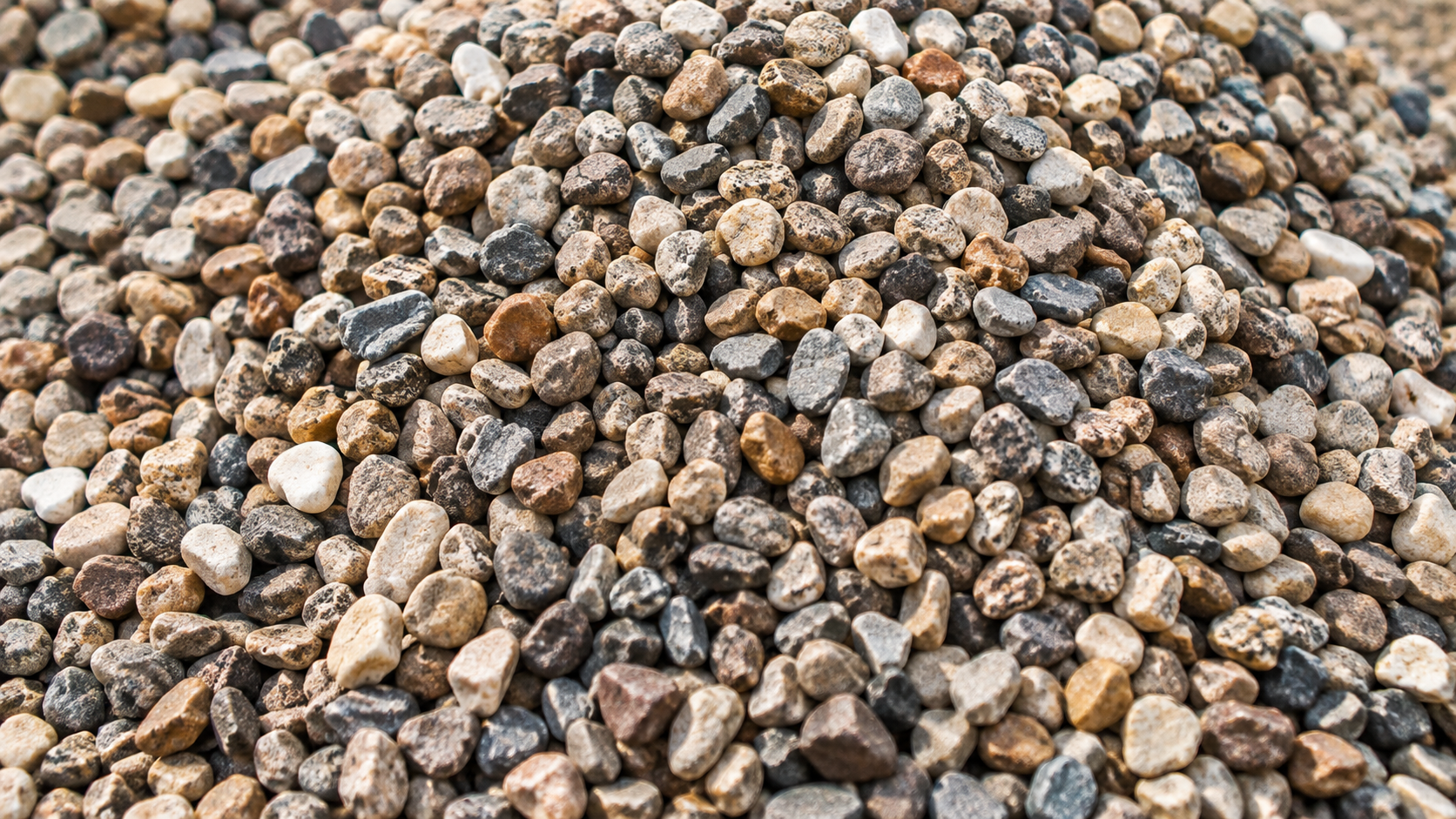
The rock’s dark gray to black color comes from its mineral composition, primarily plagioclase feldspar and pyroxene. These minerals contribute to basalt’s high density (typically 2.8-3.0 g/cm³) and low porosity, which translates to excellent durability in outdoor applications.

basalt mohs hardness scale comparison chart

Basalt hardness on the Mohs scale

Basalt typically measures 6-7 on the Mohs hardness scale, placing it among the harder construction materials you can source locally. To put this in perspective, your fingernail rates about 2.5, a copper penny hits 3.5, and steel sits around 5.5.

Material Mohs Hardness Common Construction Use
Limestone 3-4 Decorative stone, aggregate
Marble 3-4 Countertops, facades
Concrete 4-5 Structural elements
Granite 6-6.5 Countertops, monuments
Basalt 6-7 Road base, aggregates, foundations

This hardness level means basalt resists scratching, chipping, and wear from heavy traffic or flowing water. When you’re dealing with bridge approaches or areas where vehicles will repeatedly load the surface, basalt’s hardness becomes a significant advantage over softer alternatives.

The practical impact of this hardness shows up in reduced maintenance costs. While softer aggregates might need replacement every few years under heavy use, properly installed basalt base courses can last decades with minimal maintenance.

Common uses of basalt in construction

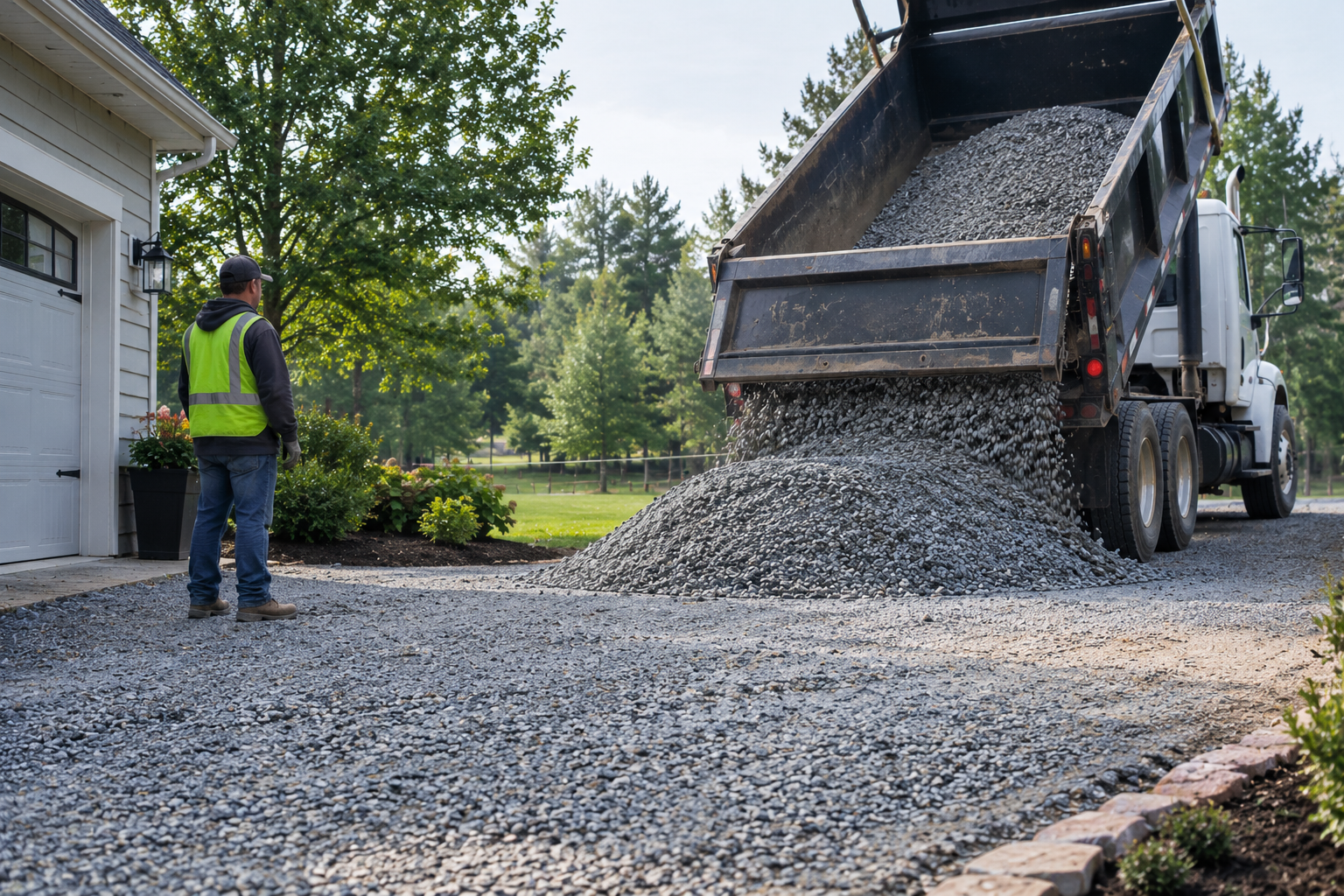
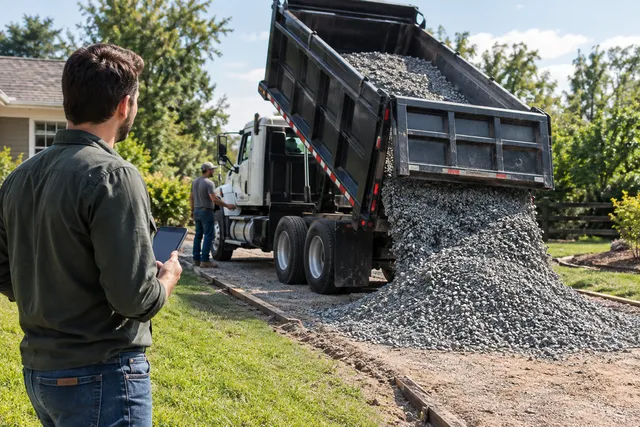
Basalt’s versatility makes it suitable for numerous construction applications. You’ll most commonly encounter it as crushed aggregate in road bases, where its angular particles lock together well under compaction. This creates a stable platform that distributes loads effectively.

In concrete and asphalt production, basalt aggregate provides excellent bonding characteristics. The rough surface texture of crushed basalt creates strong mechanical bonds with cement paste or asphalt binder, resulting in more durable pavements and structures.

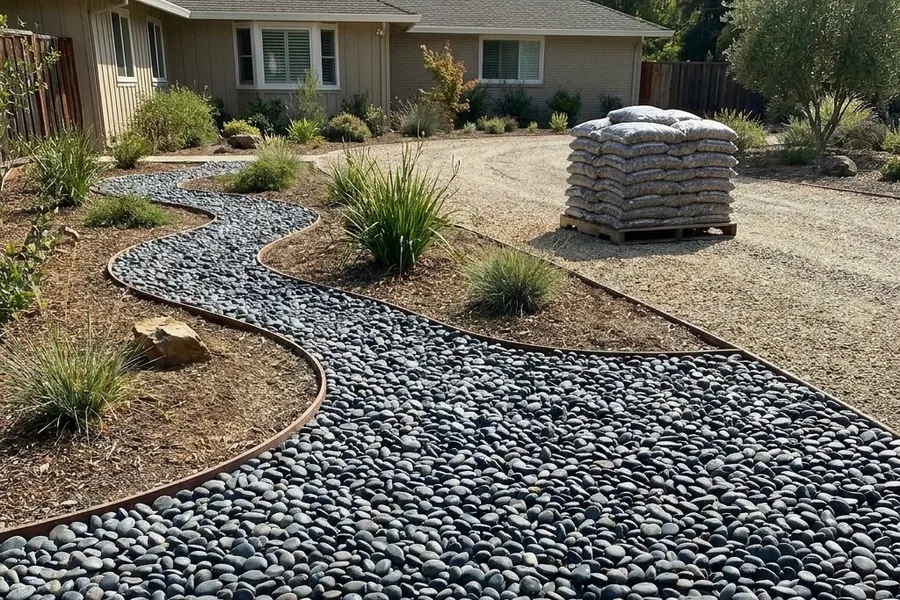
Railroad companies have used basalt as ballast for over a century because it maintains its shape under repeated loading and provides excellent drainage. These same properties make it ideal for drainage layers around buildings and under hardscapes.

Pro Tip: Basalt’s angular shape after crushing provides better compaction and load distribution than rounded river gravel, making it particularly effective for base courses under heavy loads.

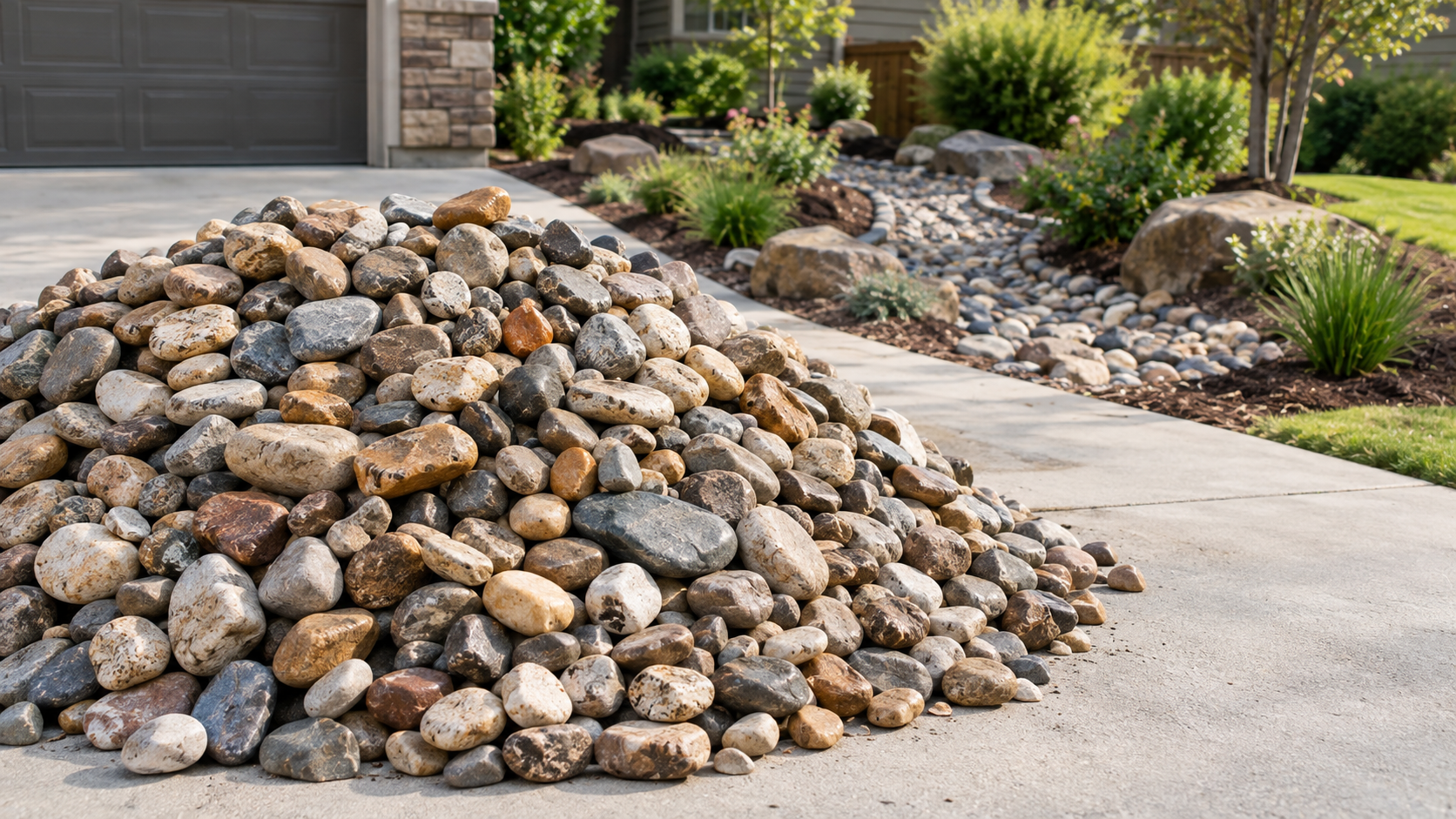
For erosion control, large basalt boulders (riprap) protect shorelines, bridge abutments, and steep slopes from water damage. The rock’s resistance to chemical weathering means it maintains its protective function for decades without significant degradation. If you’re working on erosion control structures, basalt’s durability makes it an excellent choice.

small bridge basalt foundation cross-section

Basalt in small bridge foundation projects

Small bridge foundations typically rely on shallow footings or precast abutment systems rather than deep pile foundations. In these applications, basalt serves as the crucial base layer that distributes loads from the bridge structure to the underlying soil.

When you’re planning a pedestrian bridge or small vehicle crossing, the foundation system usually includes concrete footings or abutments sitting on a well-compacted aggregate base. This is where basalt excels. A 12-18 inch layer of properly graded and compacted basalt creates a stable platform that prevents settlement and provides excellent drainage.

The key is understanding that basalt doesn’t replace engineered concrete foundations, but it makes them perform better. The hard, angular aggregate creates a stable bearing surface that reduces stress concentrations in the soil below while providing a level, well-drained base for construction.

For creek crossings and areas with flowing water, basalt’s abrasion resistance becomes critical. Softer aggregates can wash away or erode under the bridge, potentially undermining the foundation. Basalt maintains its integrity even when exposed to flowing water and freeze-thaw cycles.

Engineering Note: Always consult local building codes and consider geotechnical analysis for bridges spanning more than 20 feet or carrying vehicle traffic, regardless of foundation material choice.

The compaction characteristics of basalt also work in your favor. The angular particles achieve high density with standard compaction equipment, creating a base that won’t settle significantly under load. This stability is essential for maintaining proper bridge alignment and preventing structural stress.

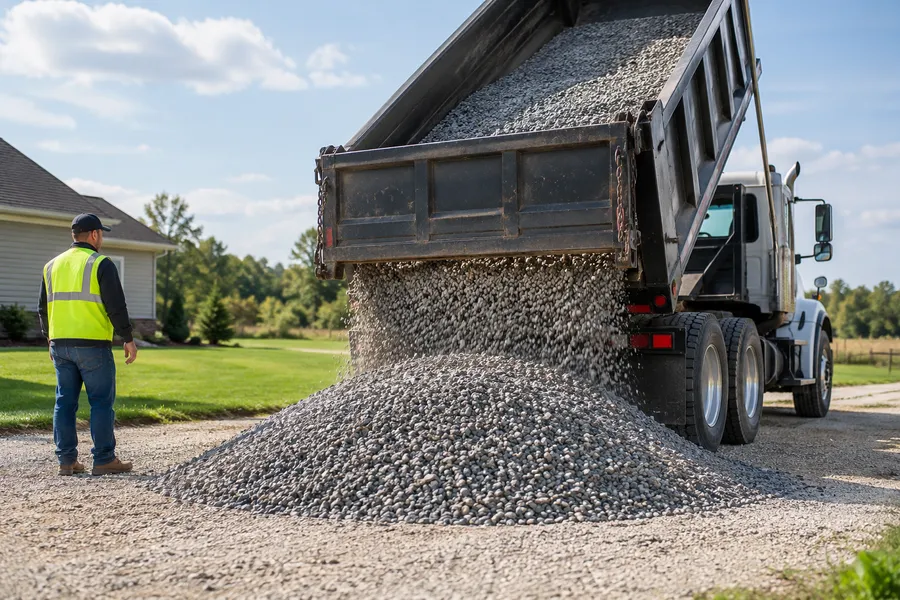
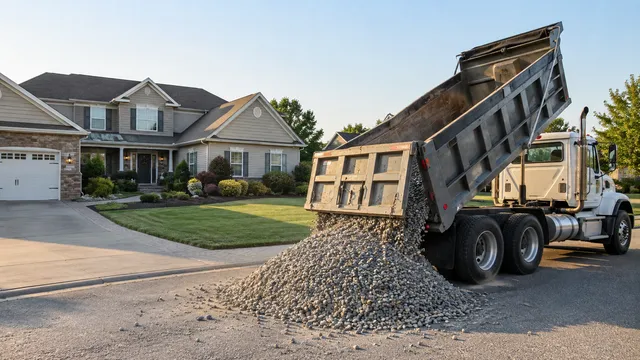
Hello Gravel provides high-quality basalt aggregates specifically graded for foundation applications. Our materials meet standard specifications for base course construction and come with consistent gradation that ensures reliable compaction and performance. Whether you’re working on a garden footbridge or a small vehicle crossing, we can help you select the right basalt product for your specific foundation requirements.

Getting started with your bridge project is straightforward. Simply contact our team with your project details, and we’ll recommend the appropriate basalt gradation and calculate the quantities you need. We deliver throughout our service area and can coordinate timing to match your construction schedule.

The combination of basalt’s natural durability, local availability, and proven performance in infrastructure projects makes it an excellent choice for small bridge foundations. When properly installed as part of an engineered foundation system, basalt base courses provide decades of reliable service with minimal maintenance requirements. For similar foundation applications, you might also consider how granite performs in bridge foundations or explore volcanic rock alternatives.

Beyond bridge foundations, basalt’s exceptional properties make it suitable for driveway paving projects and fire pit areas where durability and heat resistance are paramount.

Frequently Asked Questions About Basalt for Bridge Foundations

Is basalt good for bridge foundations?

Yes, basalt is excellent for bridge foundations when properly engineered and installed. Its Mohs hardness of 6-7, high compressive strength, and resistance to weathering make it ideal for supporting bridge loads. The key is ensuring proper compaction, drainage design, and quality control during installation to maximize its load-bearing performance.

What is the hardness of basalt on the Mohs scale?

Basalt typically ranges from 6-7 on the Mohs hardness scale, making it harder than granite (6-6.5) and significantly more durable than limestone (3-4). This high hardness translates to excellent abrasion resistance and durability under heavy loads, making it particularly suitable for bridge foundations and high-traffic applications.

How does basalt compare to limestone or gravel for bridge bases?

Basalt outperforms limestone and standard gravel in durability, freeze-thaw resistance, and long-term performance. While limestone may be more cost-effective initially, basalt’s superior hardness and abrasion resistance result in lower maintenance costs and longer service life. Its angular particles also provide better compaction and load distribution than rounded gravel.

What are the disadvantages of basalt as a construction material?

The main disadvantages include higher difficulty in cutting or shaping compared to softer rocks, the need for proper gradation and compaction techniques, and potentially higher initial costs in areas where basalt isn’t locally available. Additionally, projects require experienced design and quality control to ensure optimal performance of the basalt aggregate base.

Author: igor