Basalt Foundation for Small Bridge Projects: Complete Engineering Guide

Published on: December 12, 2025

Get an estimate for your project in 60 seconds

This field is hidden when viewing the form
Security lock iconYour information is secure


Small bridge over stream with basalt foundation engineering diagram

Yes, basalt can be used as a foundation for small bridge projects when proper geotechnical assessment confirms suitable rock mass conditions and engineering requirements are met. This volcanic rock offers exceptional durability, weathering resistance, and cost-effectiveness for the right applications.

Key insight: Basalt foundations work best for small bridges with spans under 50 feet where solid bedrock is accessible within reasonable excavation depths and groundwater conditions are favorable.

Whether you’re an engineer evaluating foundation options or a contractor planning material sourcing, this guide covers when basalt foundations work, essential design principles, and how to specify and source quality materials for your project.

What makes basalt ideal for bridge foundations

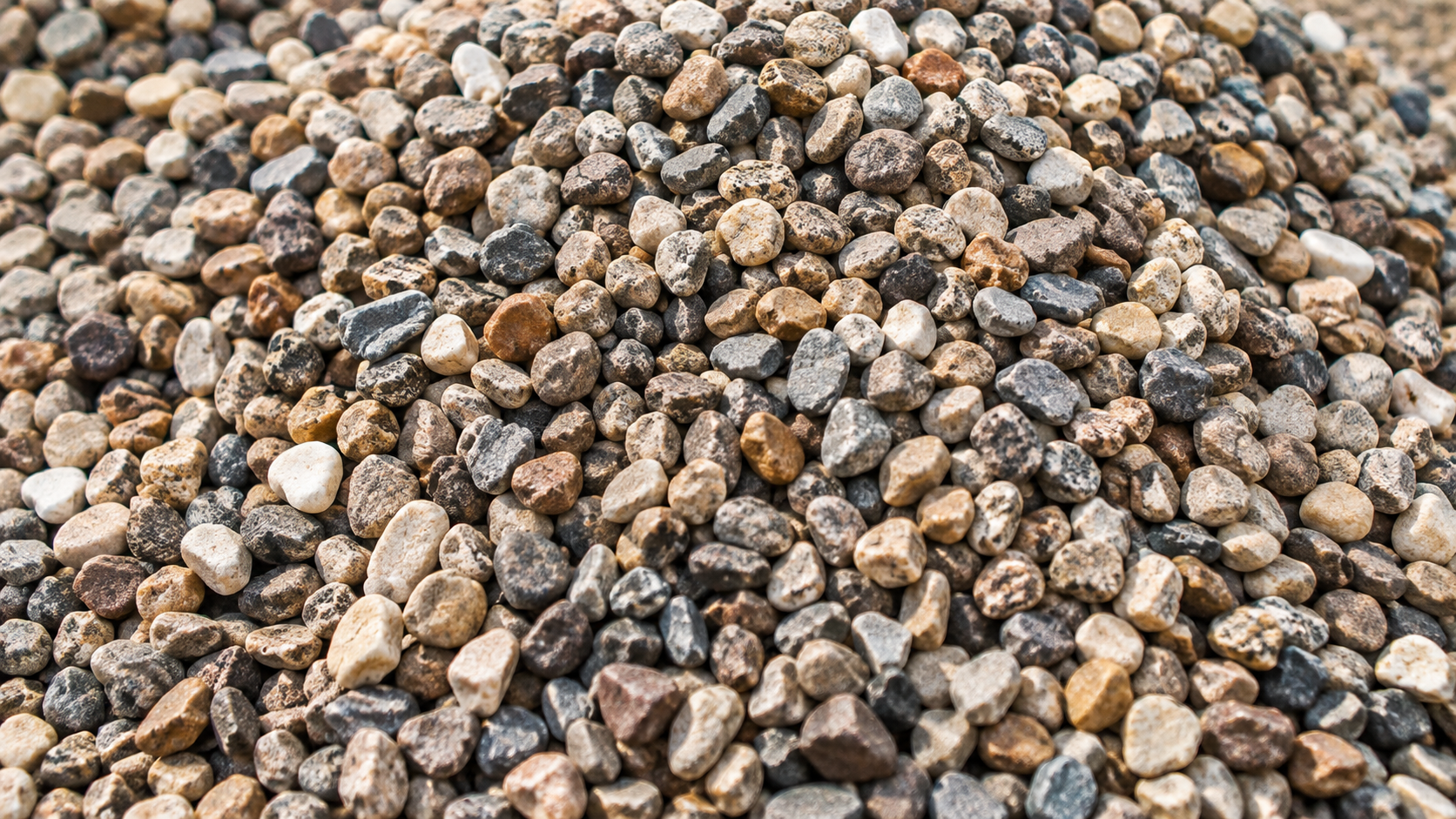
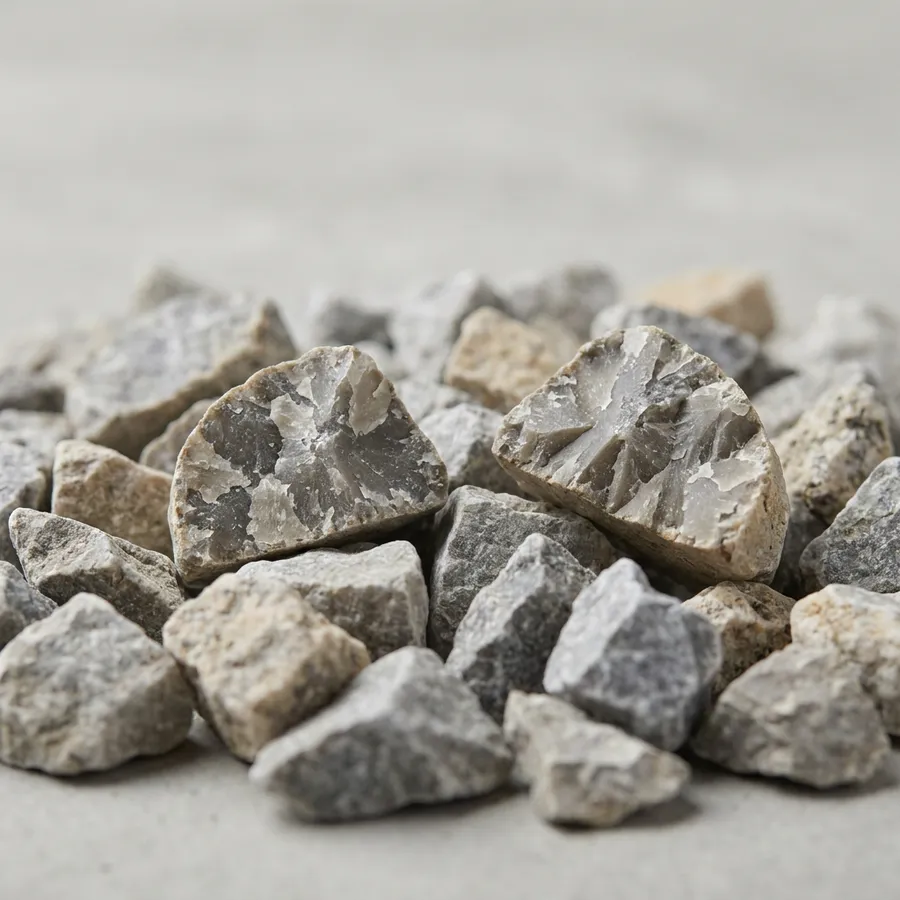
Basalt stands out among volcanic rocks for structural applications due to its dense composition and superior engineering properties. Unlike softer volcanic materials like pumice or highly weathered andesite, basalt typically exhibits compressive strengths between 15,000 to 40,000 psi when properly tested.

This volcanic rock forms from rapid cooling of basaltic lava, creating a fine-grained structure that resists weathering better than most sedimentary rocks. The material’s hardness rating of 6-7 on the Mohs scale provides excellent abrasion resistance, particularly important where bridge foundations face water flow or debris impact.

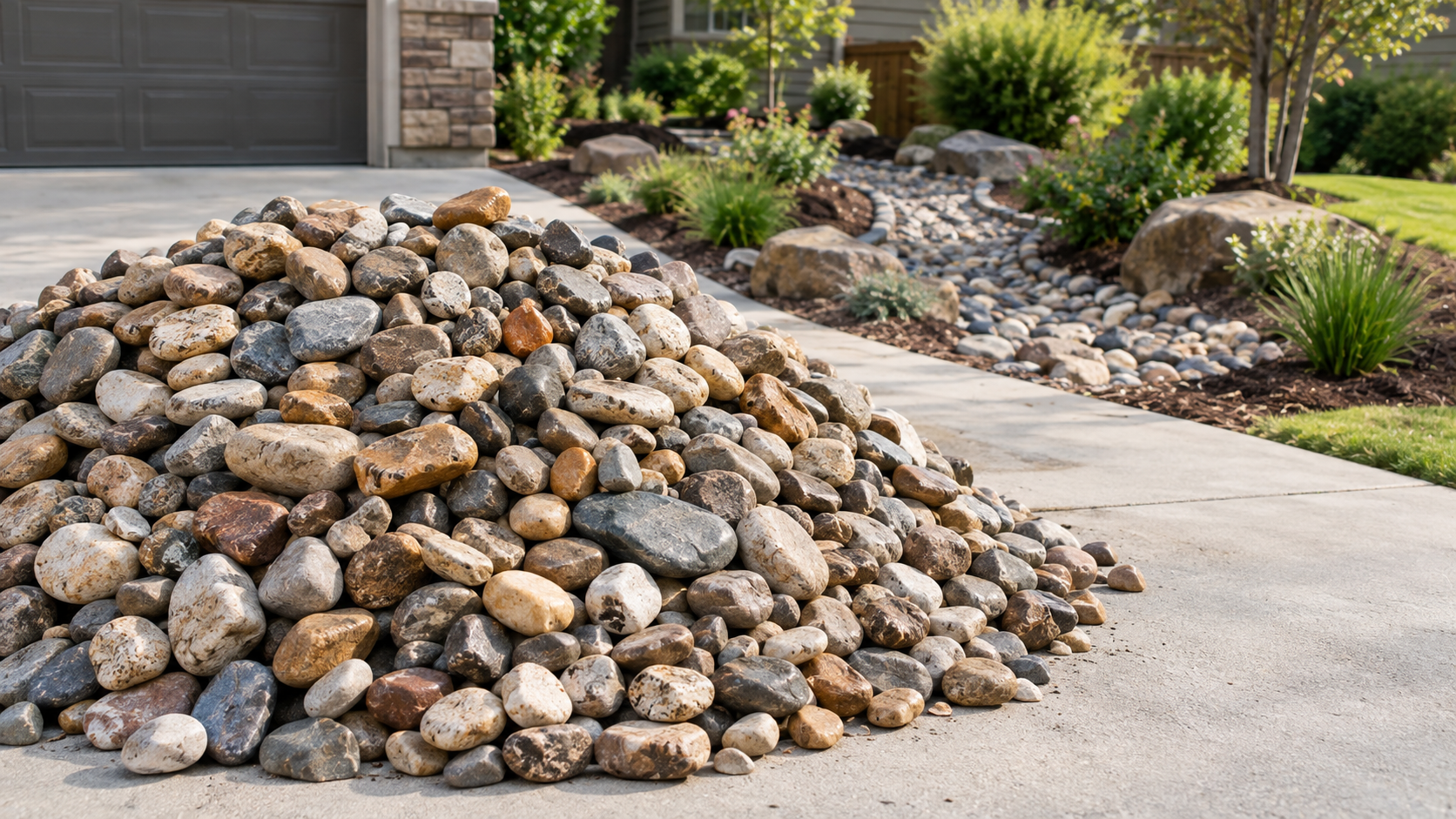
When evaluating basalt against other volcanic rocks, andesite offers similar durability but proves more difficult to quarry and shape. Rhyolite, while aesthetically appealing, typically shows lower strength and higher porosity, making it less suitable for primary structural foundations though useful for certain aggregate applications. For comparison, granite can also be used for bridge foundations and offers comparable strength characteristics.

Comparison chart of basalt vs other volcanic rocks engineering properties

Key geotechnical considerations for basalt bridge foundations

Successful basalt foundations require thorough site investigation beyond standard soil testing. You’ll need to evaluate rock mass quality, including joint spacing, orientation, and any infill materials that could compromise bearing capacity.

Groundwater presents particular challenges with basalt foundations. While the rock itself resists weathering, water flow through joints can cause gradual erosion or create hydrostatic pressures that affect stability. Your geotechnical engineer should assess seasonal water level variations and drainage requirements. Similar considerations apply when using basalt in erosion control structures, where water management is equally critical.

The degree of weathering significantly impacts basalt’s suitability. Fresh, unweathered basalt provides excellent bearing capacity, but highly fractured or chemically altered rock may require additional stabilization measures like rock anchors or grouting before foundation construction.

Critical consideration: Basalt’s hardness that makes it durable also complicates excavation and shaping, potentially requiring specialized equipment and affecting project timelines and costs.

Designing your small bridge foundation on basalt

Foundation design on basalt typically involves spread footings or pad foundations that distribute loads across the rock surface. The key lies in proper surface preparation, removing loose material and creating level bearing surfaces that maximize contact area.

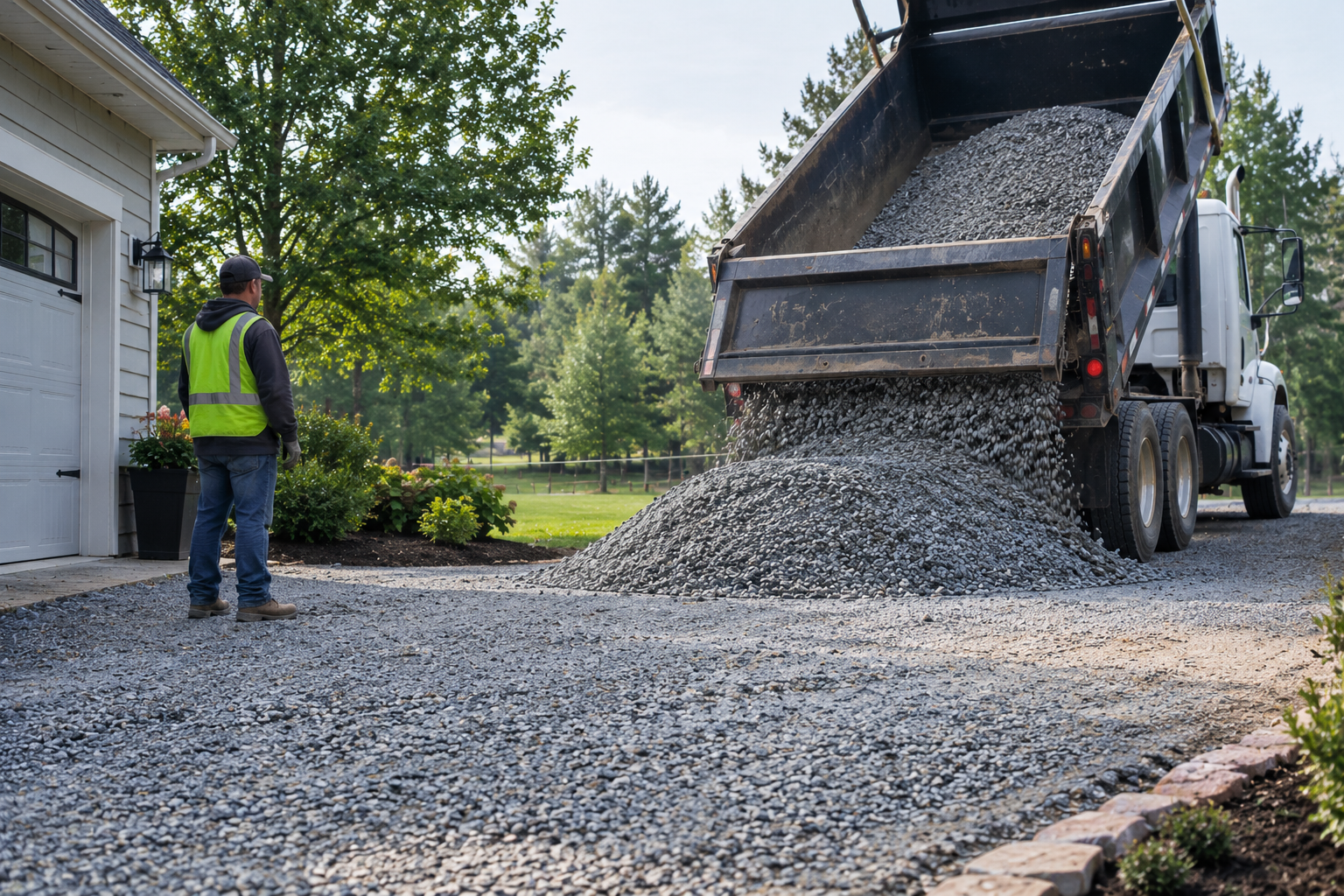
Construction techniques differ significantly from soil foundations. You’ll need to clean joint surfaces thoroughly, remove any loose debris, and potentially fill larger joints with concrete or grout. Compaction testing becomes critical when using crushed basalt as backfill around foundation elements. If you’re considering alternative materials, gravel can also be used for small bridge foundations in certain applications.

Quality control during construction focuses on rock hardness verification, fracture pattern assessment, and proper compaction of any aggregate materials. Your inspection protocol should include visual examination of bearing surfaces and testing of any crushed basalt used in the foundation system.

The construction sequence typically follows site investigation, rock surface preparation, foundation element placement, and systematic backfilling with properly graded materials.

Using crushed basalt in bridge approaches and backfill

Beyond solid rock foundations, crushed basalt serves multiple functions in bridge construction. Bridge approaches benefit from basalt aggregate’s excellent drainage properties and resistance to freeze-thaw cycles that can destabilize conventional materials.

Abutment backfill represents another key application where basalt’s properties shine. The material’s angular shape provides good interlocking, while its durability ensures long-term stability without settlement issues common with softer aggregates. For those exploring alternative materials, crushed stone is also effective for parking areas and similar applications.

Cross-section of small bridge showing basalt foundation and aggregate applications

Lightweight volcanic aggregates, including vesicular basalt, offer additional advantages for embankment construction. These materials reduce lateral loads on abutments while maintaining structural integrity, particularly valuable in areas with challenging soil conditions. Volcanic rock can also be used for retaining wall bases, demonstrating its versatility in structural applications.

When specifying crushed basalt for these applications, gradation becomes critical. Well-graded material provides better compaction and stability than uniformly sized aggregate, though specific requirements depend on your particular application and local engineering standards.

Application Basalt Advantage Key Specification
Bridge approaches Excellent drainage, freeze-thaw resistance Well-graded, 6-inch maximum size
Abutment backfill Angular shape, long-term stability Compaction to 95% standard Proctor
Foundation bearing High strength, weathering resistance Clean, level surface preparation

Advantages and limitations you should know

Basalt foundations offer compelling benefits for the right applications. Durability stands out as the primary advantage, with properly constructed basalt foundations lasting decades with minimal maintenance. The material’s resistance to chemical weathering exceeds most alternatives, particularly important in aggressive environments.

Cost considerations favor basalt where locally available. Transportation typically represents the largest expense component, making regional availability crucial for project economics. Environmental impact remains relatively low compared to concrete production, especially when sourced locally.

However, limitations require careful consideration. Basalt’s hardness that provides durability also complicates modification and shaping. You may need specialized cutting equipment and additional time for surface preparation compared to softer materials. For projects requiring easier workability, limestone can be used for shed foundations and other structural applications with less demanding excavation requirements.

Planning tip: Factor in potential equipment rental costs and extended excavation time when budgeting basalt foundation projects, as standard construction equipment may prove inadequate for proper rock preparation.

Quality variability presents another challenge. Rock mass characteristics can change significantly across a site, requiring thorough investigation and potentially different foundation approaches for different areas of the same project.

The need for skilled installation cannot be overstated. Proper basalt foundation construction requires experience with rock work, appropriate equipment, and understanding of geological conditions that affect performance.

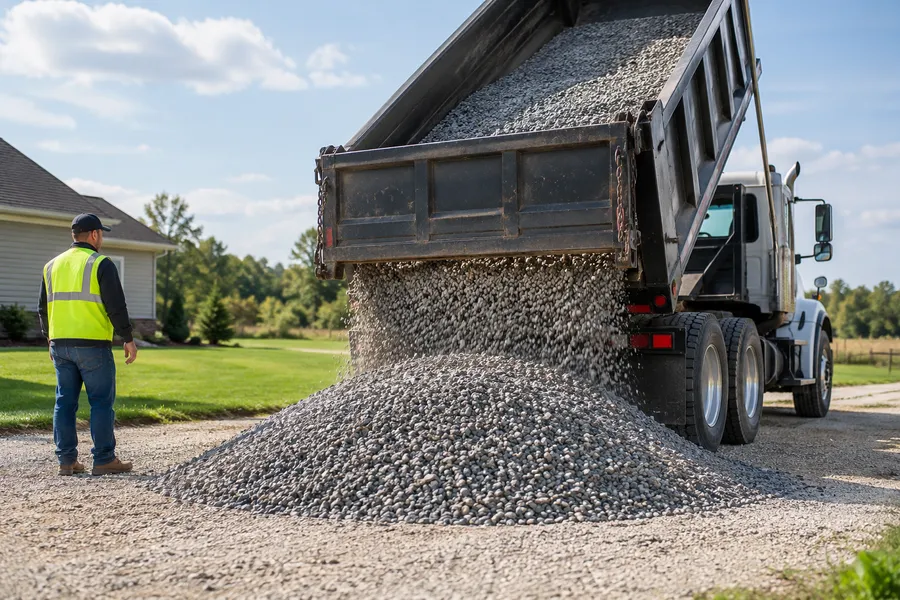
When you’re ready to move forward with basalt for your bridge foundation project, Hello Gravel provides nationwide delivery of high-quality crushed basalt and volcanic aggregates. Our materials meet engineering specifications for bridge construction, with consistent gradation and testing documentation to support your project requirements.

Successful basalt foundation projects start with proper planning, thorough site investigation, and quality materials from reliable suppliers. With the right approach, basalt can provide a durable, cost-effective foundation solution that serves your small bridge project for decades to come.

Frequently Asked Questions About Basalt Bridge Foundations

Can you build a small bridge directly on basalt rock?

Yes, many small bridges can be founded directly on basalt rock using spread footings or pad foundations, provided the rock is sound, adequately thick, and properly evaluated by a geotechnical engineer. Basalt foundations offer high bearing capacity and minimal settlement compared to soil foundations when the rock mass quality is confirmed through proper site investigation.

What are the main advantages of using basalt for bridge foundations?

Basalt offers exceptional compressive strength (15,000-40,000 psi), excellent weathering resistance, and superior durability for bridge foundations. The material’s hardness rating of 6-7 on the Mohs scale provides outstanding abrasion resistance, while its dense structure resists freeze-thaw cycles and chemical weathering better than most alternatives, ensuring long-term foundation stability.

Do I need a geotechnical investigation even if basalt is exposed at my site?

Yes, a thorough geotechnical investigation is essential even when basalt is visible at the surface. Engineers must evaluate rock mass quality, joint spacing, weathering patterns, groundwater conditions, and bearing capacity at foundation depth. Surface exposure doesn’t guarantee the rock quality needed for safe bridge foundation design.

Can crushed basalt be used in other parts of bridge construction?

Absolutely. Crushed basalt serves multiple functions including bridge approach construction, abutment backfill, drainage layers, and leveling pads under footings. Its angular shape provides excellent interlocking and compaction characteristics, while its durability ensures long-term stability without settlement issues common with softer aggregates.

Author: igor