Pumice Gravel for Driveways: Complete Guide to Pros, Cons, Costs and Installation
Published on: December 12, 2025
Get an estimate for your project in 60 seconds
 Your information is secure
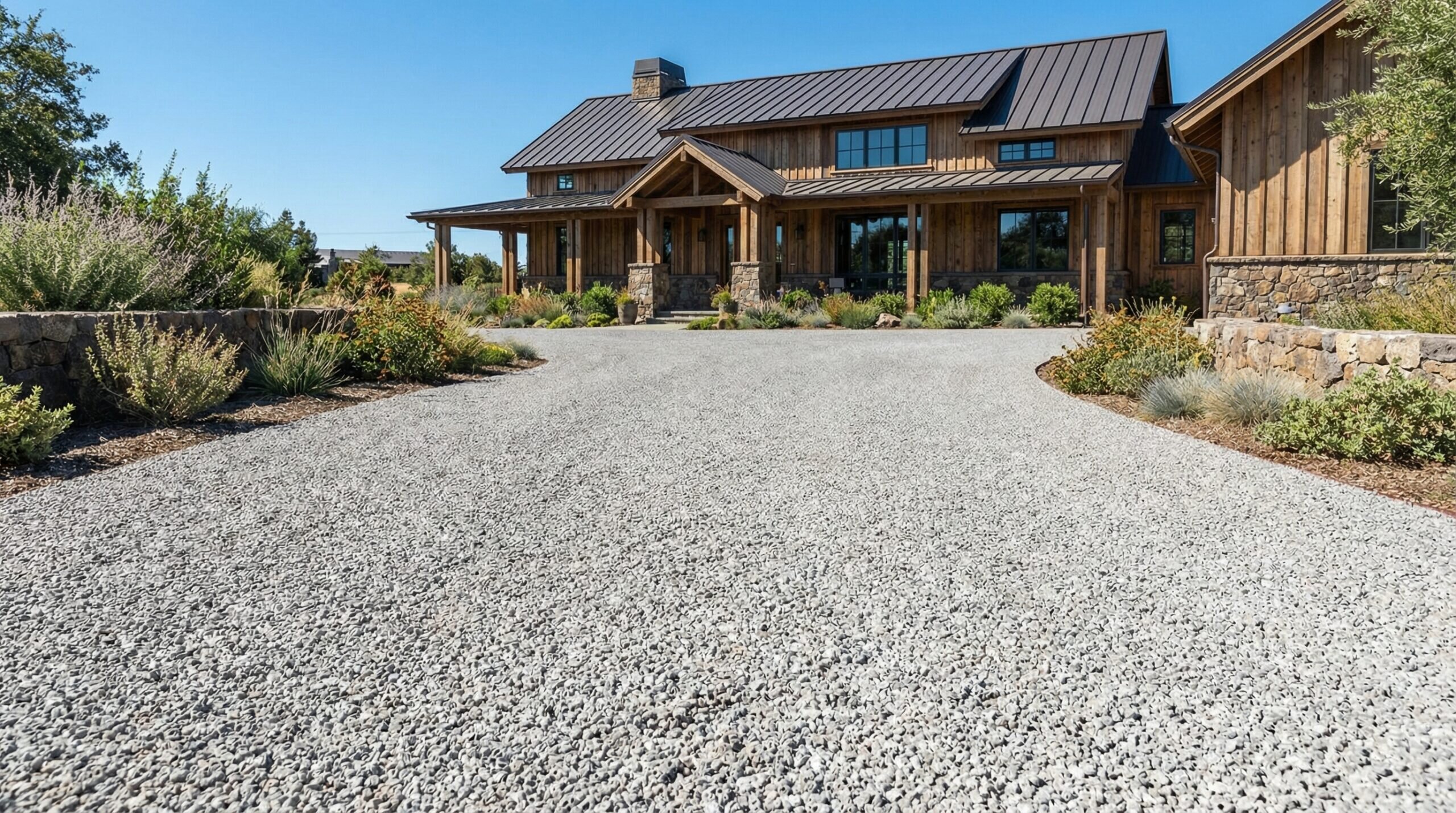
Yes, pumice gravel can absolutely be used for driveways, especially if you need excellent drainage and a lightweight material. This volcanic stone gravel offers unique benefits like superior water permeability and reduced weight compared to traditional crushed stone, making it ideal for areas with drainage challenges or softer subgrades.
Pumice stone gravel forms when gas-filled volcanic lava cools rapidly, creating a porous, lightweight rock that’s surprisingly durable. While it works well for many driveway applications, it’s not suitable for every situation. Heavy commercial traffic or areas requiring maximum load-bearing capacity might need different materials.
Quick Fact: Pumice gravel weighs about 40-50% less than standard crushed stone while maintaining good structural integrity for residential driveways.
This guide covers everything you need to know about using pumice gravel for your driveway, from costs and installation to when it’s the right choice and when you should consider alternatives.
What makes pumice gravel different from standard driveway materials
Pumice gravel starts as volcanic lava filled with gas bubbles. When this lava cools quickly, those gas pockets create a naturally porous, lightweight stone that’s perfect for drainage applications. Unlike dense materials like crushed granite or limestone, pumice allows water to flow through rather than pooling on the surface.
The key difference lies in its structure. Traditional driveway gravels are solid, dense rocks that rely on proper grading and compaction to shed water. Pumice gravel’s porous nature means water passes right through the material itself, making it naturally permeable.
This volcanic origin also gives pumice gravel its distinctive light gray to white color, which can brighten your driveway compared to darker traditional aggregates. Similar to volcanic rock used for driveway paving, the material typically comes in sizes ranging from fine chips to larger stones, similar to conventional gravel options.

Advantages and limitations of pumice for driveways
Pumice gravel offers several compelling benefits for driveway applications. The most significant advantage is drainage performance. If your property struggles with standing water or you live in an area with heavy rainfall, pumice gravel can dramatically improve water management around your home.
The lightweight nature makes installation easier and can reduce costs if you’re paying for delivery by weight. It’s also gentler on underlying soils, making it suitable for areas where heavy materials might cause settling issues. For those interested in other lightweight volcanic options, basalt can also be used for driveway paving with similar benefits.
However, pumice gravel has limitations you should consider. It’s not as hard as crushed stone, so it may not handle extremely heavy vehicles like large delivery trucks or RVs as well as traditional materials. The porous structure also means it can shift more easily under certain conditions, potentially requiring more frequent maintenance.
Important Consideration: While pumice gravel handles regular passenger vehicles well, consider your specific traffic needs before choosing this material for high-load applications.
The cost can also be higher than standard gravel in some regions, particularly if you’re far from volcanic areas where pumice is naturally sourced.
How pumice gravel compares to other driveway options
When comparing driveway materials, pumice gravel sits in a unique position between traditional loose aggregates and solid paving options. Here’s how it stacks up:
| Material | Cost Range | Drainage | Load Capacity | Maintenance |
|---|---|---|---|---|
| Pumice Gravel | Moderate-High | Excellent | Good | Moderate |
| Crushed Stone | Low-Moderate | Fair | Excellent | Low |
| Asphalt | Moderate | Poor | Excellent | Moderate |
| Concrete | High | Poor | Excellent | Low |
Against crushed stone, pumice gravel wins on drainage but loses on pure load-bearing capacity and cost. For heavy-duty applications, crushed stone for parking areas may be a more suitable choice. Compared to asphalt or concrete, pumice offers better drainage and easier repairs but requires more ongoing maintenance.
The best use cases for pumice gravel include properties with drainage challenges, environmentally conscious homeowners wanting permeable surfaces, and situations where the subgrade can’t support heavier materials without extensive preparation.
Installation process and cost considerations
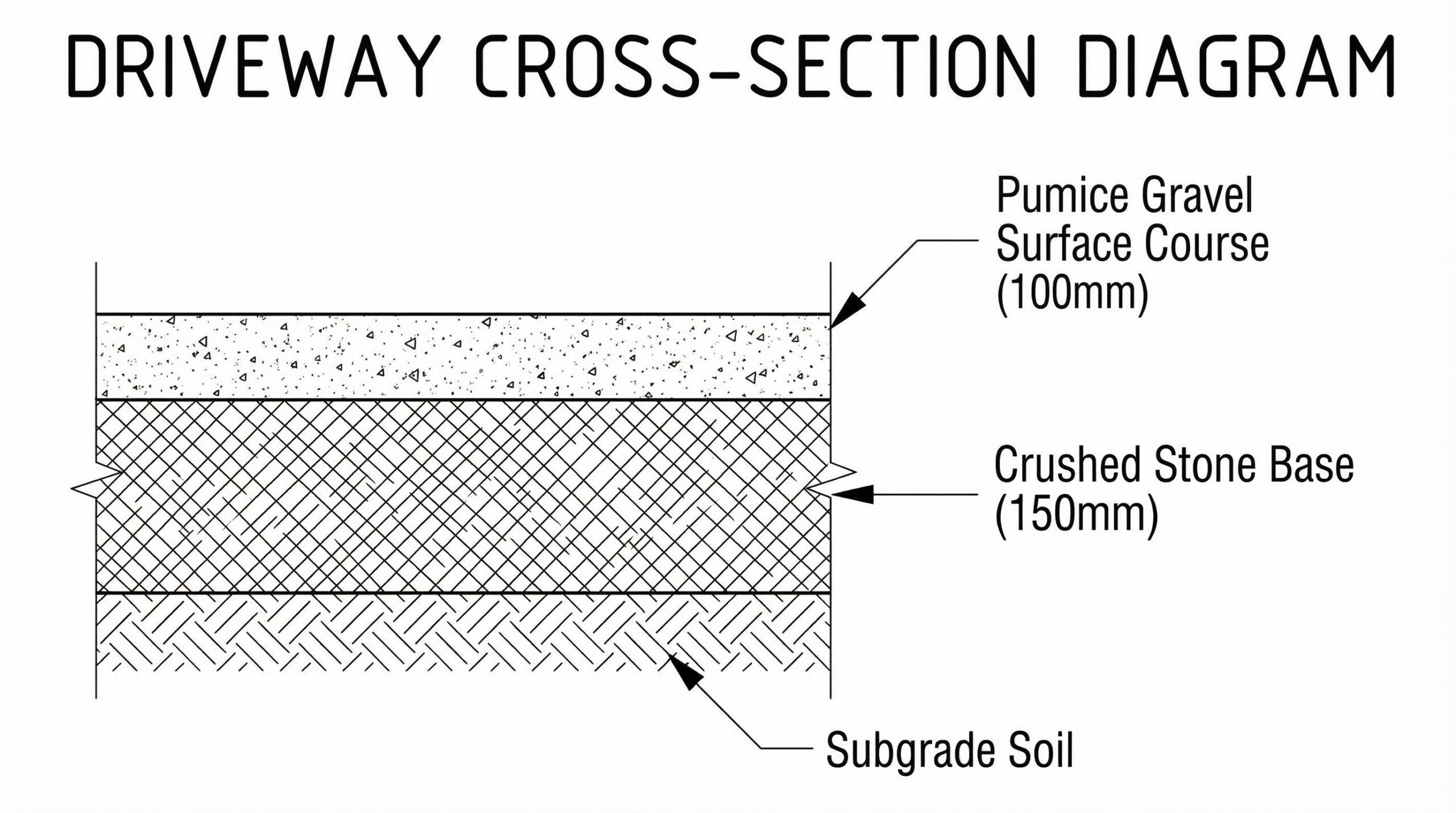
Installing a pumice gravel driveway follows similar principles to other aggregate driveways but with some specific considerations. You’ll need proper subgrade preparation, typically involving excavation to 8-12 inches depth depending on your soil conditions and expected traffic.
The base layer remains crucial even with pumice gravel. A 4-6 inch compacted base of crushed stone provides stability, with 2-4 inches of pumice gravel on top. The porous nature of pumice means you can often use a thinner top layer than with traditional gravel while still achieving good coverage.
Professional installation typically costs 15-25% more than standard gravel driveways due to material costs and specialized handling requirements. DIY installation is possible if you have experience with gravel driveways, but proper base preparation remains critical for long-term performance. If you’re considering other materials, quarry process for driveway paving offers an alternative approach.
Pro Tip: Budget for slightly more material than calculated, as pumice gravel may require occasional top-ups due to its lighter weight and potential for shifting.
Maintenance involves periodic raking to redistribute material, especially after heavy rains or snow removal. You may need to add fresh material every 2-3 years depending on traffic and weather conditions.
When to choose pumice gravel and when to avoid it
Pumice gravel works best for residential driveways with moderate traffic, properties with drainage issues, and environmentally sensitive areas where permeable surfaces are preferred. It’s particularly valuable on slopes where water runoff is a concern or in areas with clay soils that don’t drain well naturally. Beyond driveways, pumice can be used for walkway foundations and other landscaping applications.
Consider other materials if you regularly have heavy delivery trucks, operate commercial vehicles from your property, or need the lowest possible maintenance option. Traditional crushed stone or paved surfaces might serve you better in these situations.
Climate also plays a role. In areas with frequent freeze-thaw cycles, the lighter weight of pumice gravel can lead to more movement and potential unevenness compared to denser materials.
Ready to explore pumice gravel for your driveway project? Hello Gravel provides high-quality pumice stone gravel with nationwide delivery and expert guidance to help you determine if this unique material fits your specific needs. Get an instant quote online and discover how pumice gravel can solve your driveway drainage challenges while creating an attractive, functional surface for your home.
Frequently Asked Questions About Pumice Gravel Driveways
Is pumice gravel strong enough for regular vehicle traffic?
Will pumice gravel wash away in heavy rain?
How much does pumice gravel cost compared to regular driveway gravel?
How do you maintain a pumice gravel driveway?
Author: igor