Can You Use Pumice in Raised Garden Beds? Benefits, Soil Mixes & How-To Guide
Published on: December 12, 2025
Get an estimate for your project in 60 seconds

Struggling with waterlogged soil, poor drainage, or constantly wilted plants in your raised garden beds? You’re not alone. Many gardeners face these frustrating challenges, especially when dealing with heavy clay soil or inconsistent watering schedules.
Yes, pumice is an excellent soil amendment for raised garden beds. This lightweight volcanic rock improves drainage, enhances aeration, and provides long-lasting water retention benefits that can transform your gardening experience. Unlike organic amendments that break down over time, pumice maintains its structure for years, making it a sustainable investment in your garden’s health.
Quick Answer: Add 10-20% pumice by volume to your raised bed soil mix for improved drainage and aeration. For clay-heavy soils, increase to 20-30% for optimal results.
This guide will walk you through everything you need to know about using pumice in raised garden beds, from understanding its unique properties to creating the perfect soil mix for your specific plants.
What makes pumice perfect for raised garden beds
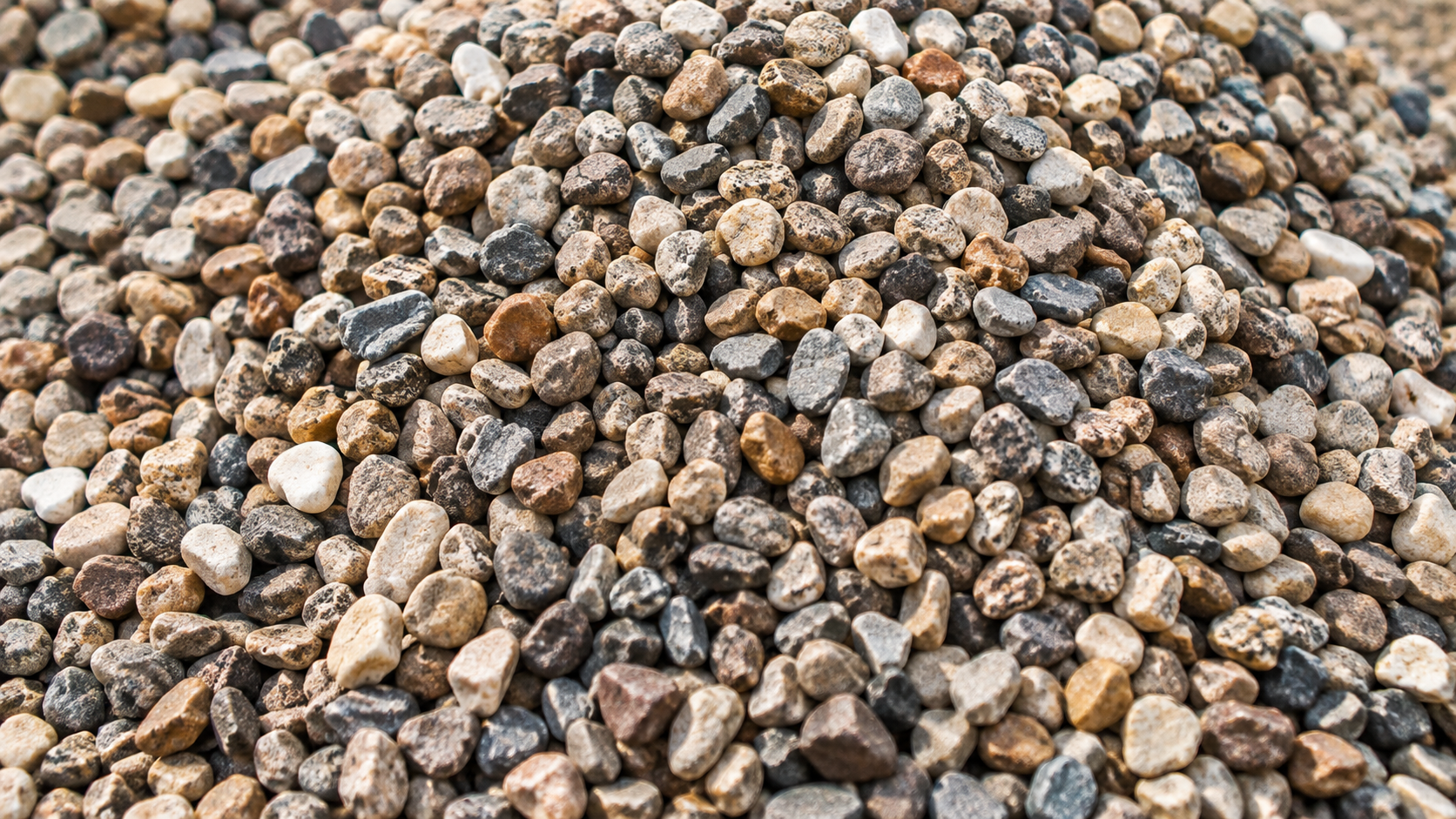
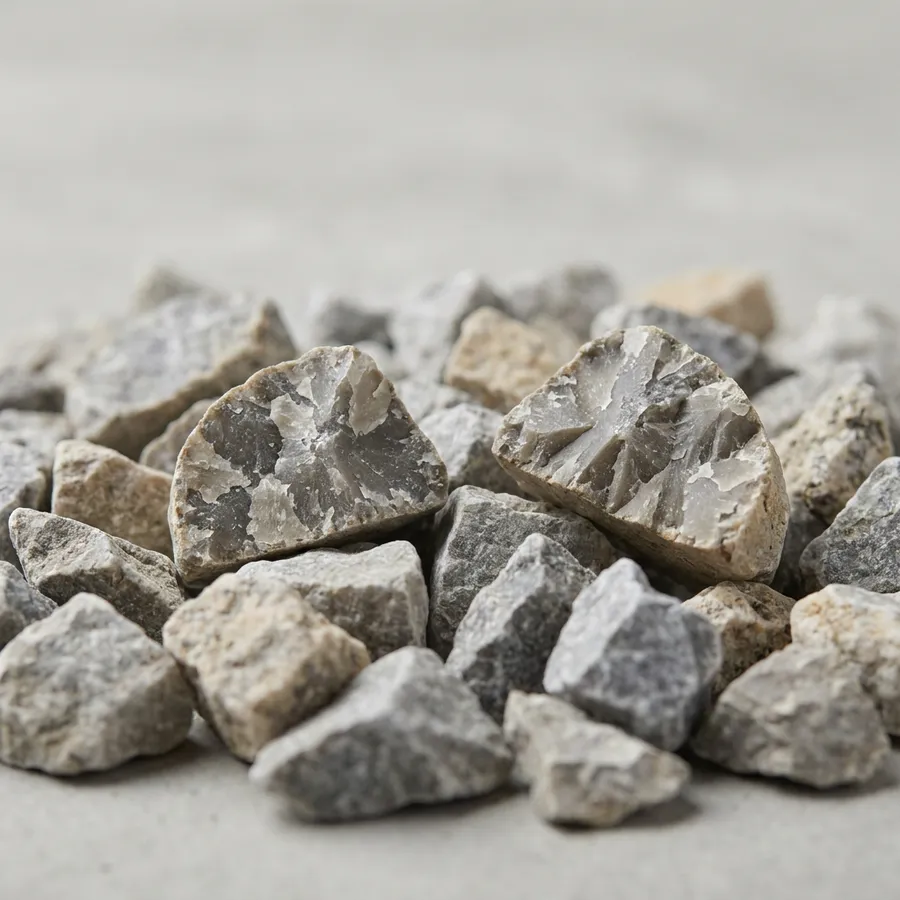
Pumice forms when gas-rich volcanic lava cools rapidly, creating a lightweight rock filled with microscopic air pockets. These tiny pores are what make pumice so valuable for gardening applications. Similar to how volcanic rock enhances raised garden beds, pumice provides exceptional structural benefits.
The key properties that benefit your raised beds include excellent aeration capabilities that prevent soil compaction and support healthy root respiration. The porous structure creates natural drainage channels while simultaneously holding moisture in its air pockets, releasing water slowly to plant roots when needed.
Unlike organic materials that decompose, pumice maintains its structure indefinitely. This means the benefits you gain from adding pumice to your soil will last for years without needing replacement or replenishment.

How pumice transforms your garden soil
Better drainage prevents root problems. Pumice particles create spaces between soil particles, allowing excess water to drain away quickly. This is especially valuable during heavy rains or if you tend to overwater your plants. Root rot, a common killer of garden plants, becomes much less likely in well-draining pumice-amended soil.
Improved aeration means healthier roots. Plant roots need oxygen to function properly, and compacted soil suffocates them. Pumice keeps soil loose and friable, allowing air to circulate freely through the root zone. You’ll notice stronger, more extensive root systems in pumice-amended beds.
Moisture retention reduces watering frequency. While pumice improves drainage, it also acts like a sponge, absorbing water during irrigation and releasing it slowly as plants need it. Many gardeners report reducing their watering frequency by up to one-third after adding pumice to their soil mix. For gardeners looking at alternative materials, decomposed granite for raised garden beds offers similar water management benefits.
The long-term benefits are equally impressive. Since pumice doesn’t break down like compost or bark chips, your soil structure remains stable year after year. This sustainability factor makes pumice more cost-effective than organic amendments that require regular replacement.
Pro Tip: Pumice naturally contains trace minerals like calcium, magnesium, and iron that slowly release into your soil, providing additional nutrition for your plants.
Getting the ratios right for your soil type
The amount of pumice you should add depends on your existing soil conditions and the plants you’re growing. For general vegetable gardening, start with 10-20% pumice by volume mixed into your soil blend.
If you’re dealing with heavy clay soil that drains poorly, increase the pumice ratio to 20-30%. Sandy soils that drain too quickly benefit from 10-15% pumice, which helps retain moisture without creating drainage problems. Gardeners working with other materials might also consider pea gravel for raised garden beds for different drainage characteristics.
For a standard 4×8 foot raised bed that’s 12 inches deep, you’ll need approximately 32 cubic feet of total soil mix. At a 20% pumice ratio, that means about 6-7 cubic feet of pumice. This calculation helps you estimate material needs before starting your project.
| Soil Type | Pumice Percentage | Benefits |
|---|---|---|
| Clay/Heavy | 20-30% | Maximum drainage improvement |
| Loam/Balanced | 15-20% | Enhanced structure and aeration |
| Sandy | 10-15% | Better moisture retention |
Step-by-step pumice application process
Start by preparing your raised bed area and removing any weeds or debris. If you’re building on clay soil, loosen the native soil at the bottom of the bed to help with overall drainage integration.
Create your soil blend by mixing garden soil or quality topsoil with compost and pumice. A proven recipe is 50-60% soil, 20-30% compost, and 10-30% pumice, depending on your drainage needs. Mix thoroughly to ensure even distribution rather than creating layers.
Fill your raised bed with this mixture, leaving about an inch of space at the top. Water the bed lightly to help everything settle, then add more soil mix if needed to reach your desired level.
After planting, apply a thin layer of pumice on the soil surface as a natural mulch. This top-dressing helps reduce evaporation, moderate soil temperature, and prevents surface crusting after heavy rains. If you’re interested in decorative options, check out using pumice for decorative garden borders.

Monitor your watering habits during the first few weeks. Pumice-amended soil may appear dry on the surface while retaining moisture deeper in the root zone. Check soil moisture with your finger before watering to avoid overwatering.
Choosing the right pumice and avoiding common mistakes
Look for horticultural-grade pumice with particle sizes between 1/8 and 3/8 inch for most raised bed applications. This size range provides the best balance of drainage and water retention for vegetable gardens and herbs.
Avoid using too little pumice, as small amounts won’t noticeably improve soil structure. Conversely, excessive amounts can reduce the organic matter content your plants need for nutrition. Stick to the recommended percentages as your starting point.
Don’t create separate layers of pumice and soil, as this can actually slow drainage at the interface between materials. Instead, mix pumice throughout your soil profile for consistent benefits. Those considering other materials might also explore river rock for raised garden beds for alternative approaches.
Remember that pumice-amended soil may drain faster initially, so adjust your watering schedule accordingly. Check moisture levels regularly during the first growing season to establish new watering patterns.
When sourcing pumice, choose suppliers who specialize in horticultural products rather than construction materials. Quality horticultural pumice is washed, sized consistently, and free from dust that could clog soil pores.
Hello Gravel offers premium horticultural pumice specifically graded for garden applications. Their bulk delivery options make it convenient to get the quantities needed for larger raised bed projects, and their quality control ensures you receive consistent, garden-ready material.
Using pumice in your raised garden beds creates a foundation for healthier plants, better yields, and less maintenance over time. The initial investment pays dividends through improved plant performance and reduced watering needs, while the long-lasting nature of pumice means you’ll enjoy these benefits for many growing seasons to come.
FAQ
How much pumice should I add to my raised bed soil?
Can I grow vegetables in pumice-amended soil?
Does pumice change soil pH in raised beds?
How long does pumice last in raised bed soil?
Author: igor