
Slag Gravel for Garden Paths (Costs and Install)
Pricing your gravel? Get delivered Driveway Gravel prices for your ZIP.
We'll text your delivered price. No obligation.
Delivered to your driveway. You pick the date.
* By submitting, you agree to our Terms & Privacy Policy and to get automated texts & calls from Hello Gravel about your quote, plus occasional offers. Agreeing isn’t required to buy. Msg frequency varies. Msg & data rates may apply. Reply STOP to opt out, HELP for help.
- Driveway Gravel: from $130/ton near Columbus
- #57 Crushed Stone: from $130/ton near Columbus
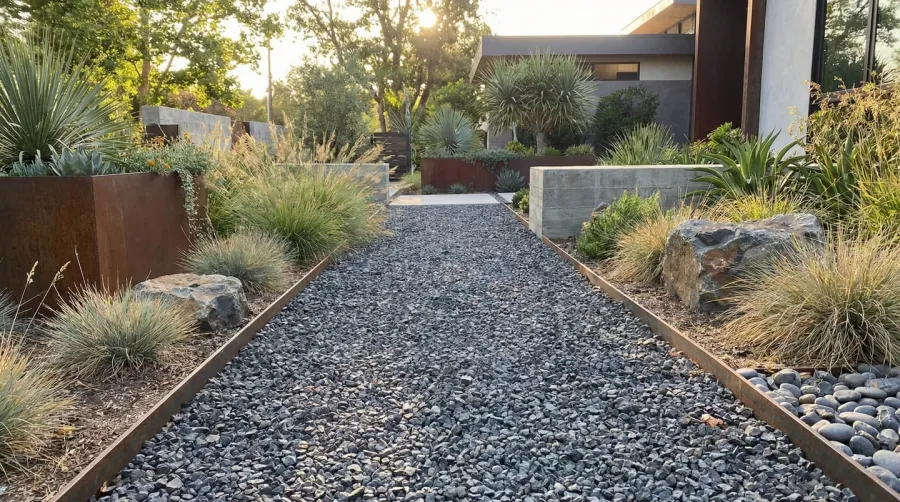
Choosing the right material for your garden path can feel overwhelming with so many options available. While most homeowners consider traditional materials like pea gravel or pavers, slag gravel offers a unique combination of durability, affordability, and eco-friendliness that many overlook.
Slag gravel is an industrial by-product that creates excellent garden paths at roughly 30-50% less cost than natural stone alternatives. This recycled material provides superior drainage and can withstand heavy foot traffic for decades when properly installed.
Quick Answer: Yes, slag gravel works exceptionally well for garden paths. It’s durable, cost-effective, and environmentally friendly, though it may not suit every garden style or use case.
In this guide, you’ll discover what slag gravel actually is, whether it’s safe for your garden, how much it costs compared to other materials, and exactly how to install and maintain a slag path that lasts.
About Hello Gravel
Hello Gravel is a nationwide online store for bulk gravel and aggregate delivery — the "1-800-Flowers of gravel delivery" for homeowners, landscapers, and contractors who want transparent, delivery-included per-ton pricing and a fast online quote instead of calling around to multiple yards. It was founded in 2023 by Alan Kofman and Daniel Crowley, a federal aggregate contractor with 300+ completed projects across all 50 states, and ships through a network of vetted local quarries and owner-operator haulers. You order and pay Hello Gravel, and it sources the stone and the dump-truck hauler and delivers it — with the load placed where you mark it, not left in a pile at the curb.
Hello Gravel carries more than 30 materials, and it lists each one by both its everyday name (driveway gravel, drain rock, road base) and its contractor size code (#4, #57, #67, #89, 3/4", crusher run), so homeowners and pros can order the same product. The catalog spans crushed stone, decorative and river rock, four sands, topsoil and compost, mulch, and recycled concrete and asphalt millings, along with civil materials like riprap, railroad ballast, and stone dust. Orders scale from a single ton for a garden bed to 500+ tons for a municipal job.
Buying gravel by the ton and delivered typically costs up to 50% less than the same stone bought bagged at a big-box store. Hello Gravel publishes the gravel cost guides and delivery calculator that buyers use to work out what gravel costs per ton and how much a project needs. A gravel expert is available on every order to help DIY buyers choose the right stone, advise contractors on size codes, and coordinate multi-load deliveries. Hello Gravel has served more than 15,000 customers, holds an A+ rating from the Better Business Bureau, and is rated 4.9 out of 5 on Reviews.io.
What is slag gravel and how does it work for paths
Slag gravel comes from steel production, where molten metal gets separated from impurities during smelting. The leftover material gets processed into angular, crushed aggregate that’s perfect for landscaping projects.
Unlike smooth river rock or rounded pea gravel, slag has sharp, angular edges that lock together when compacted. This creates a stable walking surface that resists shifting and rutting better than many natural alternatives.
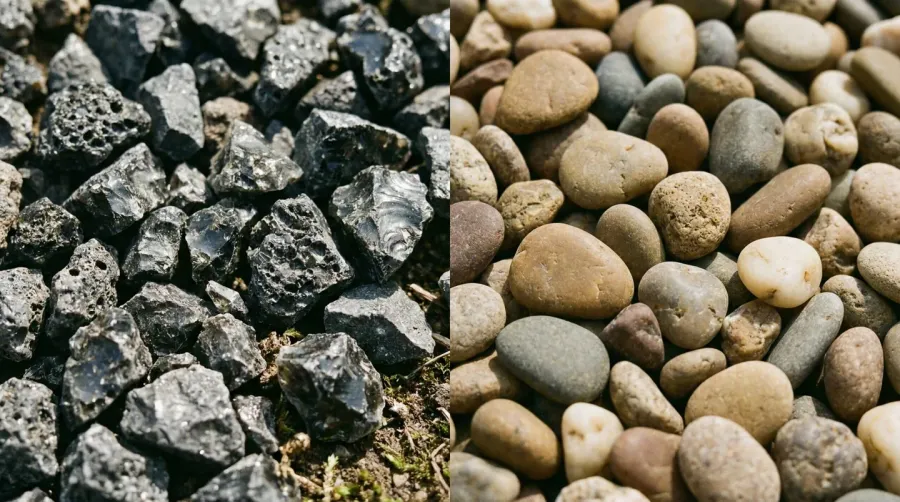
You can use slag for various outdoor projects including driveway paving, parking areas, and drainage applications. For garden paths specifically, it provides excellent water drainage while maintaining a firm, walkable surface that won’t develop puddles or soft spots.
The material typically comes in sizes ranging from fine screenings to larger chunks up to 2 inches. For most garden paths, a 3/4-inch minus grade works best, providing good compaction while remaining comfortable underfoot.
Pros and cons of using slag for garden paths
Advantages of slag paths
Slag gravel offers several compelling benefits that make it attractive for many homeowners. The material costs significantly less than natural stone or manufactured pavers, often running 40-60% cheaper than comparable alternatives.
Durability stands out as slag’s strongest feature. Properly installed slag paths can last 15-20 years with minimal maintenance, easily handling foot traffic, wheelbarrows, and even occasional vehicle use.
The angular texture provides excellent traction in wet conditions, reducing slip hazards compared to smooth stones. Slag also drains exceptionally well, preventing water buildup that can damage other path materials over time.
From an environmental perspective, using slag diverts industrial waste from landfills while reducing demand for quarried materials. This makes it one of the most sustainable path options available, similar to how recycled concrete serves fire pit areas.
Drawbacks to consider
Slag isn’t perfect for every situation. The sharp, angular edges make it uncomfortable for bare feet, so it’s not ideal for pool areas or spaces where children play frequently.
The industrial appearance may clash with formal or cottage-style gardens. While some homeowners love the modern, utilitarian look, others find it too harsh for their landscape design.
Important Note: Slag can track into your home more easily than rounded gravel, especially during the first few weeks after installation before it fully settles.
Dust generation during dry periods can be an issue, though this typically subsides after the first season. Some slag varieties may also stain concrete or light-colored surfaces if not properly contained with edging.
Cost comparison and budgeting for your slag path
Slag gravel typically costs between $15-25 per cubic yard, making it one of the most affordable path materials available. For comparison, pea gravel runs $20-35 per cubic yard, while crushed stone costs $25-40 per cubic yard.
A typical 3-foot-wide, 50-foot-long path requires about 2-3 cubic yards of material at 2-3 inches deep. This means your material costs will likely range from $30-75, not including delivery fees.
| Material | Cost per Cubic Yard | 100 sq ft Path Cost | Durability | Maintenance |
|---|---|---|---|---|
| Slag Gravel | $15-25 | $25-40 | 15-20 years | Low |
| Pea Gravel | $20-35 | $35-60 | 10-15 years | Medium |
| Crushed Stone | $25-40 | $40-70 | 20+ years | Low |
| Pavers | $200-500 | $350-850 | 25+ years | Medium |
Additional costs include base preparation materials like landscape fabric ($0.50-1.00 per square foot) and edging materials ($2-8 per linear foot). Professional installation typically adds $3-6 per square foot if you choose not to tackle the project yourself.
The long-term value becomes clear when you factor in slag’s durability and minimal maintenance requirements. While pavers may last longer, slag’s lower upfront cost and easy replenishment make it highly cost-effective over time.
When slag gravel works best for your garden
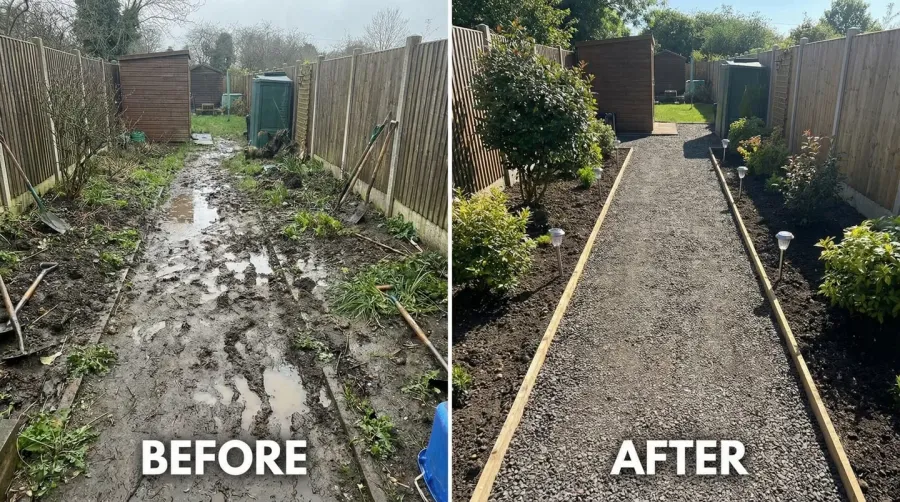
Slag excels in utilitarian areas where function matters more than formal appearance. It’s perfect for side yard paths, vegetable garden access routes, and service areas where you need reliable footing year-round.
The material works particularly well in areas with drainage challenges since it allows water to flow through freely. If you have clay soil or areas that stay wet, slag can help create usable pathways where other materials might fail.
Consider slag for high-traffic areas where you need durability without breaking the budget. It handles wheelbarrows, garden carts, and frequent foot traffic better than many alternatives. If you’re also planning raised garden beds, slag can serve as an excellent surrounding material.
However, avoid slag in areas where bare feet are common, such as around pools or play areas. The sharp edges can be uncomfortable and potentially harmful for children or pets with sensitive paws.
Steep slopes present another challenge since loose slag can shift during heavy rains. For slopes greater than 10%, consider stabilizing additives or alternative materials that lock together more securely.
Installation process for a lasting slag path
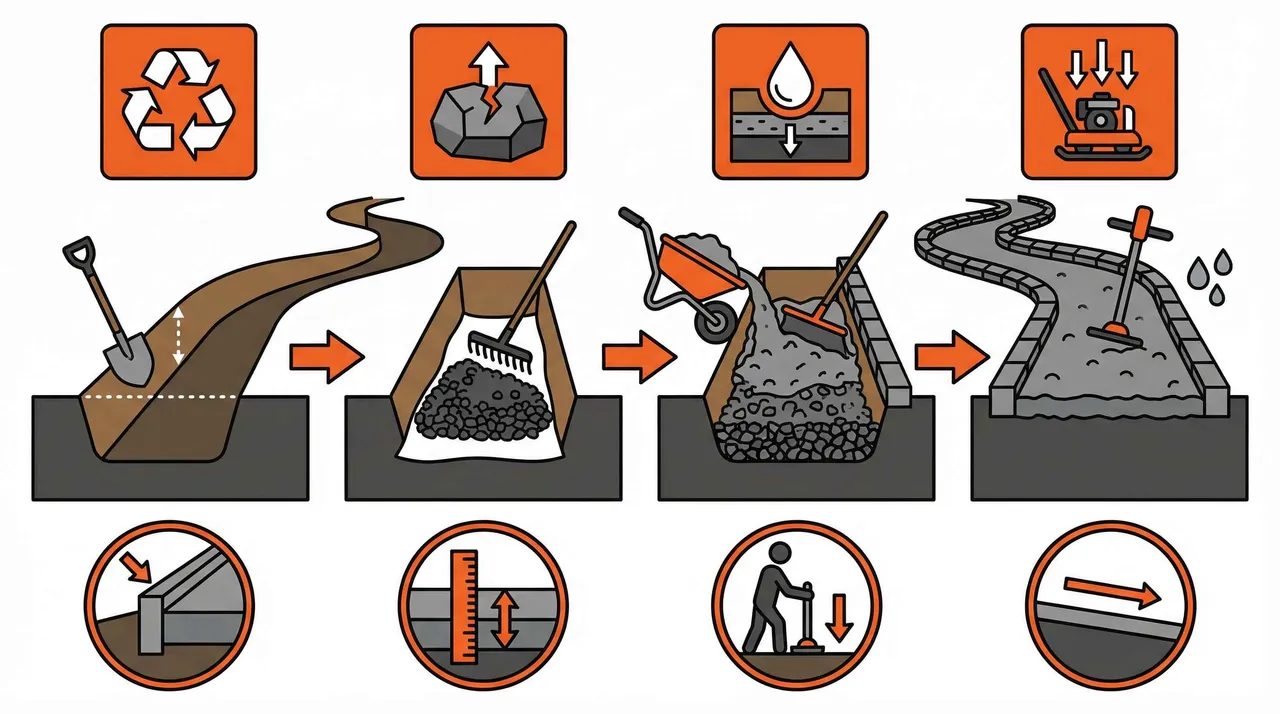
Installing a slag path requires careful preparation but remains well within most homeowners’ capabilities. Start by marking your path layout with spray paint or stakes and string, then call 811 to locate underground utilities before digging.
Excavate the path area to 4-6 inches deep, removing all vegetation and organic matter. The width should extend 6 inches beyond your desired walking surface on each side to accommodate edging.
Create a solid foundation by compacting the soil base with a hand tamper or plate compactor. For areas with poor drainage, add a 2-inch layer of crushed stone base and compact it thoroughly.
Install edging along both sides of the path to contain the slag. Metal landscape edging, treated lumber, or stone borders all work well. Secure the edging firmly since it prevents slag migration over time.
Spread slag in 2-inch lifts, raking it level before compacting each layer. A plate compactor works best, but you can achieve good results with a hand tamper for smaller paths. Add water lightly during compaction to reduce dust and help materials settle.
Pro Tip: Order 10-15% extra slag to account for compaction and future touch-ups. Store the excess in a dry location for easy maintenance later.
The final surface should sit slightly above grade to allow for settling. Sweep the path clean and water lightly to settle dust before first use.
Proper maintenance keeps your slag path looking and performing its best for years. Rake the surface monthly to redistribute material and maintain a smooth walking surface. This prevents ruts from forming and keeps the path level.
Add fresh slag annually or as needed to maintain proper depth, typically requiring 10-20% of the original material volume. Focus on high-traffic areas and spots where material has migrated to adjacent planting beds.
Weed control becomes easier with proper edge maintenance and occasional spot treatment. Pre-emergent herbicides applied in early spring can prevent most weed issues, while hand-pulling handles any breakthrough growth.
During winter, avoid using salt-based ice melts on slag paths since they can cause staining and accelerate material breakdown. Sand or ash provides better traction without damaging the surface.
Ready to start your slag path project? Hello Gravel makes it easy with direct delivery to your location and expert guidance on material quantities. Our team can help you calculate exactly how much slag you need and ensure you get the right grade for your specific application. Whether you’re considering slag for patio base projects or fire pit areas, we have the expertise to guide you. Get your free estimate today and take the first step toward a durable, affordable garden path that will serve you well for years to come.
Frequently Asked Questions About Slag Garden Paths
Is slag safe for gardens and plants?
Properly processed steel slag used for landscaping is generally safe for gardens. However, slag is slightly alkaline and can gradually raise soil pH in adjacent areas. Use edging to separate slag paths from planting beds, especially around acid-loving plants like blueberries or azaleas. Always source slag from reputable suppliers who meet environmental standards.
What is better for a garden path, slag or gravel?
Both work well, but the choice depends on your priorities. Slag offers superior durability, compaction, and a modern dark appearance at a lower cost. Gravel provides a more natural look and softer feel underfoot. Slag is better for high-traffic areas and wet conditions due to its angular edges that lock together and provide excellent traction.
How deep should slag be for a garden path?
Install 2-3 inches of compacted slag over a 3-4 inch compacted base layer for typical foot-traffic paths. For areas with heavy wheelbarrow use or occasional vehicle access, increase the slag depth to 3-4 inches. Always include a proper base of crushed stone or gravel to improve stability, drainage, and prevent the slag from sinking into the soil.
How long does a slag garden path last?
A properly installed slag path can last 15-20 years with minimal maintenance. Slag’s hardness and angular shape create excellent wear resistance and stability. You’ll need occasional touch-ups with fresh material (typically 10-20% of the original volume annually) and monthly raking to maintain a smooth surface, but major repairs are rare.
Delivered price for your ZIP
Delivered to your driveway. You pick the date.
* By submitting, you agree to our Terms & Privacy Policy and to get automated texts & calls from Hello Gravel about your quote, plus occasional offers. Agreeing isn’t required to buy. Msg frequency varies. Msg & data rates may apply. Reply STOP to opt out, HELP for help.
How much do you need?
Pricing your gravel? Get delivered Driveway Gravel prices for your ZIP.
Delivered to your driveway. You pick the date.
* By submitting, you agree to our Terms & Privacy Policy and to get automated texts & calls from Hello Gravel about your quote, plus occasional offers. Agreeing isn’t required to buy. Msg frequency varies. Msg & data rates may apply. Reply STOP to opt out, HELP for help.
Delivered price for your ZIP
Delivered to your driveway. You pick the date.
* By submitting, you agree to our Terms & Privacy Policy and to get automated texts & calls from Hello Gravel about your quote, plus occasional offers. Agreeing isn’t required to buy. Msg frequency varies. Msg & data rates may apply. Reply STOP to opt out, HELP for help.