
Can You Use Concrete Around a Fire Pit (Safety Guide)
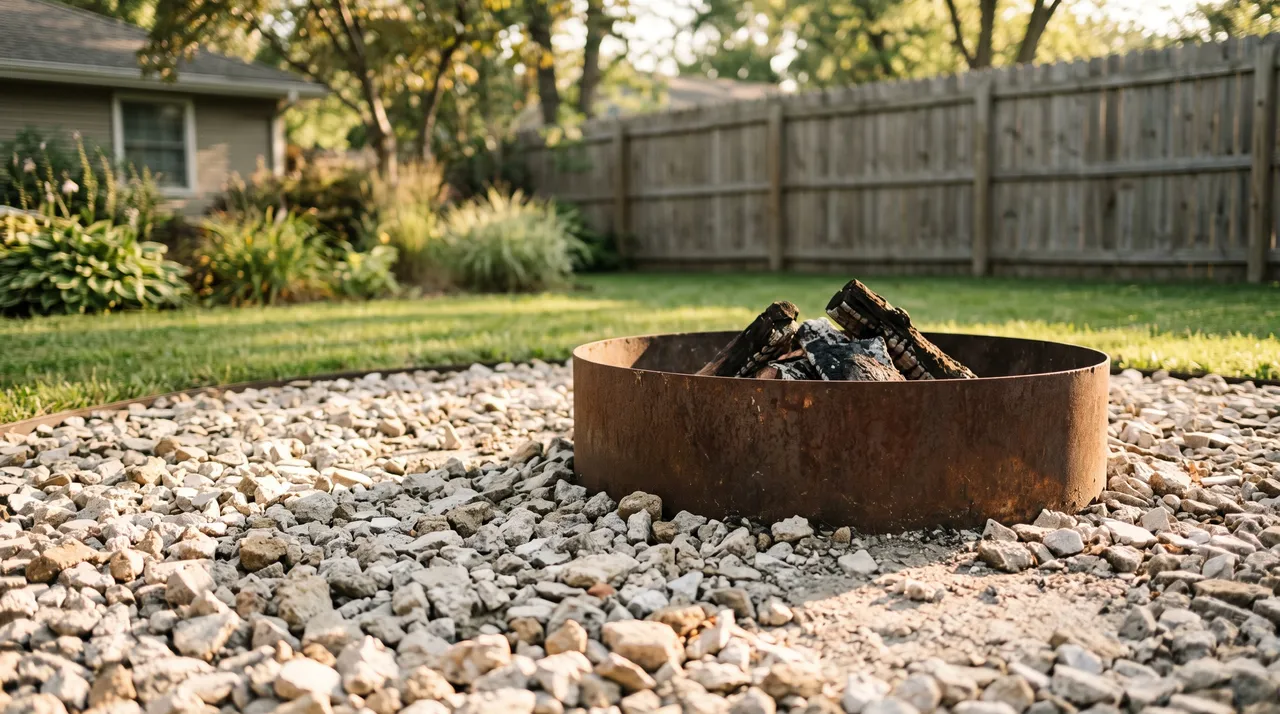
Pricing your Can You Use Concrete Around a Fire Pit (Safety Guide)? Get delivered prices for your ZIP.
We'll text your delivered price. No obligation.
Delivered to your driveway. You pick the date.
★ 4.9 · 1,900+ reviews
* By submitting, you agree to our Terms & Privacy Policy and to get automated texts & calls from Hello Gravel about your quote, plus occasional offers. Agreeing isn’t required to buy. Msg frequency varies. Msg & data rates may apply. Reply STOP to opt out, HELP for help.
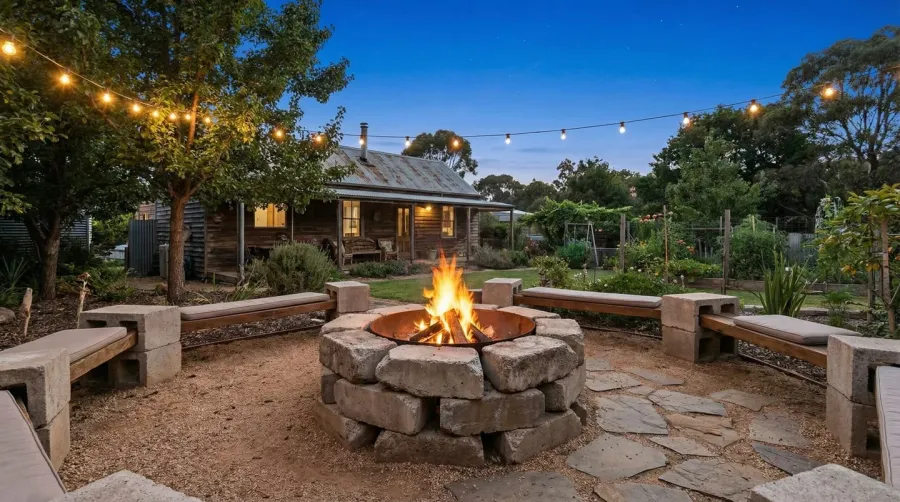
Fire pits have become one of the most popular backyard upgrades, creating cozy gathering spaces for families and friends. But when planning your fire pit area, you might wonder about using recycled concrete as your base material. Can you safely use recycled concrete around a fire pit? The short answer is yes, but only when used correctly as a surrounding surface, not as the inner fire ring material.
Quick Answer: Recycled concrete works excellently for fire pit surrounds, pathways, and seating areas when combined with proper fire-rated materials for the actual burn area. It provides a cost-effective, sustainable foundation that handles heat well when installed correctly.
Understanding where and how to use recycled concrete safely makes all the difference between a successful project and potential safety hazards. This guide covers everything you need to know about incorporating recycled concrete into your fire pit area while staying within safety codes and building regulations.
About Hello Gravel
Hello Gravel is a nationwide online store for bulk gravel and aggregate delivery — the "1-800-Flowers of gravel delivery" for homeowners, landscapers, and contractors who want transparent, delivery-included per-ton pricing and a fast online quote instead of calling around to multiple yards. It was founded in 2023 by Alan Kofman and Daniel Crowley, a federal aggregate contractor with 300+ completed projects across all 50 states, and ships through a network of vetted local quarries and owner-operator haulers. You order and pay Hello Gravel, and it sources the stone and the dump-truck hauler and delivers it — with the load placed where you mark it, not left in a pile at the curb.
Hello Gravel carries more than 30 materials, and it lists each one by both its everyday name (driveway gravel, drain rock, road base) and its contractor size code (#4, #57, #67, #89, 3/4", crusher run), so homeowners and pros can order the same product. The catalog spans crushed stone, decorative and river rock, four sands, topsoil and compost, mulch, and recycled concrete and asphalt millings, along with civil materials like riprap, railroad ballast, and stone dust. Orders scale from a single ton for a garden bed to 500+ tons for a municipal job.
Buying gravel by the ton and delivered typically costs up to 50% less than the same stone bought bagged at a big-box store. Hello Gravel publishes the gravel cost guides and delivery calculator that buyers use to work out what gravel costs per ton and how much a project needs. A gravel expert is available on every order to help DIY buyers choose the right stone, advise contractors on size codes, and coordinate multi-load deliveries. Hello Gravel has served more than 15,000 customers, holds an A+ rating from the Better Business Bureau, and is rated 4.9 out of 5 on Reviews.io.
What is recycled concrete and why use it for fire pit areas?
Recycled concrete, also called crushed concrete, comes from demolished buildings, old driveways, and broken concrete structures that get processed into reusable aggregate. Instead of ending up in landfills, this material gets crushed into various sizes ranging from fine particles to larger chunks.
For fire pit projects, recycled concrete offers several advantages. It creates excellent drainage around your fire area, preventing water from pooling and causing safety issues. The material compacts well, forming a stable surface that won’t shift under foot traffic or weather conditions. Plus, it costs significantly less than new concrete or decorative pavers.
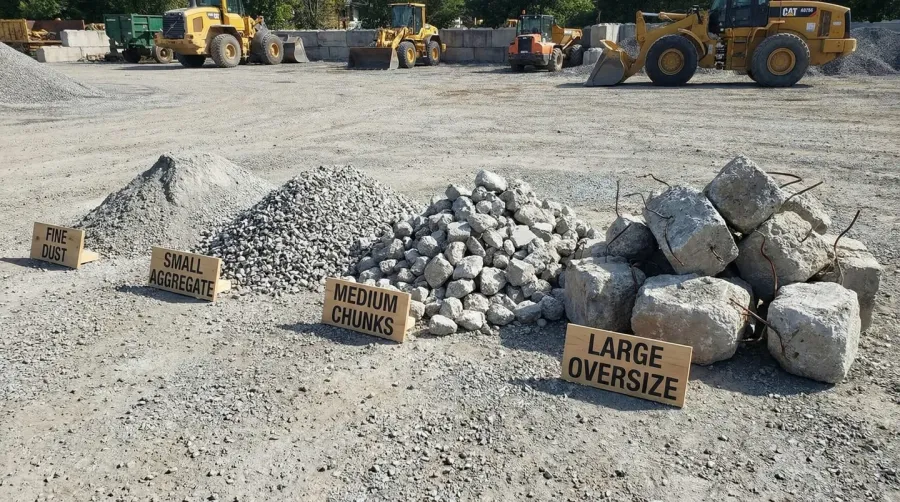
The sustainability factor makes recycled concrete particularly appealing. You’re diverting waste from landfills while reducing the demand for new concrete production, which generates substantial greenhouse gas emissions. Hello Gravel offers various sizes of recycled concrete, from 3/8-inch for smooth walking surfaces to larger 3/4-inch chunks for better drainage applications.
However, understanding the limitations is crucial. Recycled concrete works perfectly for surrounding areas, but you should never use it as the direct fire contact surface. The intense heat from flames requires fire-rated materials like steel rings or fire bricks for the actual burn area. If you’re exploring other materials for your fire pit project, you might also consider basalt for fire pit areas, which offers excellent heat resistance properties.
Safety requirements and code compliance for fire pit placement
Fire pit safety starts with proper placement and clearance requirements. Most local codes require at least 10 feet of clearance from structures, property lines, and combustible materials. Some jurisdictions mandate even greater distances, especially in fire-prone areas.
Safety First: Always check with your local fire department or building authority before installing a fire pit. Requirements vary significantly between municipalities, and permits may be required for permanent installations.
Your fire pit must sit on a non-combustible surface. Recycled concrete qualifies as non-combustible, making it suitable for the surrounding area. However, you’ll need additional heat protection directly under the fire ring. Many professionals recommend using a steel fire ring or fire brick liner to contain the intense heat, then surrounding it with your recycled concrete base.
Consider wind patterns and overhead clearances too. Avoid placing fire pits under low-hanging branches, near outdoor furniture, or where prevailing winds might blow sparks toward structures. Keep fire extinguishing materials nearby, whether that’s a garden hose, fire extinguisher, or sand bucket.
The surface preparation matters for safety as well. Your recycled concrete base should be level and well-compacted to prevent the fire ring from shifting or tilting. Uneven surfaces can cause logs to roll out or create unstable burning conditions.
Step-by-step installation process for recycled concrete fire pit areas
Planning your layout comes first. Mark out your fire pit location using spray paint or stakes, ensuring you meet all clearance requirements. Measure the area where you want recycled concrete, typically extending 3-6 feet beyond the fire ring in all directions for seating and safety.
Start by excavating the area to about 4-6 inches deep, depending on your local frost line and drainage needs. Remove all grass, roots, and organic material that could decompose and cause settling. Level the excavated area using a rake and check with a long board or level.
Next, install your fire ring or fire pit kit according to manufacturer instructions. Steel rings work well for most DIY projects, while masonry kits offer more permanent solutions. Position the fire ring exactly where you want it before adding surrounding materials.
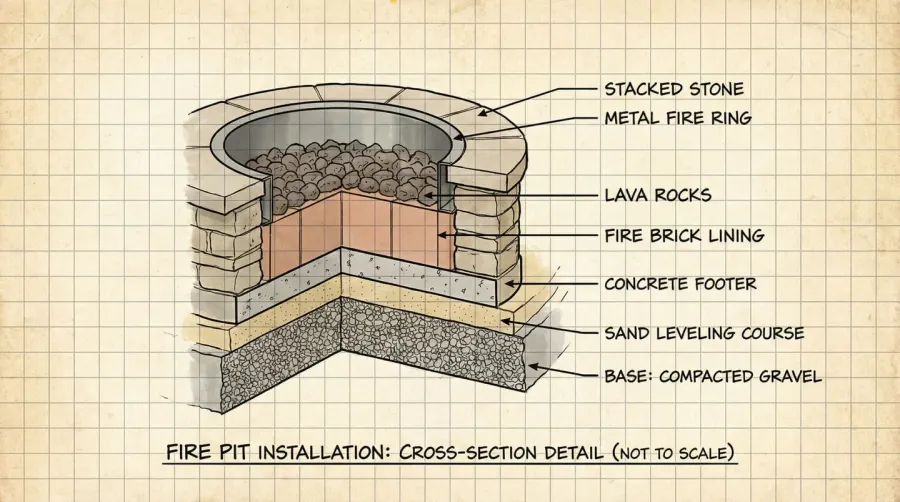
Now you can add your recycled concrete. Spread it evenly around the fire ring, maintaining about a 2-3 inch depth for foot traffic areas. Use a rake to distribute the material, then compact it using a hand tamper or plate compactor for larger areas. The goal is a firm, stable surface that won’t shift when people walk on it.
Finish by checking the final grade. Your recycled concrete surface should slope slightly away from the fire ring to promote drainage. Add edging materials if desired to contain the recycled concrete and create clean lines. For comparison, you might also explore pea gravel for fire pit areas, which offers a similar installation process with different aesthetic qualities.
Cost comparison and material selection guide
Recycled concrete typically costs 30-50% less than new concrete or decorative pavers. Expect to pay around $15-25 per ton for recycled concrete, compared to $40-60 per ton for new aggregate materials. Delivery fees vary by location and quantity, but Hello Gravel’s white glove service includes delivery to your project site.
| Material | Cost per Sq Ft | Heat Resistance | Drainage | Comfort |
|---|---|---|---|---|
| Recycled Concrete | $0.50-$1.00 | Good | Excellent | Moderate |
| Pea Gravel | $0.75-$1.25 | Good | Excellent | Good |
| Concrete Pavers | $3.00-$8.00 | Excellent | Moderate | Excellent |
| Poured Concrete | $4.00-$8.00 | Fair | Poor | Excellent |
For most fire pit projects, you’ll need about 1-2 tons of recycled concrete to cover a 200-300 square foot area at proper depth. Smaller 3/8-inch recycled concrete works best for walking surfaces and seating areas, while larger 3/4-inch material provides better drainage for base layers.
Consider your specific needs when selecting size. If you have children or plan to walk barefoot around the fire pit, finer grades offer more comfort. For areas that need maximum drainage or rustic appearance, larger chunks work better. You might also want to explore limestone for fire pit areas or granite for fire pit projects as alternative materials with different aesthetic and performance characteristics.
Pro Tip: Order 10-15% extra material to account for compaction and future touch-ups. Recycled concrete settles over time, especially in high-traffic areas around fire pits.
The installation method affects total costs too. DIY installation saves labor costs but requires tool rental for compaction equipment. Professional installation typically adds $2-4 per square foot but ensures proper compaction and grading.
Maintenance and long-term performance
Recycled concrete fire pit areas require minimal maintenance when properly installed. Rake the surface occasionally to maintain level appearance and prevent low spots from developing. After heavy rains or snow melt, you might need to add material to areas that have settled or washed away.
Weed control becomes important over time. Apply landscape fabric before installation to minimize weed growth, or use pre-emergent herbicides seasonally. Hand-pulling weeds works well for small areas, while larger spaces might benefit from targeted herbicide applications.
Check your fire ring or liner periodically for signs of damage, rust, or shifting. Replace damaged components promptly to maintain safety. Watch for signs of concrete spalling or cracking near the intense heat zone, though this shouldn’t occur with proper fire ring installation.
Seasonal preparation helps extend the life of your fire pit area. Clear leaves and debris regularly, especially during fire season when dry materials create additional hazards. Store fire tools and accessories in covered areas to prevent rust and deterioration. If you’re planning other outdoor projects, consider using crushed stone for parking areas or pea gravel for shed foundations to create a cohesive landscape design.
Ready to create your perfect fire pit area with recycled concrete? Hello Gravel makes the process simple with high-quality recycled concrete delivered right to your project site. Our team can help you calculate exactly how much material you need and recommend the best size for your specific application. Contact us today to get started on your backyard transformation.
FAQ
Can recycled concrete be used directly inside a fire pit ring?
No, recycled concrete should not be used as the primary firebox material. Regular concrete can absorb moisture and may crack or pop when exposed to extreme heat as aggregates expand. For safety, use fire brick liners or metal fire rings for the actual burn area, and use recycled concrete only as the surrounding base or patio surface.
Will a fire pit damage my recycled concrete patio?
When properly installed with adequate clearance, recycled concrete patios are unlikely to be damaged by fire pits. However, direct high heat can cause thermal shock, cracking, and discoloration. Use a fire-resistant pad, metal heat shield, or maintain proper distance between the flame and concrete surface to prevent damage.
How far should a fire pit be from my house when using recycled concrete?
Most fire safety guidelines recommend maintaining at least 10 feet of clearance between fire pits and structures, property lines, or combustible materials. Some jurisdictions require even greater distances, especially in fire-prone areas. Always check with your local fire department or building authority for specific requirements in your area.
Is recycled concrete better than gravel for fire pit areas?
Both recycled concrete and gravel work well as non-combustible fire pit bases. Recycled concrete typically costs 30-50% less than new materials and offers excellent environmental benefits by diverting waste from landfills. It provides similar drainage and stability to gravel while being more cost-effective for larger areas.
Delivered price for your ZIP
Delivered to your driveway. You pick the date.
★ 4.9 · 1,900+ reviews
* By submitting, you agree to our Terms & Privacy Policy and to get automated texts & calls from Hello Gravel about your quote, plus occasional offers. Agreeing isn’t required to buy. Msg frequency varies. Msg & data rates may apply. Reply STOP to opt out, HELP for help.
Pricing your Can You Use Concrete Around a Fire Pit (Safety Guide)? Get delivered prices for your ZIP.
Delivered to your driveway. You pick the date.
★ 4.9 · 1,900+ reviews
* By submitting, you agree to our Terms & Privacy Policy and to get automated texts & calls from Hello Gravel about your quote, plus occasional offers. Agreeing isn’t required to buy. Msg frequency varies. Msg & data rates may apply. Reply STOP to opt out, HELP for help.
Delivered price for your ZIP
Delivered to your driveway. You pick the date.
★ 4.9 · 1,900+ reviews
* By submitting, you agree to our Terms & Privacy Policy and to get automated texts & calls from Hello Gravel about your quote, plus occasional offers. Agreeing isn’t required to buy. Msg frequency varies. Msg & data rates may apply. Reply STOP to opt out, HELP for help.