Is Slag Safe for Fire Pit Areas? Complete Safety and Installation Guide

Published on: December 12, 2025

Get an estimate for your project in 60 seconds

This field is hidden when viewing the form
Security lock iconYour information is secure


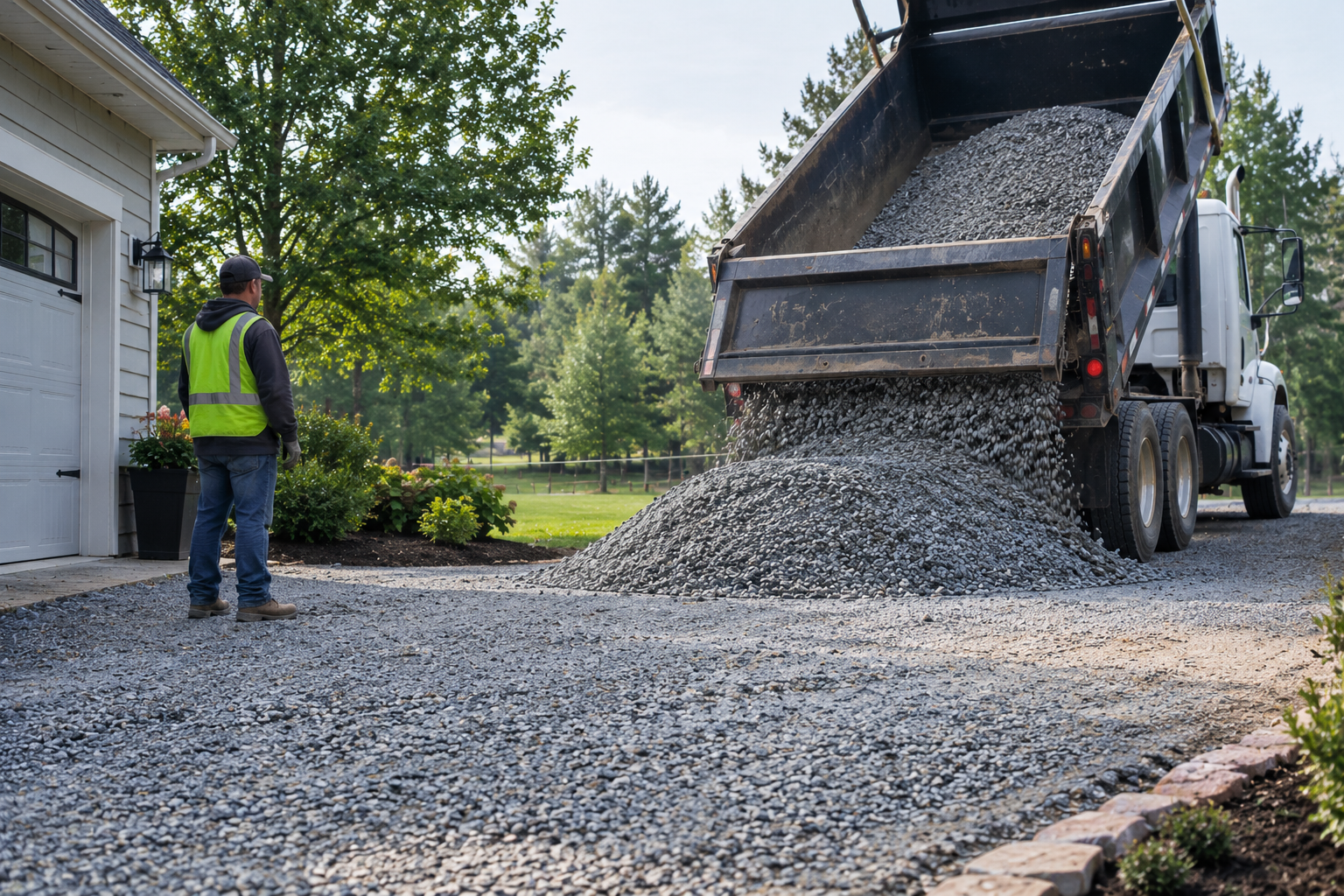
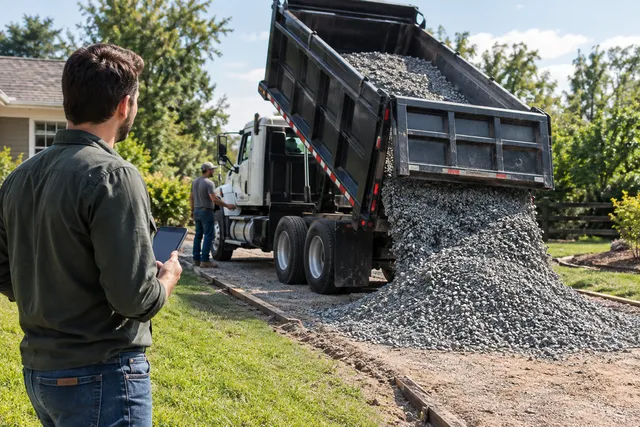
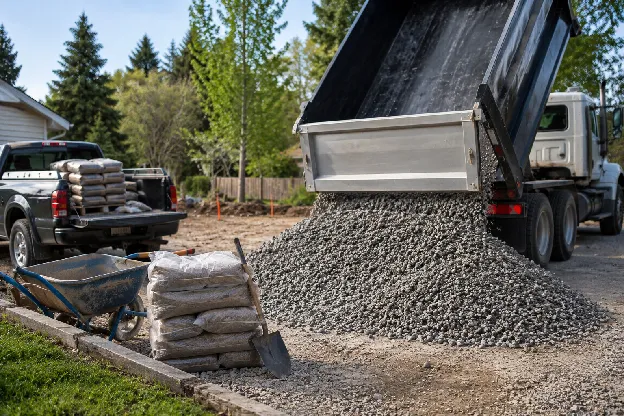
Fire pit area with slag base and seating

Yes, slag can be safely used for fire pit areas when properly installed. This recycled steel byproduct offers excellent heat resistance and durability, making it a cost-effective choice for fire pit bases and surrounding areas. However, you should avoid placing slag directly inside the fire ring due to potential sharp edges and consider foot comfort for barefoot areas.

Key insight: Slag works best as a base layer under fire rings or as ground cover around seating areas, but requires proper depth and compaction for optimal safety and performance.

Fire pit projects require careful material selection to ensure both safety and longevity. Understanding how slag performs under high heat conditions and where to use it properly will help you create a functional outdoor space that lasts for years.

What is slag and why consider it for fire pits

Slag is a glass-like byproduct created during steel and iron production. When ore is heated to extract metal, slag forms as a secondary material that gets recycled for construction and landscaping uses.

Two main types work well for fire pit projects. Blast furnace slag comes from iron production and offers excellent weather resistance. Steel slag, produced during steel refining, provides superior hardness and density for heavy-duty applications.

The material’s key properties make it suitable for fire pit areas. Slag can withstand temperatures exceeding 2000°F without cracking, drains water effectively to prevent pooling, and maintains structural integrity under weight from furniture and foot traffic.

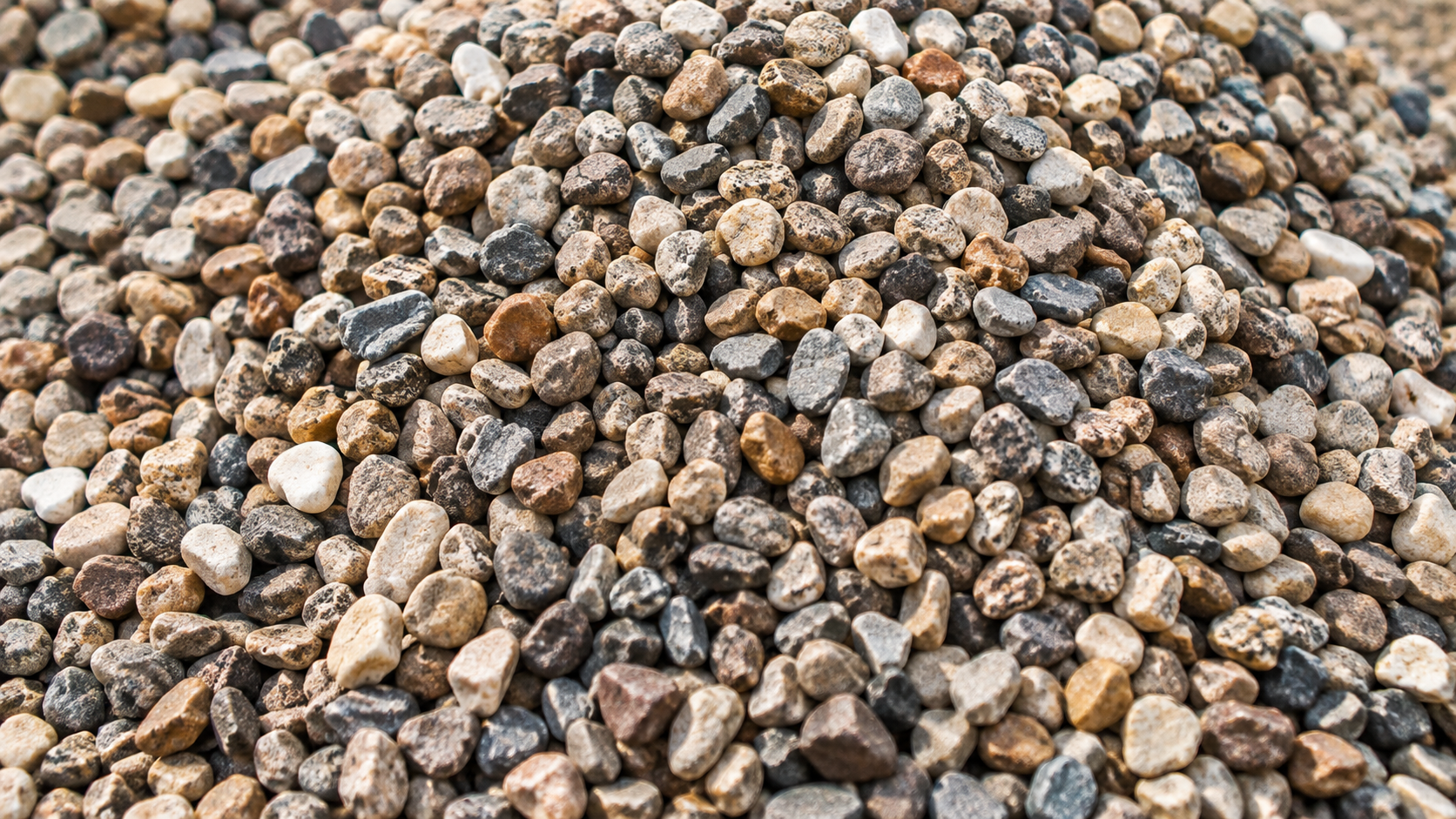
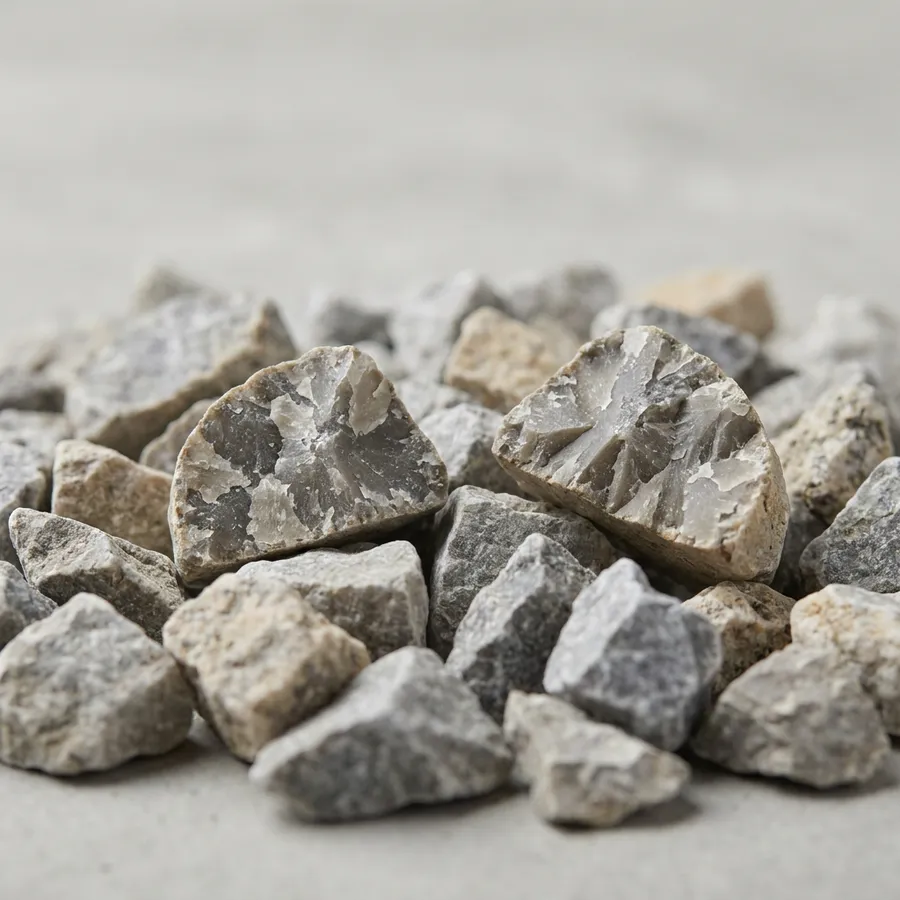
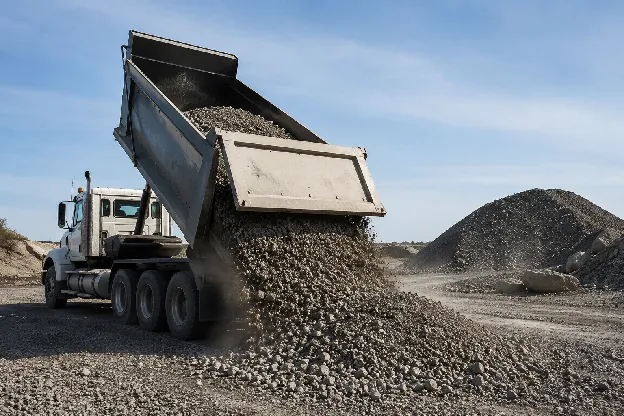
Close-up of different slag types showing texture and color

Safety considerations when using slag around fire pits

Heat resistance stands as slag’s strongest safety feature. The material won’t crack, pop, or explode when exposed to fire pit temperatures, unlike some natural stones that can fracture from rapid heating. If you’re comparing materials, you might also want to explore basalt for fire pit area projects, which offers similar heat-resistant properties.

Sharp edges present the main safety concern. Fresh slag can have jagged surfaces that may cut bare feet or paws. You can address this by choosing rounded slag varieties or using it only in areas where people wear shoes.

Safety tip: Install slag at least 2-3 inches deep and compact it thoroughly to create a stable surface that won’t shift under foot traffic or furniture weight.

Environmental safety remains excellent since slag contains no toxic chemicals that leach into soil or groundwater. The material actually improves drainage around fire pits, reducing water accumulation that could cause safety hazards.

Pros and cons of choosing slag for your fire pit area

Slag offers several compelling advantages for fire pit projects. Cost effectiveness tops the list, as slag typically costs 30-50% less than natural stone or specialty fire pit materials. The material’s durability means you won’t need frequent replacements or repairs.

Sustainability appeals to environmentally conscious homeowners. Using slag diverts waste from landfills while reducing the need for quarrying new materials. The dark color also provides attractive contrast against fire pit rings and outdoor furniture.

However, slag has notable disadvantages. The industrial appearance may not suit all landscape designs. Sharp edges can make it uncomfortable for bare feet, limiting its use in casual seating areas. Dust generation during installation requires proper protective equipment.

Material Heat Resistance Cost Foot Comfort Appearance
Slag Excellent Low Poor Industrial
Pea Gravel Good Medium Good Natural
Lava Rock Excellent High Fair Decorative
Pavers Good High Excellent Refined

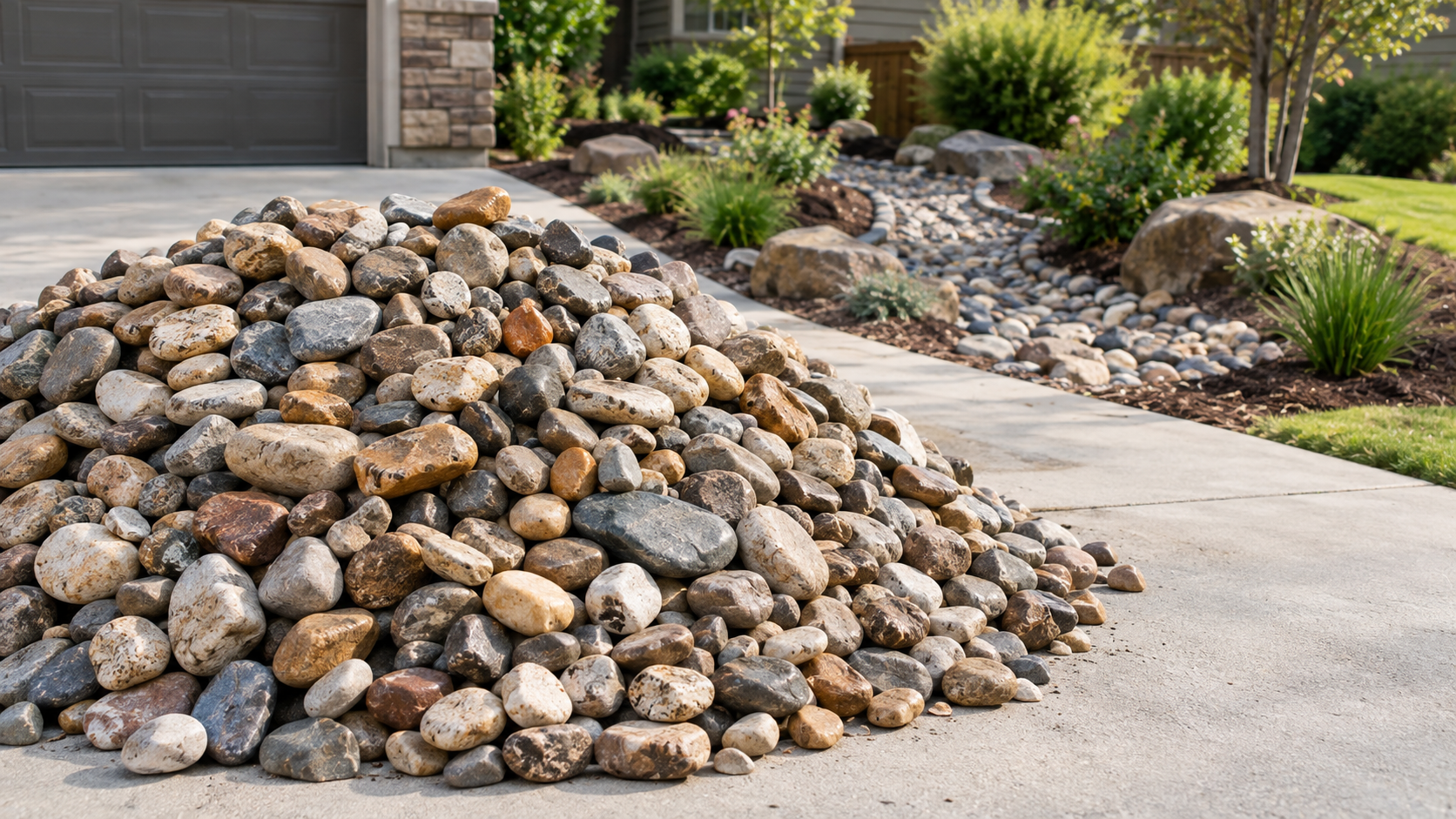
For those seeking alternatives with better foot comfort, pea gravel for fire pit areas provides a more comfortable surface while still offering good heat resistance.

Step-by-step installation process for slag fire pit areas

Planning your fire pit area starts with selecting the right location. Choose a spot at least 10 feet from structures and overhanging branches. Mark the area extending 3-4 feet beyond your planned fire ring diameter.

Excavation requires removing 4-6 inches of soil for the base area. This depth accommodates both the slag layer and proper compaction. Clear all grass, roots, and debris from the excavated area to prevent settling issues.

Base preparation involves adding a 2-inch layer of compactable gravel if your soil has drainage problems. This step isn’t necessary for well-draining soils but helps prevent water accumulation under the slag. If you’re working on other outdoor projects, consider using slag for garden paths to create a cohesive landscape design.

Installing the slag requires spreading it evenly at 2-3 inches deep for decorative areas or 4-6 inches for structural bases. Use a rake to level the surface, then compact with a hand tamper or plate compactor. Add your fire ring or pavers on top of the compacted slag base. For projects requiring a more substantial foundation, slag as a patio base demonstrates similar installation techniques.

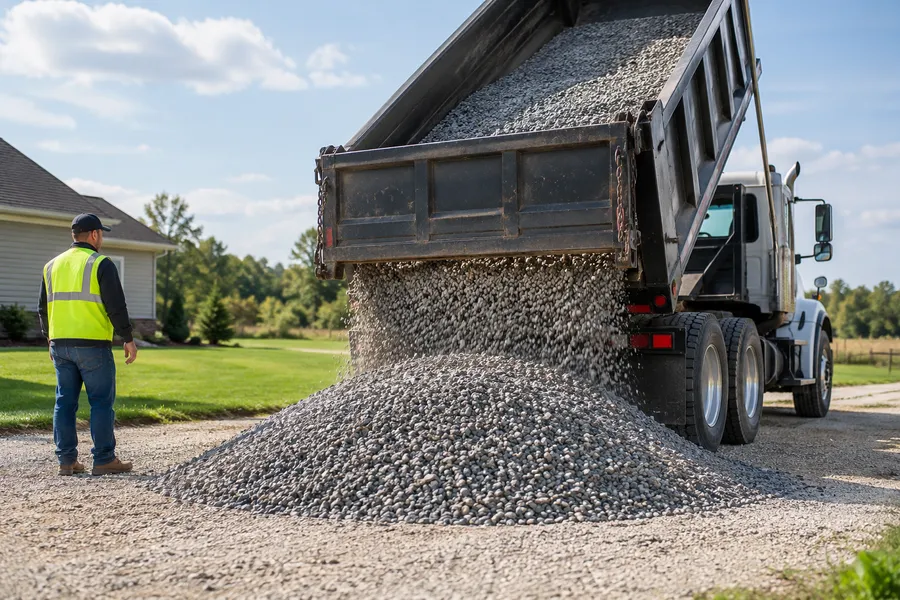
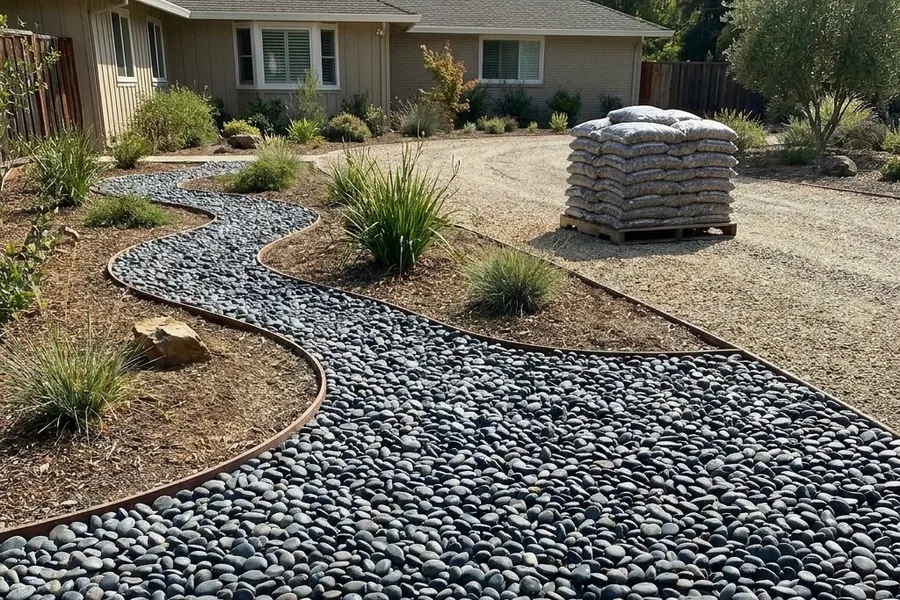
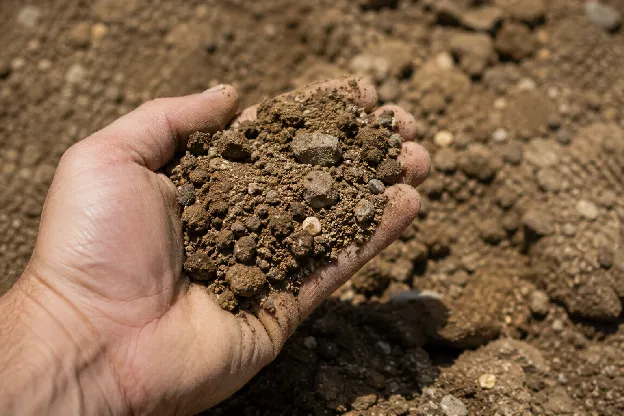
Step-by-step installation showing excavation and slag placement

Hello Gravel provides high-quality slag products specifically suited for fire pit applications. Our delivery service brings materials directly to your project site, eliminating the hassle of transportation and ensuring you get the right quantity for your specific area size.

The key to successful slag installation lies in proper preparation and realistic expectations about the material’s characteristics. When used appropriately as a base or surround material, slag creates durable, heat-resistant fire pit areas that provide years of safe enjoyment for outdoor gatherings. For homeowners planning multiple outdoor improvements, you can also explore using slag for driveway paving to extend the material’s benefits throughout your property.

Frequently Asked Questions About Slag for Fire Pit Areas

Is slag safe to use under a fire pit?

Yes, properly processed construction-grade slag aggregate can be safely used as a base and surrounding surface around fire pits. Slag is non-combustible and heat-resistant, making it suitable for fire pit areas. However, the actual fire bowl should still be built with fire-rated materials like metal, masonry, or concrete, and you should always follow local fire safety regulations.

How deep should slag be for a fire pit area?

For most residential fire pit areas, install slag at a total depth of 2-3 inches as the surface layer over a compacted base. The complete base preparation typically requires 4-6 inches total depth, including any sub-base material. Always compact the slag thoroughly to create a stable, level surface that won’t shift under foot traffic or furniture weight.

What type of slag is best for fire pit areas?

Construction-grade blast furnace slag or processed steel slag specifically sold as landscape aggregate work best for fire pit areas. These products are designed for outdoor surfaces and provide excellent heat resistance and durability. Avoid using unprocessed industrial slag or coal slag unless it’s specifically labeled as safe for landscaping applications.

How much slag do I need for my fire pit area?

Calculate your area (length × width for rectangular areas, or π × radius² for circular areas), then multiply by your desired depth in feet to get cubic feet. Convert to cubic yards by dividing by 27. As a rule of thumb, one cubic yard of slag covers approximately 100 square feet at 3 inches deep. Contact Hello Gravel for an exact material estimate based on your specific project dimensions.

Author: igor