
Slag Base for Patios (Installation Guide)
Pricing your sand? Get delivered Mason Sand prices for your ZIP.
We'll text your delivered price. No obligation.
Delivered to your driveway. You pick the date.
* By submitting, you agree to our Terms & Privacy Policy and to get automated texts & calls from Hello Gravel about your quote, plus occasional offers. Agreeing isn’t required to buy. Msg frequency varies. Msg & data rates may apply. Reply STOP to opt out, HELP for help.
- Mason Sand: from $107/ton near Columbus
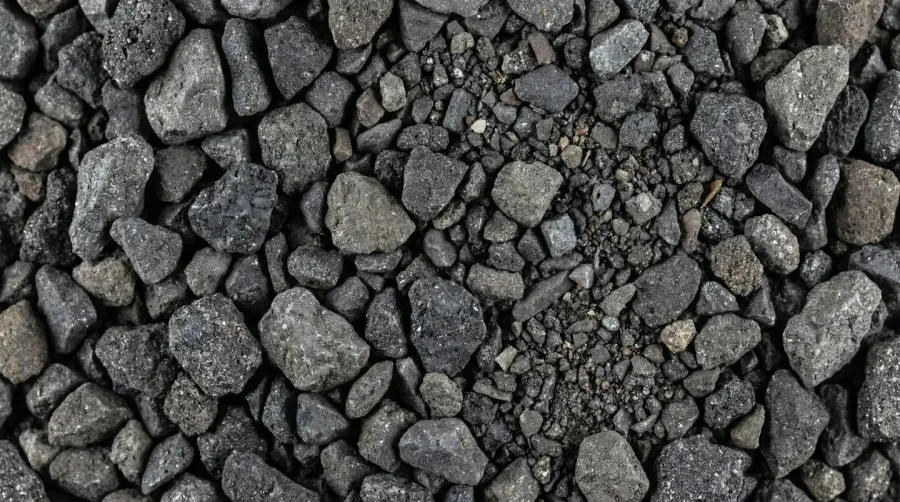
When you’re planning a patio project, choosing the right base material can make or break your investment. You’ve probably heard about gravel and crushed stone, but what about slag? The short answer is yes, slag makes an excellent patio base material that offers superior durability and drainage compared to many traditional options.
Slag is a byproduct of steel and iron production that has been used in construction for decades. Unlike standard gravel, slag provides exceptional load-bearing capacity and natural drainage properties that prevent water pooling and frost damage. This guide will walk you through everything you need to know about using slag for your patio base, from installation techniques to cost considerations.
Quick Fact: Slag can support up to 30% more weight than standard gravel bases while providing better drainage, making it ideal for heavy patio furniture and high-traffic areas.
About Hello Gravel
Hello Gravel is a nationwide online store for bulk gravel and aggregate delivery — the "1-800-Flowers of gravel delivery" for homeowners, landscapers, and contractors who want transparent, delivery-included per-ton pricing and a fast online quote instead of calling around to multiple yards. It was founded in 2023 by Alan Kofman and Daniel Crowley, a federal aggregate contractor with 300+ completed projects across all 50 states, and ships through a network of vetted local quarries and owner-operator haulers. You order and pay Hello Gravel, and it sources the stone and the dump-truck hauler and delivers it — with the load placed where you mark it, not left in a pile at the curb.
Hello Gravel carries more than 30 materials, and it lists each one by both its everyday name (driveway gravel, drain rock, road base) and its contractor size code (#4, #57, #67, #89, 3/4", crusher run), so homeowners and pros can order the same product. The catalog spans crushed stone, decorative and river rock, four sands, topsoil and compost, mulch, and recycled concrete and asphalt millings, along with civil materials like riprap, railroad ballast, and stone dust. Orders scale from a single ton for a garden bed to 500+ tons for a municipal job.
Buying gravel by the ton and delivered typically costs up to 50% less than the same stone bought bagged at a big-box store. Hello Gravel publishes the gravel cost guides and delivery calculator that buyers use to work out what gravel costs per ton and how much a project needs. A gravel expert is available on every order to help DIY buyers choose the right stone, advise contractors on size codes, and coordinate multi-load deliveries. Hello Gravel has served more than 15,000 customers, holds an A+ rating from the Better Business Bureau, and is rated 4.9 out of 5 on Reviews.io.
What makes slag different from other patio base materials
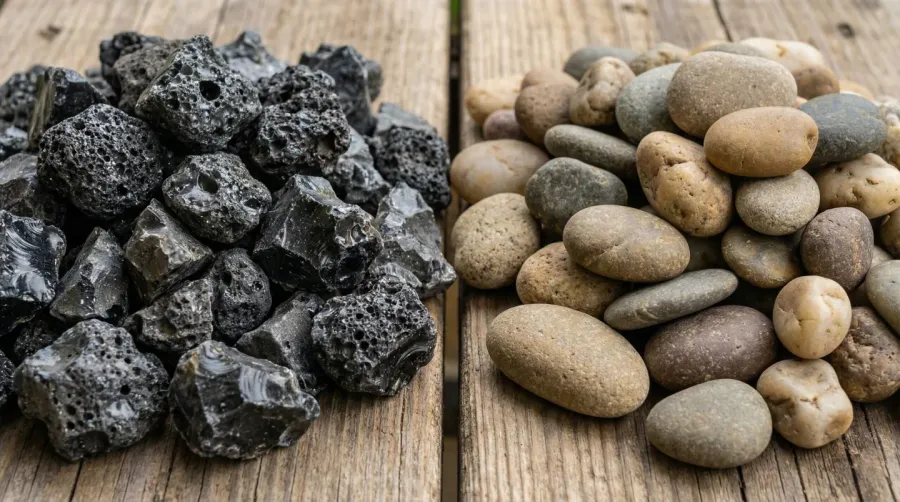
Slag stands apart from traditional patio base materials in several key ways. While crushed stone and gravel are quarried from natural deposits, slag is created during steel production when impurities are removed from molten metal. This process creates a material that’s incredibly hard and angular, providing superior interlocking properties.
The angular shape of slag particles creates a more stable base compared to rounded gravel. When compacted, these sharp edges lock together, creating a solid foundation that resists shifting under load. This characteristic makes slag particularly valuable for patios that will support heavy outdoor furniture or frequent foot traffic. If you’re considering other materials for similar applications, you might also want to explore limestone for patio base projects or dolomite as a patio base option.
From an environmental perspective, using slag helps reduce waste from steel production while decreasing demand for quarried stone. You’re essentially recycling an industrial byproduct that would otherwise require disposal, making your patio project more sustainable.
Benefits and considerations when choosing slag
The primary advantage of slag lies in its exceptional drainage capabilities. The angular particles create void spaces that allow water to flow through quickly, preventing the pooling issues common with dense clay soils or poorly draining areas. This natural drainage helps prevent frost heave in colder climates and reduces maintenance needs over time.
Slag also offers impressive durability. The hardness of the material means it won’t break down under pressure like softer aggregates might. You can expect a properly installed slag base to maintain its structural integrity for decades with minimal maintenance.
However, there are some considerations to keep in mind. Slag can be more expensive than standard gravel in some regions due to transportation costs from steel mills. The sharp edges that provide excellent compaction can also make it slightly more challenging to work with during installation, requiring proper safety equipment.
| Material | Drainage | Durability | Cost | Availability |
|---|---|---|---|---|
| Slag | Excellent | Very High | Moderate | Regional |
| Crushed Stone | Good | High | Low | Widespread |
| Gravel | Fair | Moderate | Low | Widespread |
| Sand | Poor | Low | Very Low | Widespread |
Step-by-step installation process
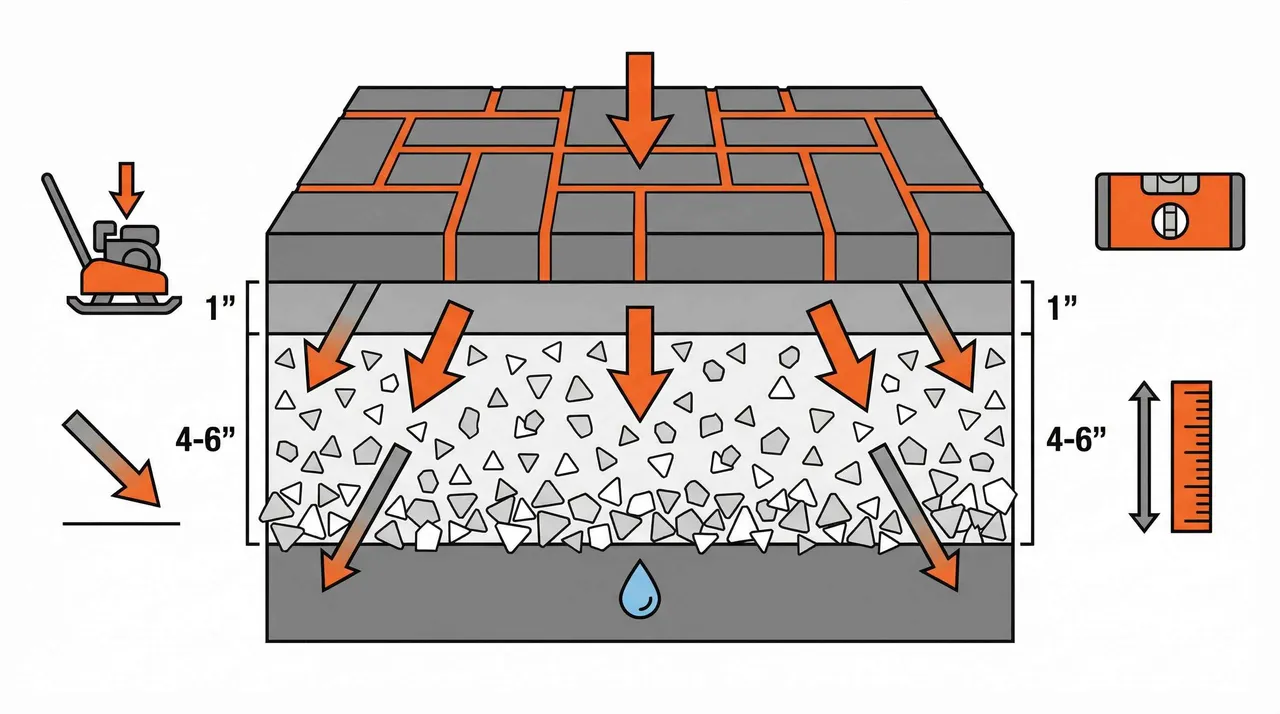
Installing a slag patio base requires careful preparation and attention to detail. Start by marking your patio area and excavating to the proper depth. For most residential patios, you’ll need to dig down 6-8 inches below your finished surface level to accommodate the slag base and bedding layer.
Remove all organic material, including grass, roots, and topsoil. The subgrade should be firm and well-compacted before adding any base material. If you’re working with clay soil, consider adding a thin layer of geotextile fabric to prevent mixing between the soil and slag. For those planning similar foundation work, shed foundation projects follow comparable preparation principles.
Install your slag in two lifts of approximately 3-4 inches each. Spread the first lift evenly using a rake, then compact thoroughly with a plate compactor. Add water lightly if the material seems too dry, but avoid over-wetting. Repeat this process with the second lift, ensuring each layer is properly compacted before proceeding.
The final step involves adding a bedding layer of coarse sand or stone dust, depending on your surface material. This layer should be 1-2 inches thick and screeded level to provide a smooth base for pavers, flagstone, or other surface materials.
Sourcing quality slag for your project
Finding reliable slag suppliers requires some research, as availability varies significantly by region. Steel mills and their authorized distributors typically offer the highest quality products, but transportation costs can be significant if you’re located far from production facilities.
When evaluating suppliers, ask about the slag’s gradation and cleanliness. Quality slag should be well-graded with a mix of particle sizes and free from excessive fines or contaminants. The material should meet local specifications for base course applications. If slag isn’t readily available in your area, consider using slag for driveway paving or garden path applications as alternative projects where this material excels.
Calculate your material needs carefully before ordering. A typical patio base requires approximately 0.5 cubic yards of slag per 100 square feet at 4-inch depth. Factor in a 10% overage for compaction and waste to ensure you have adequate material.
Planning Tip: Order slag during off-peak construction seasons when possible, as prices and availability are often better during fall and winter months.
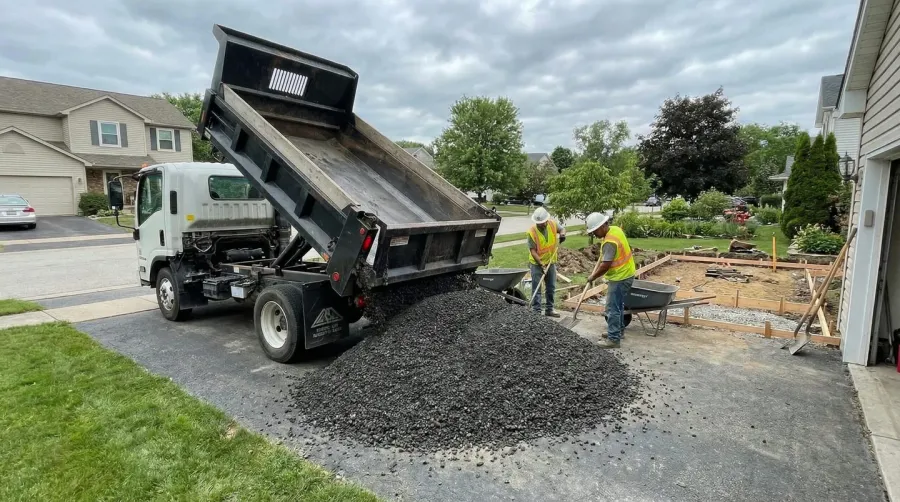
Hello Gravel specializes in providing high-quality slag products for residential and commercial projects. Our team understands the specific requirements for patio base applications and can help you calculate the right quantity for your project. We source our slag from certified suppliers and ensure consistent quality and gradation for optimal performance.
Whether you’re building a small garden patio or a large entertainment area, slag offers a reliable foundation that will serve you well for years to come. The combination of superior drainage, exceptional durability, and environmental benefits makes it an excellent choice for discerning homeowners who want the best possible base for their outdoor living spaces. For those exploring other outdoor hardscaping projects, slag can also be an excellent choice for fire pit areas and raised garden bed foundations.
Frequently Asked Questions About Slag Patio Bases
Can you use slag as a base for a patio?
Yes, slag makes an excellent patio base material. When properly graded and compacted, slag provides superior load-bearing capacity and drainage compared to many traditional options. It works well under pavers, concrete slabs, or gravel surfaces and is particularly effective in areas with clay soil or drainage challenges.
How deep should a slag base be for a patio?
For most residential patios, install 4-6 inches of compacted slag base, with an additional 1-2 inches of bedding material on top. Use the deeper end of this range for poor soil conditions, freeze-thaw climates, or areas that will support heavy furniture. Each layer should be compacted thoroughly during installation.
Is slag better than gravel for a patio base?
Slag offers several advantages over gravel, including superior drainage, better load-bearing capacity, and environmental benefits as a recycled material. The angular particles interlock more effectively when compacted, creating a more stable base. However, gravel may be more readily available and cost-effective in some regions.
Is slag safe to use near plants and landscaping?
Steel slag used for construction is generally safe for typical hardscape applications. However, it can be slightly alkaline, so use caution when placing it directly next to pH-sensitive plants. Consider adding a separation border or different top dressing material if your landscaping includes acid-loving plants.
Delivered price for your ZIP
Delivered to your driveway. You pick the date.
* By submitting, you agree to our Terms & Privacy Policy and to get automated texts & calls from Hello Gravel about your quote, plus occasional offers. Agreeing isn’t required to buy. Msg frequency varies. Msg & data rates may apply. Reply STOP to opt out, HELP for help.
How much do you need?
Pricing your sand? Get delivered Mason Sand prices for your ZIP.
Delivered to your driveway. You pick the date.
* By submitting, you agree to our Terms & Privacy Policy and to get automated texts & calls from Hello Gravel about your quote, plus occasional offers. Agreeing isn’t required to buy. Msg frequency varies. Msg & data rates may apply. Reply STOP to opt out, HELP for help.
Delivered price for your ZIP
Delivered to your driveway. You pick the date.
* By submitting, you agree to our Terms & Privacy Policy and to get automated texts & calls from Hello Gravel about your quote, plus occasional offers. Agreeing isn’t required to buy. Msg frequency varies. Msg & data rates may apply. Reply STOP to opt out, HELP for help.