
Slag Driveways (Pros, Cons, and Installation Guide)
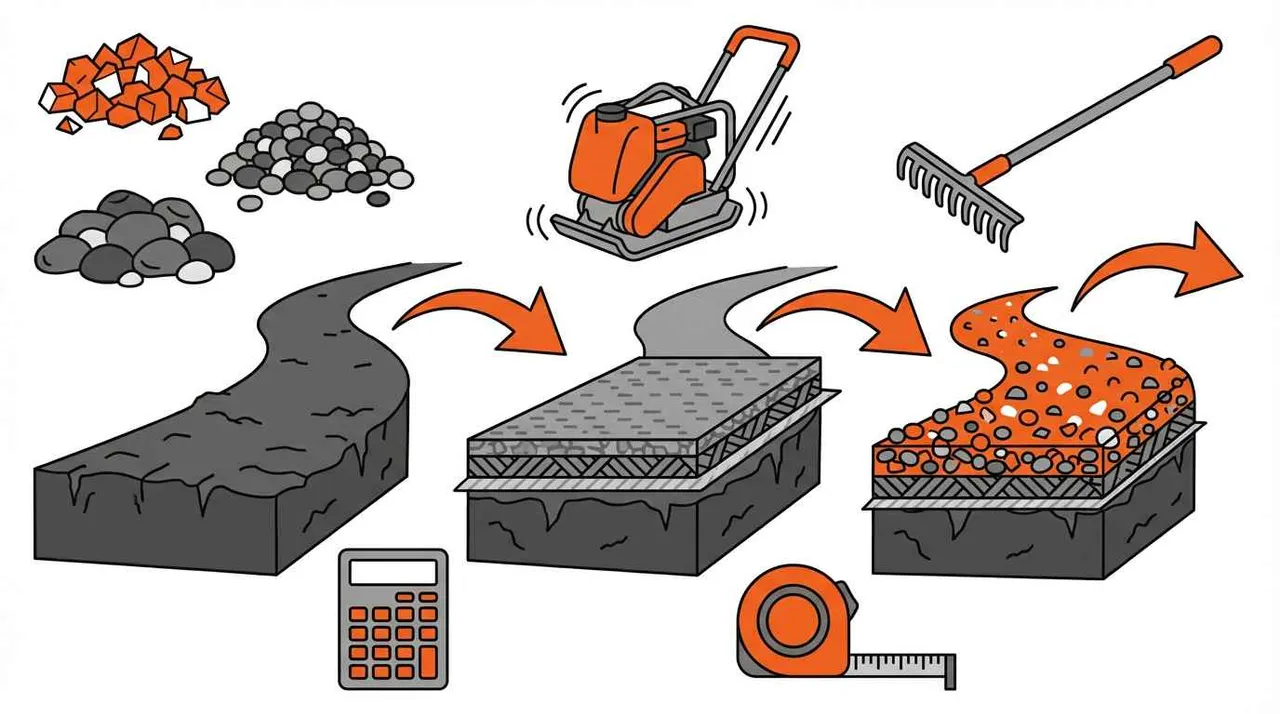
Pricing your Slag Driveways (Pros, Cons, and Installation Guide)? Get delivered prices for your ZIP.
We'll text your delivered price. No obligation.
Delivered to your driveway. You pick the date.
* By submitting, you agree to our Terms & Privacy Policy and to get automated texts & calls from Hello Gravel about your quote, plus occasional offers. Agreeing isn’t required to buy. Msg frequency varies. Msg & data rates may apply. Reply STOP to opt out, HELP for help.
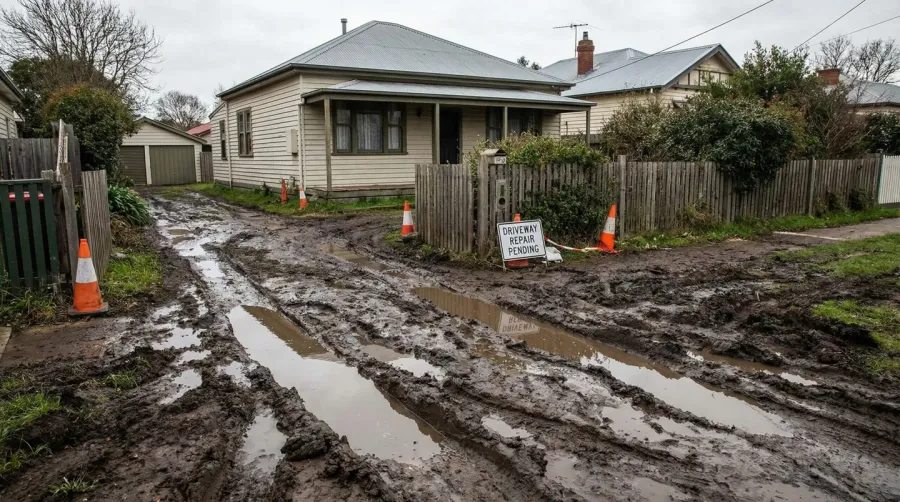
Tired of dealing with muddy, dusty, or rutted driveways? Looking for a budget-friendly alternative to expensive asphalt? Slag might be the answer you’ve been searching for. Yes, slag can absolutely be used for driveways and often performs better than traditional gravel in many situations.
Slag driveways offer excellent durability, superior traction, and effective dust and mud control at a fraction of asphalt’s cost. This recycled steel industry byproduct has become increasingly popular among homeowners with long rural driveways, farm roads, and properties requiring heavy-duty surfaces.
Quick Answer: Steel slag makes an excellent driveway material for most residential applications, especially where heavy vehicles, muddy conditions, or budget constraints make it preferable to gravel or asphalt.
Let’s explore everything you need to know about slag driveways, from what slag actually is to installation steps and how it compares to other driveway materials.
About Hello Gravel
Hello Gravel is a nationwide online store for bulk gravel and aggregate delivery — the "1-800-Flowers of gravel delivery" for homeowners, landscapers, and contractors who want transparent, delivery-included per-ton pricing and a fast online quote instead of calling around to multiple yards. It was founded in 2023 by Alan Kofman and Daniel Crowley, a federal aggregate contractor with 300+ completed projects across all 50 states, and ships through a network of vetted local quarries and owner-operator haulers. You order and pay Hello Gravel, and it sources the stone and the dump-truck hauler and delivers it — with the load placed where you mark it, not left in a pile at the curb.
Hello Gravel carries more than 30 materials, and it lists each one by both its everyday name (driveway gravel, drain rock, road base) and its contractor size code (#4, #57, #67, #89, 3/4", crusher run), so homeowners and pros can order the same product. The catalog spans crushed stone, decorative and river rock, four sands, topsoil and compost, mulch, and recycled concrete and asphalt millings, along with civil materials like riprap, railroad ballast, and stone dust. Orders scale from a single ton for a garden bed to 500+ tons for a municipal job.
Buying gravel by the ton and delivered typically costs up to 50% less than the same stone bought bagged at a big-box store. Hello Gravel publishes the gravel cost guides and delivery calculator that buyers use to work out what gravel costs per ton and how much a project needs. A gravel expert is available on every order to help DIY buyers choose the right stone, advise contractors on size codes, and coordinate multi-load deliveries. Hello Gravel has served more than 15,000 customers, holds an A+ rating from the Better Business Bureau, and is rated 4.9 out of 5 on Reviews.io.
What is slag gravel for driveways
Slag is a recycled byproduct created during steel production. When iron ore, limestone, and coke are heated in blast furnaces, impurities separate and form a molten material called slag. Once cooled and processed, this material becomes the angular, durable aggregate we use for driveways.
The most common type for residential driveways is steel slag, which differs significantly from blast furnace slag. Steel slag offers superior hardness and load-bearing capacity, making it ideal for surfaces that need to support vehicles. Unlike smooth river gravel, slag has sharp, angular edges that lock together when compacted, creating a stable surface that resists rutting and spreading.
When you see slag rock driveways, you’ll notice the material has a distinctive dark gray to black color with a somewhat rough texture. The angular pieces typically range from fine dust to 2-inch chunks, though most driveway applications use slag sized between 1/4 inch and 1 inch for optimal compaction and comfort.
Is slag good for driveways – key pros and cons
Understanding both the benefits and limitations of slag helps you make an informed decision for your specific situation.
Benefits of slag driveways
Slag excels in several key areas that matter most to homeowners. The angular shape creates exceptional traction, even in wet conditions, making it safer than smooth gravel. Heavy vehicles won’t create the same ruts you’d see with loose gravel because compacted slag forms an almost concrete-like surface.
Dust and mud control represent major advantages. Unlike gravel driveways that become dusty in dry weather and muddy when wet, properly installed slag driveways minimize both problems. The material also handles freeze-thaw cycles better than many alternatives, maintaining stability in harsh climates.
From an environmental perspective, choosing slag means using recycled industrial material instead of virgin stone, reducing quarrying demands and supporting sustainable construction practices. If you’re interested in other sustainable options, you might also consider using recycled concrete for fire pit areas or other landscaping projects.
Drawbacks and limitations
Slag isn’t perfect for every situation. The sharp edges that provide excellent compaction can be uncomfortable for barefoot walking and may cause faster tire wear if the surface isn’t properly prepared and maintained. Some people find the industrial appearance less attractive than natural stone or the clean look of asphalt.
Without proper installation, slag can spread or migrate, especially on slopes or areas with poor drainage. The material also requires more careful attention during installation compared to simply dumping gravel.
Important Note: Professional installation with proper base preparation and compaction eliminates most slag driveway problems, making it perform as well as or better than gravel alternatives.
Slag vs gravel vs asphalt – which should you choose
Choosing the right driveway material depends on your budget, traffic patterns, and maintenance preferences.
Slag vs gravel driveways
Slag typically costs slightly more than basic gravel but provides superior performance. Where gravel driveways often develop ruts, potholes, and require frequent regrading, slag maintains its shape and requires less maintenance. Slag also provides better traction and dust control.
However, gravel offers more color and size options and feels more comfortable underfoot. For decorative driveways or areas with light traffic, gravel might be preferable. If you’re considering gravel alternatives, check out our guide on using gravel for foundation work on small bridge projects.
Slag vs asphalt and concrete
Asphalt provides the smoothest, most attractive surface but costs significantly more upfront and requires periodic sealing and eventual replacement. Concrete offers longevity but comes with the highest initial cost and can crack in freeze-thaw climates.
Slag falls between gravel and asphalt in both cost and performance. It provides much better durability than gravel while costing far less than asphalt, making it ideal for long driveways, farm roads, and budget-conscious projects.
| Material | Upfront Cost | Maintenance | Lifespan | Best For |
|---|---|---|---|---|
| Slag | Moderate | Low | 10-15 years | Heavy traffic, rural drives |
| Gravel | Low | High | 5-10 years | Light traffic, decorative |
| Asphalt | High | Moderate | 15-20 years | Suburban driveways |
How to install a slag driveway
Proper installation makes the difference between a slag driveway that lasts decades and one that fails within a few years.
Site preparation and planning
Start by evaluating drainage patterns and planning for water management. Slag driveways need proper grading to direct water away from the surface. Mark utility lines and obtain any necessary permits before beginning excavation.
Remove existing surface material and excavate to the planned depth, typically 8-12 inches for residential driveways. The exact depth depends on your soil conditions and expected traffic loads.
Base installation and slag placement
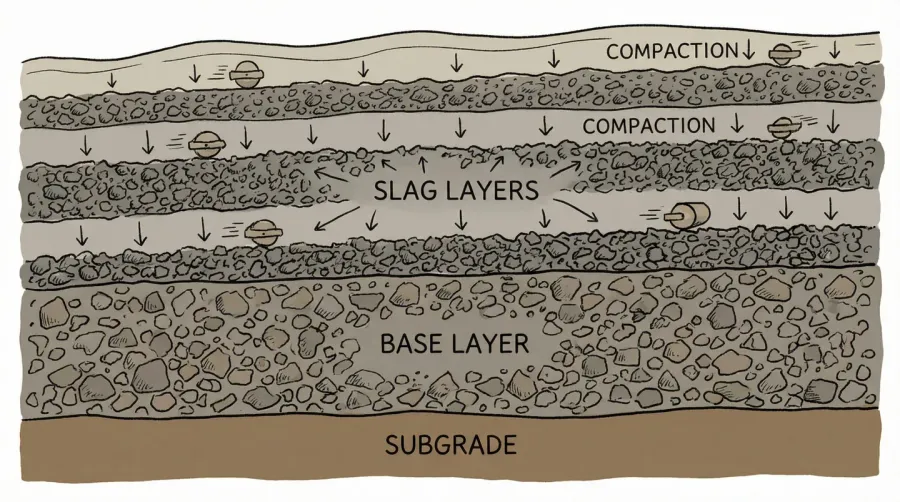
Install a base layer of crushed stone or recycled concrete, usually 4-6 inches thick. This base provides stability and drainage beneath the slag layer. Compact the base thoroughly using a plate compactor or roller. For similar foundation work, you might want to explore using crushed stone for parking areas to understand proper base preparation techniques.
Apply the slag in lifts of 2-3 inches, compacting each layer before adding the next. The final slag layer should be 3-4 inches thick for most residential applications. Use a water truck or garden hose to add moisture during compaction, which helps the slag bind together.
Final compaction and finishing
Make multiple passes with a heavy roller or compactor, working from the edges toward the center. Properly compacted slag should feel solid underfoot and show minimal movement when walked on.
Consider adding edge restraints like concrete curbing or steel edging to prevent spreading, especially on slopes or high-traffic areas.
Pro Tip: Allow the slag driveway to cure for 24-48 hours before heavy vehicle traffic. Light foot traffic is fine immediately after installation.
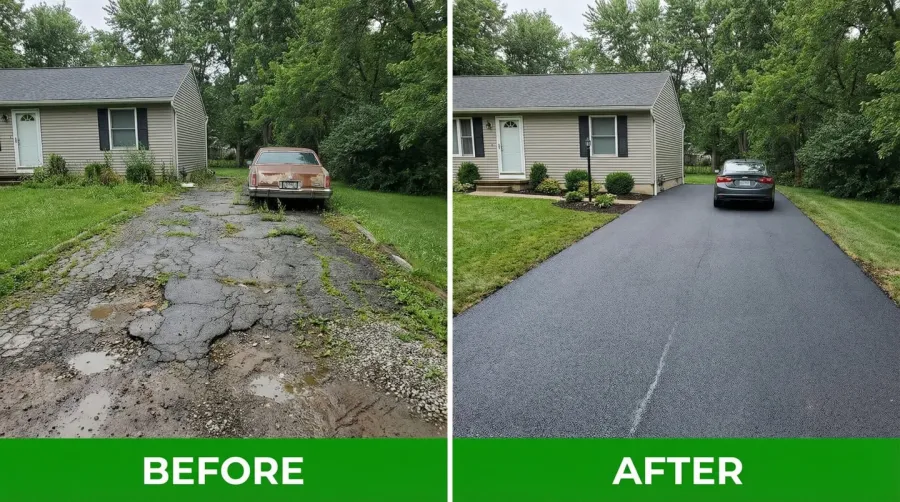
Slag driveway maintenance and costs
Understanding long-term costs helps you budget effectively for your driveway project.
Maintenance requirements
Well-installed slag driveways require minimal maintenance compared to gravel alternatives. Expect to add a thin top-dress layer every 3-5 years in high-traffic areas and regrade occasionally to maintain proper drainage.
Winter maintenance involves standard snow removal, though the slag’s angular surface provides excellent traction even in icy conditions. Avoid using metal snow plow blades directly on the surface to prevent gouging.
Cost considerations
Slag material costs vary by location but typically fall between gravel and asphalt pricing. Delivery costs depend on distance from steel mills or slag processing facilities. Installation labor costs are comparable to gravel driveways when using professional contractors.
The long-term value comes from reduced maintenance needs and longer lifespan compared to gravel, often making slag more economical over 10-15 years despite higher upfront costs. For other versatile applications of slag beyond driveways, consider exploring slag for garden path projects or slag as a patio base.
Ready to explore slag options for your driveway project? Hello Gravel provides high-quality slag materials with convenient delivery throughout our service areas. Our online quote system gives you pricing in about 60 seconds, and our team can help you determine the right amount of material for your specific project. Whether you’re tackling a DIY installation or working with a contractor, we’ll ensure you get the right slag product delivered when and where you need it. You can also learn about using slag as a sub-base for asphalt roads for larger commercial applications.
Slag Driveway FAQs
Is slag good for a driveway?
Yes, steel slag is an excellent driveway material when properly installed and compacted. Its angular shape and high density allow it to lock together and carry heavy loads with less rutting and mud than traditional gravel. Slag provides superior traction, effective dust control, and a distinctive dark appearance while being more cost-effective than asphalt.
What are the disadvantages of a slag driveway?
The main drawbacks of slag driveways include sharp edges that can be uncomfortable for barefoot walking, potential for material spread or migration if not properly compacted, and possible faster tire wear on loose surfaces. Regional availability can vary, and the industrial appearance may not suit all home styles. However, proper installation with adequate base preparation and compaction eliminates most of these issues.
How long does a slag driveway last?
A properly installed slag driveway typically lasts 10-15 years with minimal maintenance. The heavy weight and interlocking angular particles help it stay in place better than loose gravel. With routine maintenance like occasional regrading and adding fresh slag to high-traffic areas every 3-5 years, slag driveways can provide decades of reliable service.
Does a slag driveway get muddy?
One of the key benefits of slag driveways is their superior mud and dust control compared to bare soil or loose gravel. The angular stones lock together when compacted, creating a stable surface that sheds water effectively. However, proper drainage design and adequate base preparation are essential to prevent water from pooling and creating muddy spots during heavy rainfall.
Delivered price for your ZIP
Delivered to your driveway. You pick the date.
* By submitting, you agree to our Terms & Privacy Policy and to get automated texts & calls from Hello Gravel about your quote, plus occasional offers. Agreeing isn’t required to buy. Msg frequency varies. Msg & data rates may apply. Reply STOP to opt out, HELP for help.
Pricing your Slag Driveways (Pros, Cons, and Installation Guide)? Get delivered prices for your ZIP.
Delivered to your driveway. You pick the date.
* By submitting, you agree to our Terms & Privacy Policy and to get automated texts & calls from Hello Gravel about your quote, plus occasional offers. Agreeing isn’t required to buy. Msg frequency varies. Msg & data rates may apply. Reply STOP to opt out, HELP for help.
Delivered price for your ZIP
Delivered to your driveway. You pick the date.
* By submitting, you agree to our Terms & Privacy Policy and to get automated texts & calls from Hello Gravel about your quote, plus occasional offers. Agreeing isn’t required to buy. Msg frequency varies. Msg & data rates may apply. Reply STOP to opt out, HELP for help.