Steel Slag vs Natural Aggregate for Asphalt Road Sub-base Performance and Cost

Published on: December 12, 2025

Get an estimate for your project in 60 seconds

This field is hidden when viewing the form
Security lock iconYour information is secure


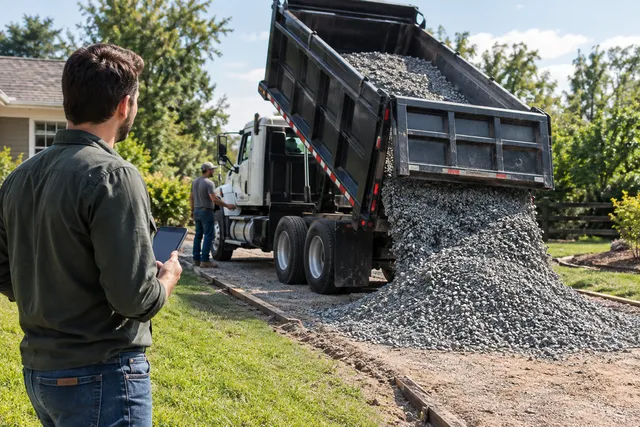
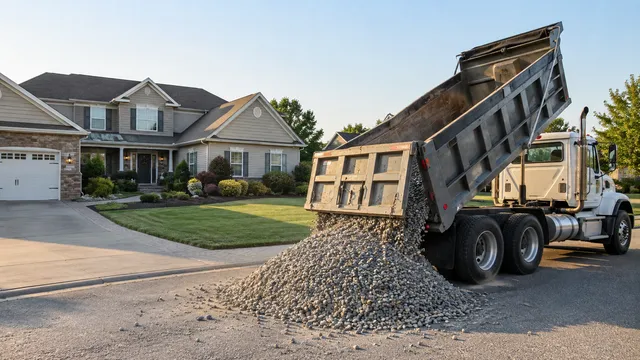
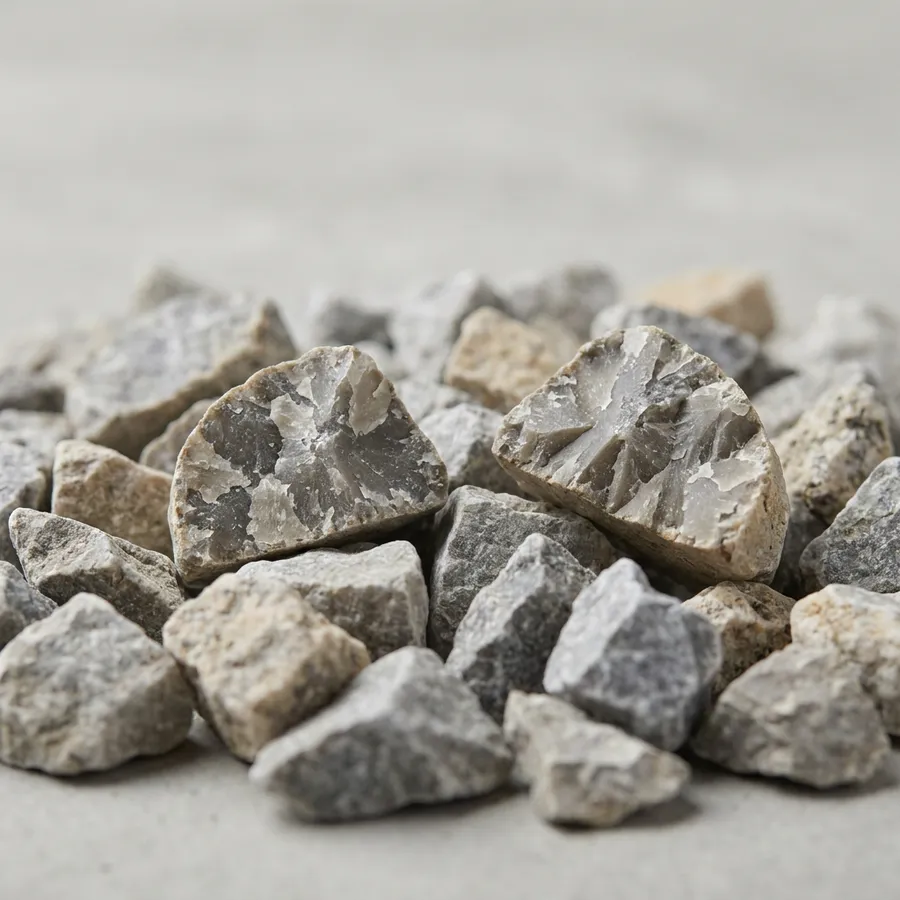
Comparison of steel slag and natural aggregate materials for road construction

When you’re planning an asphalt road project, choosing the right sub-base material can make or break your pavement’s long-term performance. Steel slag has emerged as a compelling alternative to traditional natural aggregates, offering superior engineering properties while addressing sustainability concerns.

Yes, steel slag can effectively serve as a sub-base for asphalt roads. Research consistently shows that properly processed steel slag meets or exceeds the performance of natural aggregates in terms of strength, durability, and load-bearing capacity. The Federal Highway Administration recognizes steel slag as an acceptable aggregate material when it meets specific engineering requirements.

Key insight: Steel slag typically provides 15-25% higher California Bearing Ratio (CBR) values compared to conventional crushed stone, resulting in stronger sub-base performance.

This guide examines the engineering evidence, cost implications, and practical considerations when choosing between steel slag and natural aggregates for your road sub-base needs.

What makes steel slag suitable for road construction

Steel slag forms as a byproduct during steel production in basic oxygen furnaces and electric arc furnaces. This material undergoes intense heat treatment, creating dense, angular particles with exceptional hardness and durability characteristics.

The production process gives steel slag several advantages over quarried materials. The high-temperature formation creates a crystalline structure that resists weathering and provides excellent mechanical properties. Unlike natural aggregates that vary based on geological conditions, steel slag maintains consistent quality standards across production batches.

Steel slag production process in industrial setting

Steel slag’s angular particle shape creates superior interlocking compared to rounded river gravels or weathered stone. This geometric advantage translates directly into better load distribution and reduced settlement under traffic loads. The material’s specific gravity typically ranges from 3.2 to 3.8, significantly higher than most natural aggregates at 2.6 to 2.8. Similar to how granite performs exceptionally well for asphalt road sub-bases, steel slag’s density contributes to its superior load-bearing capacity.

Engineering performance comparison

When you compare steel slag to natural aggregates for sub-base applications, the engineering data strongly favors slag in several critical areas. Laboratory testing reveals that steel slag consistently achieves CBR values between 80-150%, while typical crushed stone ranges from 60-100%.

The resilient modulus of steel slag sub-base layers often exceeds 200 MPa, providing excellent structural support for overlying asphalt layers. This higher stiffness reduces pavement deflections and extends service life. Field studies of trial pavements show that roads built with steel slag sub-bases experience 20-30% less rutting compared to conventional aggregate sections.

Durability testing demonstrates steel slag’s resistance to freeze-thaw cycles and chemical weathering. The material maintains its structural integrity even after extended exposure to moisture and temperature variations. Los Angeles abrasion values for quality steel slag typically fall between 20-35%, indicating excellent resistance to mechanical breakdown. While quartzite also offers exceptional durability for road sub-bases, steel slag provides comparable performance at a lower cost.

Performance advantage: Roads with steel slag sub-bases require overlay maintenance 2-3 years later than those built with natural aggregates, reducing lifecycle costs.

Cost and sustainability benefits

Steel slag offers compelling economic advantages beyond its engineering performance. The material costs 10-20% less than premium crushed stone in most markets, primarily because it’s a byproduct rather than a mined resource. Transportation costs may vary based on steel mill locations, but regional availability often provides logistical advantages.

The sustainability benefits extend well beyond cost savings. Using steel slag diverts millions of tons of industrial waste from landfills annually while reducing the environmental impact of quarrying operations. Each ton of steel slag used in road construction preserves approximately one ton of natural aggregate resources. Similarly, recycled concrete serves as another sustainable alternative that helps reduce construction waste.

Environmental assessments show that steel slag roads can reduce project carbon footprints by 15-25% compared to conventional aggregate construction. The material’s thermal properties also contribute to reduced urban heat island effects, as steel slag absorbs and retains heat differently than traditional aggregates.

Property Steel Slag Natural Aggregate
CBR Value 80-150% 60-100%
Specific Gravity 3.2-3.8 2.6-2.8
Cost per ton $15-25 $18-30
Environmental Impact Lower Higher

Implementation considerations and best practices

Successfully using steel slag as a sub-base requires attention to specific construction practices and quality control measures. The material should be aged for at least six months after production to allow for volume stabilization and cooling. Proper aging prevents potential expansion issues that could affect pavement performance.

Gradation specifications for steel slag sub-base typically follow standard aggregate requirements, with particle sizes ranging from fine material up to 2-inch maximum. The key difference lies in compaction procedures – steel slag’s angular nature requires careful moisture control and may need slightly different compaction efforts compared to rounded aggregates. For projects requiring different foundation materials, limestone sub-bases offer proven performance with well-established construction practices.

Road construction compaction of steel slag sub-base layer

Quality control testing should include standard density tests, CBR evaluations, and environmental leachate analysis. Most specifications require minimum 95% standard Proctor density and verify that heavy metal leaching remains within acceptable limits. Field testing with plate load tests or falling weight deflectometer measurements confirms adequate bearing capacity.

When sourcing steel slag for your project, verify that your supplier provides properly processed and aged material with appropriate certifications. Hello Gravel specializes in high-quality steel slag aggregates that meet stringent engineering specifications for road construction applications. Their material comes with complete testing documentation and technical support to ensure successful project outcomes. If you’re considering alternative materials, you might also explore how slag performs in other applications like driveway paving or patio base construction.

The evidence clearly supports steel slag as an excellent choice for asphalt road sub-base applications. Its superior engineering properties, cost advantages, and environmental benefits make it an attractive alternative to natural aggregates. With proper specification and construction practices, steel slag sub-bases deliver enhanced pavement performance while supporting sustainable construction goals.

FAQ

Is steel slag good for road base and sub-base applications?

Yes, properly processed steel slag is widely recognized as an excellent material for road base and sub-base applications. It offers superior strength, durability, and load-bearing capacity compared to many natural aggregates, with CBR values typically 15-25% higher than conventional crushed stone. Steel slag’s angular particle shape creates better interlocking and provides enhanced structural support for asphalt pavements.

What are the disadvantages of using steel slag in road construction?

The main concerns with steel slag include potential expansion if not properly aged (requiring 6+ months of stockpiling), variability between different steel mill sources, and higher transportation costs when sourcing from distant locations. However, these issues are easily mitigated through proper quality control, sourcing from reputable suppliers, and following established aging and processing procedures.

How thick should a steel slag sub-base be under asphalt?

Steel slag sub-base thickness typically ranges from 4-12 inches (100-300mm) depending on traffic loads, subgrade conditions, and local specifications. Light traffic applications like driveways may require 4-6 inches, while heavy traffic roads often need 8-12 inches. Always consult local DOT specifications and consider having a pavement engineer evaluate your specific project requirements.

Is steel slag environmentally safe for road construction projects?

Yes, steel slag is environmentally safe and beneficial for road construction when sourced from reputable suppliers. It’s recognized by transportation authorities worldwide as a sustainable alternative that reduces quarrying of natural resources and diverts industrial waste from landfills. Quality steel slag meets environmental leaching standards and contributes to reduced project carbon footprints by 15-25% compared to conventional aggregate construction.

Author: igor