
Screened vs Washed Gravel (Which Is Right for You)
Pricing your gravel? Get delivered Driveway Gravel prices for your ZIP.
We'll text your delivered price. No obligation.
Delivered to your driveway. You pick the date.
* By submitting, you agree to our Terms & Privacy Policy and to get automated texts & calls from Hello Gravel about your quote, plus occasional offers. Agreeing isn’t required to buy. Msg frequency varies. Msg & data rates may apply. Reply STOP to opt out, HELP for help.
- Driveway Gravel: from $130/ton near Columbus
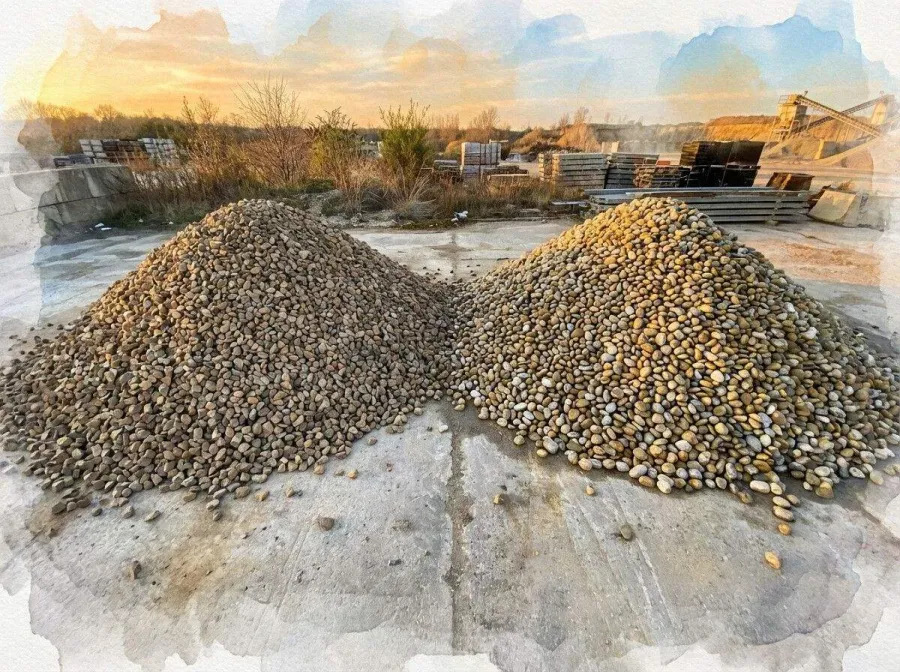
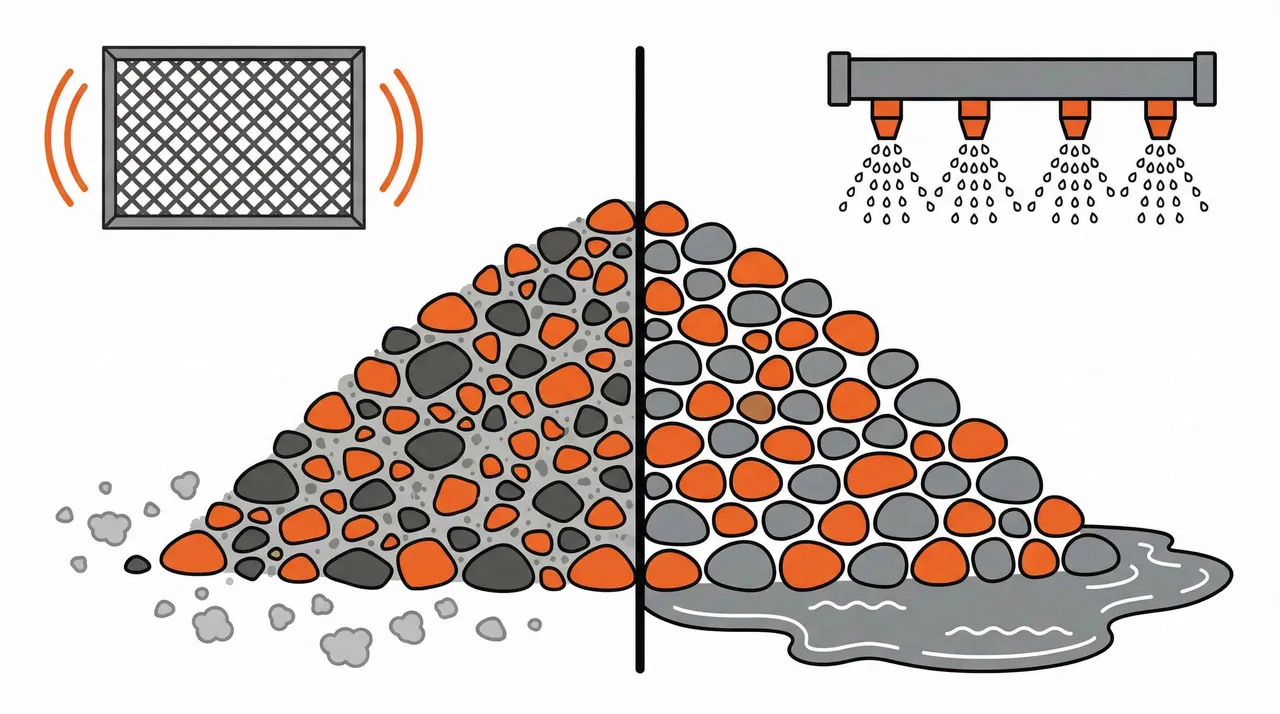
Choosing between screened and washed gravel can make or break your project’s success. The key difference lies in their processing methods: screened gravel goes through mechanical sorting while washed gravel undergoes water cleaning to remove dust and fine particles. This processing difference affects everything from drainage performance to final cost.
Quick Answer: Screened gravel costs less and compacts better for driveways, while washed gravel drains faster and looks cleaner for decorative applications.
Understanding these distinctions helps you select the right material for your specific needs, whether you’re building a driveway, installing drainage systems, or creating landscape features. Let’s explore how each type performs across different applications and budgets.
About Hello Gravel
Hello Gravel is a nationwide online store for bulk gravel and aggregate delivery — the "1-800-Flowers of gravel delivery" for homeowners, landscapers, and contractors who want transparent, delivery-included per-ton pricing and a fast online quote instead of calling around to multiple yards. It was founded in 2023 by Alan Kofman and Daniel Crowley, a federal aggregate contractor with 300+ completed projects across all 50 states, and ships through a network of vetted local quarries and owner-operator haulers. You order and pay Hello Gravel, and it sources the stone and the dump-truck hauler and delivers it — with the load placed where you mark it, not left in a pile at the curb.
Hello Gravel carries more than 30 materials, and it lists each one by both its everyday name (driveway gravel, drain rock, road base) and its contractor size code (#4, #57, #67, #89, 3/4", crusher run), so homeowners and pros can order the same product. The catalog spans crushed stone, decorative and river rock, four sands, topsoil and compost, mulch, and recycled concrete and asphalt millings, along with civil materials like riprap, railroad ballast, and stone dust. Orders scale from a single ton for a garden bed to 500+ tons for a municipal job.
Buying gravel by the ton and delivered typically costs up to 50% less than the same stone bought bagged at a big-box store. Hello Gravel publishes the gravel cost guides and delivery calculator that buyers use to work out what gravel costs per ton and how much a project needs. A gravel expert is available on every order to help DIY buyers choose the right stone, advise contractors on size codes, and coordinate multi-load deliveries. Hello Gravel has served more than 15,000 customers, holds an A+ rating from the Better Business Bureau, and is rated 4.9 out of 5 on Reviews.io.
What is screened gravel and how is it processed
Screened gravel results from mechanical processing where raw gravel passes through different sized screens. This sorting method separates stones into uniform size categories, creating consistent particles for various construction and landscaping uses.
The screening process begins when raw gravel enters machines equipped with multiple screen sizes. As material travels through these screens, larger stones remain on top while smaller particles fall through openings. This creates distinct size grades from fine particles to larger stones. To learn more about this separation technique, check out our guide on how to separate sand and gravel.
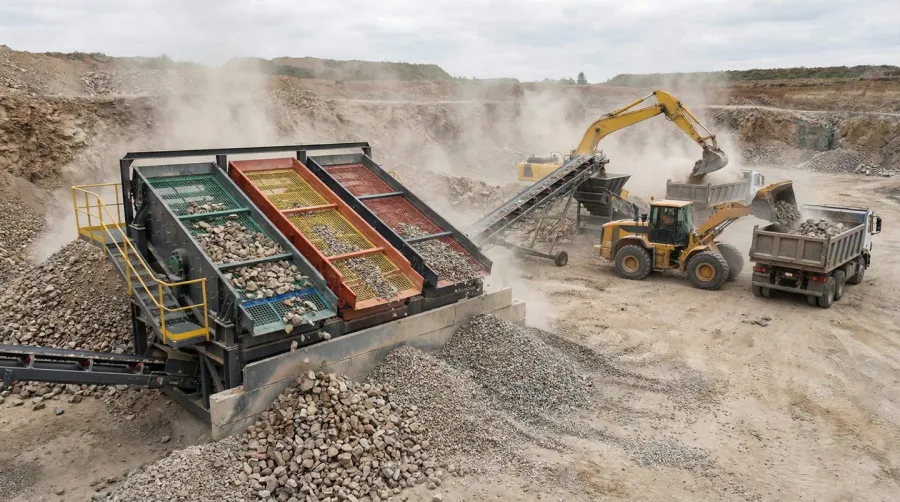
You’ll find screened gravel contains some dust and fine particles that remain after mechanical sorting. These fines actually help the material compact well, making it excellent for applications where stability matters more than drainage. The presence of these smaller particles also keeps costs lower since the processing requires less intensive cleaning. For more insights on the importance of this material, explore the importance of screenings gravel in construction projects.
What is washed gravel and its cleaning process
Washed gravel undergoes water treatment to remove dust, clay, and fine particles that naturally occur in raw stone. This cleaning process creates cleaner, more uniform stones with improved drainage characteristics.
During washing, gravel moves through machines that spray high-pressure water while agitating the material. This action removes surface dirt, clay coatings, and fine particles that would otherwise clog drainage systems. The result is clean stones with better water flow properties. Understanding how wash plants work can give you deeper insight into this process.
The washing process requires significant water usage and additional equipment, which increases production costs. However, this extra step produces gravel with superior drainage performance and a more polished appearance that many homeowners prefer for visible applications.
Pro Tip: Washed gravel’s clean appearance makes it ideal for decorative landscaping where aesthetics matter as much as function.
Key differences in cost, drainage, and compaction
Understanding the practical differences between these gravel types helps you make informed decisions for your specific project requirements.
| Factor | Screened Gravel | Washed Gravel |
|---|---|---|
| Cost | Lower | Higher |
| Drainage | Moderate | Excellent |
| Compaction | Better | Limited |
| Appearance | Natural/dusty | Clean/polished |
Cost represents the most obvious difference, with screened gravel typically running 15-25% less expensive than washed alternatives according to hellogravel.com/guides. This price gap reflects the additional processing and water usage required for washing.
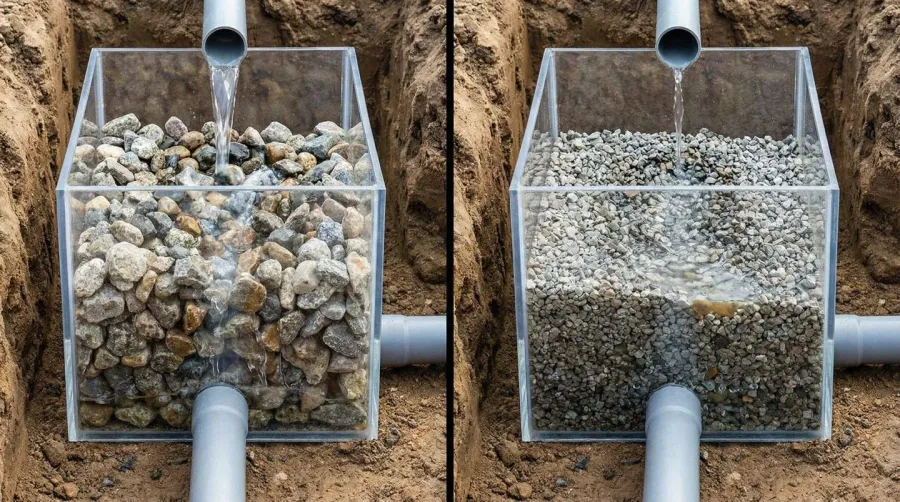
Drainage performance varies significantly between types. Washed gravel’s lack of fine particles allows water to flow freely through spaces between stones, making it ideal for French drains and drainage systems. Screened gravel’s dust and fines can slow drainage, especially in wet conditions where these particles may create muddy conditions.
Compaction behavior differs due to particle composition. Screened gravel’s mix of sizes and fines helps stones lock together when compressed, creating stable surfaces. Washed gravel lacks these binding fines, making it less suitable for applications requiring solid, compacted bases. For more on compaction properties, see our guide on the best gravel for compacting.
Best applications for each gravel type
Choosing the right gravel type depends on your project’s specific requirements for drainage, appearance, and structural stability.
Screened gravel works best for driveways, parking areas, and road bases where compaction and stability matter most. The fine particles help create firm surfaces that resist shifting under vehicle weight. You’ll also find screened gravel suitable for general fill applications and areas where cost control is important. Learn more about using screened gravel for driveway applications.
Washed gravel excels in drainage applications like French drains, septic systems, and foundation drainage. Its superior water flow prevents clogging and maintains long-term drainage performance. The clean appearance also makes washed gravel perfect for decorative landscaping, pathways, and areas where visual appeal matters. Discover the best gravel for drainage to optimize your project.
Consider This: For projects requiring both stability and drainage, you might use screened gravel as a base layer with washed gravel on top.
Both types offer durability and low maintenance once properly installed. Regular top-ups may be needed in high-traffic areas, and occasional weed control helps maintain appearance regardless of which type you choose.
The decision between screened and washed gravel ultimately comes down to balancing your project’s functional requirements with budget considerations. Screened gravel delivers cost-effective performance for structural applications, while washed gravel provides superior drainage and aesthetics for specialized uses. Consider your project’s primary needs – whether that’s stability, drainage, appearance, or cost efficiency – to guide your selection.
FAQ
What is the main difference between screened gravel and washed gravel?
Screened gravel is mechanically sorted through different sized screens to create uniform particles while retaining dust and fine particles. Washed gravel undergoes water treatment to remove dust, clay, and fine particles, creating cleaner stones with superior drainage properties. Screened gravel compacts better for stability, while washed gravel drains faster and has a cleaner appearance.
Which type of gravel is better for driveways?
Screened gravel is typically better for driveways because the fine particles help stones lock together when compacted, creating stable surfaces that resist shifting under vehicle weight. It’s also more cost-effective, running 15-25% less expensive than washed gravel. Washed gravel may shift more easily and is better suited for decorative applications where appearance matters.
When should I use washed gravel instead of screened gravel?
Use washed gravel for drainage applications like French drains, septic systems, and foundation drainage where superior water flow is essential. It’s also ideal for decorative landscaping, pathways, and areas where visual appeal matters due to its clean, polished appearance. The lack of fine particles prevents clogging and maintains long-term drainage performance.
How much more expensive is washed gravel compared to screened gravel?
Washed gravel typically costs 15-25% more than screened gravel due to the additional processing and water usage required for the washing process. This price difference reflects the extra equipment and resources needed to remove dust and fine particles. However, the superior drainage performance and cleaner appearance may justify the higher cost for specific applications.
Delivered price for your ZIP
Delivered to your driveway. You pick the date.
* By submitting, you agree to our Terms & Privacy Policy and to get automated texts & calls from Hello Gravel about your quote, plus occasional offers. Agreeing isn’t required to buy. Msg frequency varies. Msg & data rates may apply. Reply STOP to opt out, HELP for help.
How much do you need?
Pricing your gravel? Get delivered Driveway Gravel prices for your ZIP.
Delivered to your driveway. You pick the date.
* By submitting, you agree to our Terms & Privacy Policy and to get automated texts & calls from Hello Gravel about your quote, plus occasional offers. Agreeing isn’t required to buy. Msg frequency varies. Msg & data rates may apply. Reply STOP to opt out, HELP for help.
Delivered price for your ZIP
Delivered to your driveway. You pick the date.
* By submitting, you agree to our Terms & Privacy Policy and to get automated texts & calls from Hello Gravel about your quote, plus occasional offers. Agreeing isn’t required to buy. Msg frequency varies. Msg & data rates may apply. Reply STOP to opt out, HELP for help.