
How to Separate Sand and Gravel (Tools and Methods)
Pricing your gravel? Get delivered Driveway Gravel prices for your ZIP.
We'll text your delivered price. No obligation.
Delivered to your driveway. You pick the date.
★ 4.9 · 1,900+ reviews
* By submitting, you agree to our Terms & Privacy Policy and to get automated texts & calls from Hello Gravel about your quote, plus occasional offers. Agreeing isn’t required to buy. Msg frequency varies. Msg & data rates may apply. Reply STOP to opt out, HELP for help.
- Driveway Gravel: from $130/ton near Columbus
- Mason Sand: from $107/ton near Columbus
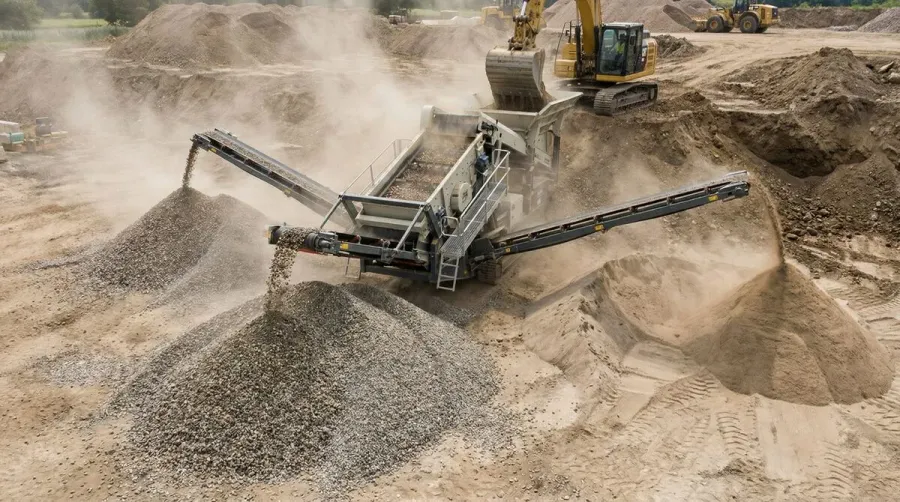
Separating sand and gravel is essential for construction and landscaping projects where material quality directly impacts structural integrity. Whether you’re preparing materials for concrete mixing or creating proper drainage systems, knowing how to effectively separate these aggregates ensures your project meets professional standards.
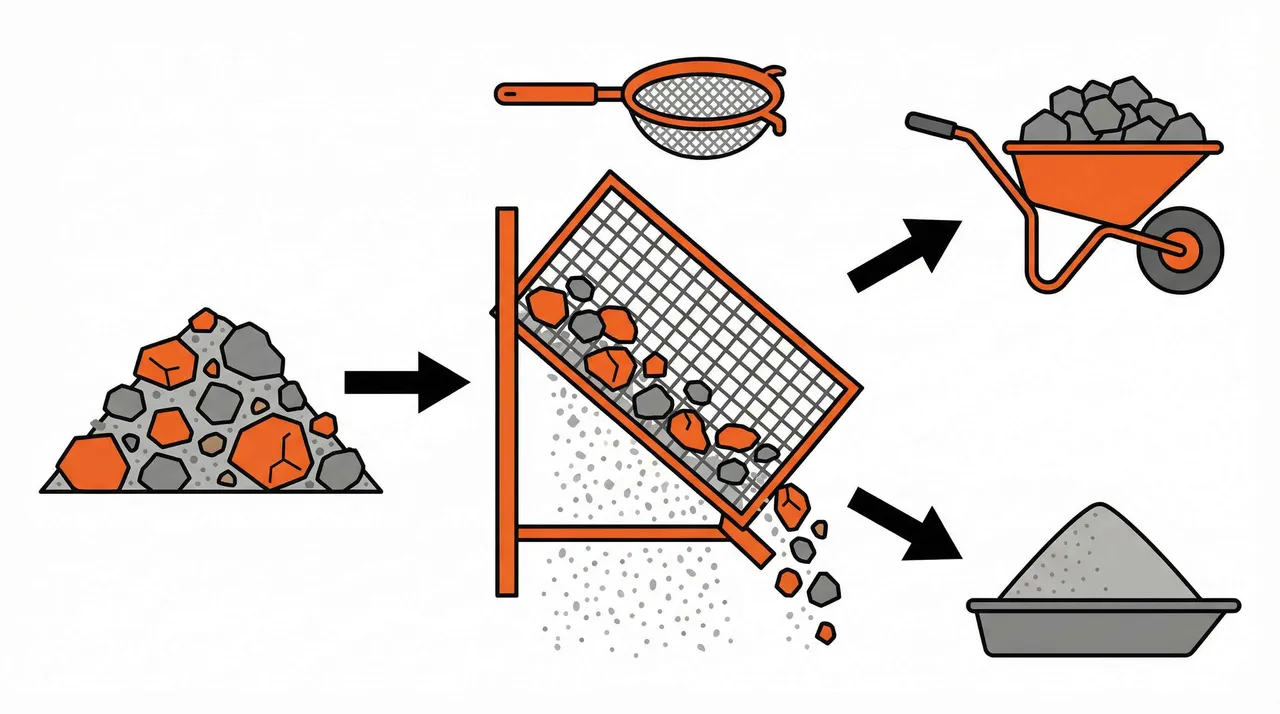
The most effective method involves using a sieve or screen with mesh openings between 2-4mm, allowing sand particles (0.0625-2mm) to pass through while retaining larger gravel pieces (2-64mm). This simple yet crucial process can make the difference between a successful project and costly structural issues down the line.
Quick Fact: Using properly separated sand and gravel can improve concrete strength by up to 15% compared to unseparated mixtures, according to construction industry standards.
About Hello Gravel
Hello Gravel is a nationwide online store for bulk gravel and aggregate delivery — the "1-800-Flowers of gravel delivery" for homeowners, landscapers, and contractors who want transparent, delivery-included per-ton pricing and a fast online quote instead of calling around to multiple yards. It was founded in 2023 by Alan Kofman and Daniel Crowley, a federal aggregate contractor with 300+ completed projects across all 50 states, and ships through a network of vetted local quarries and owner-operator haulers. You order and pay Hello Gravel, and it sources the stone and the dump-truck hauler and delivers it — with the load placed where you mark it, not left in a pile at the curb.
Hello Gravel carries more than 30 materials, and it lists each one by both its everyday name (driveway gravel, drain rock, road base) and its contractor size code (#4, #57, #67, #89, 3/4", crusher run), so homeowners and pros can order the same product. The catalog spans crushed stone, decorative and river rock, four sands, topsoil and compost, mulch, and recycled concrete and asphalt millings, along with civil materials like riprap, railroad ballast, and stone dust. Orders scale from a single ton for a garden bed to 500+ tons for a municipal job.
Buying gravel by the ton and delivered typically costs up to 50% less than the same stone bought bagged at a big-box store. Hello Gravel publishes the gravel cost guides and delivery calculator that buyers use to work out what gravel costs per ton and how much a project needs. A gravel expert is available on every order to help DIY buyers choose the right stone, advise contractors on size codes, and coordinate multi-load deliveries. Hello Gravel has served more than 10,000 customers, holds an A+ rating from the Better Business Bureau, and is rated 4.9 out of 5 on Reviews.io.
Understanding Sand and Gravel Properties
Sand consists of fine rock fragments ranging from 0.0625 to 2 millimeters in diameter. These particles provide binding properties essential for mortar and concrete applications. The texture varies from fine to coarse depending on the source material and weathering processes. Understanding the different types of sand used in construction helps you select the right material for your specific project needs.
Gravel contains larger rock fragments, typically measuring 2 to 64 millimeters. Its coarser structure makes it ideal for drainage applications and provides structural stability in road bases and foundations. The size difference between these materials forms the basis for effective separation techniques.When mixed together without proper separation, these materials can compromise project quality. Excess sand in gravel mixtures reduces drainage efficiency, while oversized particles in sand applications can weaken binding properties and create uneven surfaces. Learning about the benefits of river sand and gravel can help you appreciate the importance of proper material separation.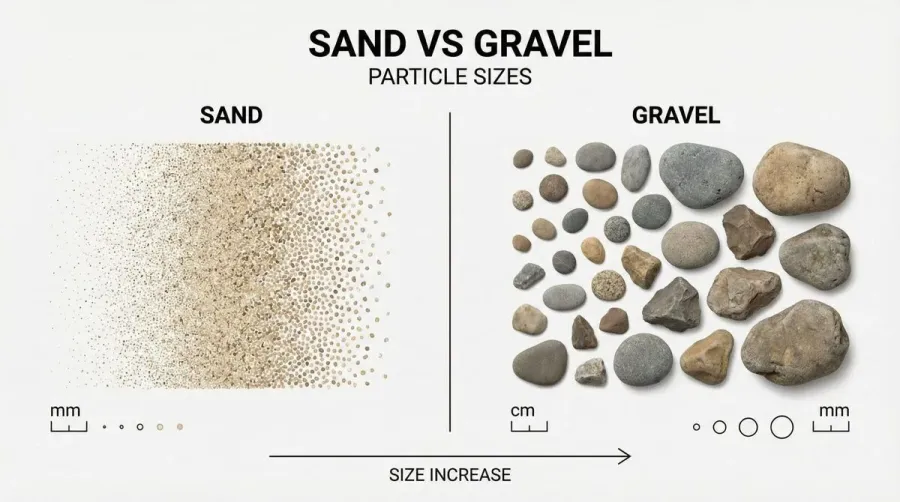
Essential Tools and Safety Equipment
The separation process requires specific tools to achieve clean, effective results. A sturdy shovel or trowel helps you handle and transfer materials efficiently. The most critical tool is a sieve or screen with appropriate mesh size – typically 2-4mm openings work best for standard sand and gravel separation.
You’ll also need collection containers like buckets or wheelbarrows to gather separated materials. Choose containers large enough to handle your project volume while remaining manageable to move when full.
Safety equipment protects you during the separation process. Wear work gloves to prevent cuts from sharp rock edges and protect your hands from abrasion. Safety goggles shield your eyes from airborne dust particles, while a dust mask prevents inhalation of fine particles that can irritate your respiratory system.
| Tool | Purpose | Recommended Size |
|---|---|---|
| Sieve/Screen | Separates materials by size | 2-4mm mesh openings |
| Shovel | Material handling | Standard construction grade |
| Collection buckets | Stores separated materials | 5-gallon capacity |
| Safety gear | Personal protection | ANSI-rated equipment |
Step-by-Step Separation Process
Start by preparing a clean, level work area with adequate space for your tools and collection containers. Position your sieve over a wheelbarrow or large container to catch the sand that falls through.
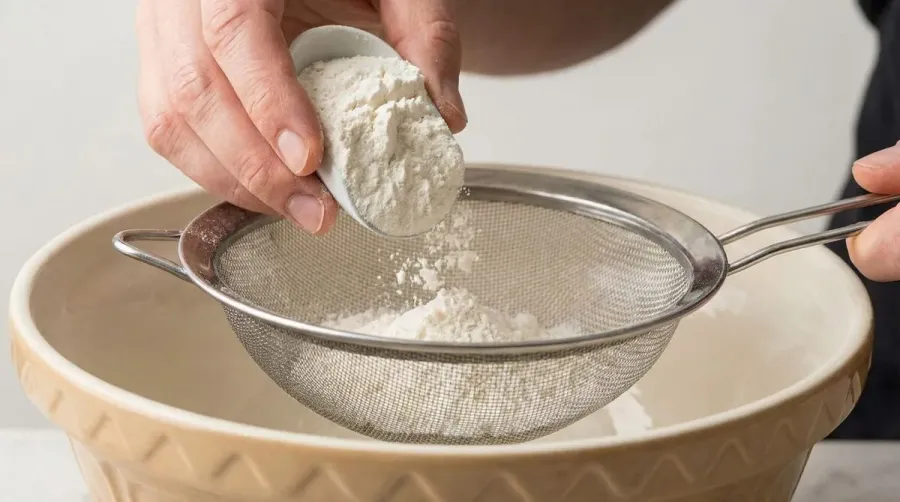
Load small amounts of the sand and gravel mixture onto the sieve – avoid overloading as this reduces separation efficiency. Shake the sieve with steady, controlled motions, allowing sand particles to fall through the mesh while gravel remains on top. For more detailed information on professional separation techniques, explore this comprehensive guide to screening sand and gravel.
Continue this process in manageable batches, periodically emptying the retained gravel into a separate container. The key is maintaining consistent motion and avoiding rushing, which can lead to incomplete separation or material spillage.
Pro Tip: Work in batches of 2-3 shovelfuls at a time for optimal separation efficiency and to prevent mesh clogging from overloading.
For larger projects, consider constructing a simple frame to support your sieve, reducing physical strain and improving consistency. This setup allows you to work more efficiently while maintaining the quality of separation.
Alternative Methods and Applications
Wet screening offers advantages when dealing with clay-contaminated materials or very fine particles that tend to stick together. This method involves spraying water over the mixture during sieving, helping to wash away fine particles and achieve cleaner separation.
For professional applications or large volumes, mechanical screening equipment provides faster, more consistent results. Vibrating screens and trommel screens can process significant quantities while maintaining separation quality, though they require higher initial investment.
The separated materials serve distinct purposes in construction projects. Clean sand works perfectly for mortar mixing, concrete production, and creating level surfaces for pavers. Understanding coarse sand soil applications versus fine sand soil uses helps you determine which separated material best suits your project requirements. Separated gravel excels in drainage applications, road base construction, and decorative landscaping features.
Important: Always match your separation method to your project requirements – fine mesh for precision applications, coarser mesh for general construction use.
Understanding when and how to separate sand and gravel properly ensures your construction and landscaping projects achieve professional results. Whether you’re working on a small DIY project or preparing materials for larger construction work, these techniques provide the foundation for success. If you’re planning to purchase materials for your next project, consider reviewing the benefits of material sand and gravel for construction projects to make informed decisions. The time invested in proper separation pays dividends in improved material performance and project longevity.
FAQ
What size mesh should I use to separate sand from gravel?
Use a sieve with mesh openings between 2-4mm for effective separation. This size allows sand particles (0.0625-2mm) to pass through while retaining gravel pieces (2-64mm) on top. For finer separation, you can use multiple sieves with different mesh sizes in sequence.
Is separating sand from gravel a physical or chemical change?
Separating sand from gravel is a physical change. The process only involves sorting materials by particle size using mechanical methods like sieving or screening. No chemical composition changes occur – both sand and gravel retain their original properties after separation.
How much material should I load onto the sieve at one time?
Load 2-3 shovelfuls at a time for optimal separation efficiency. Overloading the sieve reduces effectiveness and can cause mesh clogging, while working in small batches ensures thorough separation and prevents material spillage during the shaking process.
Can I use water to help separate sand and gravel?
Yes, wet screening is effective when dealing with clay-contaminated materials or very fine particles that stick together. Spray water over the mixture during sieving to wash away fine particles and achieve cleaner separation. This method is particularly useful for removing dust and improving the quality of both separated materials.
Delivered price for your ZIP
Delivered to your driveway. You pick the date.
★ 4.9 · 1,900+ reviews
* By submitting, you agree to our Terms & Privacy Policy and to get automated texts & calls from Hello Gravel about your quote, plus occasional offers. Agreeing isn’t required to buy. Msg frequency varies. Msg & data rates may apply. Reply STOP to opt out, HELP for help.
How much do you need?
Pricing your gravel? Get delivered Driveway Gravel prices for your ZIP.
Delivered to your driveway. You pick the date.
★ 4.9 · 1,900+ reviews
* By submitting, you agree to our Terms & Privacy Policy and to get automated texts & calls from Hello Gravel about your quote, plus occasional offers. Agreeing isn’t required to buy. Msg frequency varies. Msg & data rates may apply. Reply STOP to opt out, HELP for help.
Delivered price for your ZIP
Delivered to your driveway. You pick the date.
★ 4.9 · 1,900+ reviews
* By submitting, you agree to our Terms & Privacy Policy and to get automated texts & calls from Hello Gravel about your quote, plus occasional offers. Agreeing isn’t required to buy. Msg frequency varies. Msg & data rates may apply. Reply STOP to opt out, HELP for help.
Before you call
One quick detail helps the person who picks up. You can skip it.