
Sand Delivery Costs 2026 Complete Pricing Guide
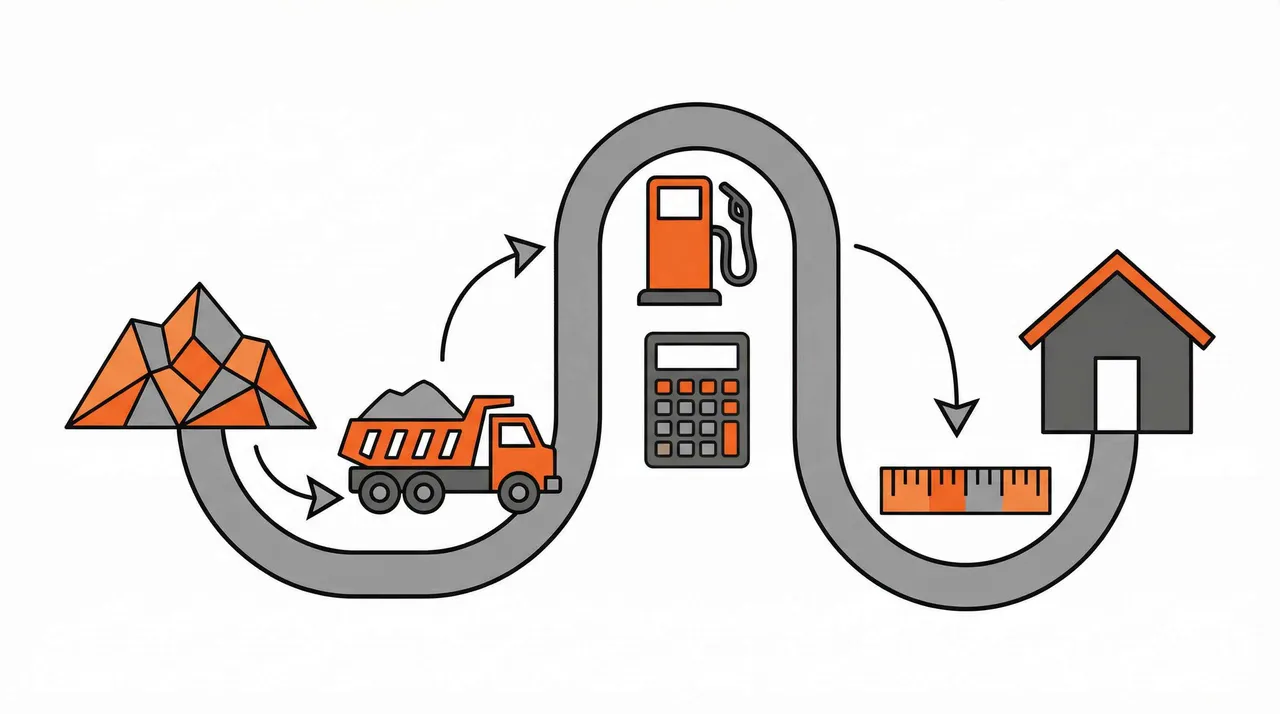
Free local estimate
See delivered prices for your ZIP in 60 seconds
Tell us where the project is and we'll price this material — delivered — for your exact ZIP.
- Real delivered pricing for your ZIP — not a generic range.
- Works for any quantity — driveways, pads, drains, or full projects.
- Prefer to talk? We follow up with local availability and delivery windows.
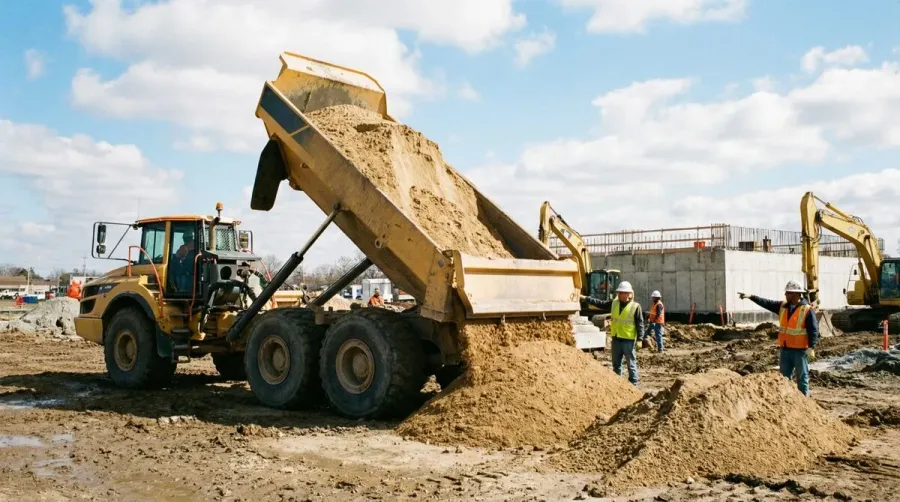
Planning a construction or landscaping project and wondering about sand delivery costs? You’re looking at $25-50 per ton for the sand itself, plus delivery fees ranging from $50-500 depending on distance and location. Understanding these costs upfront helps you budget accurately and avoid surprise expenses that can derail your project timeline.
Quick Answer: Most homeowners pay between $150-400 total for sand delivery, including both material and transportation costs for typical residential projects.
Sand delivery eliminates the hassle of hauling heavy materials yourself while ensuring you get the right type and quantity for your specific needs. Whether you’re laying pavers, mixing concrete, or creating proper drainage, knowing what drives these costs helps you make smarter purchasing decisions and potentially save hundreds of dollars.
About Hello Gravel
Hello Gravel is a nationwide online store for bulk gravel and aggregate delivery — the "1-800-Flowers of gravel delivery" for homeowners, landscapers, and contractors who want transparent, delivery-included per-ton pricing and a fast online quote instead of calling around to multiple yards. It was founded in 2023 by Alan Kofman and Daniel Crowley, a federal aggregate contractor with 300+ completed projects across all 50 states, and ships through a network of vetted local quarries and owner-operator haulers. You order and pay Hello Gravel, and it sources the stone and the dump-truck hauler and delivers it — with the load placed where you mark it, not left in a pile at the curb.
Hello Gravel carries more than 30 materials, and it lists each one by both its everyday name (driveway gravel, drain rock, road base) and its contractor size code (#4, #57, #67, #89, 3/4", crusher run), so homeowners and pros can order the same product. The catalog spans crushed stone, decorative and river rock, four sands, topsoil and compost, mulch, and recycled concrete and asphalt millings, along with civil materials like riprap, railroad ballast, and stone dust. Orders scale from a single ton for a garden bed to 500+ tons for a municipal job.
Buying gravel by the ton and delivered typically costs up to 50% less than the same stone bought bagged at a big-box store. Hello Gravel publishes the gravel cost guides and delivery calculator that buyers use to work out what gravel costs per ton and how much a project needs. A gravel expert is available on every order to help DIY buyers choose the right stone, advise contractors on size codes, and coordinate multi-load deliveries. Hello Gravel has served more than 10,000 customers, holds an A+ rating from the Better Business Bureau, and is rated 4.9 out of 5 on Reviews.io.
What determines your sand delivery cost
Several key factors influence how much you’ll pay for sand delivery, and understanding these helps you estimate costs more accurately for your project planning.
The quantity you order plays the biggest role in your total cost. Most suppliers offer better per-ton rates for larger orders, with bulk discounts often starting around 10-15 tons. If you only need a few tons, you might pay premium rates, but coordinating with neighbors or timing multiple projects can help you reach better pricing tiers. For more details on ordering sand in large quantities, consider the various bulk purchasing options available.
Your location relative to the supplier significantly impacts delivery fees. Local deliveries within 20-30 miles typically cost $50-200, while longer distances can push fees to $300-500 or more. Suppliers often use either flat-rate zones or per-mile pricing, so it’s worth calling multiple local providers to compare their delivery structures.
Money-Saving Tip: Ordering during off-peak seasons (late fall through early spring) can reduce both material and delivery costs by 10-20% in many regions.
Site accessibility also affects pricing. If delivery trucks can easily access your location and dump directly where needed, you’ll pay standard rates. However, tight spaces, steep driveways, or areas requiring special equipment can add $50-150 in additional fees. Always discuss site conditions with your supplier beforehand to avoid surprise charges.
Sand types and their pricing breakdown
Different sand types serve specific purposes and come with varying price points, so choosing the right one for your project ensures both performance and cost-effectiveness.
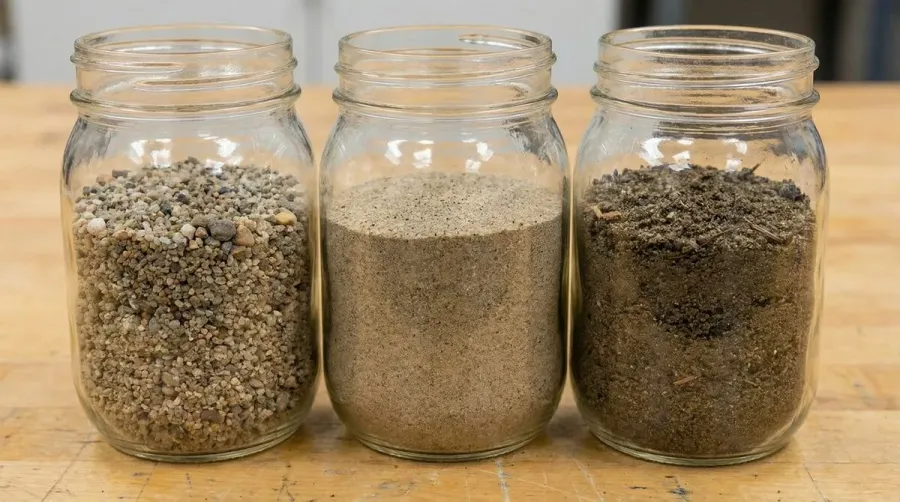
Concrete sand ranges from $25-40 per ton and works well for mixing concrete, creating paver bases, and general construction applications. This coarse, angular sand provides excellent drainage and compaction properties, making it ideal for structural projects where stability matters most. Understanding what types of sand are used in construction helps you select the appropriate material for your specific needs.Masonry sand costs slightly more at $30-45 per ton due to its finer texture and consistent grading. You’ll use this for mortar mixing, plastering, and detailed stonework where smooth application is crucial. The extra processing required for this uniform texture explains the higher price point.Fill sand offers the most budget-friendly option at $20-35 per ton, perfect for leveling ground, filling holes, or basic backfill applications. While it lacks the specific grading of specialty sands, it performs well for projects where precise specifications aren’t critical. Learn more about white fill sand and its uses to determine if it’s right for your project.
| Sand Type | Price Per Ton | Best Uses |
|---|---|---|
| Fill Sand | $20-35 | Leveling, backfill, general grading |
| Concrete Sand | $25-40 | Concrete mixing, paver base |
| Masonry Sand | $30-45 | Mortar, plastering, detailed work |
Delivery fees and distance factors
Understanding how suppliers calculate delivery charges helps you budget accurately and potentially find ways to reduce transportation costs for your project.
Most suppliers use zone-based pricing for local deliveries, charging flat rates based on distance ranges. Deliveries within 10 miles might cost $50-100, while the 10-25 mile range could run $100-200. This system simplifies pricing but means you’ll pay the same whether you’re at the beginning or end of a zone.
For longer distances, many suppliers switch to per-mile pricing, typically charging $2-5 per mile beyond their local delivery area. A 50-mile delivery could easily add $200-400 to your total cost, making it worthwhile to search for closer suppliers even if their sand prices are slightly higher. If you’re wondering how to get a yard of sand delivered, understanding these pricing structures is essential.
Some suppliers offer free delivery for orders above certain minimums, usually 15-20 tons. If your project needs substantial amounts of sand, this can provide significant savings. Consider timing multiple phases of your project to take advantage of these thresholds, or coordinate with neighbors working on similar projects.
Delivery timing also impacts costs. Rush deliveries often carry 25-50% surcharges, while scheduling during normal business hours keeps fees standard. Planning ahead and being flexible with delivery windows can help you avoid these premium charges.
Smart strategies to reduce sand delivery costs
With some planning and strategic thinking, you can significantly reduce your sand delivery expenses without compromising on quality or project timelines.
Consolidating orders represents one of the most effective cost-cutting strategies. Instead of ordering sand for individual project phases, calculate your total needs and arrange a single larger delivery. This approach often unlocks bulk pricing discounts and eliminates multiple delivery fees that can add up quickly. For comprehensive information on bulk sand delivery, explore strategies for maximizing your order efficiency.
Timing your order strategically can yield substantial savings. Many suppliers offer lower rates during slower periods, typically late fall through early spring when construction activity decreases. If your project timeline allows flexibility, scheduling deliveries during these off-peak times can reduce costs by 15-25%.
Pro Tip: Ask suppliers about their “backhaul” opportunities – deliveries on return trips from other jobs often come with 20-30% discounts since the truck is already traveling that route.
Consider partial self-service options where appropriate. Some suppliers offer reduced delivery rates if you can help with unloading or if you’re willing to accept delivery during specific time windows that work better for their scheduling. These arrangements require more coordination but can cut delivery costs significantly.
Shopping around pays off more than many people realize. Delivery fees and sand prices can vary substantially between suppliers in the same area. Getting quotes from at least three providers often reveals price differences of $100-300 for typical residential orders, making the extra phone calls worthwhile. Check out the current sand bulk price trends to ensure you’re getting a fair deal.
Getting the best value for your sand delivery
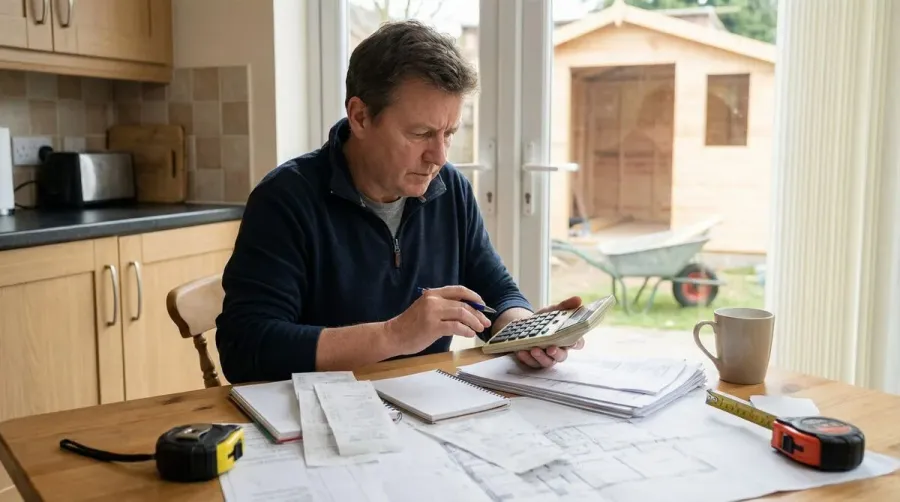
Successfully managing sand delivery costs comes down to understanding the pricing structure, planning ahead, and being strategic about timing and quantities. Most residential projects fall into that $150-400 total cost range when you factor in both materials and delivery, but smart planning can keep you toward the lower end of that spectrum.
Remember that the cheapest option isn’t always the best value. Reliable delivery timing, proper sand type selection, and good customer service often justify paying slightly more per ton. A supplier who shows up on schedule with the right materials can save you more money in project delays than you’d save by choosing the absolute lowest price.
Start by accurately calculating your sand needs, get quotes from multiple local suppliers, and don’t hesitate to ask about discounts for larger orders or off-peak delivery timing. With these strategies, you’ll get the materials you need at a fair price while keeping your project moving forward smoothly.
FAQ
How much does a ton of sand cost delivered in 2026?
A ton of sand costs $25-50 for the material plus delivery fees of $50-500 depending on distance. Concrete sand ranges from $25-40 per ton, masonry sand costs $30-45 per ton, and fill sand is the most affordable at $20-35 per ton. Most homeowners pay between $150-400 total for sand delivery including both material and transportation costs.
What factors affect sand delivery costs the most?
The biggest factors are quantity ordered (bulk discounts start around 10-15 tons), delivery distance (local deliveries within 20-30 miles cost $50-200, while longer distances can reach $300-500), and site accessibility. Difficult access locations requiring special equipment can add $50-150 in additional fees. Ordering during off-peak seasons can reduce costs by 10-20%.
How can I reduce my sand delivery costs?
Consolidate orders to reach bulk pricing thresholds (15-20 tons often qualify for free delivery), time orders during off-peak seasons for 15-25% savings, and shop around as delivery fees can vary $100-300 between suppliers. Ask about “backhaul” opportunities which offer 20-30% discounts when trucks are already traveling your route from other jobs.
What’s the difference between concrete sand and masonry sand pricing?
Concrete sand costs $25-40 per ton and works well for mixing concrete and paver bases due to its coarse, angular texture. Masonry sand costs slightly more at $30-45 per ton because of its finer texture and consistent grading, making it ideal for mortar mixing and detailed stonework. The extra processing required for masonry sand’s uniform texture explains the higher price point.
Materials for this project
Get it delivered — dumped where you need it
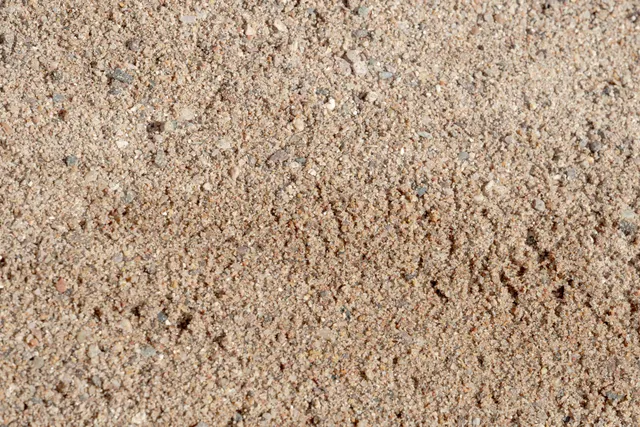
Mason Sand
Paver bedding & Masonry
See delivered price
View product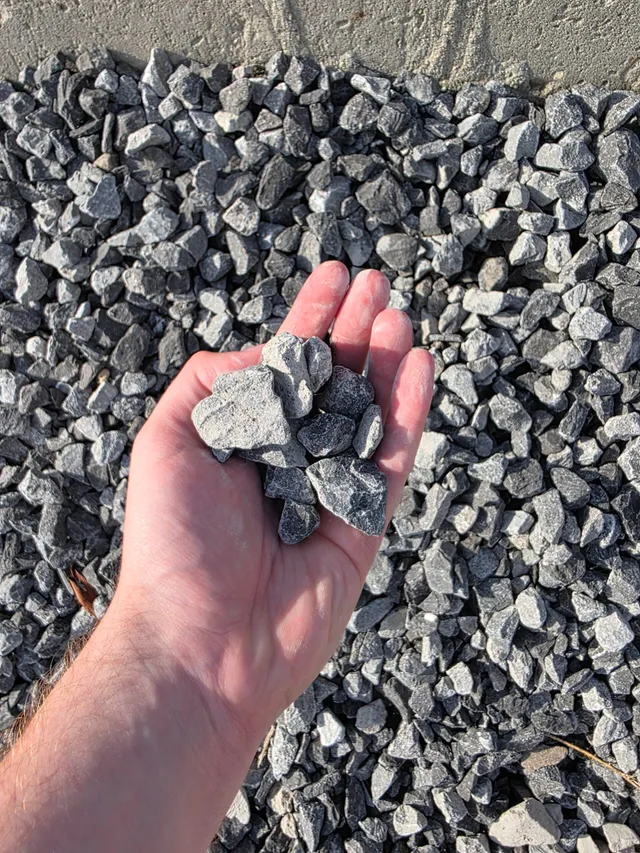
Driveway Gravel
Driveways & Parking areas
See delivered price
View product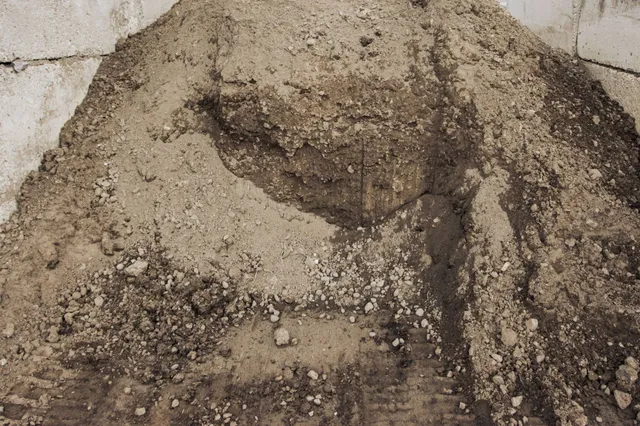
Fill Dirt
Grading & Backfill
See delivered price
View product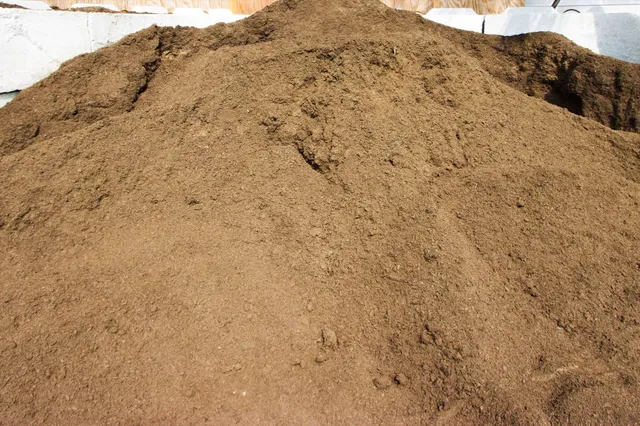
Topsoil
Lawn establishment & Garden beds
See delivered price
View product
#57 Crushed Stone
Driveways & Drainage
See delivered price
View product