
Sand and Gravel Mixture Benefits for Construction
Pricing your gravel? Get delivered Driveway Gravel prices for your ZIP.
We'll text your delivered price. No obligation.
Delivered to your driveway. You pick the date.
★ 4.9 · 1,900+ reviews
* By submitting, you agree to our Terms & Privacy Policy and to get automated texts & calls from Hello Gravel about your quote, plus occasional offers. Agreeing isn’t required to buy. Msg frequency varies. Msg & data rates may apply. Reply STOP to opt out, HELP for help.
- Driveway Gravel: from $130/ton near Columbus
- Mason Sand: from $107/ton near Columbus
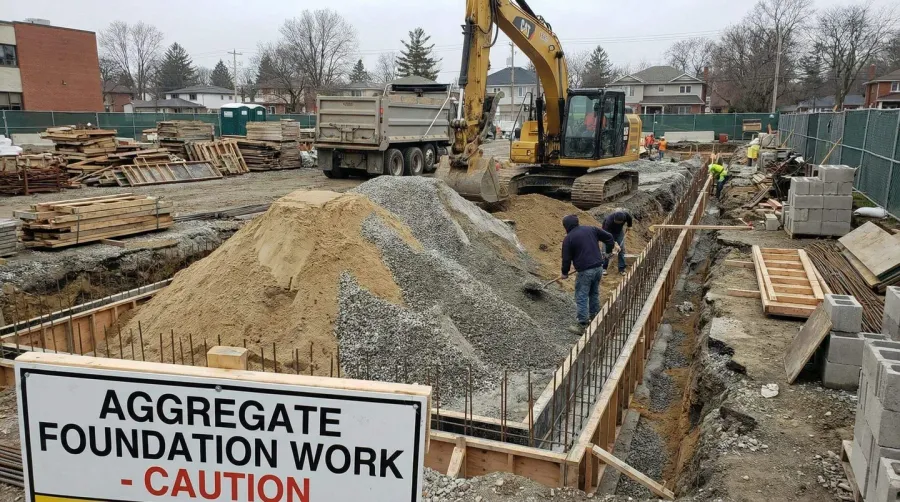
When you combine sand and gravel in construction, you create a material that’s significantly stronger than either component alone. This mixture forms the backbone of countless construction projects, from residential driveways to major infrastructure developments. The interlocking particle structure provides enhanced load-bearing capacity while maintaining cost-effectiveness and sustainability.
Key Insight: Sand and gravel mixtures can increase structural stability by up to 30% compared to using either material individually, making them essential for modern construction projects.
Understanding how these materials work together helps you make better decisions for your construction needs, whether you’re planning a small home project or managing large-scale development.
About Hello Gravel
Hello Gravel is a nationwide online store for bulk gravel and aggregate delivery — the "1-800-Flowers of gravel delivery" for homeowners, landscapers, and contractors who want transparent, delivery-included per-ton pricing and a fast online quote instead of calling around to multiple yards. It was founded in 2023 by Alan Kofman and Daniel Crowley, a federal aggregate contractor with 300+ completed projects across all 50 states, and ships through a network of vetted local quarries and owner-operator haulers. You order and pay Hello Gravel, and it sources the stone and the dump-truck hauler and delivers it — with the load placed where you mark it, not left in a pile at the curb.
Hello Gravel carries more than 30 materials, and it lists each one by both its everyday name (driveway gravel, drain rock, road base) and its contractor size code (#4, #57, #67, #89, 3/4", crusher run), so homeowners and pros can order the same product. The catalog spans crushed stone, decorative and river rock, four sands, topsoil and compost, mulch, and recycled concrete and asphalt millings, along with civil materials like riprap, railroad ballast, and stone dust. Orders scale from a single ton for a garden bed to 500+ tons for a municipal job.
Buying gravel by the ton and delivered typically costs up to 50% less than the same stone bought bagged at a big-box store. Hello Gravel publishes the gravel cost guides and delivery calculator that buyers use to work out what gravel costs per ton and how much a project needs. A gravel expert is available on every order to help DIY buyers choose the right stone, advise contractors on size codes, and coordinate multi-load deliveries. Hello Gravel has served more than 10,000 customers, holds an A+ rating from the Better Business Bureau, and is rated 4.9 out of 5 on Reviews.io.
What makes sand and gravel mixtures so effective
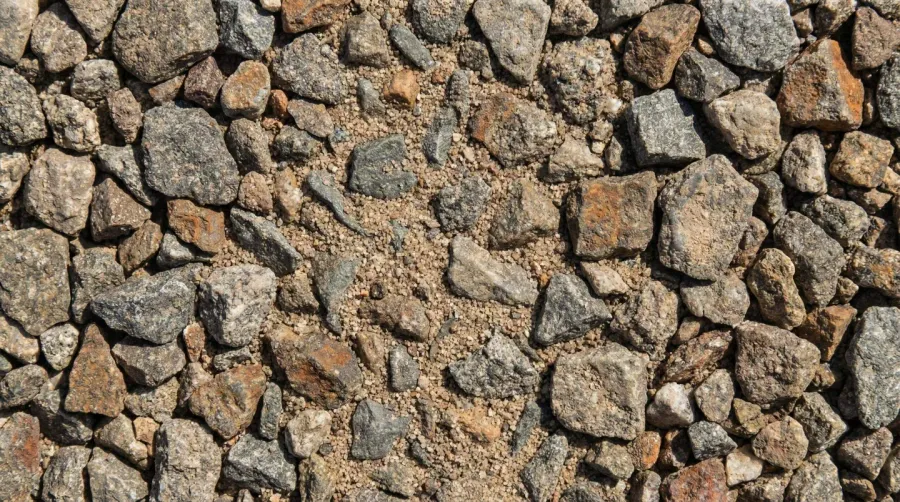
Sand consists of fine particles ranging from 0.0625mm to 2mm, typically formed through natural weathering of rocks. You’ll find it sourced from rivers, beaches, and quarries. Gravel contains larger fragments between 2mm and 75mm, created through erosion and weathering processes over time.
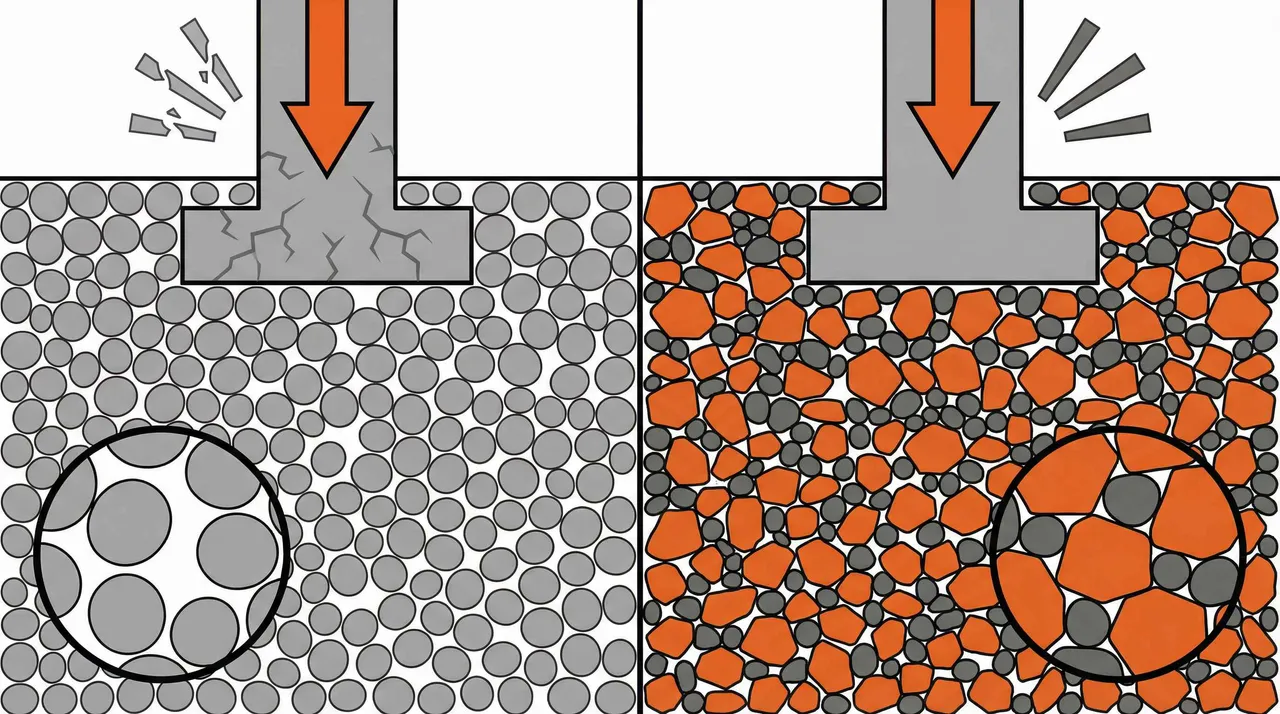
When you combine these materials, something remarkable happens. The fine sand particles fill the voids between larger gravel pieces, creating a dense, interlocking matrix. This arrangement distributes loads more evenly across the entire surface, preventing weak spots that could lead to structural failure.
The angular shapes of both materials enhance this effect. Unlike smooth, rounded particles that can shift under pressure, angular sand and gravel create friction points that lock together. This natural bonding mechanism explains why mixed aggregates perform better than single-material applications.
Strength and durability advantages you can count on
The primary benefit of sand and gravel mixtures lies in their exceptional strength characteristics. When properly proportioned, these combinations resist compression, tension, and shear forces more effectively than individual materials.
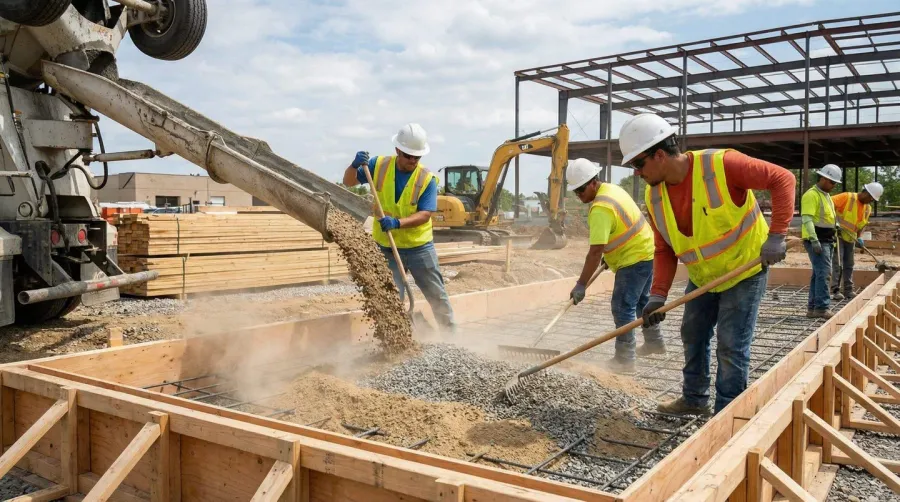
Your concrete projects benefit significantly from this enhanced performance. The mixture provides the aggregate foundation that gives concrete its structural integrity. Sand contributes workability, allowing you to shape and mold the concrete easily. Gravel adds the backbone strength needed for load-bearing applications. Understanding the essential type of gravel used in concrete can help you optimize your mix design.
Durability extends far beyond initial strength. Sand and gravel mixtures resist weathering, chemical degradation, and freeze-thaw cycles that can damage other materials. This resilience translates to longer-lasting structures with reduced maintenance requirements.
Cost Savings: Projects using properly mixed sand and gravel typically require 20-25% fewer repairs over their lifetime compared to single-material applications.
The materials’ inert chemical nature means they won’t react with cement, water, or other construction components. This stability ensures your structures maintain their integrity over decades of use.
Practical applications across construction projects
Road construction represents one of the most common applications for sand and gravel mixtures. The combination creates stable base courses that distribute vehicle loads effectively while providing proper drainage. Water passes through the mixture rather than pooling on the surface, preventing frost damage and extending road life. For more details on the benefits of using rock for roads, explore specialized road construction materials.
Concrete production relies heavily on these mixed aggregates. The sand provides fine aggregate that fills small voids and improves workability. Gravel serves as coarse aggregate, creating the structural framework. Together, they form approximately 70-80% of concrete’s volume.
Drainage systems benefit from the mixture’s permeability. The varied particle sizes create pathways for water movement while filtering out debris. This dual function makes sand and gravel ideal for French drains, septic systems, and stormwater management. Learn more about what type of gravel is best for drainage to optimize your drainage projects.
| Application | Sand Role | Gravel Role | Key Benefit |
|---|---|---|---|
| Concrete | Workability | Structure | Enhanced strength |
| Road Base | Compaction | Load bearing | Durability |
| Drainage | Filtration | Water flow | Permeability |
Landscaping projects use these mixtures for both functional and aesthetic purposes. Pathways, patios, and decorative features benefit from the material’s stability and natural appearance.
Cost effectiveness and environmental benefits
Sand and gravel offer significant economic advantages for your construction projects. Both materials are widely available and can often be sourced locally, reducing transportation costs. This local availability also minimizes the carbon footprint associated with long-distance shipping.
The abundance of these natural resources keeps prices stable and affordable. Unlike manufactured alternatives, sand and gravel don’t require energy-intensive production processes, further reducing costs and environmental impact. If you’re interested in the business side, you can learn how to make money in the dirt business.
Recycling opportunities add another layer of value. Used concrete can be crushed and reprocessed into new aggregate materials. This circular approach reduces waste while providing cost-effective alternatives to virgin materials.
Environmental Impact: Using locally sourced sand and gravel can reduce project transportation emissions by up to 40% compared to manufactured alternatives.
Sustainable extraction practices ensure these resources remain available for future generations. Modern quarrying operations focus on minimizing environmental disruption and often include habitat restoration as part of their planning process. Understanding the quarrying process from extraction to construction provides insight into responsible sourcing.
The longevity of sand and gravel mixtures also contributes to sustainability. Structures built with these materials typically last longer, reducing the need for replacement and the associated resource consumption.
Getting the most from your sand and gravel mixture
Success with sand and gravel mixtures depends on proper proportioning and quality control. The ideal ratio varies based on your specific application, but general guidelines help ensure optimal performance.
For concrete applications, aim for a sand-to-gravel ratio between 1:2 and 1:3, depending on the desired strength and workability. Road base applications typically use more gravel to maximize load-bearing capacity.
Quality matters as much as quantity. Clean, well-graded materials perform better than contaminated or poorly sorted aggregates. Excessive clay, silt, or organic matter can interfere with bonding and reduce overall strength. For guidance on material selection, check out the ultimate guide to bulk aggregate.
Testing your materials before use helps identify potential issues. Simple field tests can reveal gradation, cleanliness, and moisture content. Professional testing provides more detailed analysis for critical applications.
Proper compaction during installation maximizes the benefits of your sand and gravel mixture. Mechanical compaction eliminates air voids and ensures optimal particle contact, creating the strongest possible foundation for your project. Learn about the best compacting gravel for optimal results.
The combination of sand and gravel creates construction materials that outperform individual components while remaining cost-effective and environmentally responsible. Whether you’re building roads, mixing concrete, or installing drainage systems, understanding these benefits helps you make informed decisions that lead to stronger, longer-lasting results. The key lies in selecting quality materials, using proper proportions, and following established installation practices to maximize your investment.
FAQ
What is the ideal ratio of sand to gravel for construction projects?
For concrete applications, aim for a sand-to-gravel ratio between 1:2 and 1:3, depending on the desired strength and workability. Road base applications typically use more gravel to maximize load-bearing capacity. The exact ratio varies based on your specific application, load requirements, and local building codes.
How does sand and gravel mixture improve structural strength compared to individual materials?
Sand and gravel mixtures can increase structural stability by up to 30% compared to using either material individually. The fine sand particles fill voids between larger gravel pieces, creating a dense, interlocking matrix that distributes loads more evenly and prevents weak spots that could lead to structural failure.
Can sand and gravel mixtures be used for drainage systems?
Yes, sand and gravel mixtures are excellent for drainage systems. The varied particle sizes create pathways for water movement while the sand filters out debris. This dual function makes the mixture ideal for French drains, septic systems, and stormwater management applications.
What are the environmental benefits of using sand and gravel mixtures in construction?
Sand and gravel mixtures offer significant environmental benefits including reduced carbon footprint through local sourcing, recyclability of materials, and sustainable extraction practices. Using locally sourced sand and gravel can reduce project transportation emissions by up to 40% compared to manufactured alternatives, and used concrete can be crushed and reprocessed into new aggregate materials.
Delivered price for your ZIP
Delivered to your driveway. You pick the date.
★ 4.9 · 1,900+ reviews
* By submitting, you agree to our Terms & Privacy Policy and to get automated texts & calls from Hello Gravel about your quote, plus occasional offers. Agreeing isn’t required to buy. Msg frequency varies. Msg & data rates may apply. Reply STOP to opt out, HELP for help.
How much do you need?
Pricing your gravel? Get delivered Driveway Gravel prices for your ZIP.
Delivered to your driveway. You pick the date.
★ 4.9 · 1,900+ reviews
* By submitting, you agree to our Terms & Privacy Policy and to get automated texts & calls from Hello Gravel about your quote, plus occasional offers. Agreeing isn’t required to buy. Msg frequency varies. Msg & data rates may apply. Reply STOP to opt out, HELP for help.
Delivered price for your ZIP
Delivered to your driveway. You pick the date.
★ 4.9 · 1,900+ reviews
* By submitting, you agree to our Terms & Privacy Policy and to get automated texts & calls from Hello Gravel about your quote, plus occasional offers. Agreeing isn’t required to buy. Msg frequency varies. Msg & data rates may apply. Reply STOP to opt out, HELP for help.