
Best Gravel Types and Selection Guide for Your Next Project
Free local estimate
See delivered prices for your ZIP in 60 seconds
Tell us where the project is and we'll price this material — delivered — for your exact ZIP.
- Real delivered pricing for your ZIP — not a generic range.
- Works for any quantity — driveways, pads, drains, or full projects.
- Prefer to talk? We follow up with local availability and delivery windows.
Choosing the right gravel can make or break your landscaping or construction project. Whether you’re building a new driveway, creating garden pathways, or establishing proper drainage, understanding gravel types and their applications will save you time, money, and frustration down the road.
Quick Fact: Gravel particles range from 2mm to 75mm in diameter, with each size category offering unique benefits for different applications like walkways, driveways, and drainage systems.
At Hello Gravel, we’ve helped thousands of DIY homeowners, landscapers, contractors, and municipalities nationwide select the perfect gravel for their projects. With our nationwide coverage and ability to deliver as soon as the next business day, we’ve simplified the aggregate sourcing process for customers across all 50 states. This guide walks you through everything you need to know about gravel types, quality considerations, and how to make the best choice for your specific needs.
About Hello Gravel
Hello Gravel delivers bulk gravel, rock, dirt, and sand by the ton. Enter your ZIP code to see prices with delivery included. A local dump-truck driver places the load where access is safe; spreading is not included.
Understanding gravel basics and why it matters
Gravel consists of small rock fragments formed through natural weathering and erosion processes. These fragments are larger than sand but smaller than cobbles, creating a material that balances stability with excellent drainage capabilities.
The composition varies depending on source rocks. Common materials include granite for durability, limestone for aesthetic appeal, sandstone for water absorption, and basalt for strength. Each brings unique characteristics that affect performance in different applications.
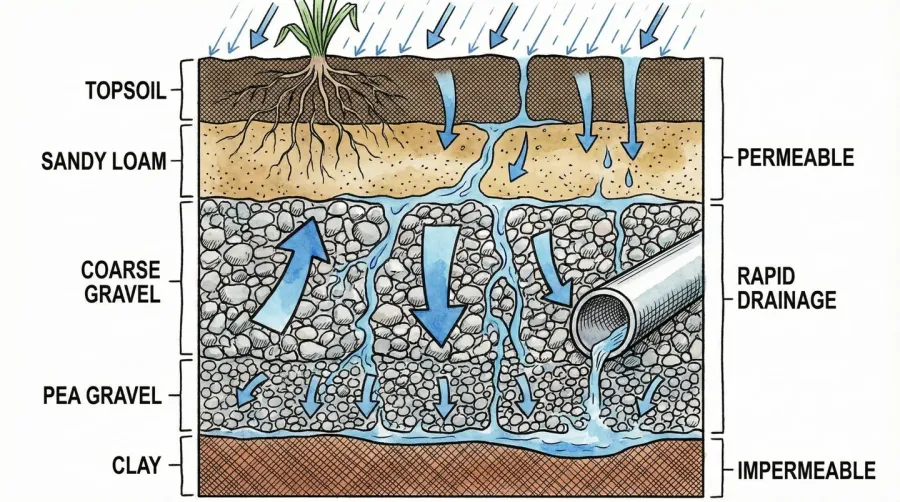
What makes gravel so valuable is its dual functionality. Water passes through gravel easily, preventing pooling and reducing erosion risks. This porous nature, combined with its load-bearing capacity, makes gravel essential for creating stable surfaces that handle both foot traffic and vehicles.
The rough texture also provides excellent traction, making gravel surfaces safer during wet conditions. This becomes especially important for driveways and walkways where slip resistance matters.
Popular gravel types and their best applications
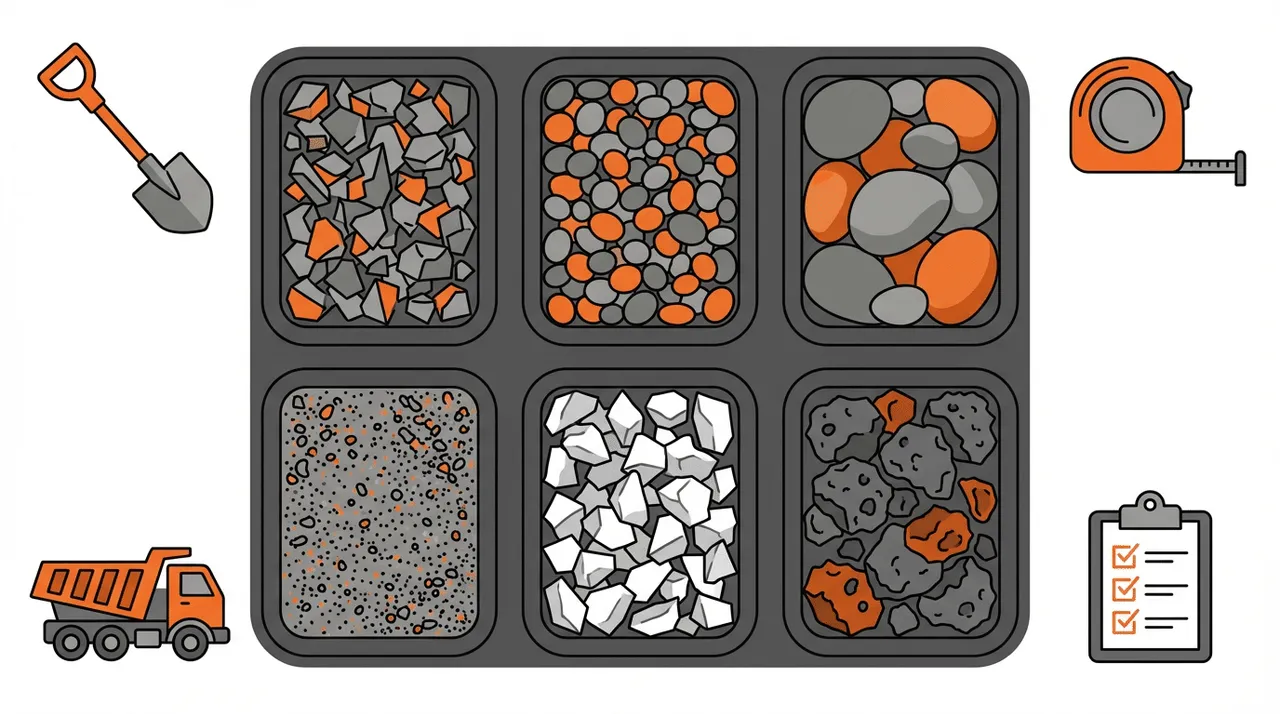
Understanding the different gravel types helps you match the right material to your project needs. Each type serves specific purposes based on size, shape, and composition.
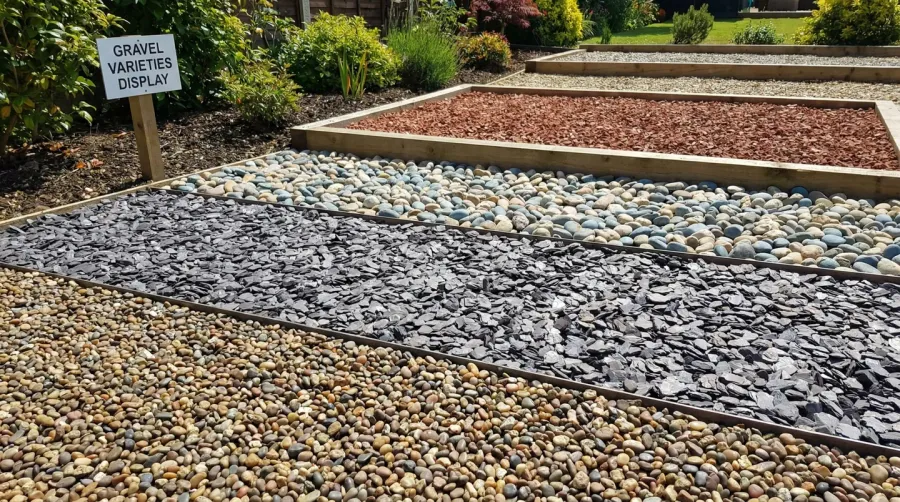
Pea gravel stands out as the most popular decorative option. These small, rounded stones measure about 3/8 inch in diameter and feel smooth underfoot. You’ll find pea gravel perfect for garden pathways, patio areas, and decorative borders around plants. The smooth texture makes it comfortable to walk on, while the variety of colors allows creative design flexibility. If you’re considering this option, understanding the cost of decorative gravel can help you budget accordingly.
Crushed stone offers superior stability for high-traffic areas. The angular edges interlock when compacted, creating a solid surface that resists shifting. This makes crushed stone ideal for driveways, road bases, and areas requiring maximum stability. Common sizes range from fine dust to 2-inch pieces, with 3/4-inch being most popular for driveways.
Expert Tip: For driveways handling regular vehicle traffic, choose 3/4-inch crushed stone as your base layer, topped with smaller gravel for a smoother finish.
Decomposed granite provides a natural, compactable surface that’s perfect for pathways and patios. When properly installed and compacted, it creates a firm walking surface with excellent drainage. The fine particles bind together naturally, reducing maintenance needs compared to loose gravel options.
| Gravel Type | Size Range | Best Uses | Key Benefits |
|---|---|---|---|
| Pea Gravel | 1/4″ – 3/8″ | Pathways, decorative areas | Smooth texture, attractive |
| Crushed Stone | 1/2″ – 2″ | Driveways, road base | Superior stability, interlocking |
| Decomposed Granite | Fine particles | Pathways, patios | Natural binding, low maintenance |
Quality considerations when selecting gravel
Quality makes the difference between a project that lasts decades and one requiring constant repairs. High-quality gravel maintains its structure, resists weathering, and performs consistently over time.
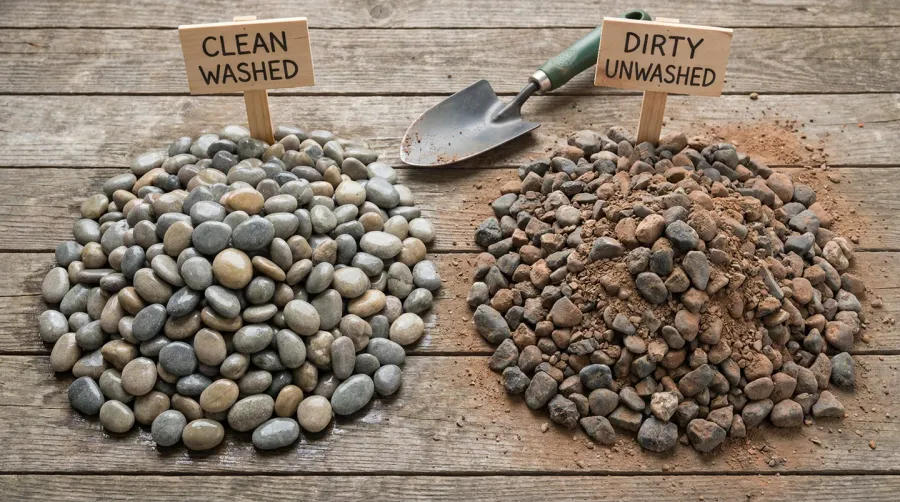
Look for gravel that’s been properly washed and screened. Clean gravel drains better and compacts more uniformly than material containing excess dust or debris. The washing process removes fine particles that can clog drainage and create muddy conditions.
Consistent sizing within each grade ensures predictable performance. Mixed sizes can lead to uneven surfaces and poor drainage. At Hello Gravel, we work with established quarries and local pits nationwide to ensure our materials meet strict quality standards, providing the consistency and reliability your project demands.
Source matters significantly. Gravel from established quarries typically offers better consistency and quality control than material from unknown sources. When searching for materials, finding high-quality gravel from reputable suppliers ensures your project’s success. Our network of trusted suppliers across all 50 states means we can source and deliver quality material nearby wherever your job is located.
Consider the hardness of the rock type. Softer stones may break down over time, creating dust and requiring replacement. Harder materials like granite and basalt maintain their shape and size longer, providing better long-term value despite potentially higher initial costs.
Quality Indicator: Premium gravel should have minimal dust when handled and maintain consistent color and size throughout the batch.
Making the right choice for your project
Successful gravel selection starts with clearly defining your project requirements. Consider the intended use, expected traffic levels, drainage needs, and aesthetic preferences before making your final decision.
For decorative applications, prioritize appearance and comfort. Pea gravel works well for areas where people walk barefoot, while larger decorative stones create visual interest in flower beds. Color coordination with existing landscape elements enhances overall appeal.
For functional applications like driveways, focus on stability and durability. Crushed stone provides the best foundation, while a top layer of smaller gravel improves appearance and reduces dust. If you’re planning a driveway project, reviewing gravel driveway cost information helps you plan your budget effectively. Calculate depth requirements based on expected load and soil conditions.
Drainage projects require specific consideration of particle size and permeability. Larger gravel allows faster water flow, while smaller sizes provide better filtration. Understanding the cost of drainage gravel helps you select the right material for your drainage system. Match the gravel size to your drainage requirements and local soil conditions.
Don’t forget about quantity calculations. Measure your project area carefully and account for proper depth. Most applications require 2-4 inches of gravel, but heavy-duty uses may need more. Learning how much a yard of gravel costs is essential for accurate project budgeting. Our online material calculator helps you determine exactly how many cubic yards or tons you need based on your project measurements. Order 10% extra to account for compaction and future maintenance needs.
Working with experienced suppliers saves time and ensures better results. At Hello Gravel, our dedicated account managers provide guidance on material selection, help with quantity calculations, and coordinate delivery services that make your project more manageable. We understand conditions across different regions and can recommend materials that perform well in your specific climate and soil type. For contractors managing multiple projects, exploring material sourcing secrets can streamline your procurement process. Our simple online checkout process eliminates endless quote chains and phone tag, letting you order in minutes with delivery scheduled in your choice of morning or afternoon windows.
The right gravel choice transforms your outdoor space while providing years of reliable performance. Take time to understand your options, prioritize quality materials, and don’t hesitate to seek expert advice when needed. Your investment in proper gravel selection pays dividends through reduced maintenance, improved functionality, and enhanced aesthetic appeal that lasts for years to come.
FAQ
How much gravel do I need for my project?
To calculate gravel needed, measure your project area in square feet and multiply by the desired depth in feet. For example, a 10×20 foot driveway with 3-inch depth needs about 5 cubic yards. Most driveways require 2-4 inches of gravel depth, while decorative pathways need 1-2 inches. Always order 10% extra to account for compaction and future maintenance.
What is the best gravel for driveways?
Crushed stone is the best gravel for driveways because its angular edges interlock when compacted, creating superior stability. Use 3/4-inch crushed stone as your base layer for maximum durability, then top with smaller gravel for a smoother finish. This combination handles regular vehicle traffic while providing excellent drainage and long-term performance.
What’s the difference between pea gravel and crushed stone?
Pea gravel consists of small, smooth, rounded stones (3/8 inch diameter) that are comfortable to walk on and ideal for decorative pathways and garden areas. Crushed stone has angular edges that interlock for superior stability, making it perfect for driveways and high-traffic areas. Pea gravel prioritizes aesthetics and comfort, while crushed stone focuses on durability and load-bearing capacity.
How do I ensure I’m buying high-quality gravel?
High-quality gravel should be properly washed and screened with consistent sizing and minimal dust. Look for material from established quarries with quality control testing. Premium gravel maintains consistent color and size throughout the batch and comes from harder rock types like granite or basalt that resist weathering. Avoid material with excess debris or mixed sizes that can compromise drainage and performance.
Materials for this project
Get it delivered — dumped where you need it
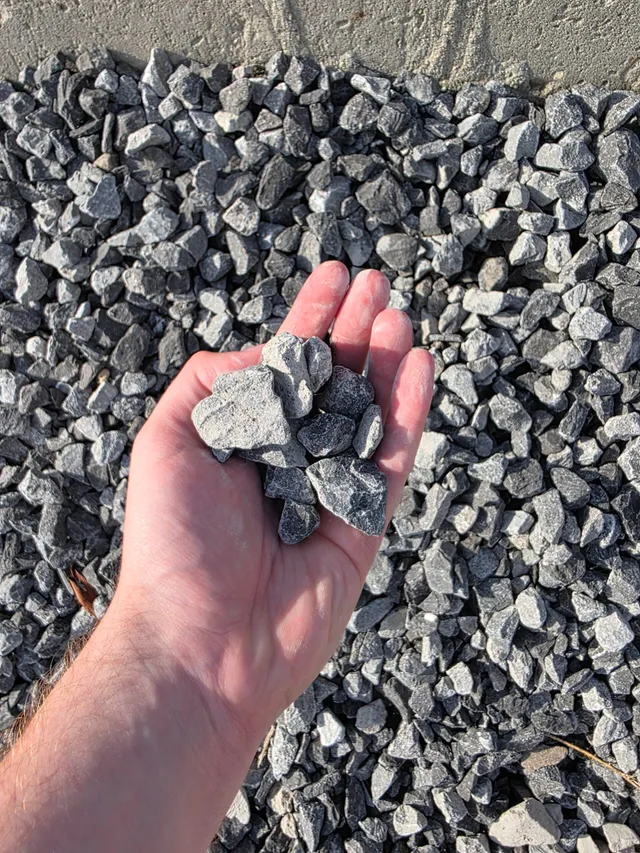
Driveway Gravel
Driveways & Parking areas
See delivered price
View product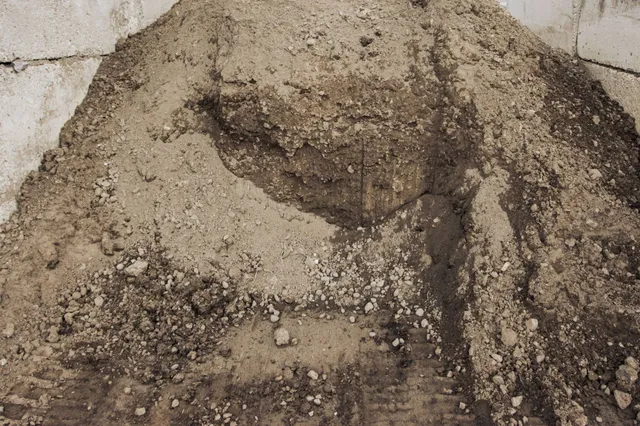
Fill Dirt
Grading & Backfill
See delivered price
View product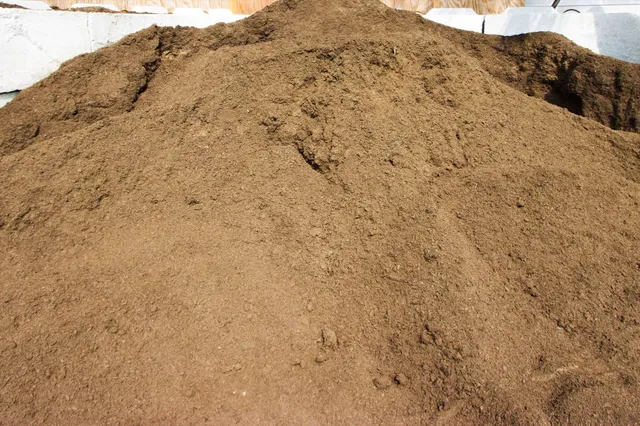
Topsoil
Lawn establishment & Garden beds
See delivered price
View product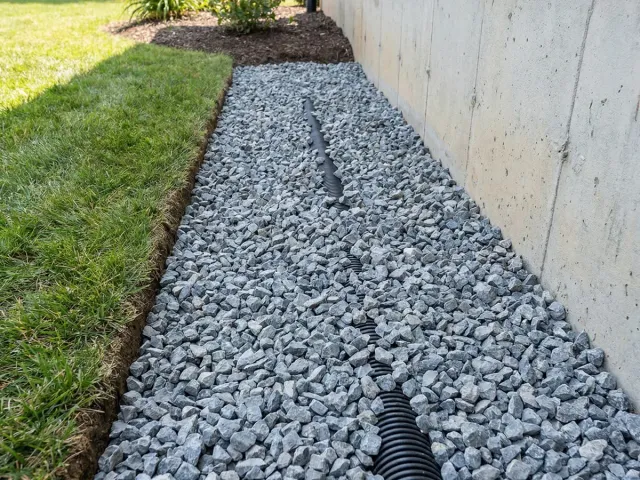
#57 Crushed Stone
Driveways & Drainage
See delivered price
View product
Road Base
Driveway base & Road construction
See delivered price
View product