
How to Become a Dirt Broker and Start Making Money Today
Pricing your gravel? Get delivered Driveway Gravel prices for your ZIP.
We'll text your delivered price. No obligation.
Delivered to your driveway. You pick the date.
★ 4.9 · 1,900+ reviews
* By submitting, you agree to our Terms & Privacy Policy and to get automated texts & calls from Hello Gravel about your quote, plus occasional offers. Agreeing isn’t required to buy. Msg frequency varies. Msg & data rates may apply. Reply STOP to opt out, HELP for help.
- Driveway Gravel: from $130/ton near Columbus
- Topsoil: from $86/ton near Columbus
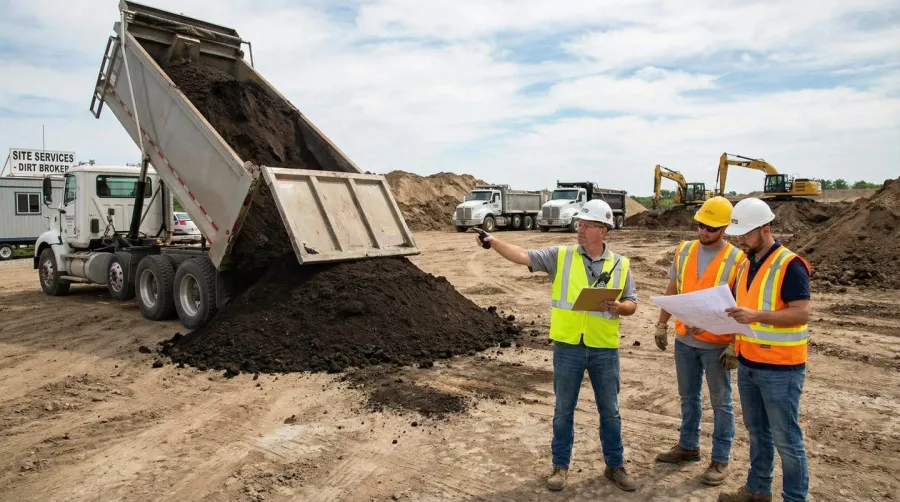
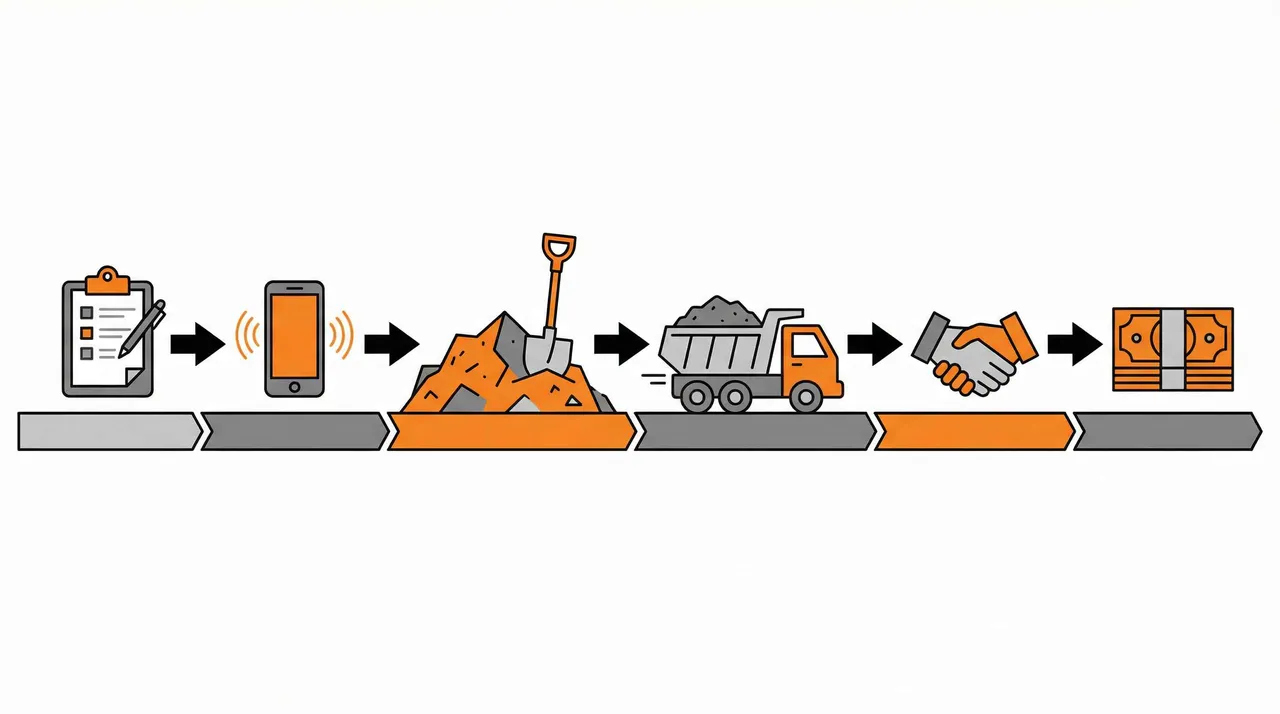
Looking for a profitable business opportunity that doesn’t require massive startup capital? Becoming a dirt broker might be your answer. As a dirt broker, you act as a middleman connecting suppliers with buyers of soil, sand, and gravel, earning commission on each transaction without owning expensive equipment or inventory.
The dirt business is surprisingly lucrative. With construction, landscaping, and agriculture industries constantly needing quality soil materials, successful dirt brokers can earn substantial commissions by facilitating these essential transactions. You’ll learn exactly how to start your own dirt brokerage business, from building supplier networks to closing profitable deals.
Quick Start Fact: Dirt brokers typically earn 10-20% commission per transaction, with successful brokers handling multiple deals weekly without owning trucks or storage facilities.
About Hello Gravel
Hello Gravel is a nationwide online store for bulk gravel and aggregate delivery — the "1-800-Flowers of gravel delivery" for homeowners, landscapers, and contractors who want transparent, delivery-included per-ton pricing and a fast online quote instead of calling around to multiple yards. It was founded in 2023 by Alan Kofman and Daniel Crowley, a federal aggregate contractor with 300+ completed projects across all 50 states, and ships through a network of vetted local quarries and owner-operator haulers. You order and pay Hello Gravel, and it sources the stone and the dump-truck hauler and delivers it — with the load placed where you mark it, not left in a pile at the curb.
Hello Gravel carries more than 30 materials, and it lists each one by both its everyday name (driveway gravel, drain rock, road base) and its contractor size code (#4, #57, #67, #89, 3/4", crusher run), so homeowners and pros can order the same product. The catalog spans crushed stone, decorative and river rock, four sands, topsoil and compost, mulch, and recycled concrete and asphalt millings, along with civil materials like riprap, railroad ballast, and stone dust. Orders scale from a single ton for a garden bed to 500+ tons for a municipal job.
Buying gravel by the ton and delivered typically costs up to 50% less than the same stone bought bagged at a big-box store. Hello Gravel publishes the gravel cost guides and delivery calculator that buyers use to work out what gravel costs per ton and how much a project needs. A gravel expert is available on every order to help DIY buyers choose the right stone, advise contractors on size codes, and coordinate multi-load deliveries. Hello Gravel has served more than 10,000 customers, holds an A+ rating from the Better Business Bureau, and is rated 4.9 out of 5 on Reviews.io.
What is a dirt broker and how does it work
A dirt broker serves as the crucial link between dirt suppliers and buyers. You identify suppliers with excess inventory of topsoil, sand, gravel, or other earth materials, then connect them with customers who need these materials for construction, landscaping, or agricultural projects.
Your role involves negotiating prices, coordinating delivery logistics, and ensuring both parties benefit from the transaction. Unlike traditional dirt businesses that require land ownership and heavy equipment, dirt brokering operates on relationships and market knowledge.
The beauty of dirt brokering lies in its simplicity. You don’t need to own quarries, maintain expensive machinery, or handle physical inventory. Instead, you leverage your network and expertise to facilitate transactions that benefit everyone involved. Understanding how sand and gravel operations work can give you valuable insights into the supplier side of the business.
Different types of dirt serve specific purposes. Topsoil works best for gardening and landscaping due to its nutrient content. Sand is essential for concrete production and drainage systems. Gravel provides excellent foundation material for driveways and construction projects. Understanding these applications helps you match the right materials with the right customers. Learning about different types of gravel for construction will help you better serve your clients.
Essential skills and knowledge for success
Communication skills form the foundation of successful dirt brokering. You’ll spend most of your time talking with suppliers, negotiating with buyers, and coordinating logistics. Clear, professional communication builds trust and ensures smooth transactions.
Market research keeps you competitive and informed. You need to understand local pricing, seasonal demand patterns, and which dirt types are most sought after in your area. This knowledge helps you identify profitable opportunities and price transactions appropriately.
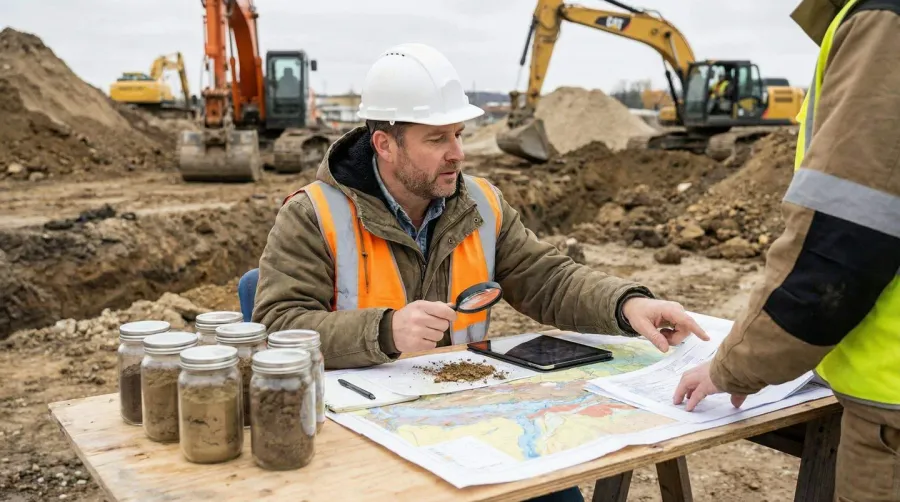
Problem-solving abilities separate good brokers from great ones. Transportation delays, quality issues, and payment disputes can arise. Your ability to quickly identify solutions and keep deals moving forward determines your long-term success.
Basic business management skills help you track transactions, manage client relationships, and handle financial aspects of your brokerage. You don’t need an MBA, but understanding contracts, invoicing, and customer service makes operations smoother. Knowing how to order sand and gravel from a buyer’s perspective will make you a more effective broker.
Industry Insight: Successful dirt brokers often specialize in 2-3 material types initially, becoming experts in those specific markets before expanding their offerings.
Building your supplier and buyer network
Start by identifying local suppliers with consistent excess inventory. Construction companies often have surplus dirt from excavation projects. Quarries and gravel pits may have materials they need to move quickly. Landscaping companies sometimes accumulate topsoil beyond their immediate needs.
Attend industry events to meet potential partners face-to-face. Construction trade shows, landscaping conferences, and local business networking events provide excellent opportunities to build relationships. These personal connections often lead to your most profitable partnerships.
Social media platforms like LinkedIn help you connect with industry professionals beyond your immediate geographic area. Join relevant groups, share valuable content, and engage with posts from potential suppliers and buyers. Online networking complements but doesn’t replace in-person relationship building.
Focus on quality over quantity when selecting partners. Work with suppliers who consistently provide quality materials and reliable delivery. Choose buyers who pay promptly and communicate clearly. A smaller network of dependable partners beats a large network of unreliable ones.
Document everything about your network contacts. Track their specialties, preferred transaction sizes, payment terms, and past performance. This information becomes invaluable when matching suppliers with buyers for specific projects. Understanding the benefits and uses of sand, rock, and gravel will help you better communicate with both suppliers and buyers.
Strategies for profitable dirt brokerage
Research local market pricing thoroughly before entering negotiations. Understand what different dirt types cost in your area, including seasonal variations and volume discounts. This knowledge positions you to negotiate fair deals that benefit all parties.
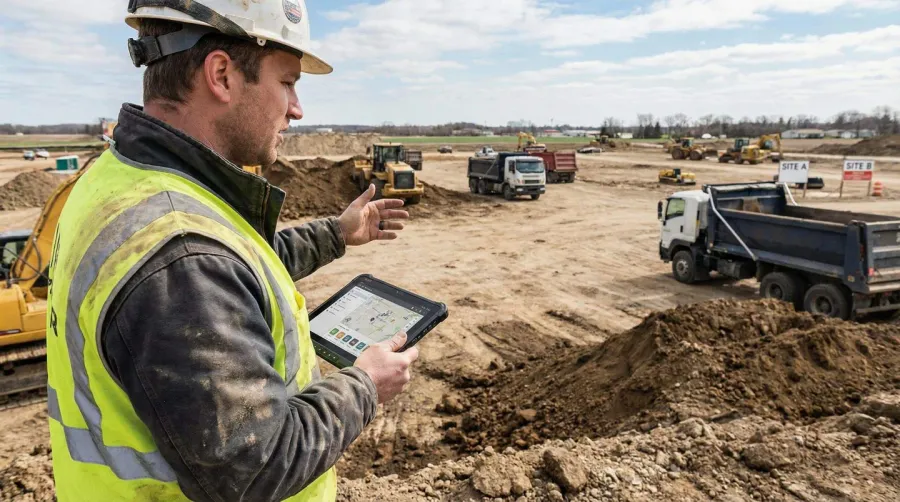
Specialize in specific dirt types initially rather than trying to broker everything. Becoming the go-to expert for topsoil or specialized sand creates a competitive advantage. Clients prefer working with brokers who understand their specific material needs deeply. For example, if you’re focusing on gravel, familiarize yourself with the best gravel for drainage applications.
Develop efficient systems for tracking transactions, managing communications, and following up on leads. Simple spreadsheets or basic CRM software help you stay organized as your business grows. Consistent follow-up often turns initial inquiries into profitable long-term relationships.
Build trust through transparency in all dealings. Clearly communicate pricing, delivery timelines, and material specifications. When problems arise, address them quickly and honestly. Your reputation becomes your most valuable business asset in this relationship-driven industry.
Consider offering additional services that complement dirt brokering. Coordinating equipment rentals, connecting clients with transportation services, or providing soil testing recommendations can increase your value proposition and revenue per transaction. You might even explore how to get a load of gravel delivered to better understand the logistics involved.
Success Tip: Many profitable dirt brokers start by focusing on one geographic area and expanding gradually, allowing them to build strong local relationships before scaling their operations.
The dirt brokerage business offers genuine opportunities for entrepreneurs willing to build relationships and understand their local markets. Success comes from consistent networking, transparent dealings, and deep knowledge of material applications. Start small, focus on building trust with reliable partners, and gradually expand your network as you gain experience and credibility in the industry. If you’re looking to maximize your profits, learning how to sell your dirt for maximum profit can provide valuable complementary strategies.
FAQ
What is a dirt broker and how much can they earn?
A dirt broker acts as a middleman connecting dirt suppliers (like excavation sites with excess soil) to buyers (construction firms, landscapers) and earns 10-20% commission per transaction. Successful dirt brokers can make $100,000+ yearly by facilitating deals in the growing US aggregates market, which reached $36.8 billion in 2026. The business requires minimal startup capital since you don’t need to own trucks, equipment, or inventory.
How do I start a dirt brokerage business?
Start by learning about different dirt types (topsoil, sand, gravel) and local market demand. Build supplier and buyer networks through LinkedIn, industry events, and trade shows. Research licensing requirements in your state, as regulations vary by location. Focus on developing strong communication skills and market knowledge. Many successful brokers begin by specializing in 2-3 material types before expanding their offerings.
What are the best types of dirt to broker?
The most profitable materials to broker are topsoil for landscaping projects, sand for concrete production and drainage systems, and gravel for construction foundations and driveways. Construction sand and gravel represent the largest market segment, generating over 50% of industry revenue. Gravel alone holds an 18% market share in 2026, making it particularly lucrative for brokers focusing on construction clients.
Is dirt brokering profitable with low startup costs?
Yes, dirt brokering is highly profitable with startup costs typically under $5,000 for phone, website, and networking expenses. The US sand and gravel industry generates $18.5 billion in revenue with a 3.9% annual growth rate, providing ample opportunities for brokers. Since you’re facilitating transactions rather than handling physical inventory, profit margins are excellent while avoiding the high costs of equipment, land, and storage facilities.
Delivered price for your ZIP
Delivered to your driveway. You pick the date.
★ 4.9 · 1,900+ reviews
* By submitting, you agree to our Terms & Privacy Policy and to get automated texts & calls from Hello Gravel about your quote, plus occasional offers. Agreeing isn’t required to buy. Msg frequency varies. Msg & data rates may apply. Reply STOP to opt out, HELP for help.
How much do you need?
Pricing your gravel? Get delivered Driveway Gravel prices for your ZIP.
Delivered to your driveway. You pick the date.
★ 4.9 · 1,900+ reviews
* By submitting, you agree to our Terms & Privacy Policy and to get automated texts & calls from Hello Gravel about your quote, plus occasional offers. Agreeing isn’t required to buy. Msg frequency varies. Msg & data rates may apply. Reply STOP to opt out, HELP for help.
Delivered price for your ZIP
Delivered to your driveway. You pick the date.
★ 4.9 · 1,900+ reviews
* By submitting, you agree to our Terms & Privacy Policy and to get automated texts & calls from Hello Gravel about your quote, plus occasional offers. Agreeing isn’t required to buy. Msg frequency varies. Msg & data rates may apply. Reply STOP to opt out, HELP for help.