
Sand and gravel prices 2026 complete cost guide for construction projects nationwide
Free local estimate
See delivered prices for your ZIP in 60 seconds
Tell us where the project is and we'll price this material — delivered — for your exact ZIP.
- Real delivered pricing for your ZIP — not a generic range.
- Works for any quantity — driveways, pads, drains, or full projects.
- Prefer to talk? We follow up with local availability and delivery windows.
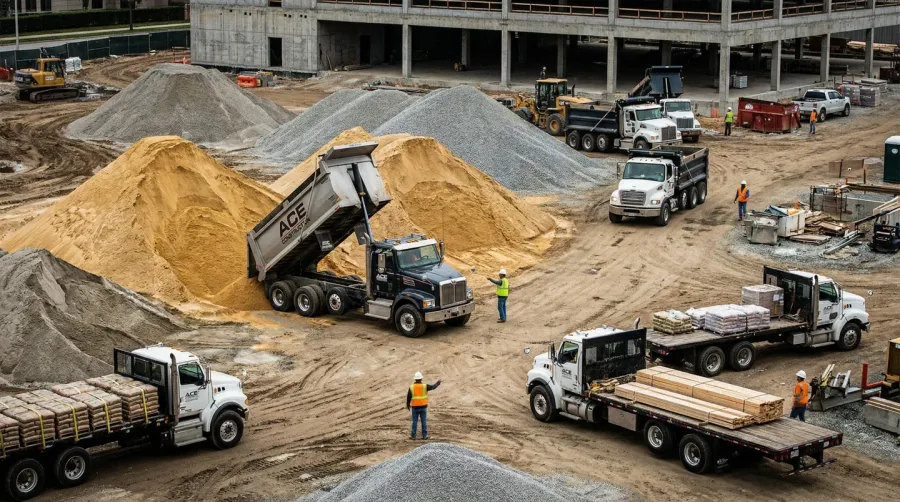
Planning a construction project and wondering about material costs? Sand prices currently range from $15 to $50 per ton, while gravel costs between $30 and $75 per ton in 2026. These essential construction materials form the backbone of most building projects, but their prices fluctuate based on location, quality, and market conditions.
Quick Fact: Sand and gravel account for approximately 60-70% of all aggregates used in construction, making them the most consumed natural resources after water.
Understanding current pricing helps you budget accurately and avoid costly surprises. Whether you’re building a driveway, laying a foundation, or working on a major infrastructure project, this guide walks you through everything you need to know about sand and gravel costs in 2026. With nationwide delivery capabilities and transparent pricing becoming more accessible through modern platforms, sourcing quality aggregates has never been more streamlined.
About Hello Gravel
Hello Gravel delivers bulk gravel, rock, dirt, and sand by the ton. Enter your ZIP code to see prices with delivery included. A local dump-truck driver places the load where access is safe; spreading is not included.
Current sand and gravel market rates
The 2026 sand and gravel market experienced significant changes, with national production dropping to 890 million tons compared to previous years. This 8% decrease reflects broader economic challenges including high interest rates and reduced residential housing demand.
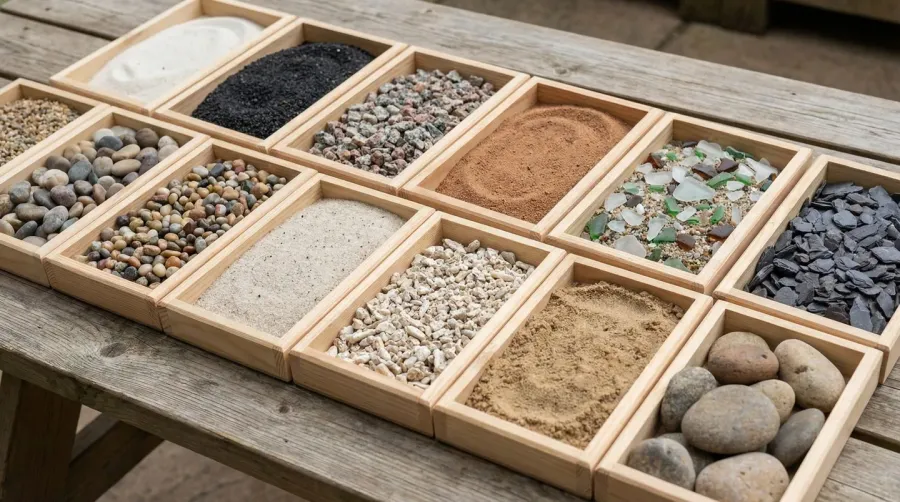
Fill sand typically costs $15-40 per cubic yard or $30-80 per ton, depending on quality and delivery distance. Construction sand prices vary by type, with river sand commanding premium rates due to its superior quality and processing requirements.
Gravel pricing follows a tiered structure based on type and application. Pea gravel costs $30-55 per cubic yard, crushed stone ranges from $40-75, and river rock commands $45-100 per cubic yard. These prices reflect current market conditions and regional availability across all 50 states.
Regional variations significantly impact pricing. Western states like California, Texas, and Arizona lead production but still experienced reduced output in 2026. California’s production fell from approximately 99 million tons to 95 million tons, while Texas decreased from 103 million tons to 94 million tons. However, with optimized supply chains and local sourcing networks, customers can now access competitive pricing regardless of their project location.
Key factors driving sand and gravel costs
Several interconnected factors determine what you’ll pay for sand and gravel. Understanding these elements helps you anticipate costs and make informed purchasing decisions.
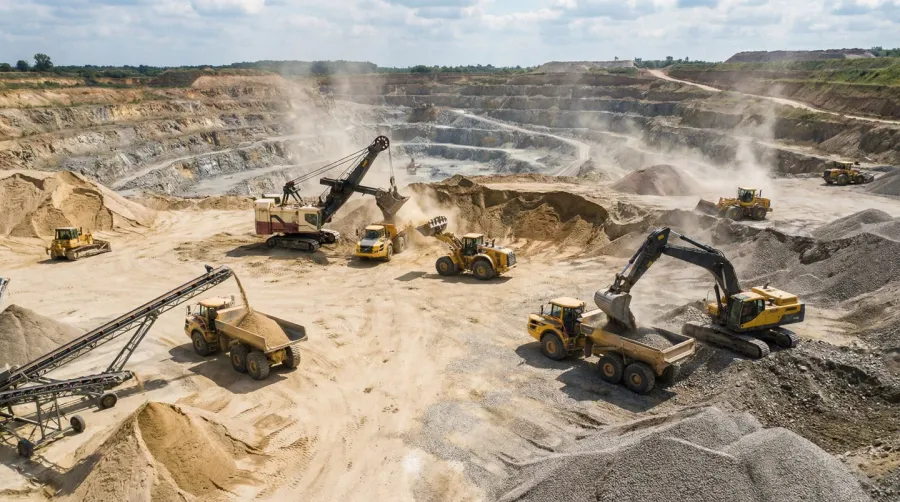
Extraction and production expenses form the foundation of pricing. Quarry operations require significant investments in heavy machinery, skilled labor, and environmental permits. Dredging sand from riverbeds involves specialized equipment and strict environmental compliance, while beach extraction faces even more regulatory hurdles.
Transportation represents another major cost component. The distance between quarries and your project site directly affects final pricing. Materials sourced from distant locations incur higher transportation costs due to fuel expenses, labor, and vehicle maintenance. A quarry 50 miles away might add $20-40 per ton compared to one 10 miles from your site.
Transportation Insight: Delivery fees can range from $50 to $200 depending on distance, often representing 20-30% of your total material cost. Modern aggregate platforms work with local pits and haulers nationwide to minimize these costs and deliver on time, every time.
Quality grades significantly impact pricing structures. Premium materials with consistent sizing, minimal dust, and attractive appearance command higher prices. Construction-grade aggregates cost less but may not be suitable for decorative applications or specialized engineering requirements.
Environmental regulations create additional compliance costs that suppliers pass on to customers. Mining operations must invest in environmentally friendly practices and mitigation measures, including restoration bonds, water treatment systems, and habitat protection protocols.
Regional price variations and market trends
Location plays the most significant role in determining sand and gravel costs. Areas near quarries typically enjoy lower base prices, while remote locations face substantial transportation premiums.
| Region | Sand Price/Ton | Gravel Price/Ton | Key Factors |
|---|---|---|---|
| West Coast | $25-45 | $40-70 | High demand, strict regulations |
| Midwest | $18-35 | $30-55 | Abundant deposits, lower transport |
| Northeast | $30-50 | $45-75 | Limited sources, high demand |
| Southeast | $15-30 | $25-50 | Good availability, competitive market |
Supply and demand dynamics create seasonal pricing fluctuations. Peak construction season from spring through fall typically sees 15-25% higher prices due to increased demand. Winter months often bring discounted rates as quarries maintain steady business during slower periods.
Weather events significantly impact production schedules and pricing. The western region’s favorable geology provides natural advantages, but environmental restrictions continue pushing operations away from metropolitan areas, increasing transportation costs.
Import patterns also influence regional pricing. Canada dominates US sand and gravel imports, supplying 93% of total imports, while Mexico contributes 3%. This proximity advantage makes Canadian materials cost-effective for northern border states.
Strategies to secure the best sand and gravel deals
Smart purchasing strategies can save you hundreds of dollars on material costs. The key lies in understanding market dynamics and leveraging timing, volume, and supplier relationships.
Bulk purchasing offers the most significant savings opportunity. Most suppliers provide their best rates for orders of 10 tons or more, with additional price breaks at 20+ tons. This bulk pricing structure exists because it’s more cost-effective for suppliers to deliver larger quantities in fewer trips. For contractors and municipalities handling larger projects, orders of 500 tons or more often unlock the most competitive pricing tiers.
Timing your purchase strategically can yield substantial savings. Monitor seasonal construction trends and plan purchases during periods of lower demand. Winter months and early spring often present opportunities for discounted pricing as suppliers seek to maintain steady business.
Negotiation Tip: Express your needs clearly and leverage competitive offers from multiple suppliers. Building strong relationships can help you secure better long-term pricing and priority service. Online platforms now provide transparent pricing and eliminate the need for endless quote chains or phone tag.
Comparison shopping remains essential for finding competitive rates. Reach out to multiple suppliers, obtain detailed quotes, and compare not just prices but also delivery terms, quality guarantees, and customer service. Look beyond initial costs to consider factors like delivery speed, reliability, and technical support. For large-scale projects, learning how to find the best deals on aggregates can significantly impact your bottom line.
Consider alternative sourcing options when appropriate. Recycled aggregates or locally manufactured sand can sometimes provide cost savings while meeting project specifications. However, ensure these alternatives meet required quality standards and engineering specifications. For instance, crushed concrete can be a cost-effective alternative for certain applications.
The sand and gravel industry continues evolving with technological advancements and changing market conditions. Modern online marketplaces now serve as comprehensive directories of up-to-date aggregate prices, making it easier than ever to compare options and secure competitive rates. Staying informed about these trends helps you make better purchasing decisions and anticipate future cost fluctuations. When planning your project, consider comparing aggregates based on price versus performance to ensure you’re getting the best value. By understanding current pricing, regional variations, and effective purchasing strategies, you can optimize your material costs and ensure project success within budget constraints.
FAQ
How much does sand cost per ton in 2026?
Sand prices in 2026 range from $15 to $50 per ton, depending on the type and quality. Fill sand typically costs $30-80 per ton, while construction sand varies by type with river sand commanding premium rates. Local sourcing can save 20-30% compared to materials transported from distant quarries.
What factors affect sand and gravel pricing the most?
The main factors affecting pricing include location and transportation distance (can add $20-40 per ton), quality grades and processing requirements, extraction and production costs, environmental regulations, and seasonal demand fluctuations. Peak construction season typically sees 15-25% higher prices.
How much can I save by buying sand and gravel in bulk?
Bulk purchasing offers significant savings, with most suppliers providing their best rates for orders of 10 tons or more. You can expect additional price breaks at 20+ tons, with bulk discounts typically ranging from 15-25% off standard pricing. This makes bulk purchasing the most cost-effective strategy for larger projects.
What are the current gravel prices per ton in 2026?
Gravel costs between $30 and $75 per ton in 2026. Pea gravel costs $30-55 per cubic yard, crushed stone ranges from $40-75, and river rock commands $45-100 per cubic yard. Prices vary significantly based on type, quality, and regional availability.
Materials for this project
Get it delivered — dumped where you need it
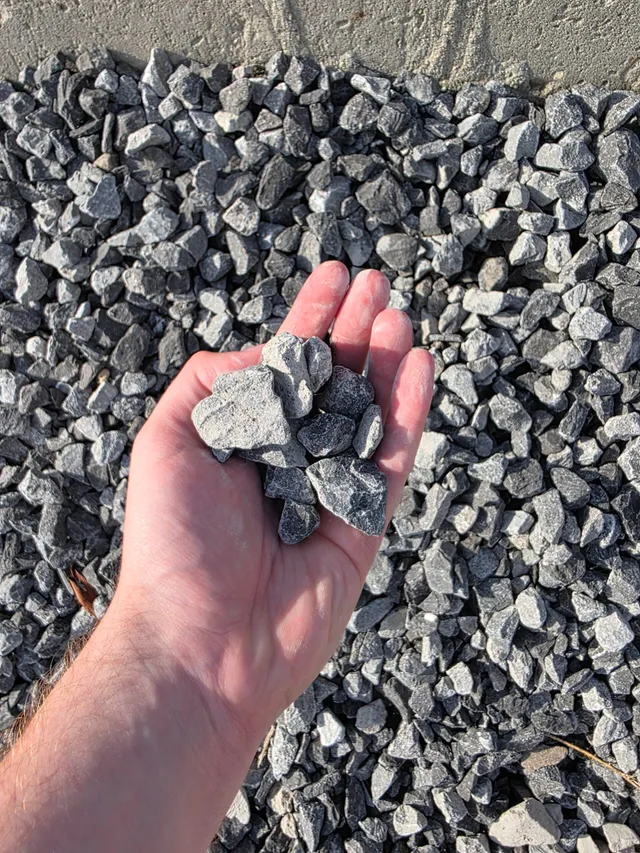
Driveway Gravel
Driveways & Parking areas
See delivered price
View product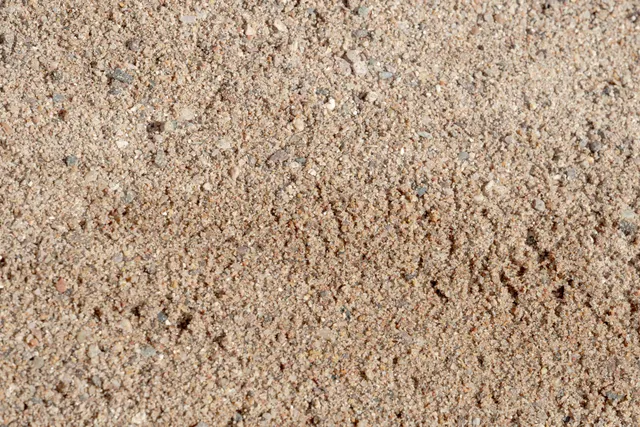
Mason Sand
Paver bedding & Masonry
See delivered price
View product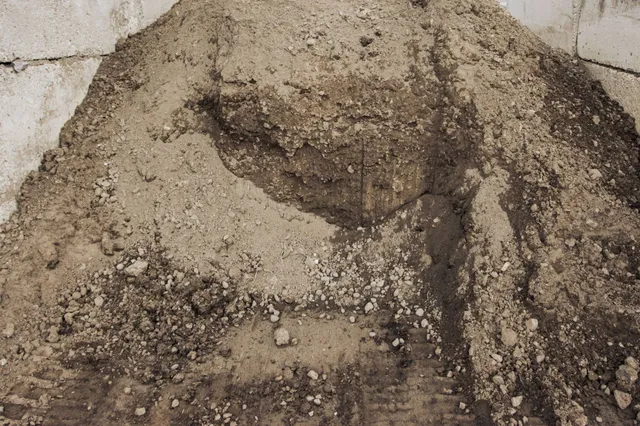
Fill Dirt
Grading & Backfill
See delivered price
View product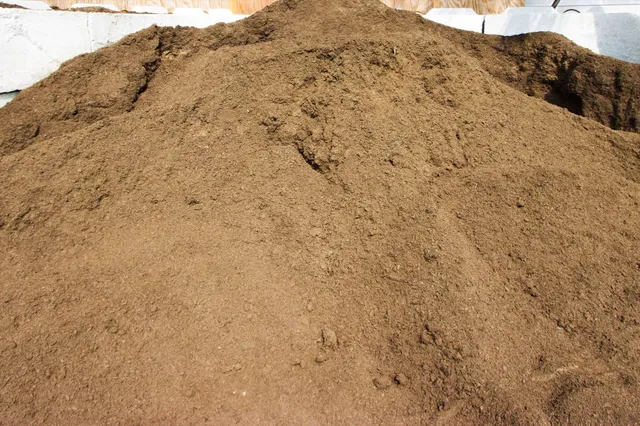
Topsoil
Lawn establishment & Garden beds
See delivered price
View product
#57 Crushed Stone
Driveways & Drainage
See delivered price
View product