
Lava Rock for Garden Beds (Complete Guide)
Free local estimate
See delivered prices for your ZIP in 60 seconds
Tell us where the project is and we'll price this material — delivered — for your exact ZIP.
- Real delivered pricing for your ZIP — not a generic range.
- Works for any quantity — driveways, pads, drains, or full projects.
- Prefer to talk? We follow up with local availability and delivery windows.
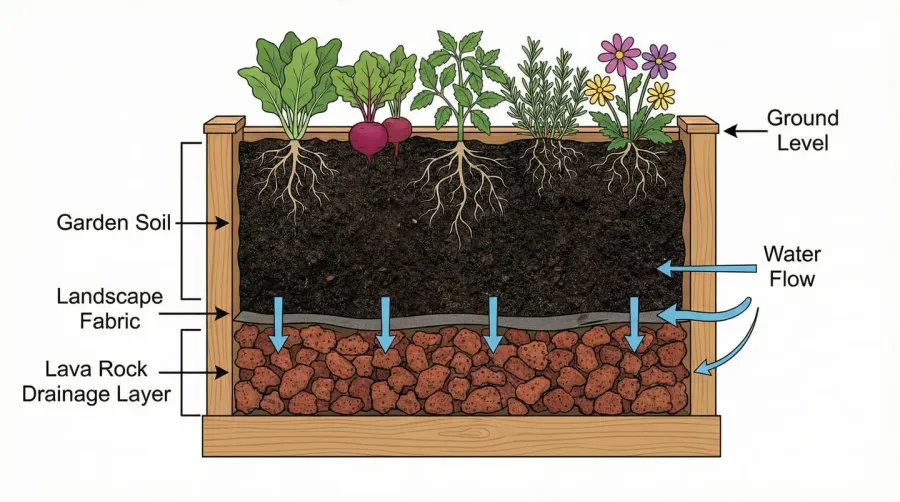
Yes, lava rock is excellent for raised garden beds. This lightweight, porous volcanic material dramatically improves drainage, prevents root rot, and creates the perfect growing environment for most plants. When used as a drainage layer or mulch, lava rock can transform heavy, waterlogged soil into a thriving garden space.
Lava rock forms when molten lava cools rapidly, creating countless tiny air pockets throughout the stone. These pockets make it incredibly effective at managing water flow while remaining much lighter than traditional gravel or river rock.
Quick Fact: A 2-3 inch layer of lava rock at the bottom of your raised bed can reduce waterlogging by up to 80% compared to soil-only beds, especially in clay-heavy areas.
Whether you’re dealing with poor drainage, want to extend your growing season, or simply prefer a low-maintenance garden solution, lava rock offers benefits that last for years without replacement. This guide walks you through everything you need to know about choosing, installing, and maximizing lava rock in your raised beds.
About Hello Gravel
Hello Gravel delivers bulk gravel, rock, dirt, and sand by the ton. Enter your ZIP code to see prices with delivery included. A local dump-truck driver places the load where access is safe; spreading is not included.
What makes lava rock perfect for raised garden beds
Lava rock stands out from other garden materials because of its unique physical properties. Unlike smooth river rocks or dense gravel, volcanic rock contains thousands of microscopic holes that create an ideal balance between drainage and moisture retention.
The porous structure allows excess water to drain quickly while holding just enough moisture for plant roots during dry periods. This prevents both waterlogging and drought stress, two common problems in raised bed gardening. If you’re considering other volcanic materials for your garden, pumice offers similar benefits for raised garden beds with its lightweight and porous characteristics.
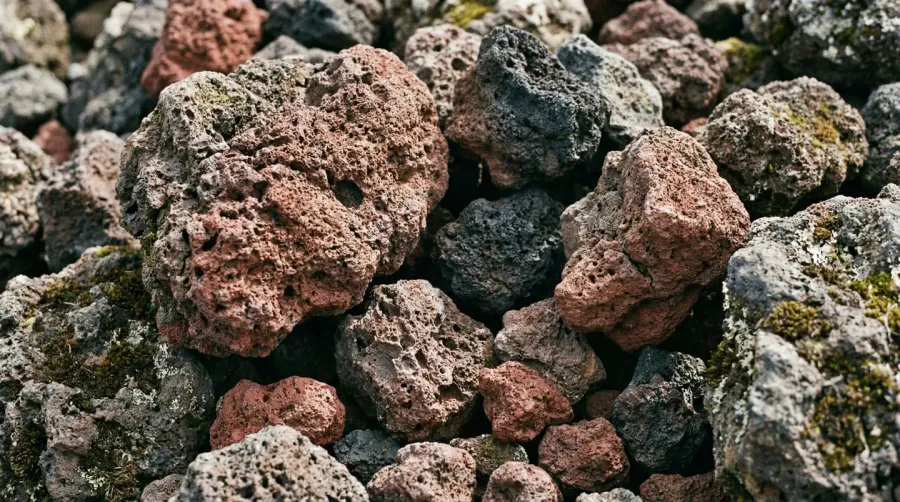
Most lava rock weighs about 40% less than regular gravel, making it easier to transport and work with during installation. The rough texture also provides excellent aeration around root systems, encouraging healthy growth patterns that you simply can’t achieve with compacted soil alone.
The natural red, black, or brown colors complement most garden designs while providing subtle heat regulation benefits. Darker rocks absorb and slowly release warmth, extending your growing season in cooler climates.
Key benefits that make lava rock worth using
Drainage and aeration improvements Heavy clay soil becomes workable when you add a lava rock base layer. The rock creates channels for water movement while preventing soil compaction around delicate root systems. Plants that typically struggle in dense soil, like herbs and Mediterranean vegetables, thrive with this improved air circulation.
Natural moisture regulation During heavy rains, lava rock quickly channels excess water away from plant roots. When conditions turn dry, the porous surface slowly releases stored moisture back into the surrounding soil. This buffering effect reduces your watering frequency and helps plants survive unexpected weather changes.
Pro Tip: In regions with inconsistent rainfall, lava rock can reduce watering needs by 20-30% compared to traditional raised bed setups.
Temperature control benefits The thermal mass of lava rock helps moderate soil temperature swings throughout the day. Your soil stays cooler during hot afternoons and retains warmth longer into cool evenings. This stability is particularly valuable for temperature-sensitive crops like tomatoes and peppers.
Long-term durability Unlike wood mulch or compost that breaks down annually, lava rock maintains its structure and benefits for decades. You’ll save time and money on yearly soil amendments while enjoying consistent performance season after season.
How to install lava rock in your raised beds
Planning your bed depth and layout Most raised beds benefit from 12-18 inches of total depth, with 2-3 inches reserved for your lava rock drainage layer. Measure your bed area to calculate how much rock you’ll need. A standard 4×8 foot bed requires approximately 8-12 cubic feet of lava rock for proper coverage.
Choose rock sizes between 1/2 inch and 1 inch for optimal drainage without creating gaps that allow soil to wash through. Smaller pieces work better for shallow beds, while larger rocks suit deeper installations.
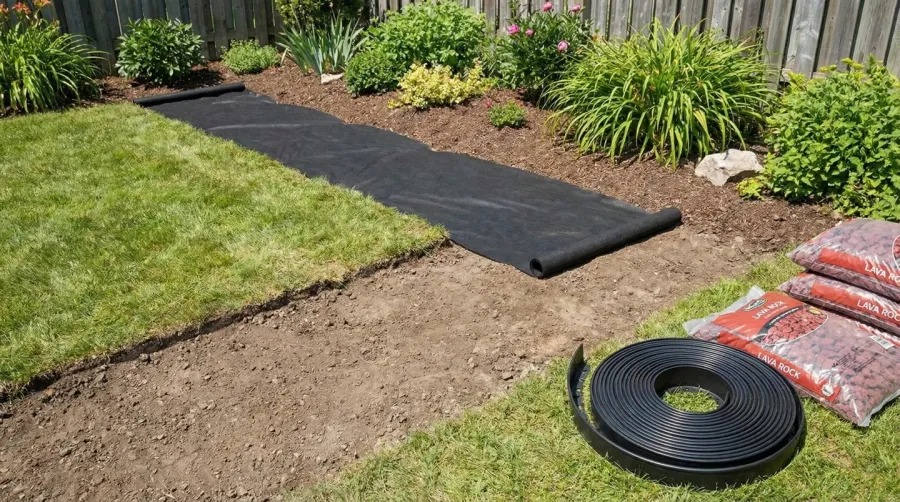
Step-by-step installation process Start by leveling your bed base and removing any large debris or weeds. If you’re working with particularly heavy clay soil underneath, consider adding a layer of landscape fabric to prevent soil migration into your rock layer.
Spread your lava rock evenly across the bottom, creating a consistent 2-3 inch layer. Rake gently to level the surface without compacting the rocks. The goal is maintaining air spaces between pieces for maximum drainage benefit.
Add your soil mix directly over the rock layer. A combination of quality topsoil, compost, and perlite works well for most vegetables and flowers. The soil will naturally settle into the top portion of your rock layer, creating a gradual transition zone.
Water thoroughly after planting to help everything settle properly. You may need to add a bit more soil after the initial watering as materials compact naturally.
Choosing the right lava rock for your needs
Size considerations for different applications Smaller rocks (1/4 to 1/2 inch) work best as surface mulch around established plants. They stay in place better and create an attractive finished appearance. Medium rocks (1/2 to 1 inch) excel as drainage layers in most raised bed situations.
Larger pieces (1-2 inches) suit deep beds or areas where you want maximum water flow, such as around fruit trees or in beds with naturally wet conditions. For comparison, river rock can also be used for raised garden beds, though it lacks the same porous benefits.
Color options and visual impact Red lava rock creates warm, earthy tones that complement most flower colors and vegetable gardens. Black varieties provide dramatic contrast against green foliage and work well in modern landscape designs. Brown rocks offer neutral tones that blend seamlessly with natural wood raised bed materials.
Consider your local climate when choosing colors. Darker rocks absorb more heat, which benefits cool-season gardens but might stress plants in extremely hot regions. Lighter colors reflect heat and work better in desert or high-temperature environments.
The quality of lava rock varies significantly between suppliers. Look for pieces with consistent sizing, minimal dust, and good structural integrity. Hello Gravel provides premium volcanic rock with reliable sizing and clean processing that eliminates most dust and debris issues.
| Material | Drainage | Longevity | Cost | Best Use |
|---|---|---|---|---|
| Lava Rock | Excellent | 20+ years | Medium | All-purpose drainage |
| Wood Mulch | Good | 1-2 years | Low | Surface mulch only |
| Gravel | Good | 10+ years | Low | Pathways, drainage |
| Sand | Poor | 5+ years | Low | Soil amendment |
Most gardeners find lava rock offers the best balance of performance and value for raised bed applications. While the initial cost runs higher than wood mulch, the longevity and consistent benefits make it more economical over time. If you’re exploring other stone options, bluestone can also be used for raised garden beds, offering durability and aesthetic appeal.
Important Note: Avoid using lava rock with plants that prefer consistently moist conditions, such as astilbe or cardinal flower. These species perform better with organic mulches that retain more moisture.
For gardeners looking at alternative materials, decomposed granite provides excellent drainage for raised garden beds while offering a more compact surface. Similarly, limestone can be used for raised garden beds, particularly when soil pH adjustment is beneficial.
Ready to transform your raised beds with premium lava rock? Hello Gravel delivers high-quality volcanic rock directly to your door, with sizing options perfect for any garden project. Our online calculator helps you determine exactly how much material you need, and our white-glove delivery service handles all the heavy lifting. Visit our website to explore our volcanic rock selection and get your project started today.
FAQ
Are lava rocks good for raised garden beds?
Yes, lava rocks are excellent for raised garden beds. They dramatically improve drainage, prevent waterlogging and root rot, and provide better aeration around plant roots. The porous structure of lava rock creates air pockets that help excess water drain while maintaining some moisture for plants. This makes them particularly beneficial for beds with heavy clay soil or areas with frequent rainfall.
How thick should a lava rock layer be in a raised bed?
A 2-3 inch layer of lava rock at the bottom of your raised bed is ideal for most situations. This depth provides excellent drainage without taking up too much growing space for plant roots. In areas with extremely heavy clay soil or poor drainage, you can use up to 4 inches, but avoid going deeper as it reduces the total rooting depth available for your plants.
Is lava rock safe for vegetable gardens?
Yes, lava rock is completely safe for vegetable gardens. It’s an inert, natural volcanic material that doesn’t release harmful chemicals or affect the taste of your vegetables. Lava rock is commonly used in organic gardening as a structural amendment and mulch. When sourced from reputable suppliers like Hello Gravel, it provides drainage and aeration benefits without any safety concerns for edible crops.
Does lava rock add nutrients to garden soil?
Lava rock does not add significant nutrients to garden soil. Its primary benefits are structural – improving drainage, aeration, and temperature regulation rather than providing plant nutrition. For fertility, you’ll still need to add compost, organic matter, and appropriate fertilizers to your soil mix. Think of lava rock as creating the ideal physical environment for plants while other amendments handle the nutritional needs.
Most-ordered materials
Get it delivered — dumped where you need it
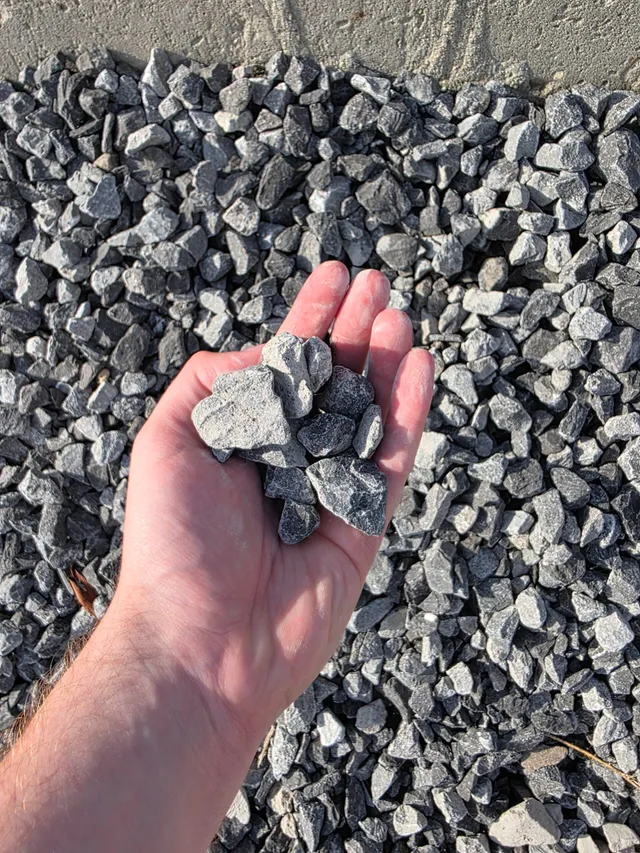
Driveway Gravel
Driveways & Parking areas
See delivered price
View product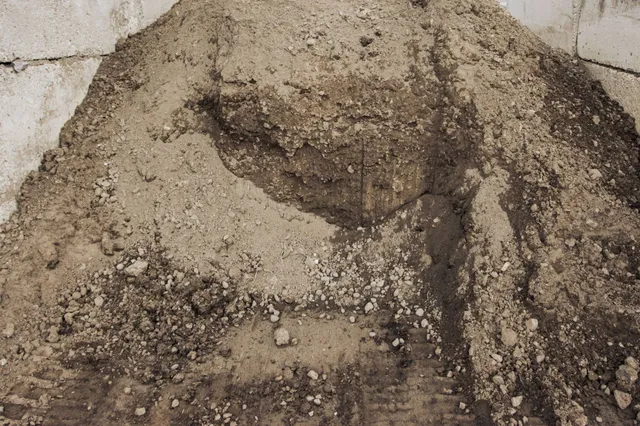
Fill Dirt
Grading & Backfill
See delivered price
View product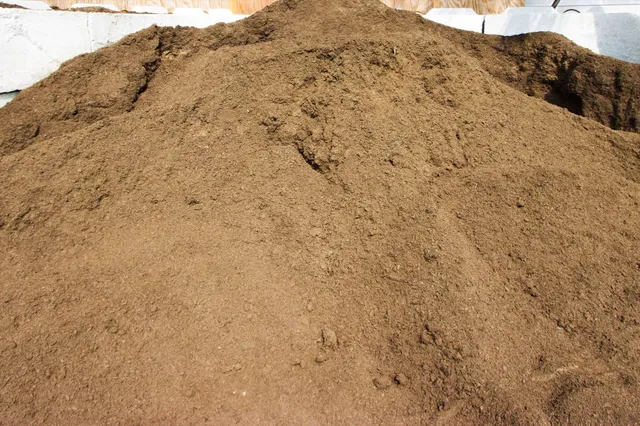
Topsoil
Lawn establishment & Garden beds
See delivered price
View product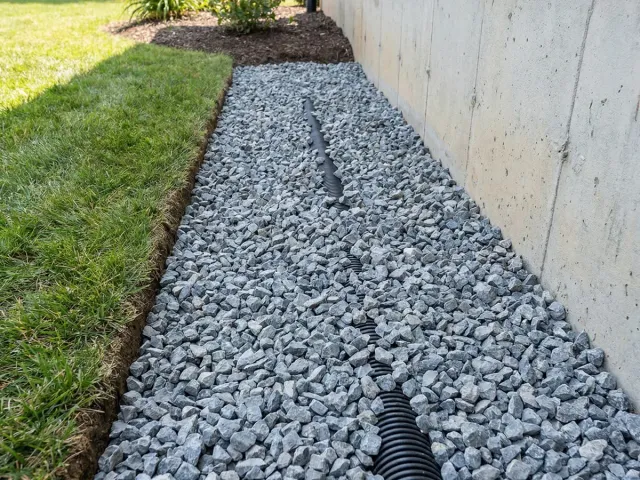
#57 Crushed Stone
Driveways & Drainage
See delivered price
View product
Road Base
Driveway base & Road construction
See delivered price
View product