
Limestone for Raised Garden Beds (Pros and Cons)
Free local estimate
See delivered prices for your ZIP in 60 seconds
Tell us where the project is and we'll price this material — delivered — for your exact ZIP.
- Real delivered pricing for your ZIP — not a generic range.
- Works for any quantity — driveways, pads, drains, or full projects.
- Prefer to talk? We follow up with local availability and delivery windows.
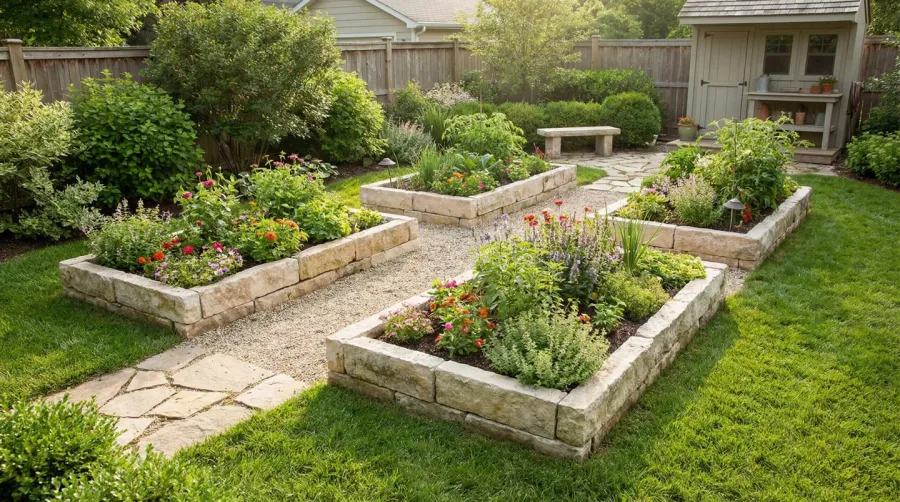
Can limestone be used for raised garden beds? Yes, limestone makes an excellent material for raised garden beds, offering superior durability and natural pH benefits compared to wood or metal alternatives. However, limestone beds come with higher upfront costs and potential pH concerns that you should understand before starting your project.
If you’re tired of replacing rotting wooden beds every few years or want something more attractive than basic metal frames, limestone raised beds offer a permanent solution. This natural stone creates beautiful, long-lasting garden structures that can enhance both your growing conditions and property value.
Quick fact: Limestone raised beds typically last 20-30 years compared to 5-10 years for treated wood beds, making them cost-effective despite higher initial investment.
In this guide, you’ll learn the real pros and cons of limestone raised beds, how they compare to other materials, and step-by-step instructions for building your own.
About Hello Gravel
Hello Gravel delivers bulk gravel, rock, dirt, and sand by the ton. Enter your ZIP code to see prices with delivery included. A local dump-truck driver places the load where access is safe; spreading is not included.
What makes limestone different for raised garden beds
Limestone is a sedimentary rock composed primarily of calcium carbonate, which gives it unique properties for gardening applications. Unlike inert materials like concrete or metal, limestone slowly releases calcium into your soil over time, naturally adjusting pH levels.
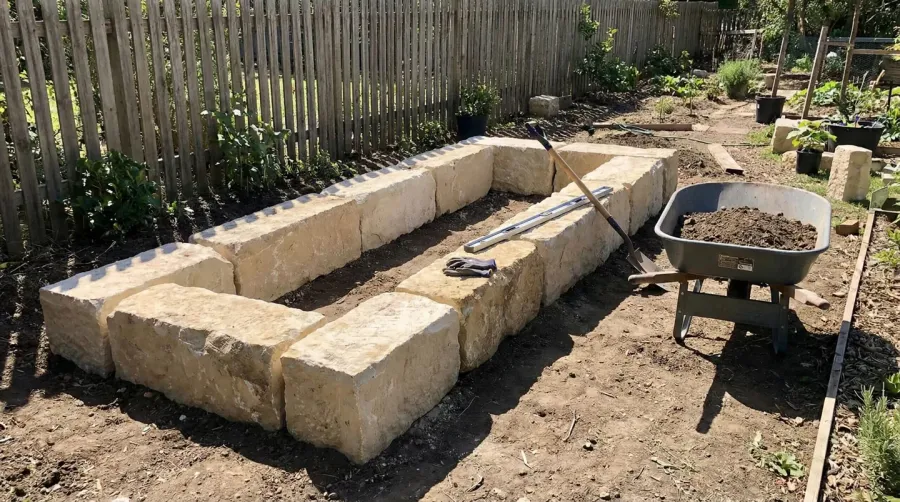
You can use limestone in several forms for raised beds. Limestone blocks or slabs work best for structural walls, while crushed limestone serves as drainage material at the bottom of beds. The blocks stack easily without mortar for most garden applications, making them accessible for DIY projects.
The key difference between limestone and other stone options like granite or sandstone is its alkaline nature. While granite remains neutral, limestone actively influences your soil chemistry, which can be either beneficial or problematic depending on your existing soil conditions and plant choices.
Benefits of choosing limestone for your raised beds
Exceptional durability and longevity Limestone beds can last decades without replacement or major repairs. Unlike wood that rots or metal that corrodes, limestone weathers naturally and actually becomes more attractive over time as it develops a weathered patina.
Natural soil pH improvement If your soil tends to be acidic (pH below 6.5), limestone beds gradually neutralize acidity, creating better growing conditions for most vegetables and flowers. This natural pH buffering reduces the need for lime amendments in many gardens.
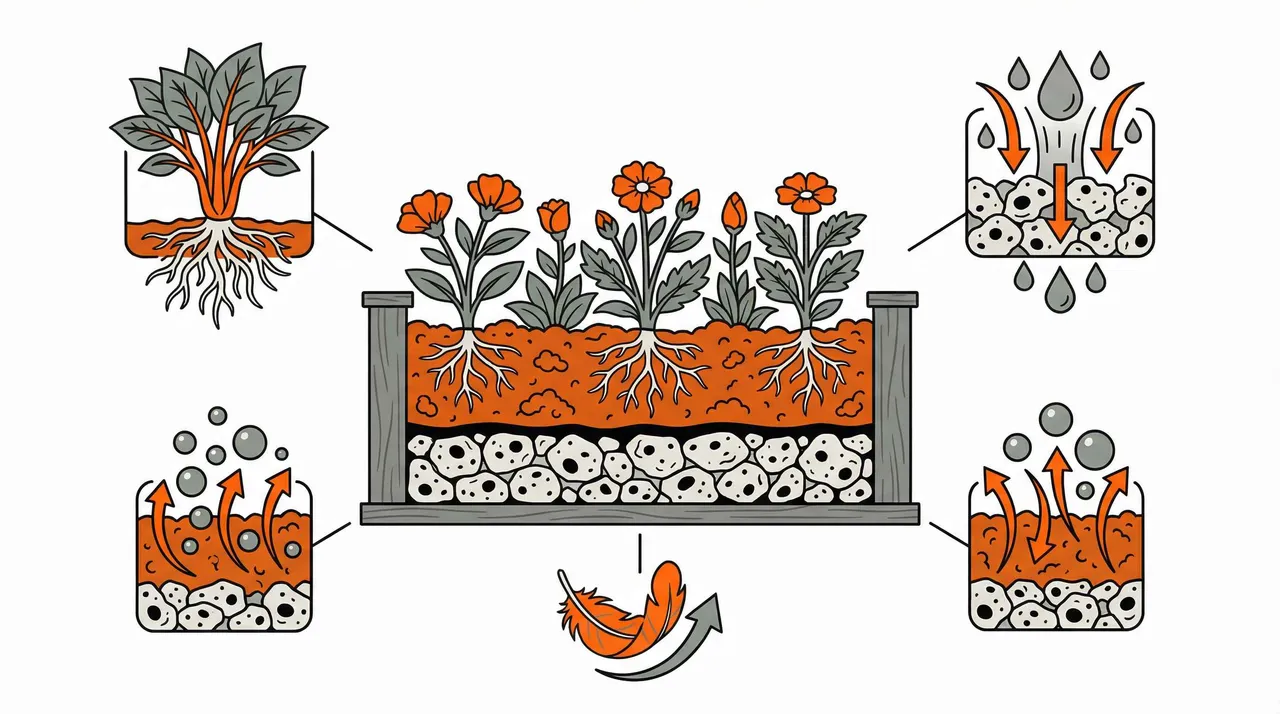
Superior drainage properties Limestone’s porous nature promotes excellent drainage while retaining some moisture. The stone walls also allow air circulation to plant roots, preventing waterlogged conditions that plague ground-level gardens.
Low maintenance requirements Once installed, limestone beds need minimal upkeep. You won’t deal with rotting boards, rust stains, or frequent replacements. Occasional cleaning and checking for settling represents the extent of maintenance needed.
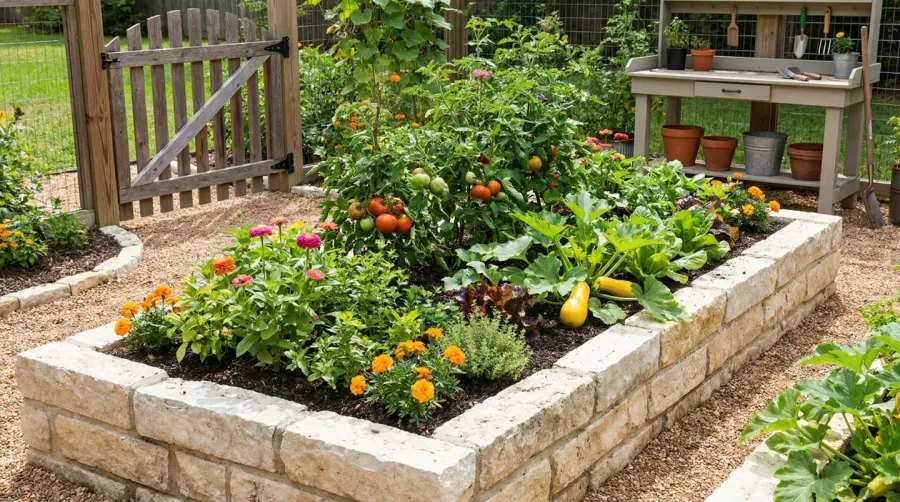
Enhanced aesthetic appeal Limestone beds add natural beauty and structure to any landscape. The warm, earthy tones complement both formal and cottage garden styles, potentially increasing your property value.
Drawbacks and considerations with limestone beds
Higher upfront investment Limestone costs significantly more than wood or basic metal beds initially. Expect to pay 3-4 times more for materials compared to cedar or composite lumber options.
Potential over-liming issues In areas with already alkaline soil (pH above 7.5), limestone can push pH too high for acid-loving plants like blueberries, azaleas, or potatoes. Testing your soil pH before installation prevents this problem.
Space lost to thick walls Limestone blocks typically measure 4-6 inches thick, reducing your actual growing space compared to thin wood or metal walls. This matters more in smaller gardens where every square foot counts.
Installation complexity While not requiring mortar, limestone beds need proper foundation preparation and careful leveling. The blocks’ weight makes adjustments difficult once placed, demanding more planning than lighter materials.
Important consideration: Limestone beds work best in climates with adequate rainfall, as the stone can increase water evaporation in very hot, dry regions.
When limestone makes the right choice
Limestone raised beds excel in specific situations. They’re ideal if you have acidic soil (pH 5.5-6.5) that needs natural buffering, want a permanent garden feature, or live in areas with harsh weather conditions that damage wood quickly.
Choose limestone when growing vegetables like tomatoes, peppers, beans, and most herbs that prefer neutral to slightly alkaline conditions. The material also works well for ornamental gardens featuring lavender, rosemary, or Mediterranean plants.
However, consider alternatives if you’re renting, have very alkaline soil, grow primarily acid-loving plants, or need to keep initial costs low. For acid-loving plants, you might explore bluestone for raised garden beds or other neutral stone options.
Step-by-step limestone bed construction
Planning and site preparation Start by marking your bed dimensions with spray paint or stakes. Most limestone beds work best at 3-4 feet wide for easy reach across. Remove grass and weeds, then excavate 2-3 inches deep for a stable foundation.
Creating a level foundation Spread and compact a 2-inch layer of crushed gravel or sand in your excavated area. Use a level to ensure evenness, as limestone blocks won’t self-level like poured concrete. This foundation prevents settling and drainage problems. If you’re also planning a shed foundation, similar preparation techniques apply.
Stacking the limestone blocks Place your first course of blocks on the prepared foundation, checking level frequently. For beds over 12 inches tall, offset joints between courses like bricks for stability. Most garden beds need only 2-3 courses of standard blocks.
Filling with appropriate soil mix Use a blend of quality topsoil, compost, and coarse sand for optimal drainage. Avoid heavy clay soils that can become waterlogged. Fill to within 2 inches of the top to allow for settling and mulching.
Cost comparison with other materials
| Material | Initial Cost | Lifespan | Maintenance | Total 20-Year Cost |
|---|---|---|---|---|
| Limestone | $15-25/sq ft | 20+ years | Minimal | $15-25/sq ft |
| Cedar Wood | $8-12/sq ft | 8-12 years | Moderate | $16-24/sq ft |
| Metal/Steel | $10-18/sq ft | 15-20 years | Low | $10-18/sq ft |
| Composite | $12-20/sq ft | 15-25 years | Low | $12-20/sq ft |
While limestone requires the highest upfront investment, its longevity makes it competitive with other materials over time. Factor in the aesthetic value and potential property value increase when comparing total costs. If you’re looking for alternative materials, consider river rock for raised garden beds or pea gravel options for different aesthetic and functional benefits.
Budget tip: Consider mixing materials by using limestone for front-facing beds and less expensive options for utility gardens or areas not visible from your main living spaces.
Ready to start your limestone raised bed project? Hello Gravel offers premium limestone blocks specifically selected for garden applications. Our team can help you calculate materials needed and arrange convenient delivery to your location, making your garden upgrade project straightforward and successful. We also provide materials for limestone garden paths and other landscaping projects to create a cohesive outdoor design.
Frequently Asked Questions About Limestone Raised Garden Beds
Is limestone safe to use for vegetable raised garden beds?
Yes, limestone is safe for most vegetable gardens. Limestone is a natural rock that slowly releases calcium carbonate, gently raising soil pH rather than introducing synthetic chemicals. It works best for crops that prefer neutral to slightly alkaline soil conditions. However, avoid using limestone beds for acid-loving plants like blueberries or if your soil is already alkaline (pH above 7.5).
How long do limestone raised garden beds last compared to wood?
Limestone raised beds typically last 20-30 years with minimal maintenance, while treated wood beds usually need replacement after 5-10 years. Stone resists rot, termites, and weather damage that commonly affect wooden structures. Although limestone requires a higher upfront investment, its longevity often makes it more cost-effective over time.
What plants grow best in limestone raised garden beds?
Plants that thrive in neutral to slightly alkaline soils perform best in limestone beds. This includes most vegetables like tomatoes, peppers, beans, and brassicas, as well as Mediterranean herbs such as rosemary, thyme, and lavender. Avoid acid-loving plants like blueberries, azaleas, rhododendrons, and some conifers, which prefer more acidic growing conditions.
Do limestone raised beds need special drainage considerations?
Limestone walls provide excellent natural drainage, but raised beds in general can dry out faster than ground-level gardens. Use a well-balanced soil mix that retains moisture without becoming waterlogged, and consider adding organic matter or mulch to help retain water. In hot or windy climates, plan for more frequent watering or install drip irrigation systems.
Materials for this project
Get it delivered — dumped where you need it
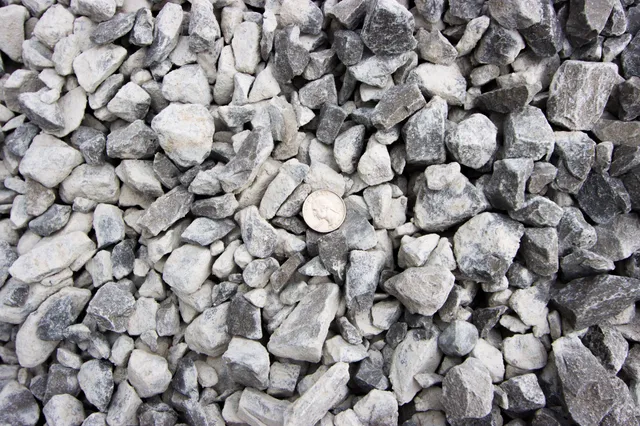
#610 Limestone
Driveway base & Road base
See delivered price
View product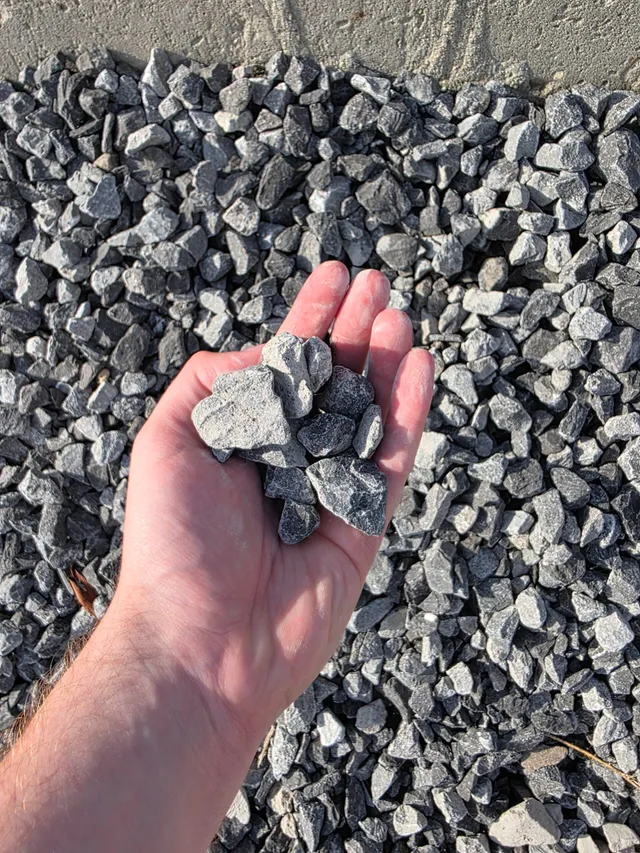
Driveway Gravel
Driveways & Parking areas
See delivered price
View product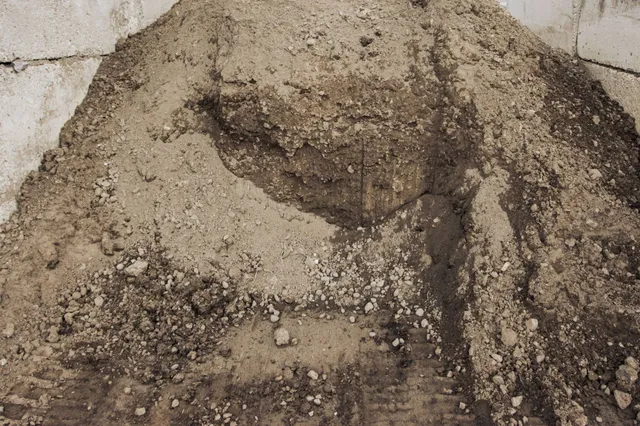
Fill Dirt
Grading & Backfill
See delivered price
View product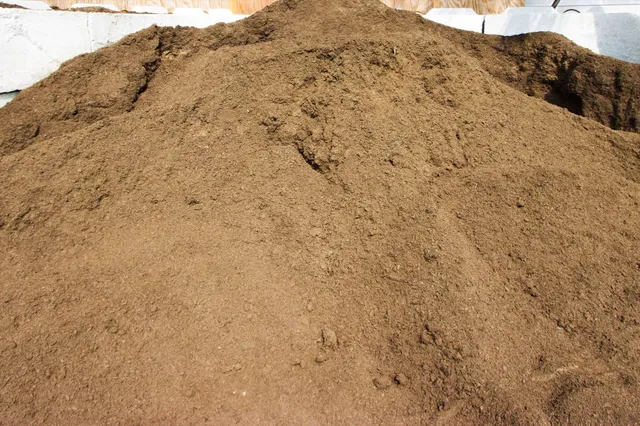
Topsoil
Lawn establishment & Garden beds
See delivered price
View product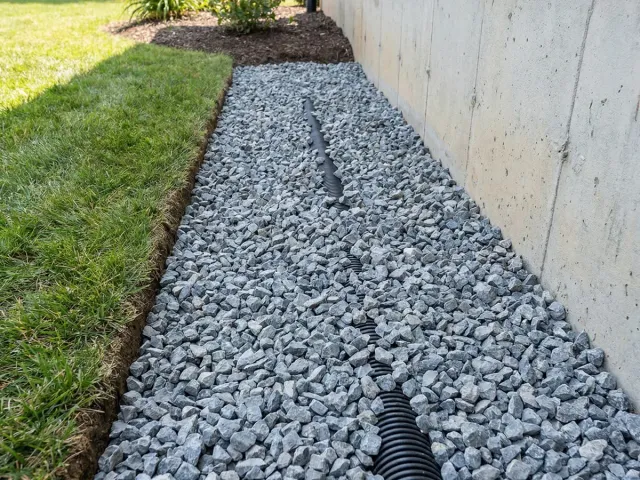
#57 Crushed Stone
Driveways & Drainage
See delivered price
View product