
How to Get Gravel Delivered Nationwide in 2026
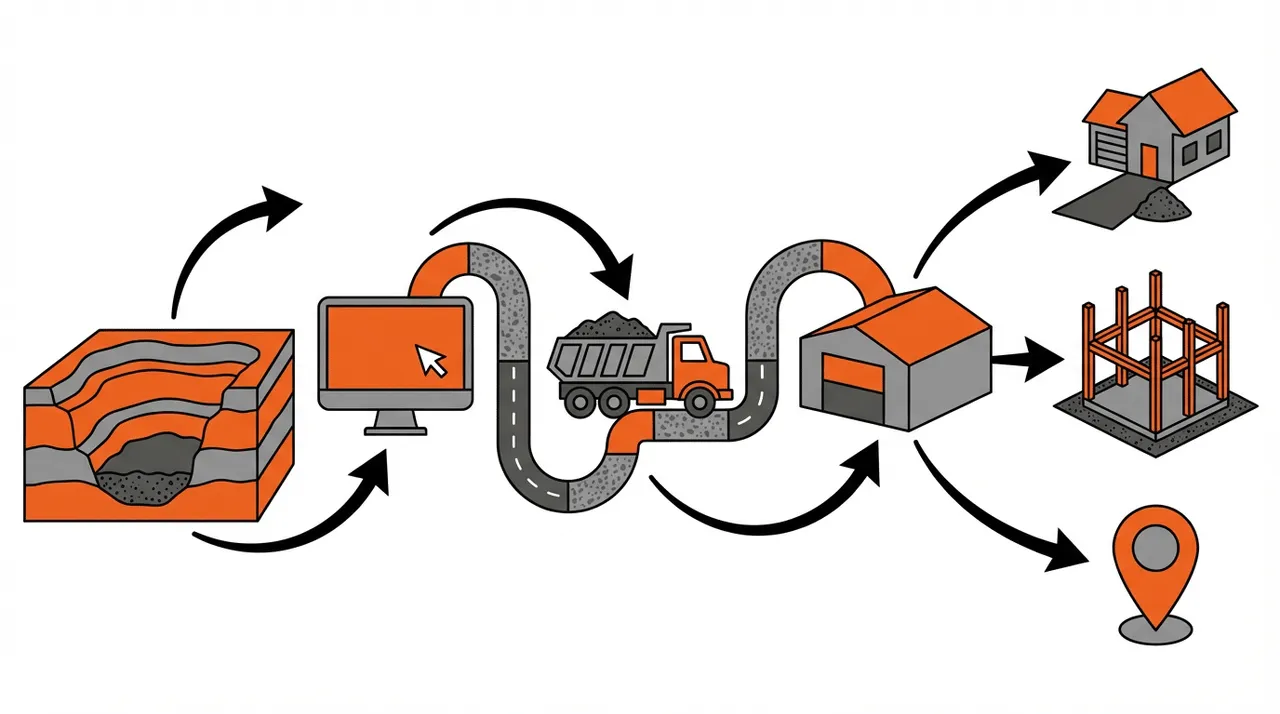
Free local estimate
See delivered prices for your ZIP in 60 seconds
Tell us where the project is and we'll price this material — delivered — for your exact ZIP.
- Real delivered pricing for your ZIP — not a generic range.
- Works for any quantity — driveways, pads, drains, or full projects.
- Prefer to talk? We follow up with local availability and delivery windows.
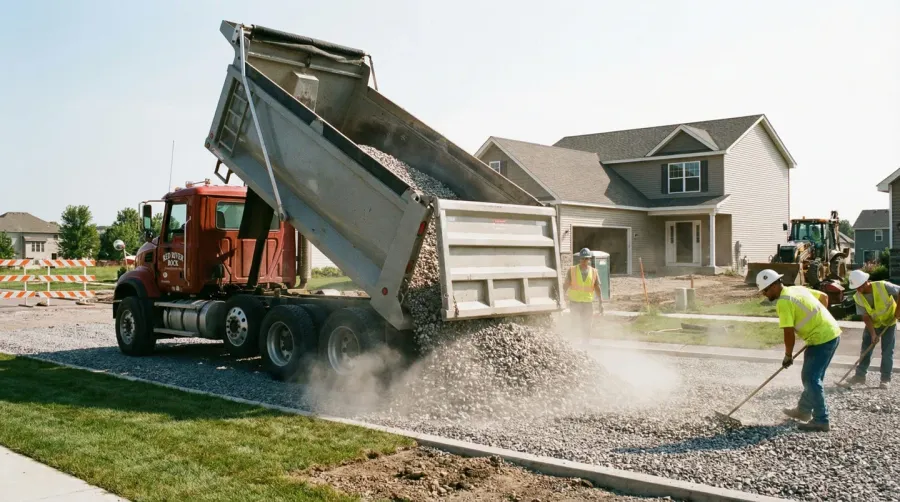
Getting gravel delivered to your property doesn’t have to be complicated. Order by noon on a weekday and we deliver the next business day, with orders starting at 1 ton and costs ranging from $30 to $75 per ton depending on the type and location. Whether you’re building a new driveway, creating garden pathways, or working on drainage solutions, understanding the gravel delivery process will save you time and money.
Quick tip: Use an online gravel calculator to estimate your needs accurately. Most projects require 1.5 to 2 tons of gravel per 100 square feet at 2-inch depth.
This guide walks you through everything from selecting the right gravel type to managing delivery day logistics. You’ll learn how to calculate quantities, choose reliable suppliers, and ensure a smooth delivery process that gets your project started right. With nationwide delivery capabilities now available through modern aggregate suppliers, you can source quality materials wherever your project is located across all 50 states.
About Hello Gravel
Hello Gravel delivers bulk gravel, rock, dirt, and sand by the ton. Enter your ZIP code to see prices with delivery included. A local dump-truck driver places the load where access is safe; spreading is not included.
Understanding gravel types and their applications
Choosing the right gravel type makes all the difference in your project’s success. Each variety serves specific purposes and comes with different cost considerations.
Crushed stone works best for driveways and high-traffic areas. The angular edges interlock when compacted, creating a stable surface that resists shifting. You’ll typically pay between $30-50 per ton for this versatile option. For a detailed breakdown of what you can expect to pay, check out our guide on the cost per ton of gravel.
Pea gravel offers smooth, rounded stones perfect for decorative pathways and garden beds. While slightly more expensive at $40-60 per ton, it provides excellent drainage and a polished appearance. Learn more about decorative gravel prices and options to find the best fit for your landscaping needs.
River rock creates stunning landscaping features but costs more due to its natural beauty and limited availability. Expect to pay $50-75 per ton for quality river rock. Our comprehensive guide on the current price of river stones can help you understand market trends.
For drainage projects, consider drain rock or larger crushed gravel that allows water flow while preventing soil erosion. These specialized options typically fall in the $35-55 per ton range.
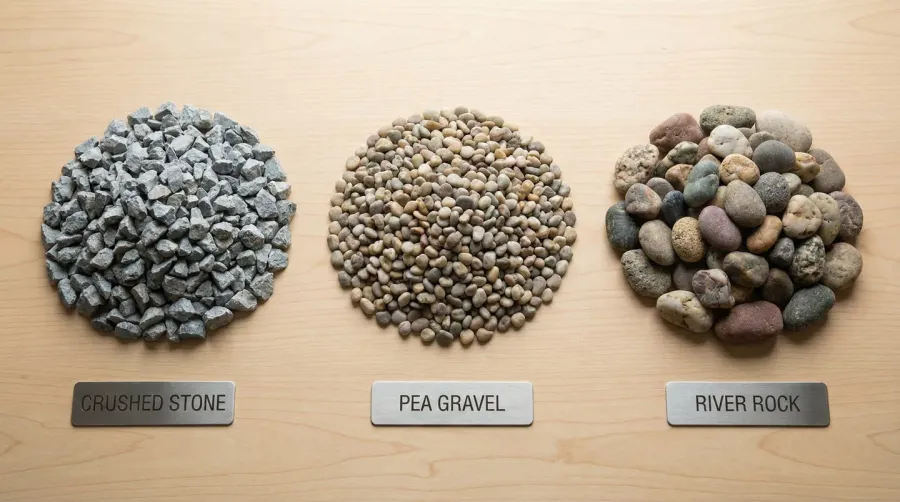
| Gravel Type | Cost per Ton | Best Uses | Key Benefits |
|---|---|---|---|
| Crushed Stone | $30-50 | Driveways, walkways | Excellent stability, compacts well |
| Pea Gravel | $40-60 | Decorative paths, gardens | Smooth texture, good drainage |
| River Rock | $50-75 | Landscaping, water features | Natural beauty, erosion control |
| Drain Rock | $35-55 | Drainage systems | Superior water flow |
Calculating your gravel requirements
Getting your measurements right prevents costly over-ordering or project delays from insufficient materials. Start by measuring your project area’s length and width in feet, then determine your desired depth.
Most driveway projects need 2-3 inches of gravel depth, while decorative applications often require just 1-2 inches. Multiply length × width × depth (in feet) to get cubic feet, then divide by 27 to convert to cubic yards. For more detailed calculations, explore the cost of gravel per yard to understand both volume and pricing.
Pro tip: Always order 10-15% extra gravel to account for compaction and uneven surfaces. This prevents running short during your project.
For example, a 20-foot by 40-foot driveway at 3 inches deep needs about 7.5 cubic yards of gravel. Since most suppliers sell by the ton, you’ll need to convert using the specific weight of your chosen gravel type. Crushed stone typically weighs 1.3 tons per cubic yard. Understanding how much a yard of gravel costs will help you budget accurately.
Don’t forget to consider access routes and delivery truck requirements. Standard delivery trucks need at least 10 feet of width and 14 feet of height clearance to reach your project site safely. Modern aggregate suppliers work with local pits and haulers nationwide to ensure delivery trucks can navigate to your specific location efficiently.
Choosing delivery methods and scheduling
Two main delivery methods dominate the gravel industry, each with distinct advantages depending on your project needs and site conditions.
Dump truck delivery remains the most common and cost-effective option. The truck backs up to your desired location and dumps the entire load at once. This method works well when you have adequate space and can spread the gravel yourself or with hired help. If you’re considering bulk gravel delivery, this is typically the most economical approach.
Conveyor belt delivery offers more precision and reduces manual labor. The gravel travels along a conveyor system, allowing controlled placement exactly where you need it. This method costs more but saves significant time and effort, especially for hard-to-reach areas.
When scheduling your delivery, plan for a 2-4 hour window and ensure someone can be present to direct the driver. Clear the delivery path of vehicles, outdoor furniture, and low-hanging branches. Mark underground utilities and sprinkler systems to prevent damage during unloading.
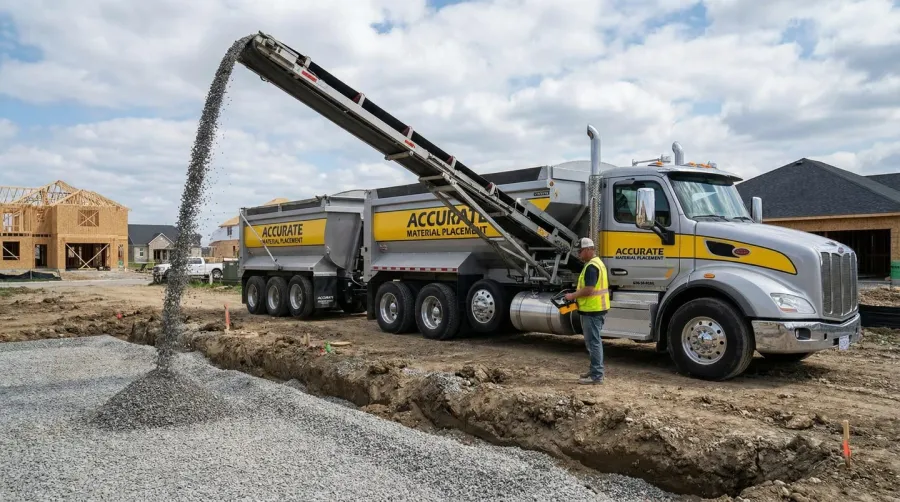
Most suppliers require 48-72 hours notice for scheduling, with deliveries typically occurring between 7 AM and 5 PM on weekdays. With modern online ordering systems, you can often schedule delivery as soon as the next business day, with convenient morning (7 AM – 12 PM) or afternoon (12 PM – 5 PM) delivery windows. Weekend deliveries may be available for an additional fee. For tips on finding reliable suppliers, read our guide on choosing the best gravel supply company.
Safety measures and post-delivery tips
Safety should be your top priority during gravel delivery and handling. Wear appropriate personal protective equipment including safety glasses, work gloves, and sturdy closed-toe shoes with good traction.
Stay clear of the delivery truck during unloading operations. The driver needs space to maneuver and may not see you in blind spots. Communicate clearly about where you want the gravel placed before the truck begins dumping.
Safety reminder: Never walk on freshly dumped gravel piles. The surface can be unstable and cause falls or ankle injuries.
After delivery, spread the gravel within 24-48 hours to prevent it from settling into hard-to-move piles. Use a rake or shovel for small areas, or rent a small bulldozer for larger projects. Compact the gravel with a plate compactor or hand tamper for driveways and high-traffic areas. If you’re working on a driveway project specifically, our gravel driveway cost guide provides additional insights on installation and maintenance.
Regular maintenance extends your gravel’s lifespan significantly. Rake the surface monthly to redistribute stones and fill low spots. Add fresh gravel annually to replace material lost to weather and traffic. Remove weeds promptly to prevent root damage and maintain a clean appearance.
Getting gravel delivered successfully requires careful planning, but the results are worth the effort. With the right type selection, accurate calculations, and proper safety measures, your gravel delivery will provide the foundation for years of reliable service. Whether you’re a DIY homeowner, landscaper, contractor, or municipality, take time to research suppliers that can source and deliver materials nearby wherever your job is located, compare transparent pricing, and schedule delivery when you can be present to oversee the process.
FAQ
How much does a load of gravel cost for delivery?
A load of gravel typically costs between $30-75 per ton depending on the type and your location. Most suppliers have minimum orders of 3 tons, so expect to pay $90-225 for a basic delivery. Crushed stone runs $30-50 per ton, pea gravel costs $40-60 per ton, and river rock ranges from $50-75 per ton. Additional delivery fees may apply based on distance from the supplier.
How many yards of gravel do I need for my driveway?
To calculate gravel needs, multiply your driveway’s length × width × depth (in feet), then divide by 27 to get cubic yards. For example, a 20-foot by 40-foot driveway at 3 inches deep needs about 7.5 cubic yards. Most driveways require 2-3 inches of gravel depth. Always order 10-15% extra to account for compaction and uneven surfaces.
How long does gravel delivery take?
Order by noon on a weekday and your gravel is delivered the next business day. Deliveries usually occur between 7 AM and 5 PM on weekdays, with weekend deliveries available for an additional fee. Plan for a 2-4 hour delivery window and ensure someone is present to direct the driver.
What size gravel is best for driveways?
Crushed stone with angular edges works best for driveways because it compacts well and creates a stable surface that resists shifting. The angular pieces interlock when compacted, making it ideal for high-traffic areas. Avoid smooth, rounded gravel like pea gravel for driveways as it doesn’t compact properly and can shift under vehicle weight.
Materials for this project
Get it delivered — dumped where you need it
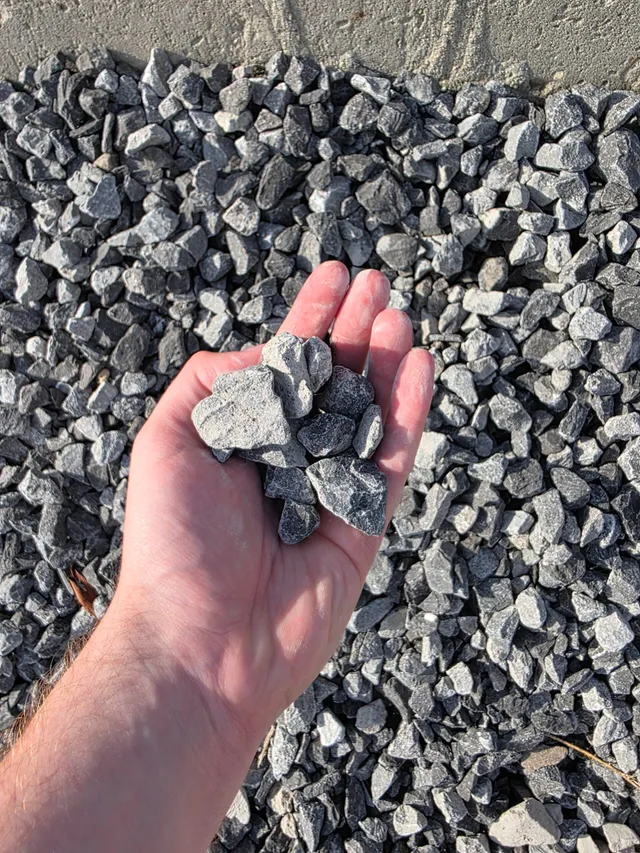
Driveway Gravel
Driveways & Parking areas
See delivered price
View product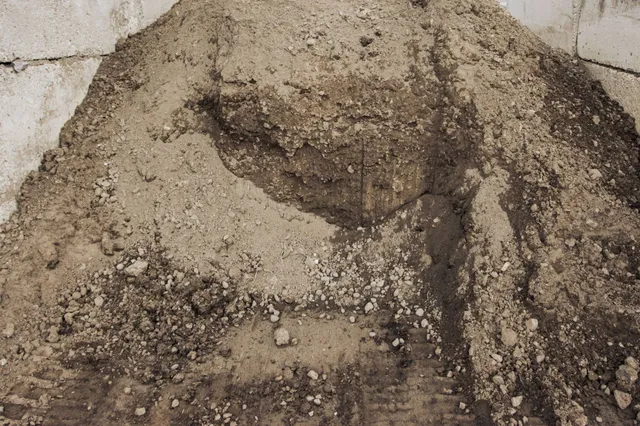
Fill Dirt
Grading & Backfill
See delivered price
View product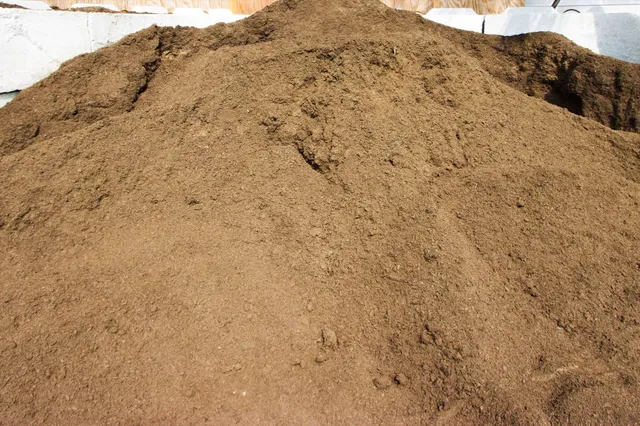
Topsoil
Lawn establishment & Garden beds
See delivered price
View product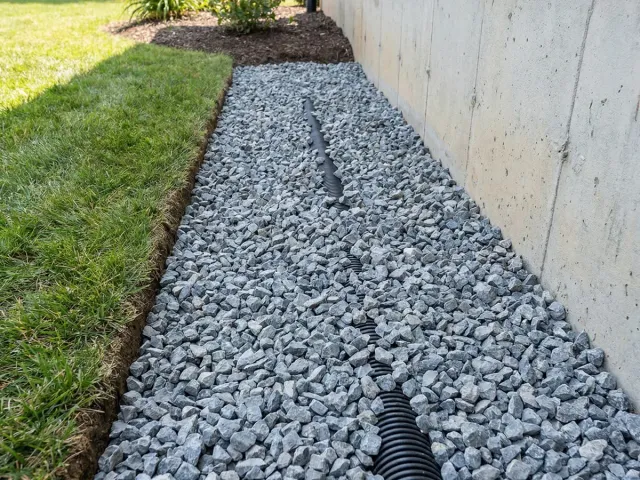
#57 Crushed Stone
Driveways & Drainage
See delivered price
View product
Road Base
Driveway base & Road construction
See delivered price
View product