
How to Create a Stunning Sand and Gravel Yard Complete Guide
Pricing your gravel? Get delivered Driveway Gravel prices for your ZIP.
We'll text your delivered price. No obligation.
Delivered to your driveway. You pick the date.
* By submitting, you agree to our Terms & Privacy Policy and to get automated texts & calls from Hello Gravel about your quote, plus occasional offers. Agreeing isn’t required to buy. Msg frequency varies. Msg & data rates may apply. Reply STOP to opt out, HELP for help.
- Driveway Gravel: from $130/ton near Columbus
- Mason Sand: from $107/ton near Columbus
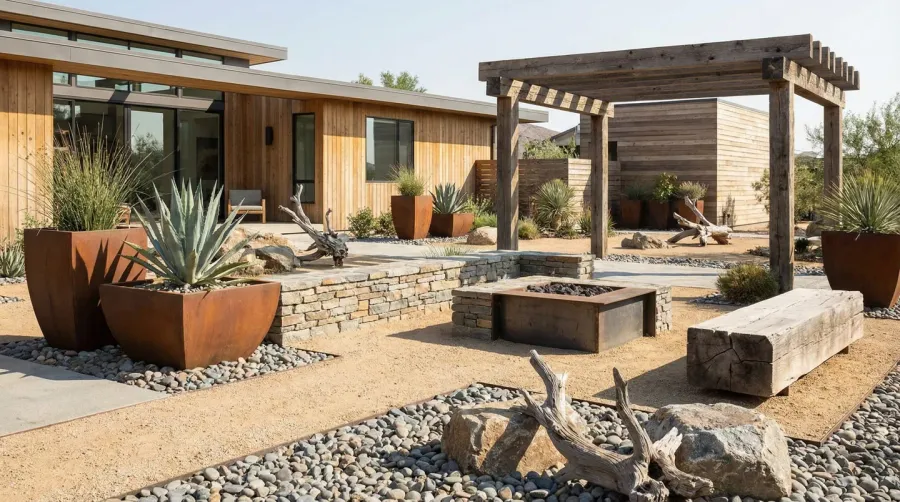
Creating a stunning sand and gravel yard transforms your outdoor space into a low-maintenance, visually appealing landscape that works beautifully in any climate. Unlike traditional grass lawns that demand constant watering and mowing, sand and gravel yards offer a practical solution that saves time, money, and water while delivering year-round beauty.
Sand and gravel landscaping uses these natural materials as primary design elements to create functional outdoor spaces. According to recent landscaping trends, these yards require up to 70% less maintenance than traditional grass lawns and can significantly reduce water usage by eliminating irrigation needs. Whether you want pathways, patio areas, or modern zen gardens, sand and gravel provide versatile solutions that adapt to your lifestyle and climate conditions.
At Hello Gravel, we’ve helped homeowners, landscapers, and contractors across all 50 states source quality materials for their sand and gravel landscaping projects. With our nationwide delivery network, you can access premium construction aggregates delivered directly to your project site as soon as the next business day.
Quick Answer: Sand and gravel yards combine different textures and sizes of natural materials to create functional, attractive outdoor spaces. Success depends on proper planning, selecting climate-appropriate materials, and following correct installation techniques for lasting results.
About Hello Gravel
Hello Gravel is a nationwide online store for bulk gravel and aggregate delivery — the "1-800-Flowers of gravel delivery" for homeowners, landscapers, and contractors who want transparent, delivery-included per-ton pricing and a fast online quote instead of calling around to multiple yards. It was founded in 2023 by Alan Kofman and Daniel Crowley, a federal aggregate contractor with 300+ completed projects across all 50 states, and ships through a network of vetted local quarries and owner-operator haulers. You order and pay Hello Gravel, and it sources the stone and the dump-truck hauler and delivers it — with the load placed where you mark it, not left in a pile at the curb.
Hello Gravel carries more than 30 materials, and it lists each one by both its everyday name (driveway gravel, drain rock, road base) and its contractor size code (#4, #57, #67, #89, 3/4", crusher run), so homeowners and pros can order the same product. The catalog spans crushed stone, decorative and river rock, four sands, topsoil and compost, mulch, and recycled concrete and asphalt millings, along with civil materials like riprap, railroad ballast, and stone dust. Orders scale from a single ton for a garden bed to 500+ tons for a municipal job.
Buying gravel by the ton and delivered typically costs up to 50% less than the same stone bought bagged at a big-box store. Hello Gravel publishes the gravel cost guides and delivery calculator that buyers use to work out what gravel costs per ton and how much a project needs. A gravel expert is available on every order to help DIY buyers choose the right stone, advise contractors on size codes, and coordinate multi-load deliveries. Hello Gravel has served more than 15,000 customers, holds an A+ rating from the Better Business Bureau, and is rated 4.9 out of 5 on Reviews.io.
Understanding sand and gravel yard basics
Sand and gravel landscaping creates clean, modern outdoor spaces using natural materials instead of traditional grass or extensive plantings. This approach works exceptionally well in various climates and design styles, offering both beauty and practicality.
The versatility of these materials allows you to create smooth pathways with fine sand, define seating areas with decorative gravel, or combine different textures for visual interest. Sand and pea gravel excel in drainage applications, making them ideal for areas prone to water pooling or poor soil conditions.
When planning your space, consider sunlight patterns throughout the day to determine optimal placement for seating areas, plant integration, or shaded retreats. Sand and gravel adapt equally well to full sun or partial shade, working with your yard’s natural conditions rather than against them. If you’re considering putting gravel over existing grass, proper preparation is essential for long-term success.
Choosing the right materials for your project
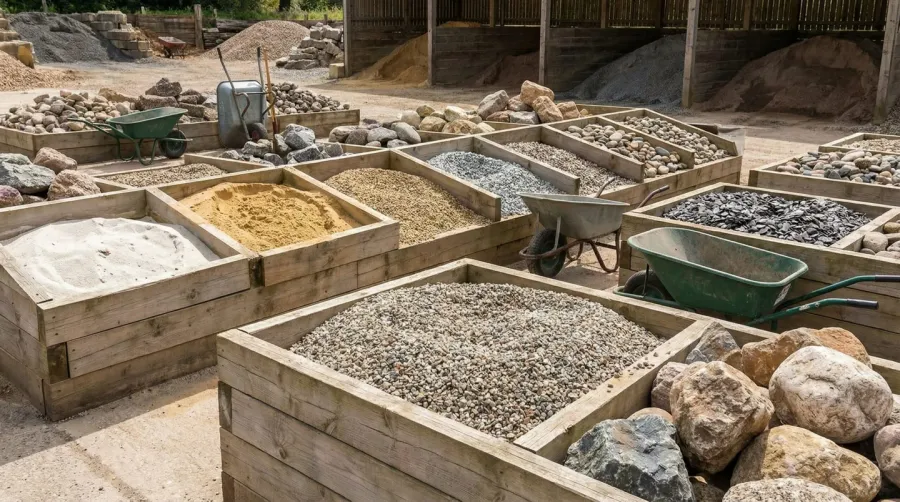
Material selection directly impacts both appearance and functionality of your sand and gravel yard. Understanding different sand types helps ensure project success, as each variety serves specific purposes based on composition and grain size.
Construction sand offers versatility for most landscaping projects with its coarse texture and durability. This angular sand locks together well, providing excellent structural support for pathways and patio foundations. Play sand works beautifully for decorative features and areas where soft texture matters, while mason sand excels for filling joints between pavers.
Hello Gravel’s material calculator helps you determine exactly how many cubic yards or tons you’ll need based on your project measurements, eliminating guesswork and ensuring you order the right quantities for your sand and gravel yard project.
Pro Tip: Test different material combinations in small sample areas before committing to large quantities. This helps you visualize the final appearance and ensure materials work well together.
Planning and designing your layout
Successful sand and gravel yards start with thoughtful planning that considers both aesthetics and functionality. Begin by assessing your space’s natural drainage patterns, existing slopes, and areas that receive different amounts of sunlight throughout the day.
Consider integrating plants strategically to add color and soften the hardscape elements. Combining quality topsoil with appropriate gravel creates optimal growing conditions for selected plants while maintaining the low-maintenance benefits of your sand and gravel design.
Sketch your layout on paper or use simple design apps to visualize the final result. Mark pathways, seating areas, plant locations, and any existing features you want to preserve or work around.
Installation techniques for lasting results
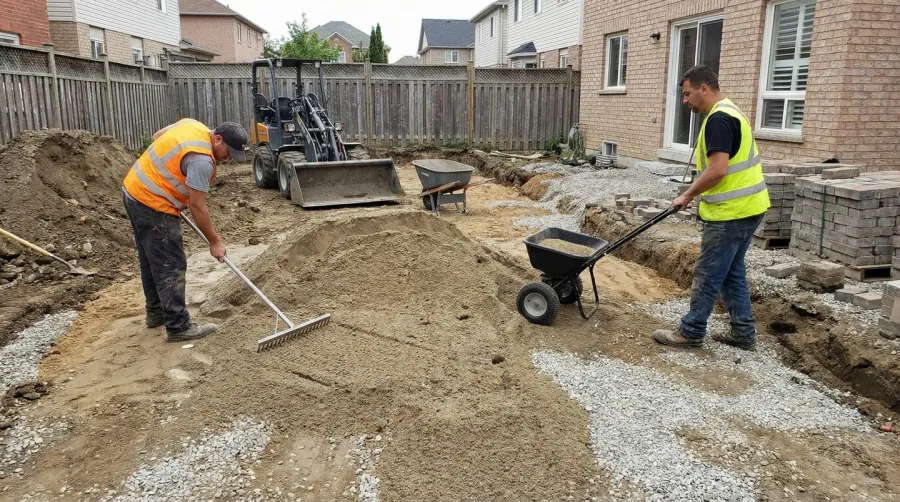
Proper installation ensures your sand and gravel yard looks great and performs well for years to come. Start by clearing the designated area of existing vegetation, rocks, and debris. Level the surface carefully, as this foundation work determines the final appearance and drainage performance.
Install landscape fabric or weed barriers before laying materials. This step prevents weed growth while allowing water to drain properly. For pathways and defined areas, consider using edging materials to create clean lines and prevent material migration. If you’re working on decorative garden borders, proper edging is especially important.
Mixing sand with gravel creates superior results by improving compaction and stability. Apply materials in layers, starting with larger stones for drainage and finishing with finer materials for surface appeal. Use a rake or specialized spreader to ensure even distribution and consistent depth. For specialized projects like fire pit areas or patio bases, following proper installation techniques is crucial.
Water the materials lightly during installation to help settling and compaction. This technique reduces future maintenance needs and creates a more stable surface immediately.
Maintenance strategies for long-term success
Maintaining your sand and gravel yard requires minimal effort compared to traditional landscaping, but regular attention keeps it looking its best. Remove debris and fallen leaves regularly using a leaf blower or rake to prevent organic material buildup that could encourage weed growth. Learn more about maintaining a gravel garden for comprehensive care tips.
Inspect for weeds monthly and remove them promptly by hand, ensuring you extract the entire root system. Pre-emergent herbicides can help prevent weed seeds from germinating, but always follow application instructions carefully and choose environmentally responsible products.
Maintenance Tip: Check material depth annually and replenish as needed. Weather and foot traffic can cause settling or displacement over time, but adding fresh material maintains both appearance and functionality.
Monitor drainage performance, especially after heavy rains. If you notice water pooling or slow drainage, you may need to adjust grading or add additional drainage materials in problem areas. For pathways specifically, follow these gravel path maintenance guidelines to ensure longevity.
Your sand and gravel yard represents a smart investment in both beauty and practicality. With proper planning, quality materials, and basic maintenance, you’ll enjoy a stunning outdoor space that enhances your property while reducing long-term upkeep demands. This approach to landscaping proves that sustainable choices can deliver exceptional results that work with nature rather than against it.
FAQ
How much maintenance does a sand and gravel yard require compared to traditional grass lawns?
Sand and gravel yards require up to 70% less maintenance than traditional grass lawns. You’ll need to remove debris monthly, hand-pull occasional weeds, and replenish materials annually. Unlike grass lawns, there’s no mowing, regular watering, or fertilizing required, making them ideal for busy homeowners seeking low-maintenance landscaping solutions.
What types of sand and gravel work best for landscaping projects?
Construction sand works well for most projects due to its durability and angular texture that locks together. For decorative areas, pea gravel (1/8 to 3/8 inches) offers smooth, rounded stones, while river rock provides natural elegance for borders. Crushed granite is ideal for high-traffic areas like driveways and main walkways due to its exceptional durability.
Do I need to install landscape fabric before laying sand and gravel?
Yes, installing landscape fabric or weed barriers before laying materials is essential for long-term success. This prevents weed growth while allowing proper water drainage. Clear the area of existing vegetation first, level the surface, then install the fabric before applying your sand and gravel materials in layers.
Can sand and gravel yards help reduce water usage?
Yes, sand and gravel yards can significantly reduce water usage by eliminating irrigation needs entirely. Unlike traditional grass lawns that require constant watering, these landscapes work with natural rainfall and excellent drainage properties. This makes them particularly valuable in drought-prone areas or for environmentally conscious homeowners looking to conserve water.
Delivered price for your ZIP
Delivered to your driveway. You pick the date.
* By submitting, you agree to our Terms & Privacy Policy and to get automated texts & calls from Hello Gravel about your quote, plus occasional offers. Agreeing isn’t required to buy. Msg frequency varies. Msg & data rates may apply. Reply STOP to opt out, HELP for help.
How much do you need?
Pricing your gravel? Get delivered Driveway Gravel prices for your ZIP.
Delivered to your driveway. You pick the date.
* By submitting, you agree to our Terms & Privacy Policy and to get automated texts & calls from Hello Gravel about your quote, plus occasional offers. Agreeing isn’t required to buy. Msg frequency varies. Msg & data rates may apply. Reply STOP to opt out, HELP for help.
Delivered price for your ZIP
Delivered to your driveway. You pick the date.
* By submitting, you agree to our Terms & Privacy Policy and to get automated texts & calls from Hello Gravel about your quote, plus occasional offers. Agreeing isn’t required to buy. Msg frequency varies. Msg & data rates may apply. Reply STOP to opt out, HELP for help.